


U.S.-China Trade Thaw & Strait of Hormuz Crisis | Shipping Costs Surge 15-25% for Cross-Border Sellers
- Oil prices hit $109/barrel amid Iran blockade; China-U.S. cooperation talks create tariff reduction opportunities; sellers face immediate freight cost increases and 6-month policy window for sourcing strategy shifts



















Overview
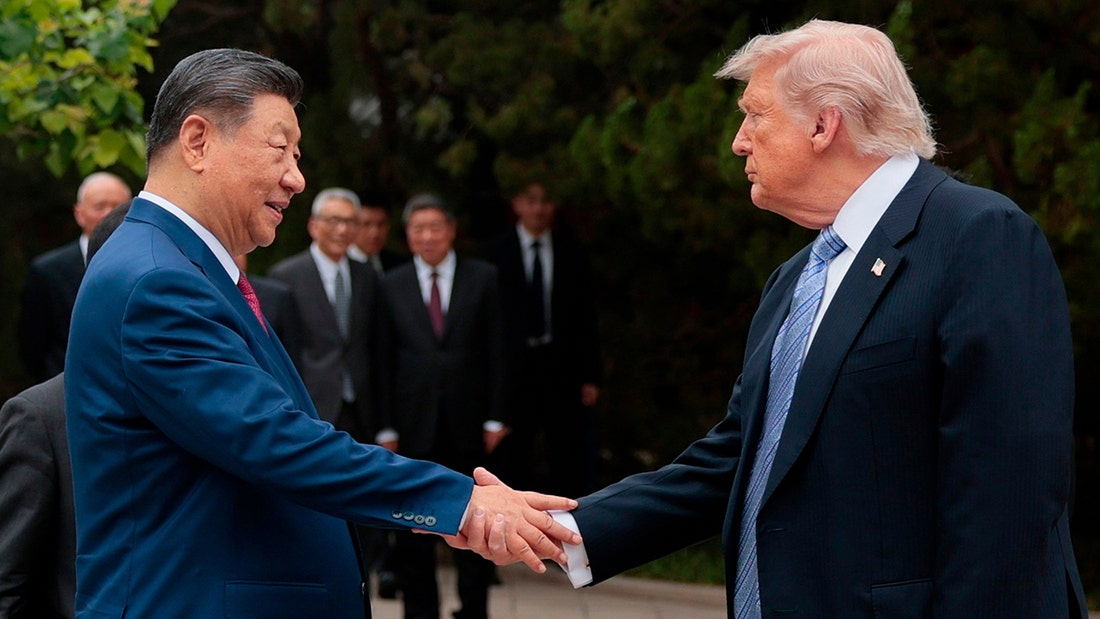
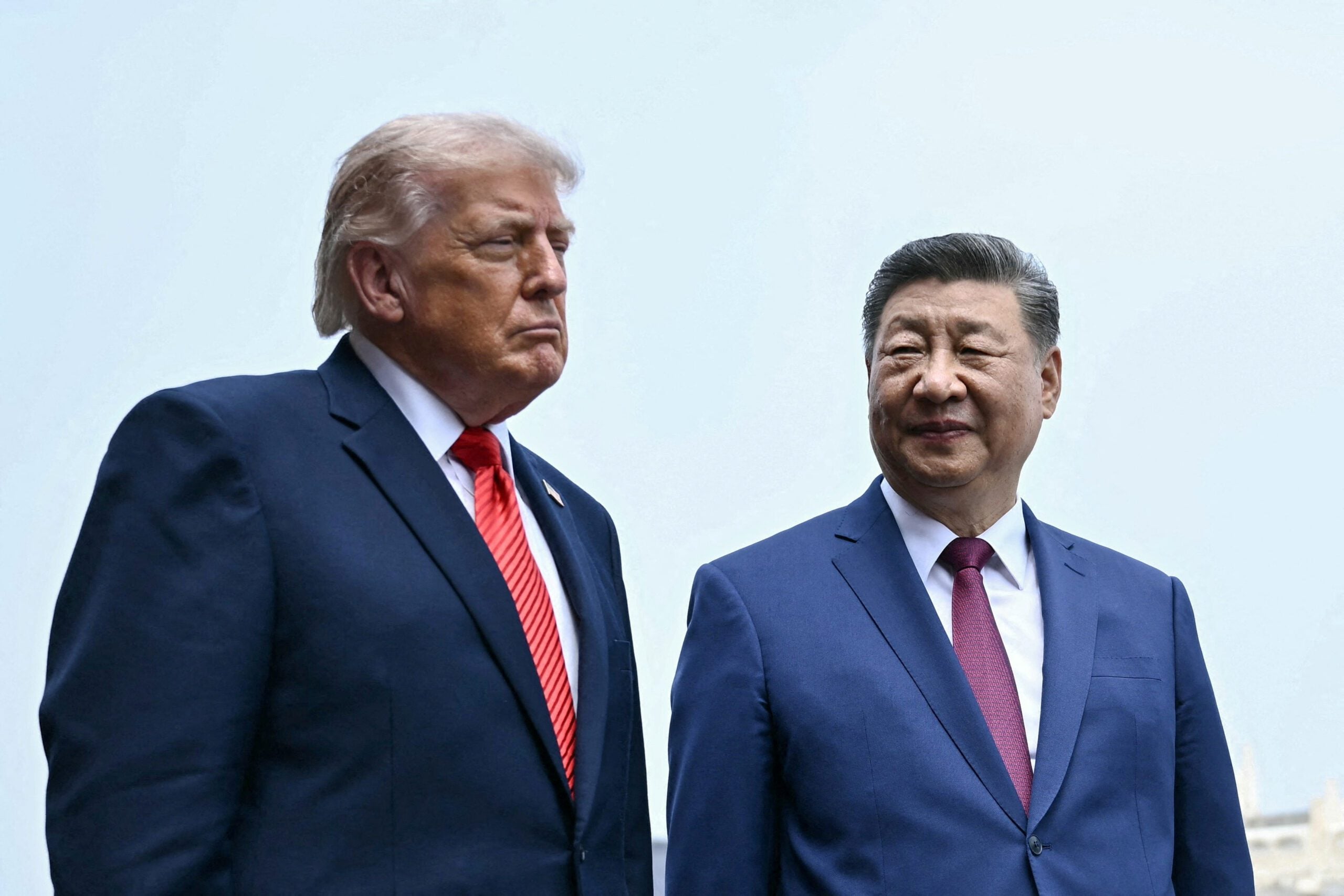
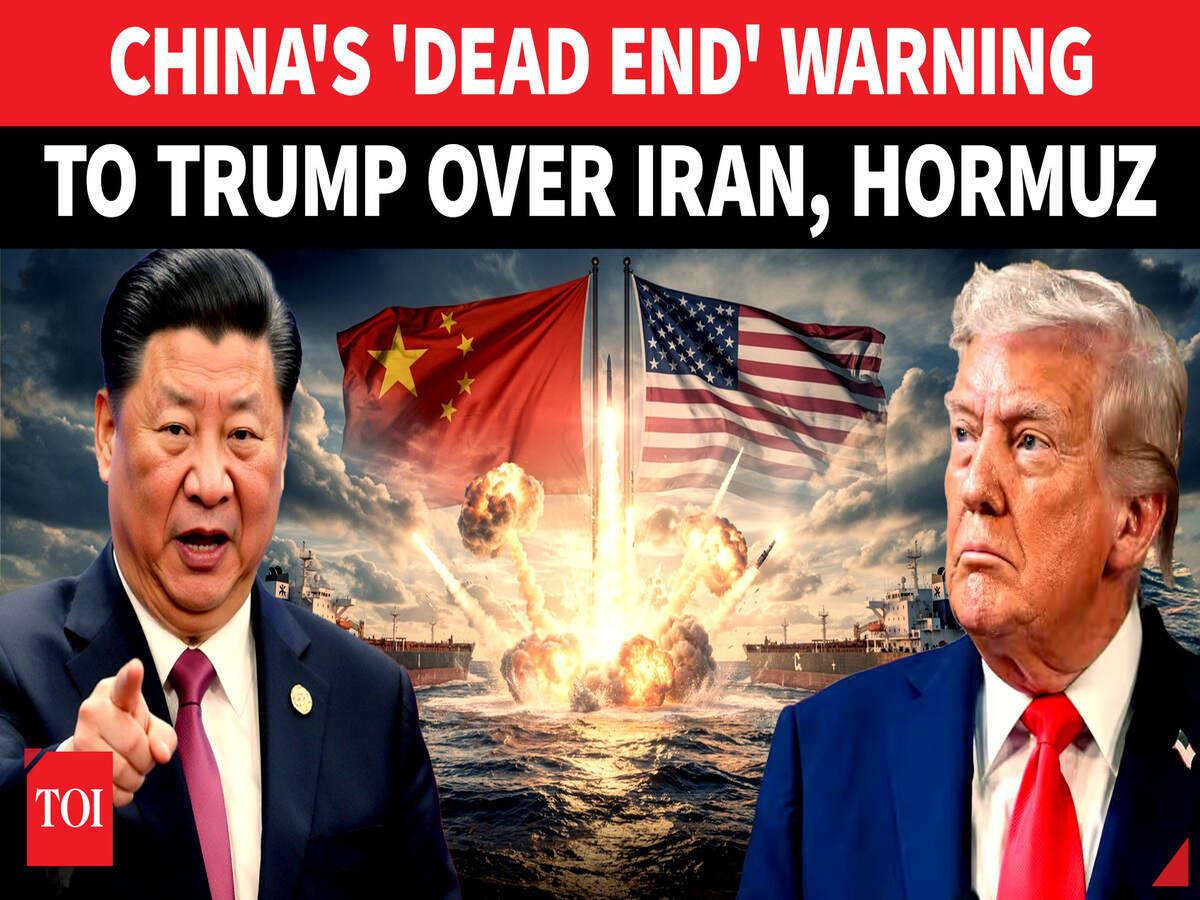
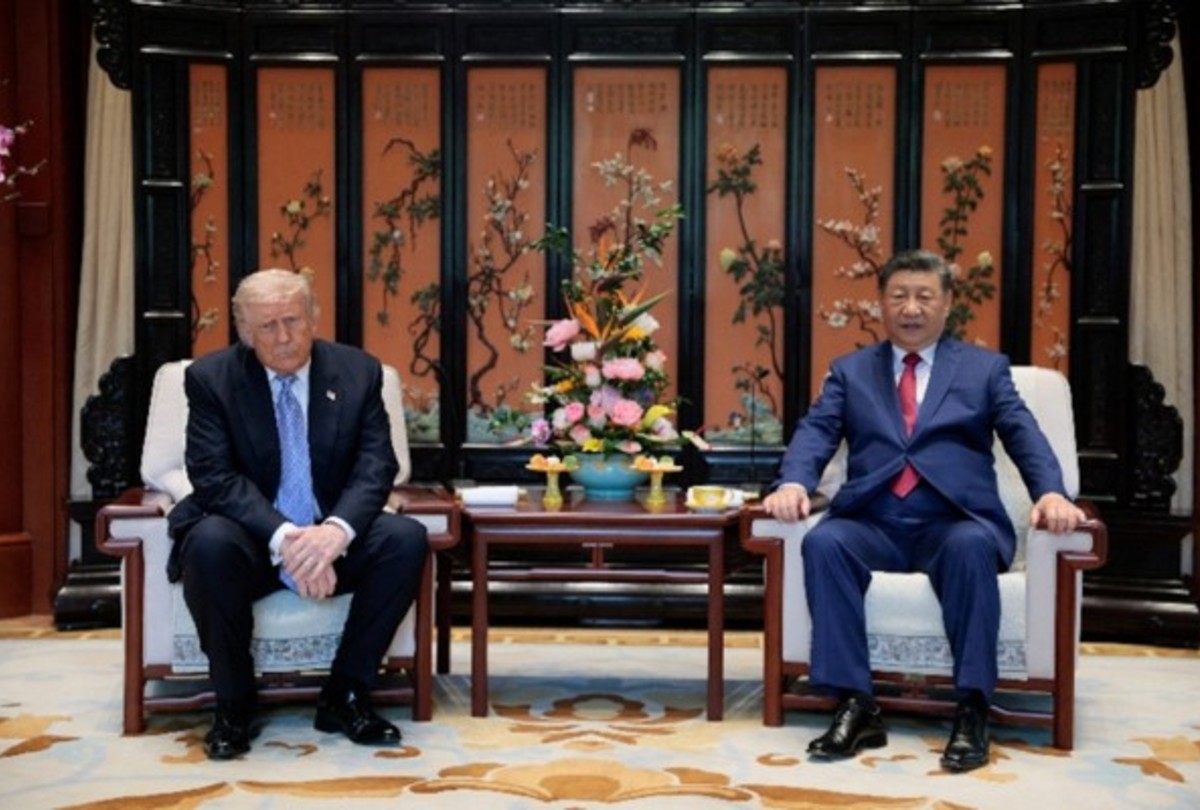
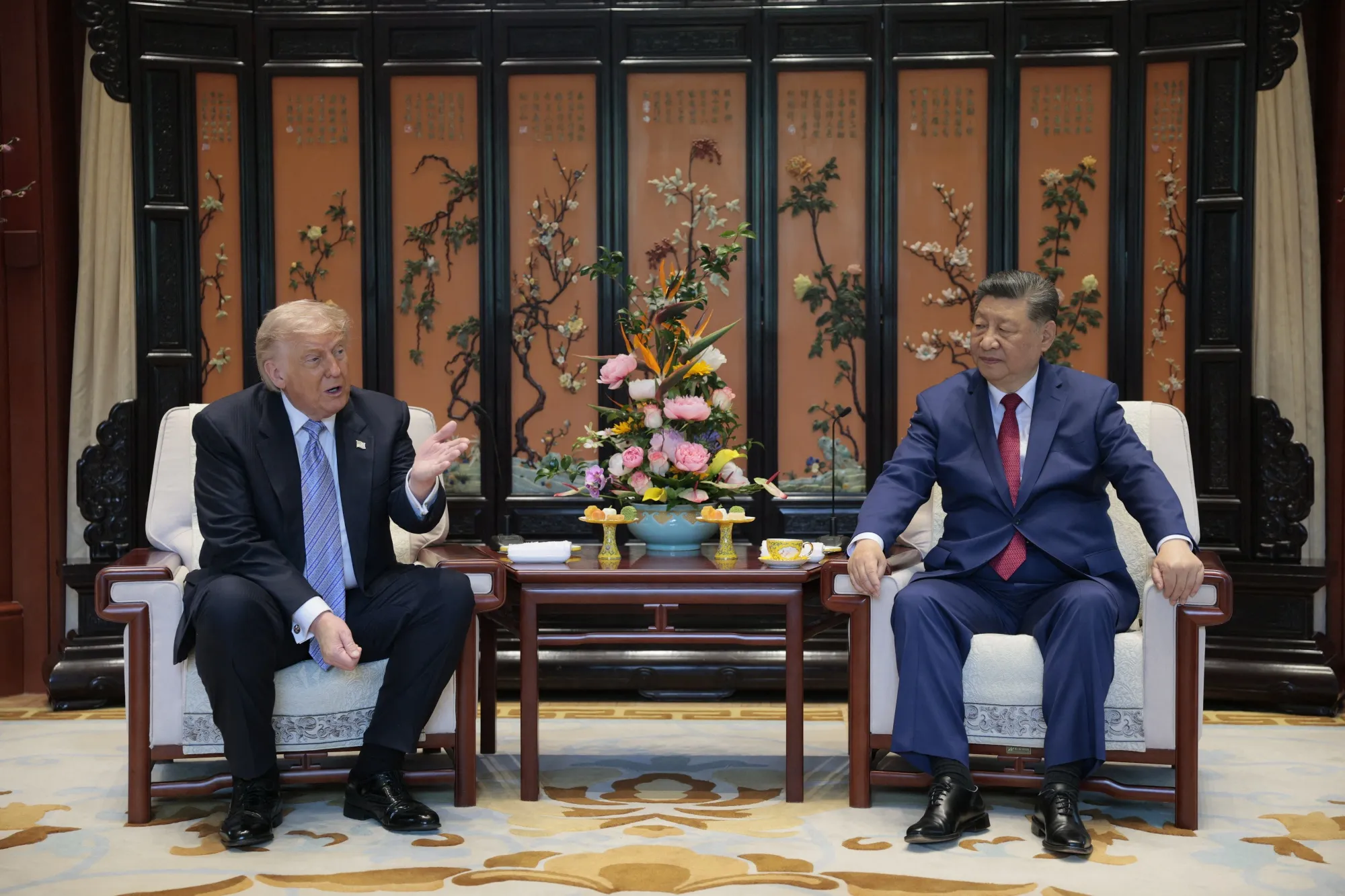
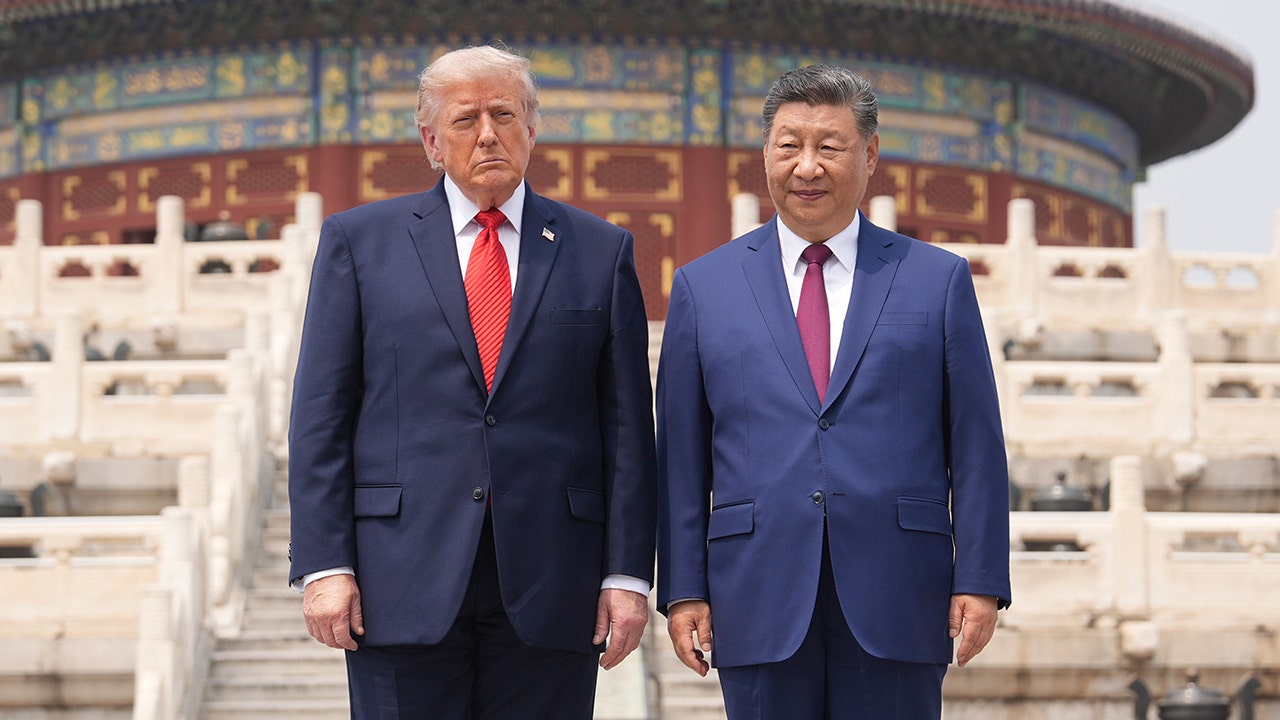
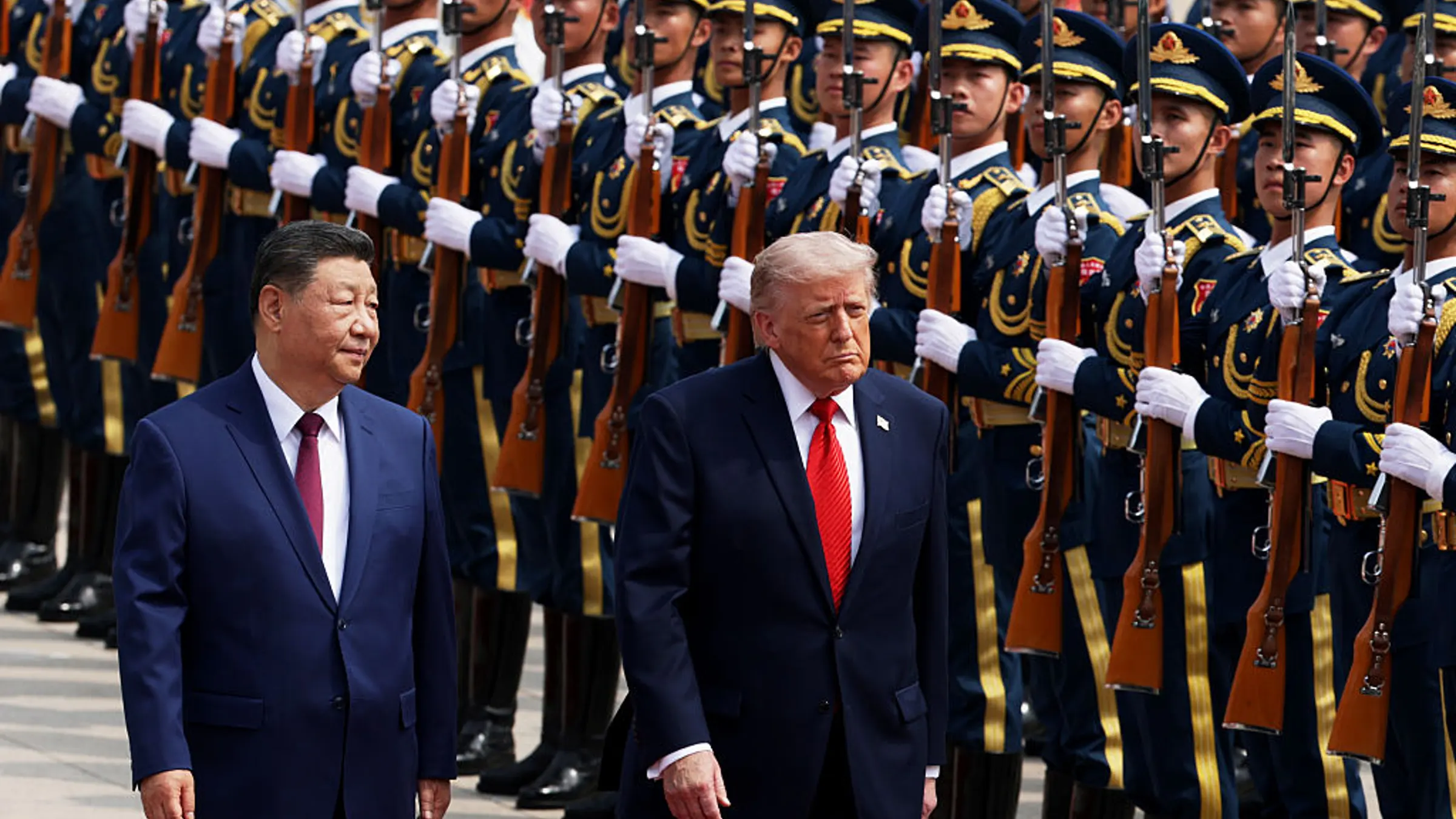
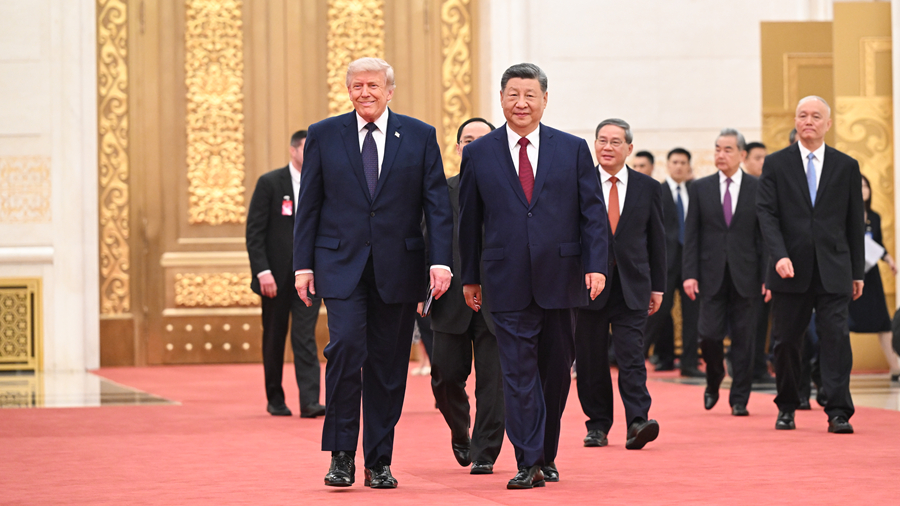
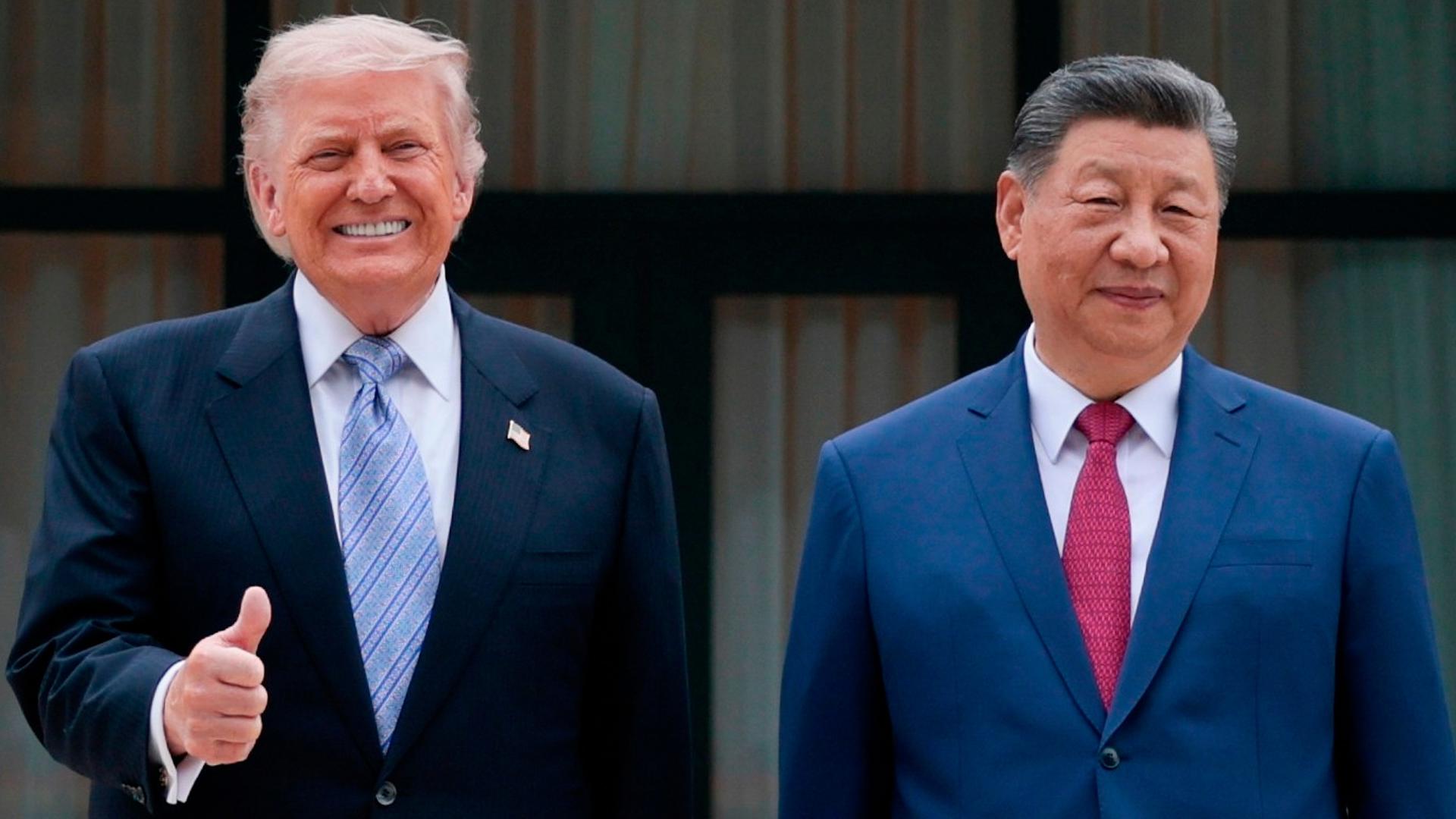
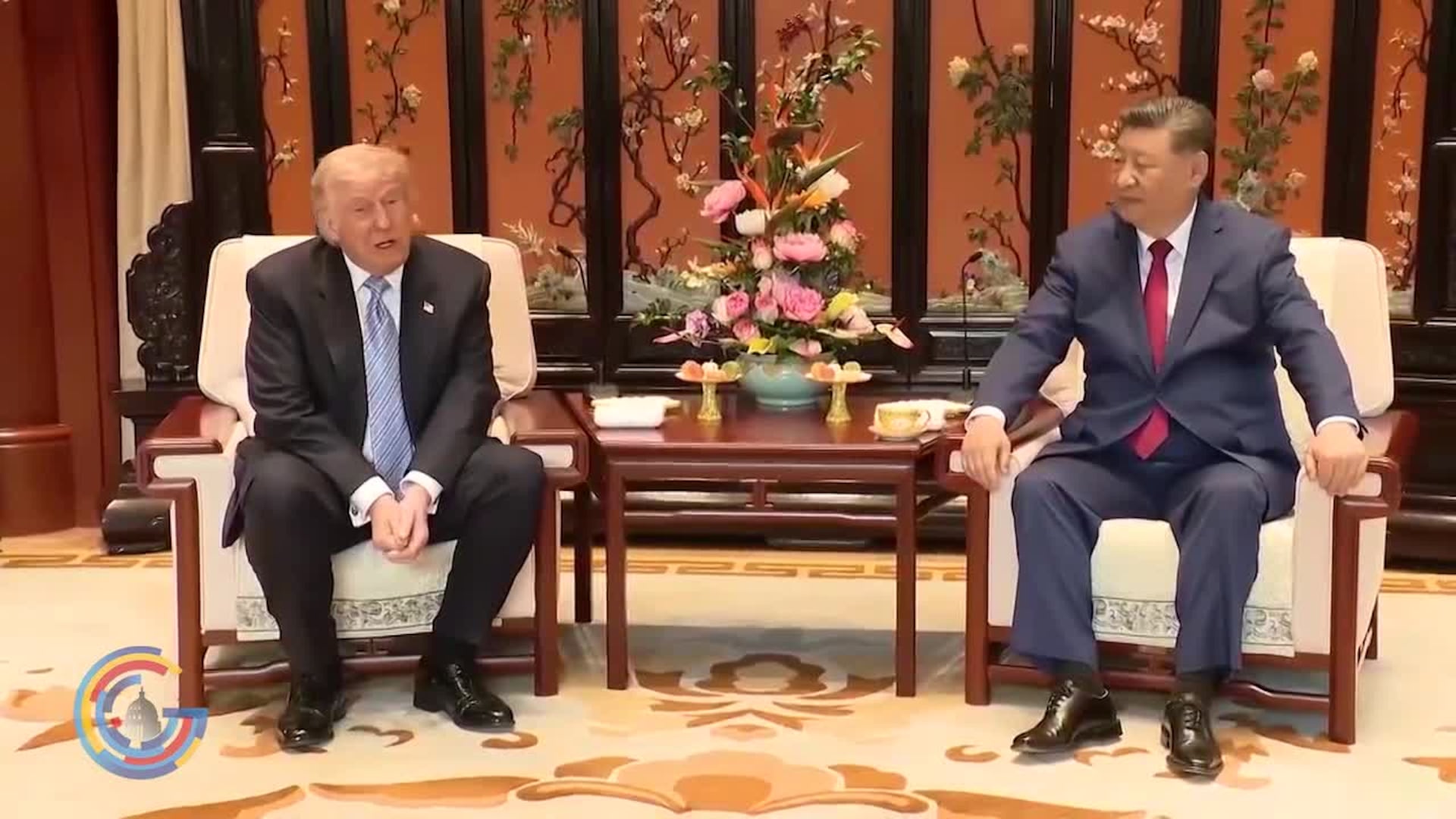
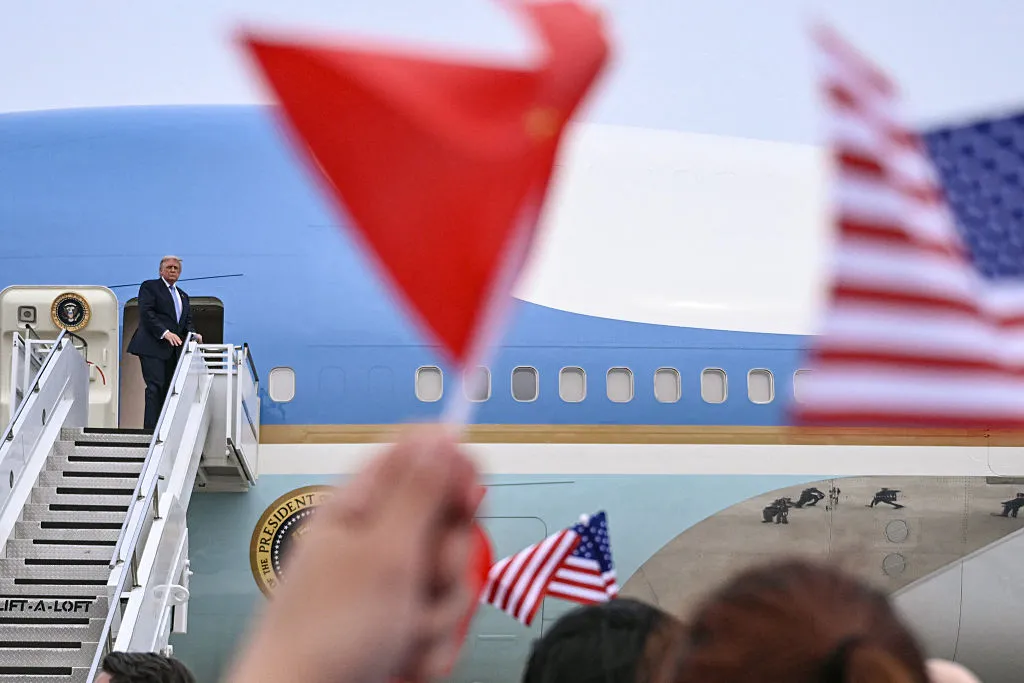
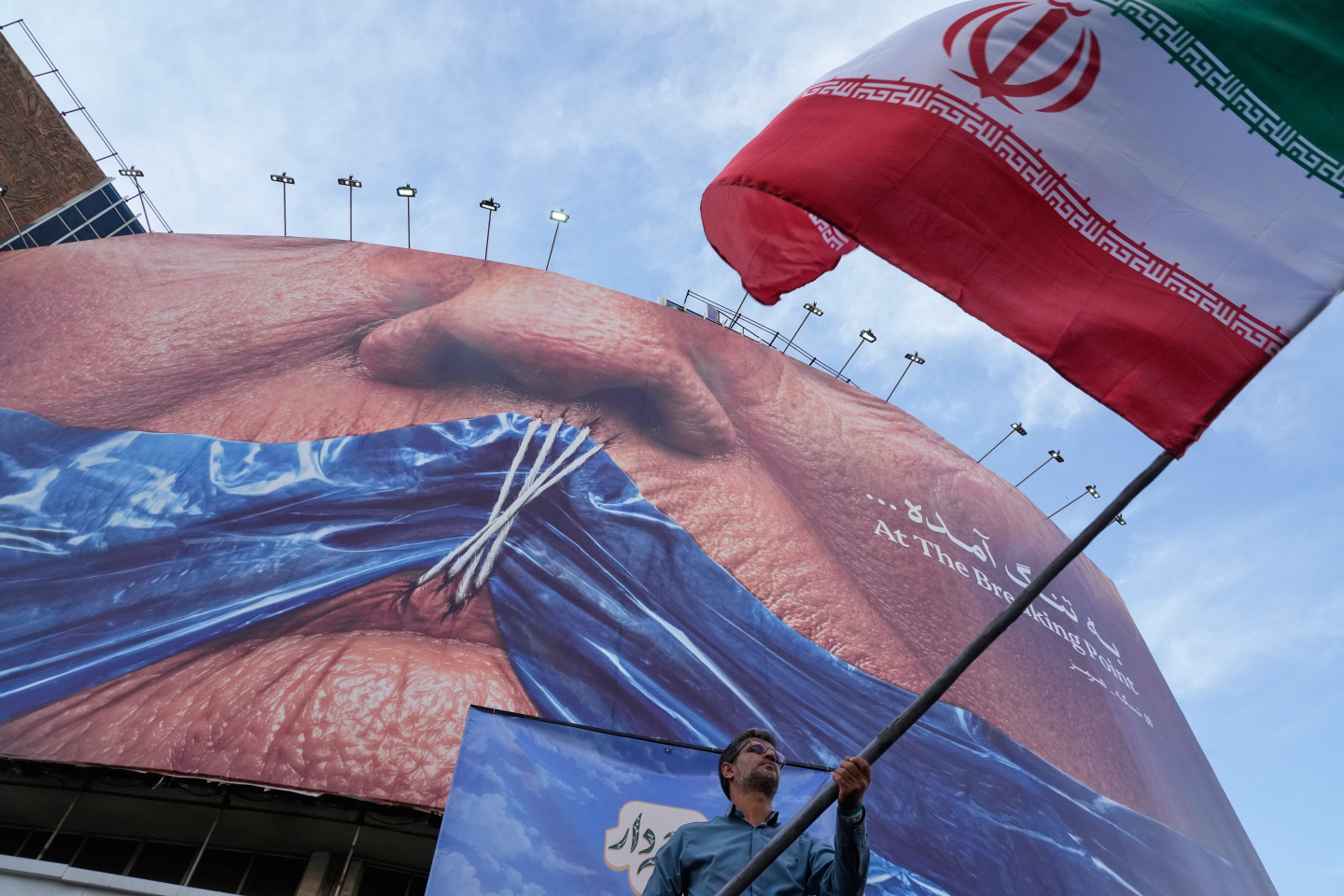
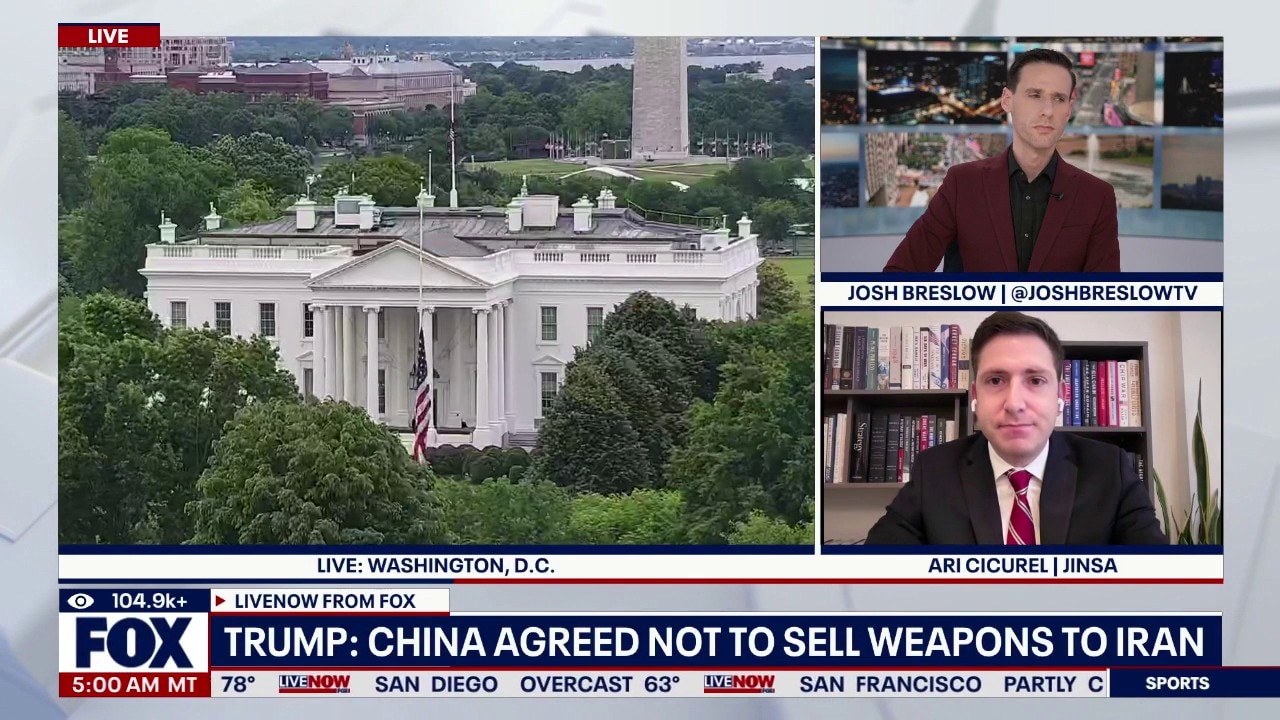
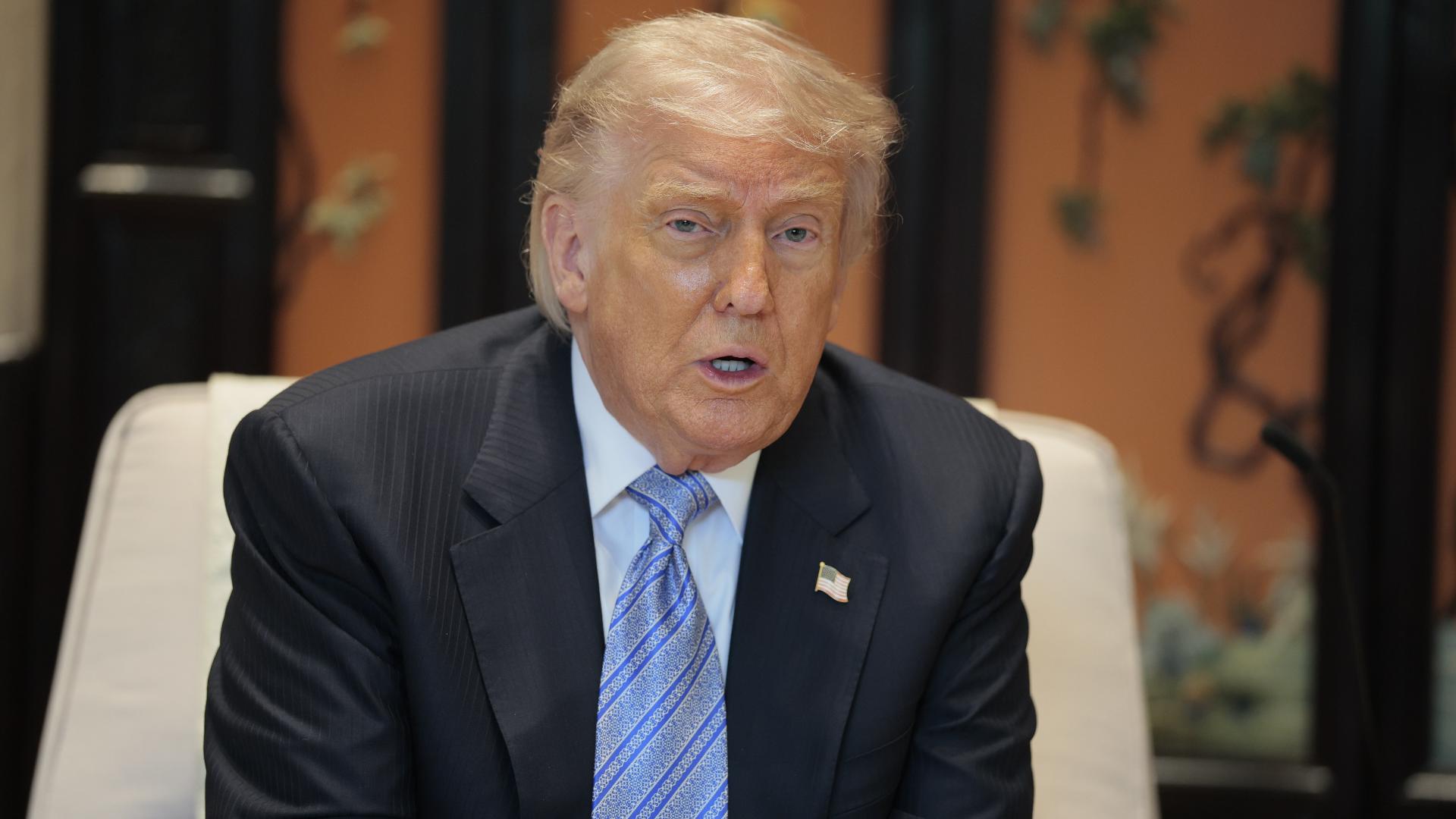
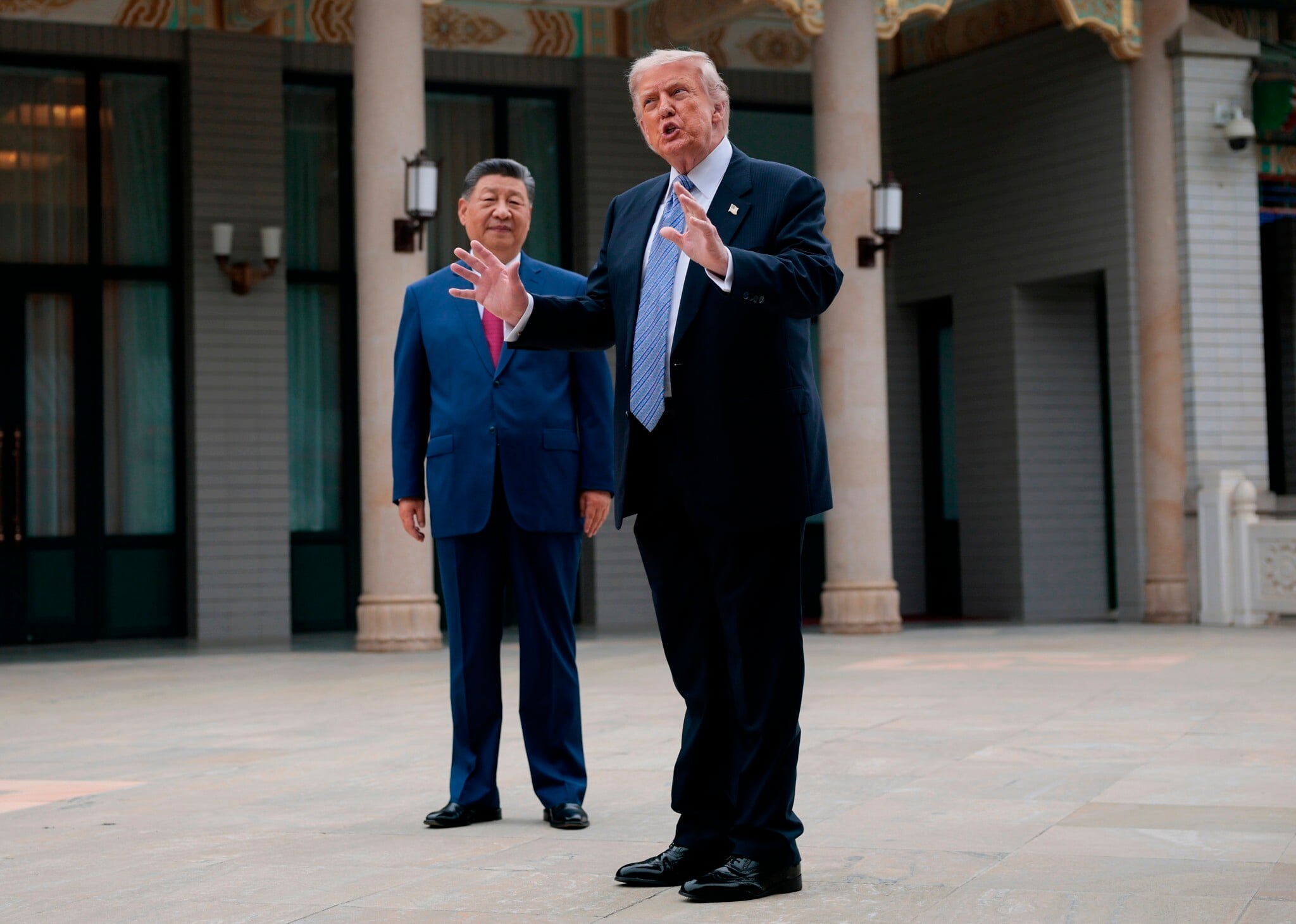
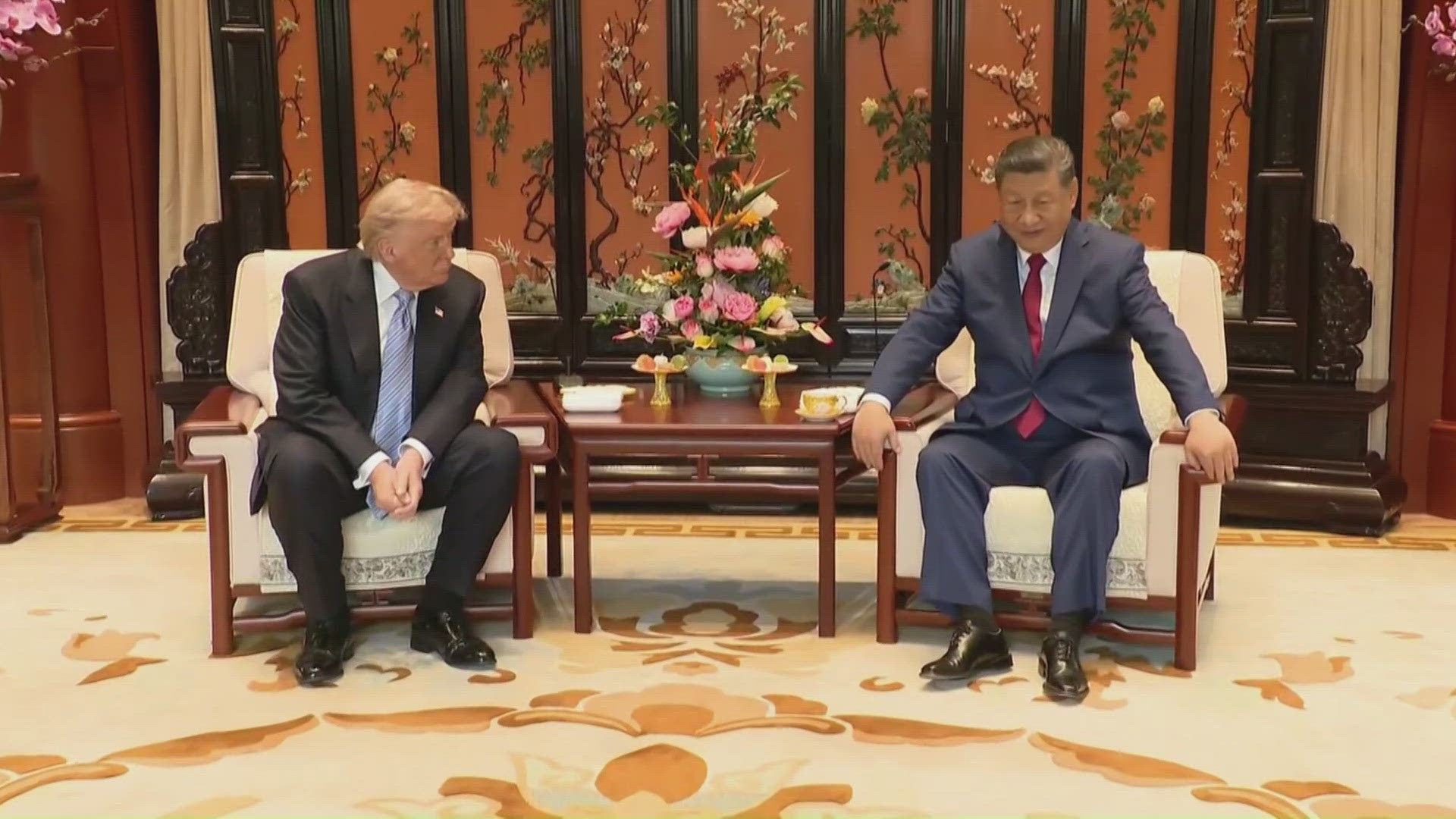
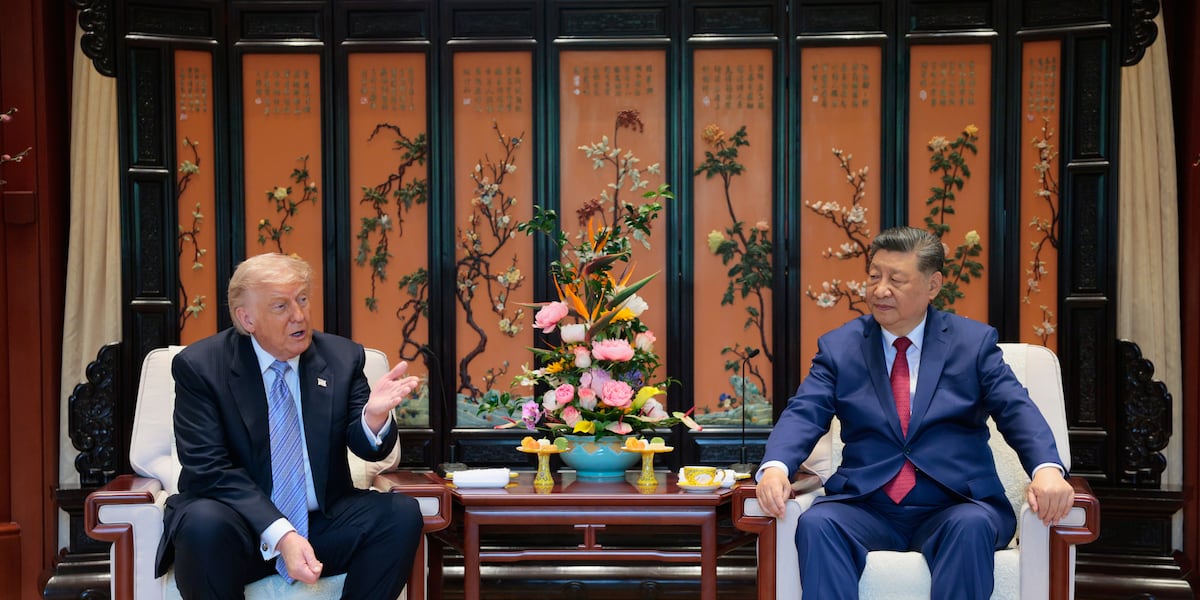
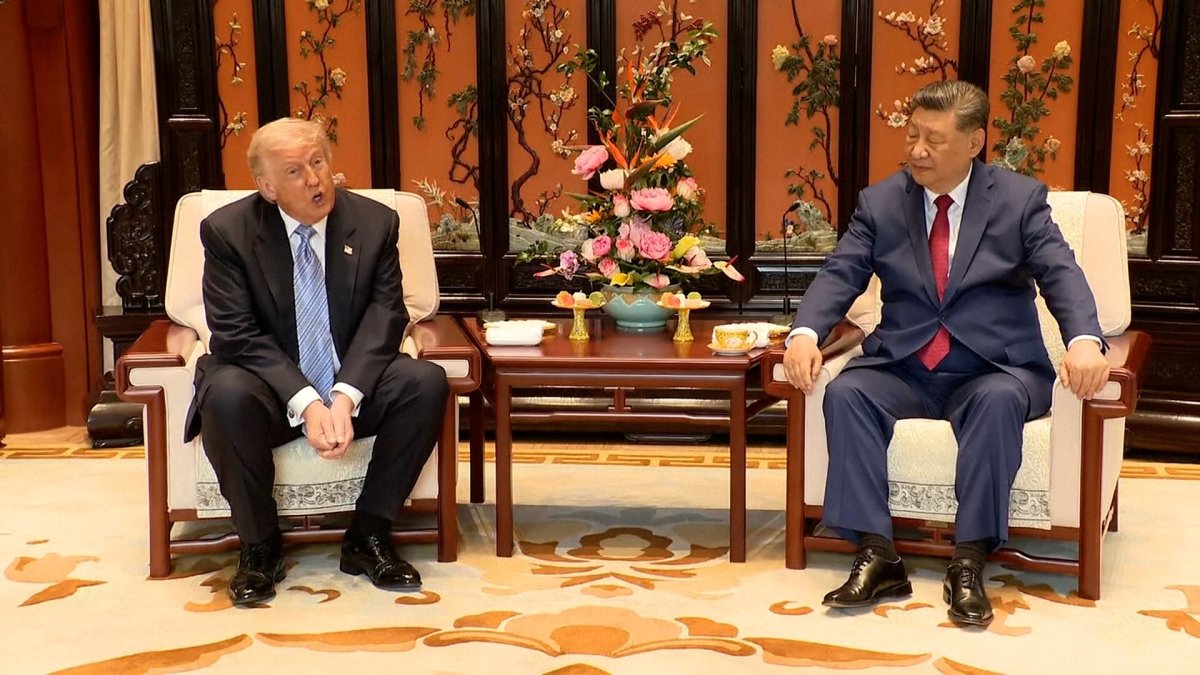
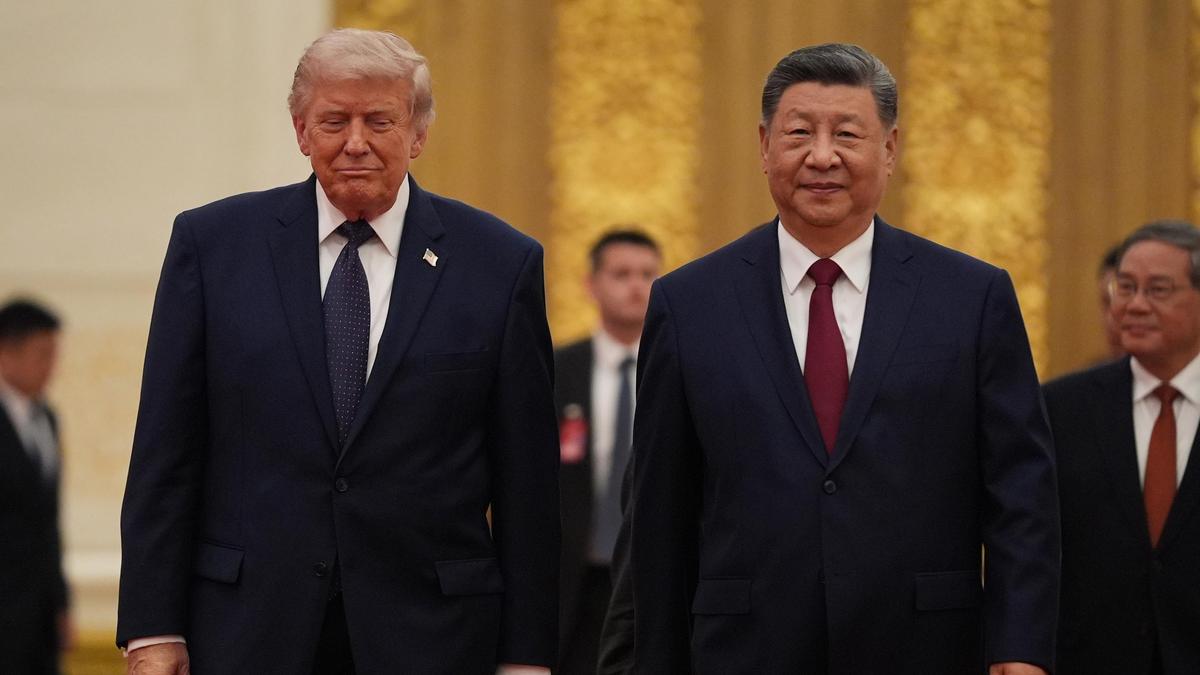
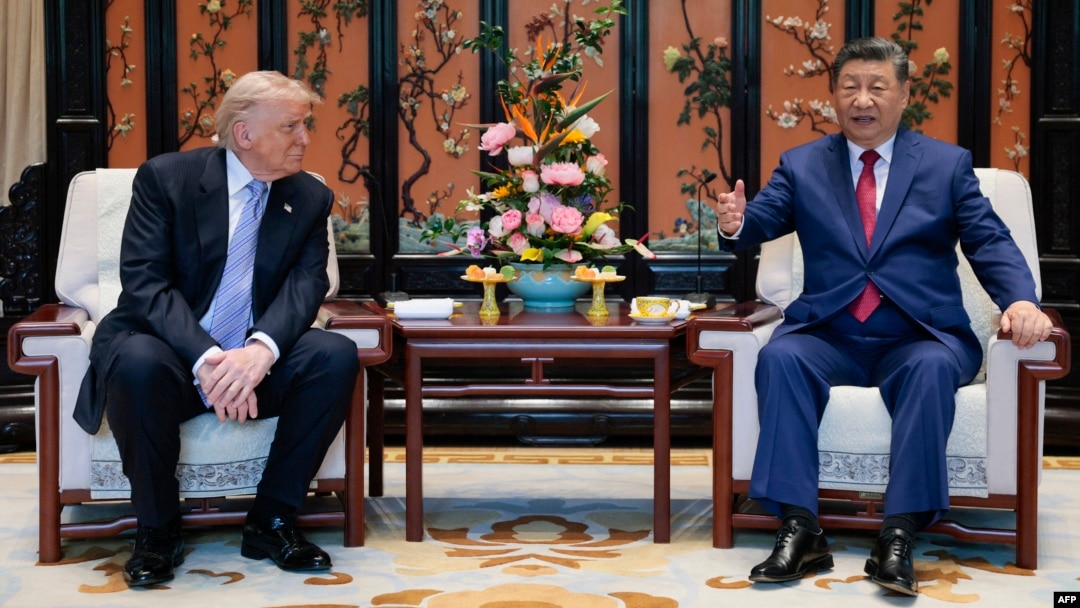
The convergence of U.S.-China diplomatic engagement and the Strait of Hormuz energy crisis creates a dual-impact scenario for cross-border e-commerce sellers: immediate cost pressures from oil price volatility ($109/barrel as of May 16, 2026) combined with emerging tariff reduction opportunities from normalized trade relations. The May 15-16, 2026 Trump-Xi summit in Beijing focused on expanding market access and reducing trade friction, with major U.S. company leaders participating in discussions about tariff structures, regulatory barriers, and trade facilitation. Simultaneously, the Iran conflict has blockaded the Strait of Hormuz—through which 20-21% of global petroleum and LNG flows—creating the largest oil supply crisis in history and directly inflating logistics costs for sellers.
For sellers sourcing from China, the immediate operational impact is severe: shipping costs are rising 15-25% due to elevated fuel surcharges, with air freight premiums climbing even higher. Sellers importing electronics, textiles, home goods, and consumer products from Chinese manufacturers face increased landed costs that compress margins by 8-12% unless prices are raised. The fragile Iran ceasefire (described as "on life support") means this cost environment could persist for 3-6 months, creating a critical window for supply chain optimization. Sellers should immediately audit their 3PL provider contracts for fuel surcharge clauses and consider shifting 20-30% of inventory to alternative sourcing countries (Vietnam, India, Indonesia) where tariff rates may improve under the emerging U.S.-China cooperation framework.
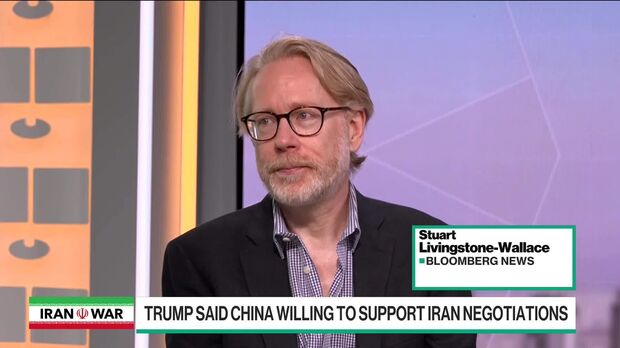
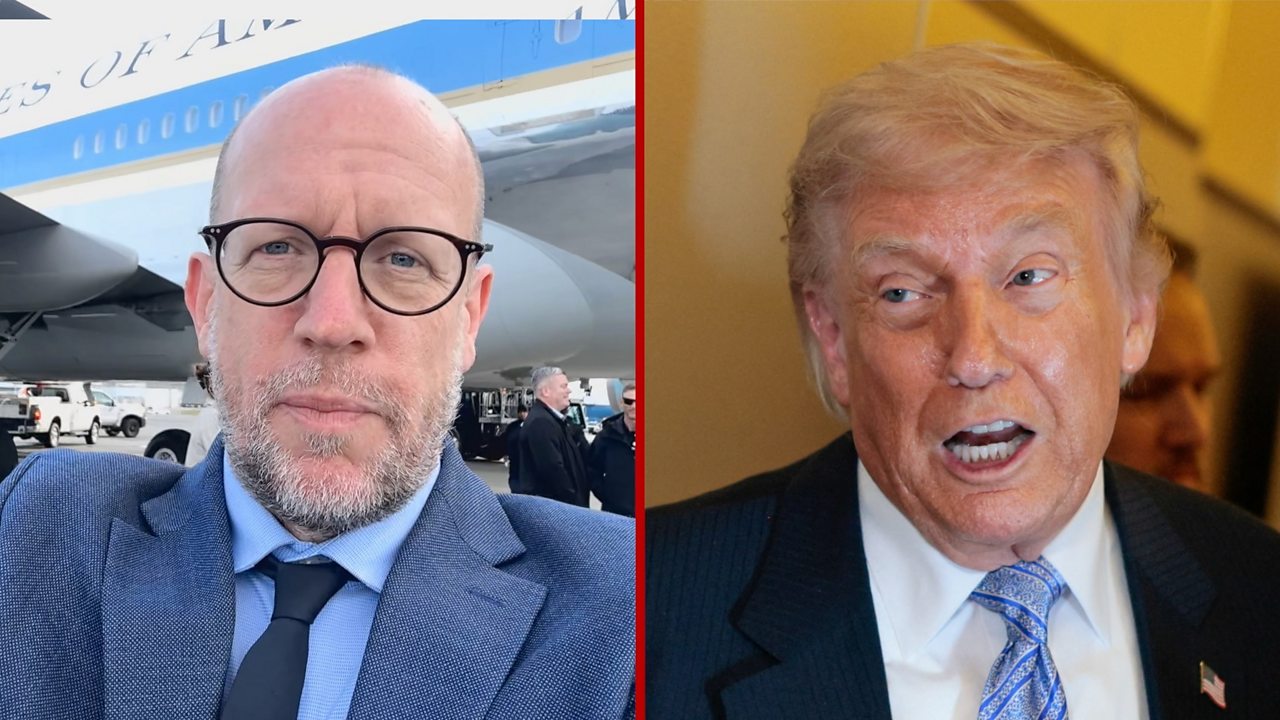
The strategic opportunity lies in the trade negotiation timeline: Trump requires Chinese assistance to reduce inflation before mid-term elections in six months, creating leverage for tariff reductions on specific product categories. Analysts predict limited military coordination on Iran but substantial U.S.-China cooperation on trade issues, with potential tariff exemptions or reductions on technology, manufacturing, and commerce sectors. Sellers in consumer electronics (HS codes 8471-8517), apparel (HS 6204-6206), and home goods (HS 9401-9406) should monitor official announcements for tariff rate changes. China's diversified Middle East relationships (Saudi Arabia, UAE) and strong renewable energy position mean Beijing is less dependent on Hormuz reopening than most nations, reducing urgency for Chinese intervention but increasing willingness to negotiate trade concessions with the U.S. to demonstrate cooperation value. The window for tariff arbitrage closes once negotiations formalize—sellers who position sourcing strategies now can capture 3-8% margin improvements through lower tariff rates before competitors adjust.
Questions 8
Which product categories benefit most from potential tariff reductions?
Consumer electronics (HS codes 8471-8517: computers, phones, accessories) typically see 5-15% tariff rates and would benefit significantly from reductions. Apparel and textiles (HS 6204-6206) currently face 16-32% tariffs and represent the largest opportunity for margin improvement. Home goods and furniture (HS 9401-9406) carry 0-5% tariffs but high shipping costs, making them sensitive to fuel surcharges. Toys and sporting goods (HS 9503-9506) face 0-10% tariffs. Sellers should prioritize inventory in electronics and apparel categories where tariff reductions could yield 3-8% margin improvements. Monitor USTR announcements for specific HS code inclusions in negotiated tariff reduction packages.
What is the timeline for policy changes affecting cross-border sellers?
The immediate timeline spans 6 months (May-November 2026) as Trump requires Chinese assistance to reduce inflation before mid-term elections. Tariff negotiation announcements could occur within 30-90 days, with implementation following 60-120 days later. The Iran ceasefire is fragile and could collapse, causing oil prices to spike further or stabilize depending on negotiation outcomes. Sellers should monitor official announcements from USTR, the White House, and Chinese Ministry of Commerce weekly. Key decision points: (1) June 2026 for initial tariff framework announcements, (2) July-August for formal agreement details, (3) September-October for implementation deadlines. Delay in supply chain adjustments beyond June risks missing the tariff arbitrage window.