



Strait of Hormuz Shipping Crisis Drives 8-15% Logistics Cost Surge for Cross-Border Sellers
- Iran-US tensions disrupt 20% of global oil flow; sellers face extended transit times, elevated insurance premiums, and supply chain rerouting through UAE pipeline alternatives by 2026







)








)







Overview
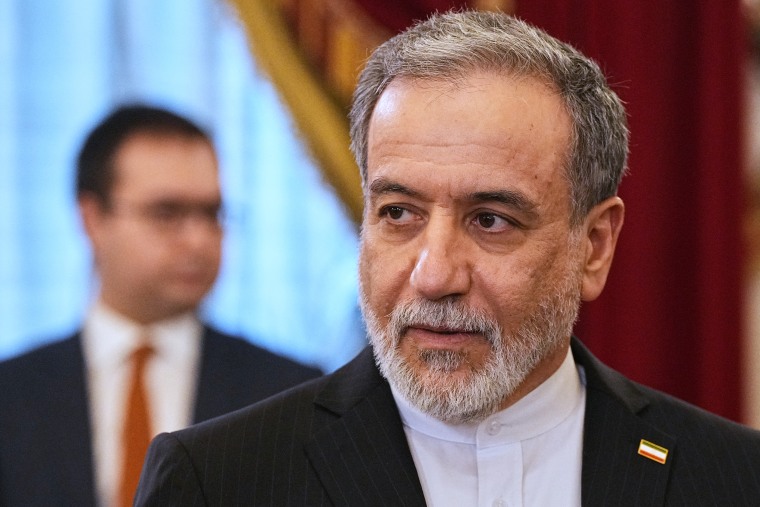
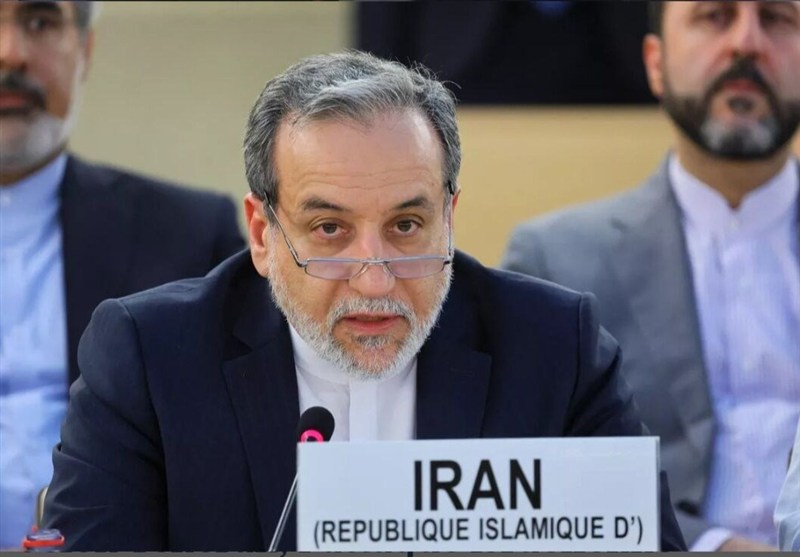
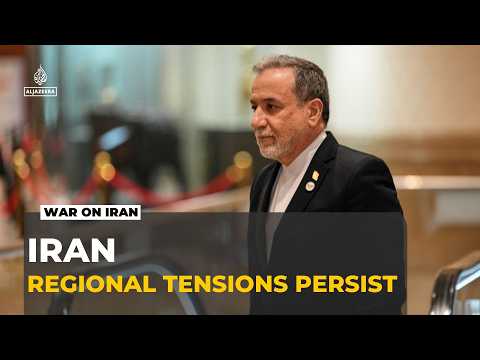
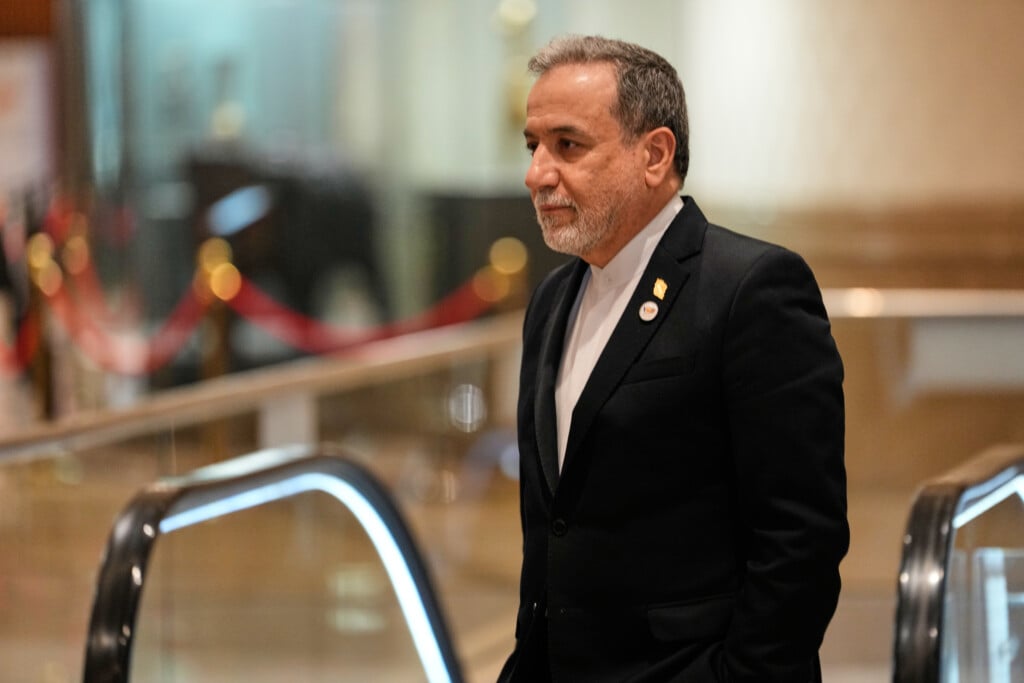
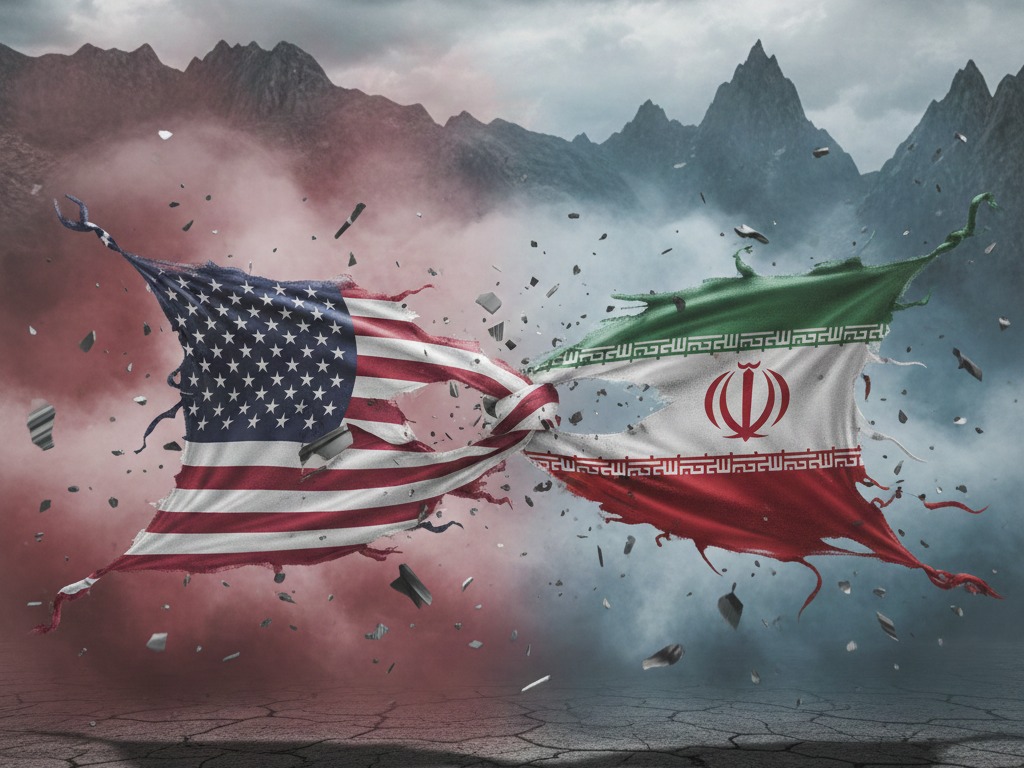
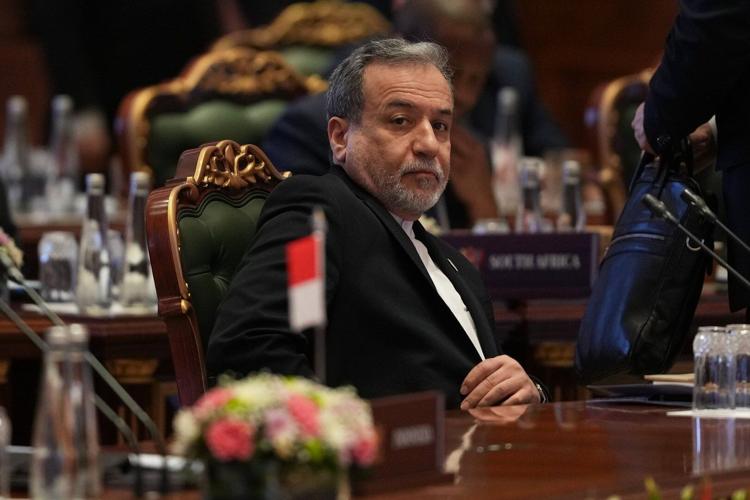
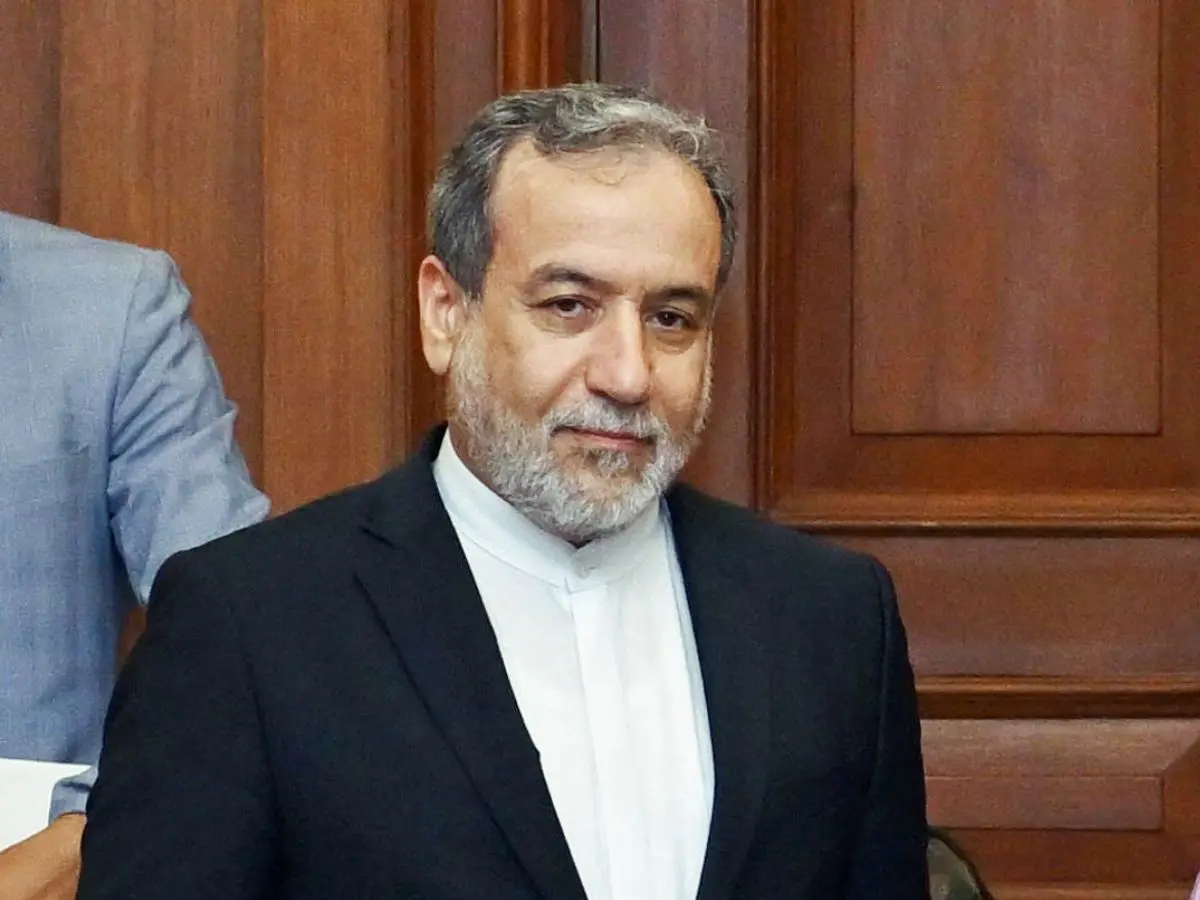
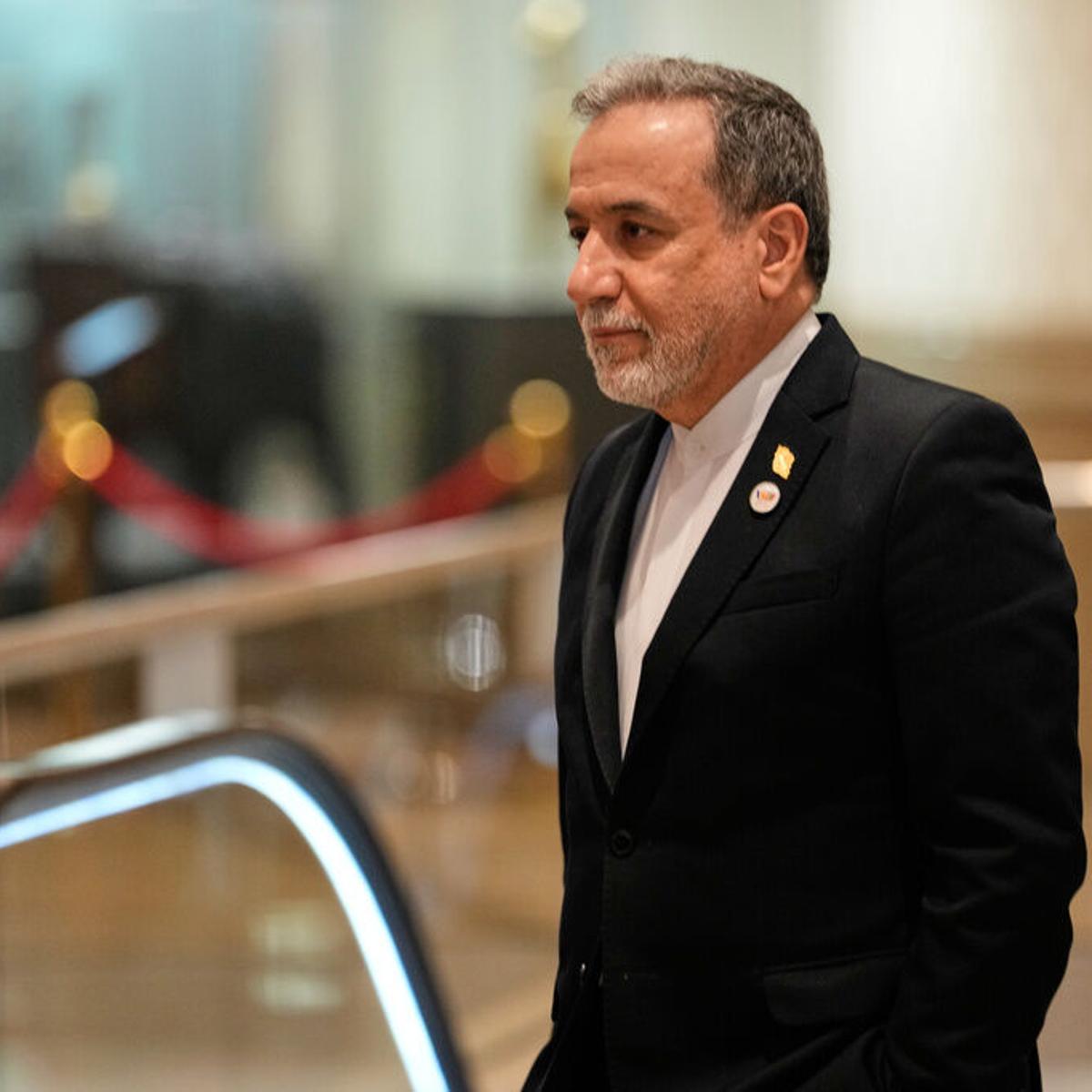
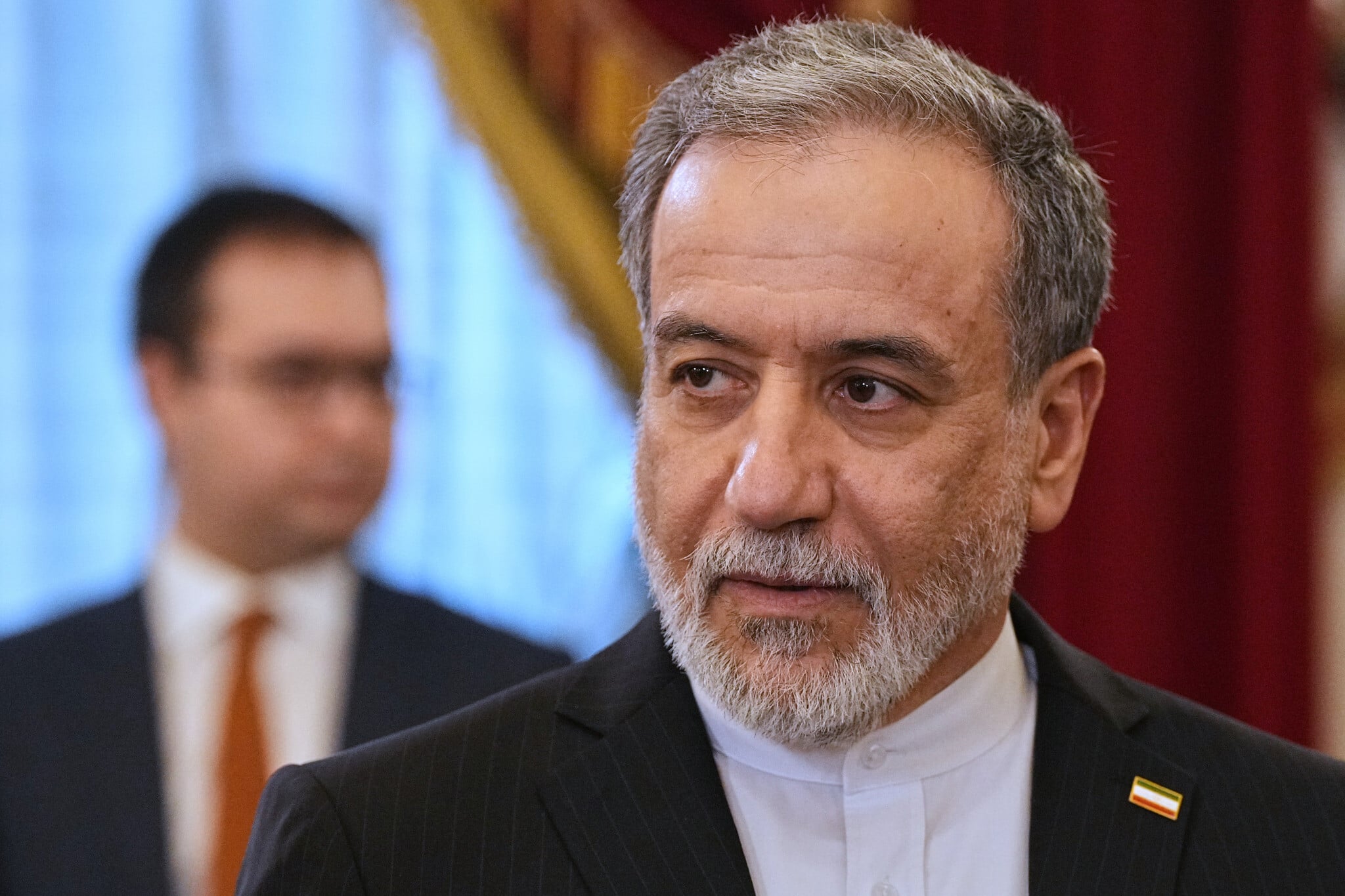
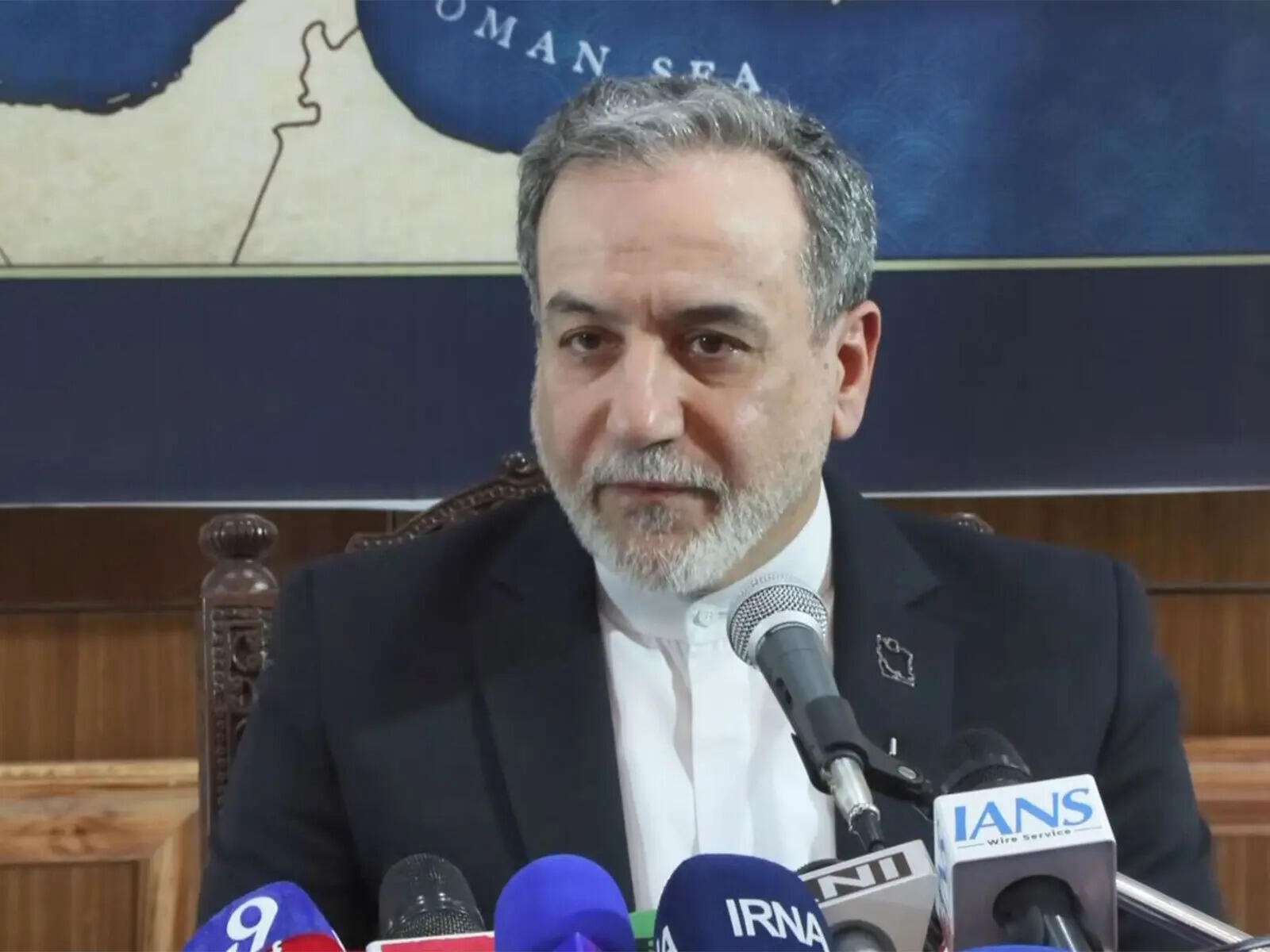
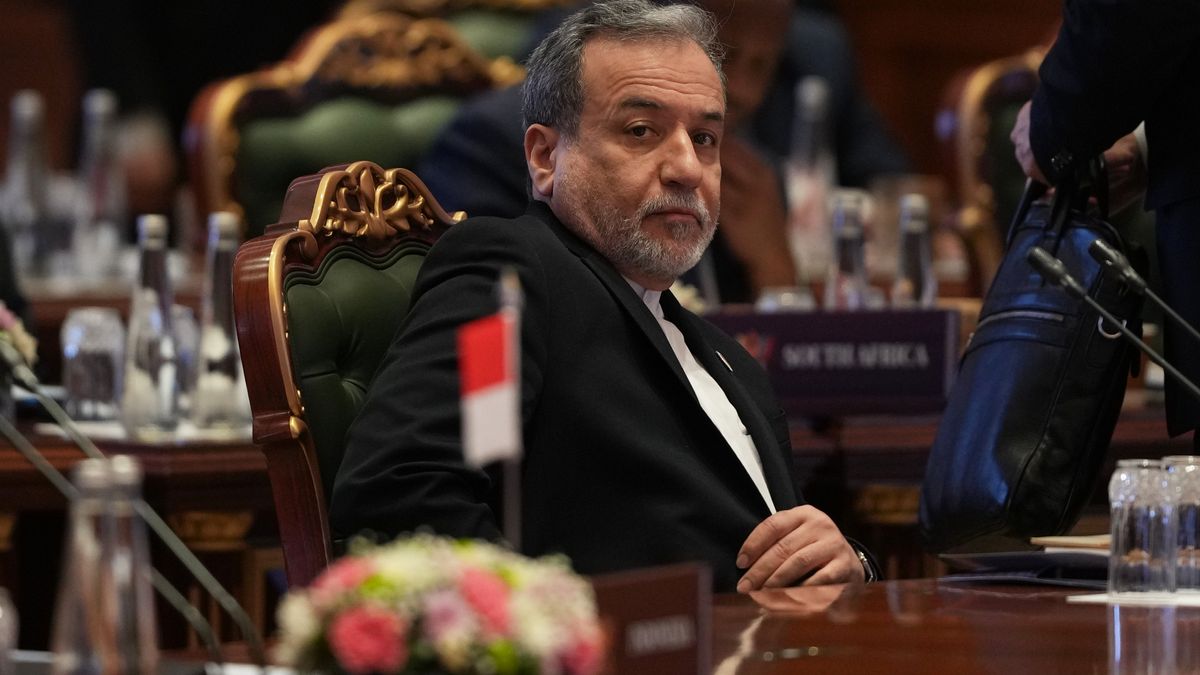
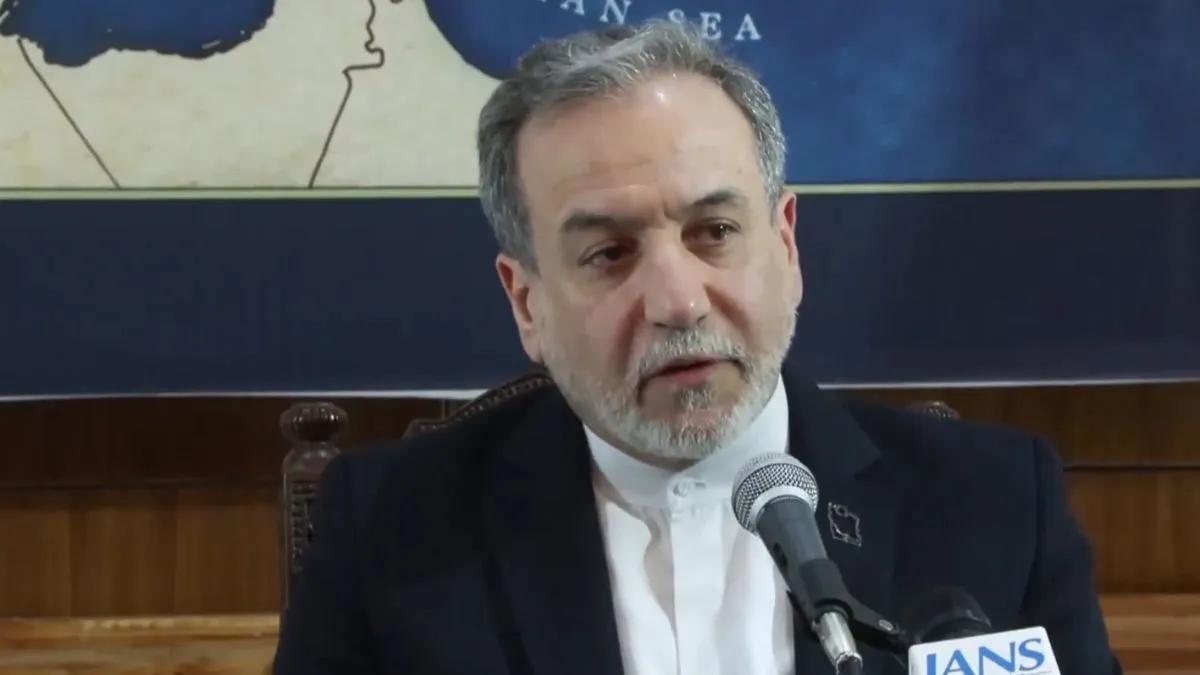
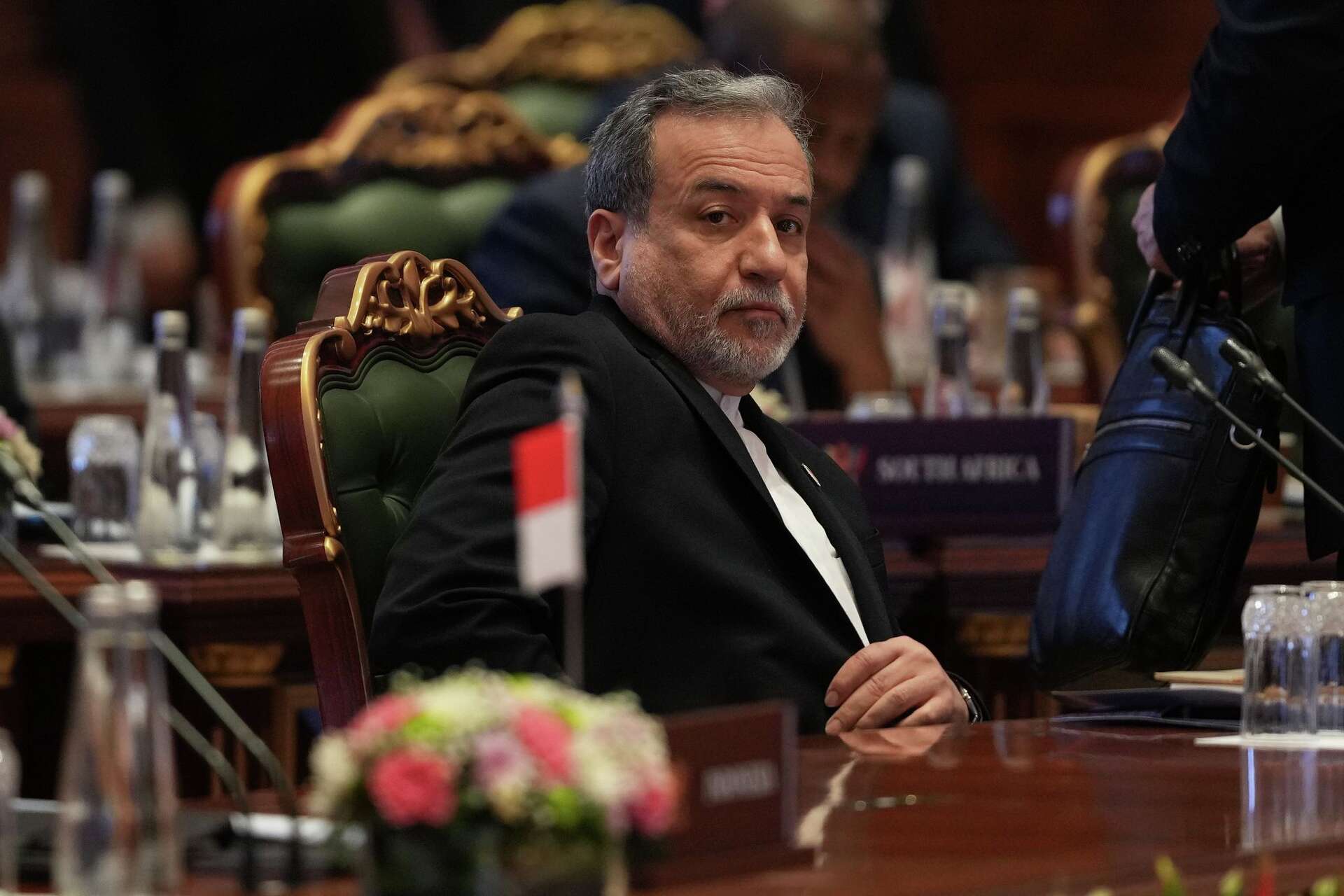
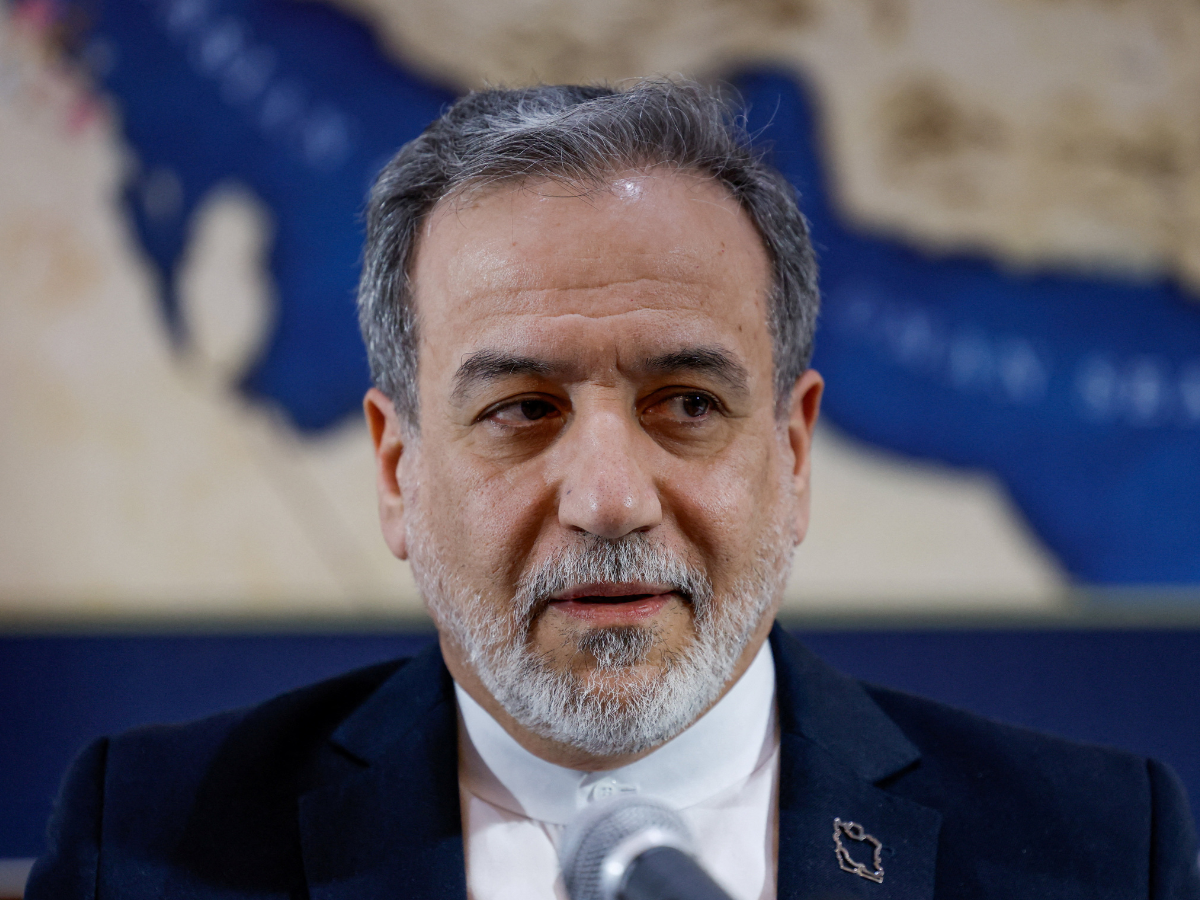
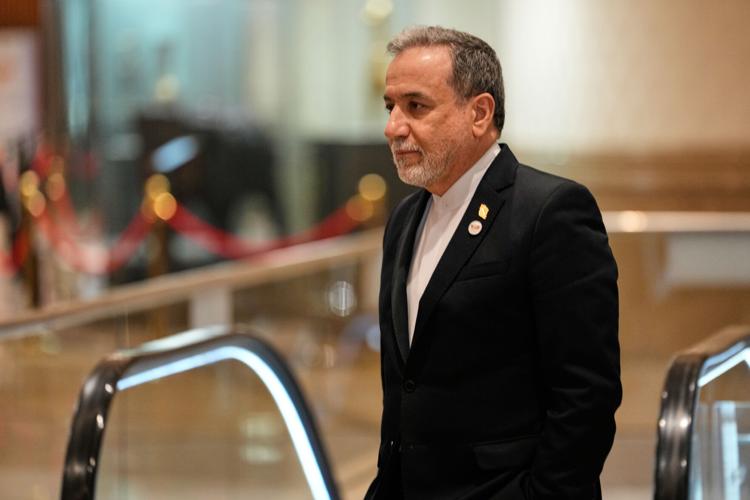
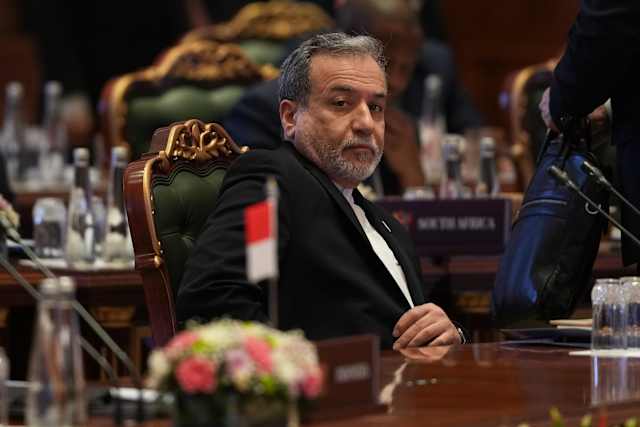
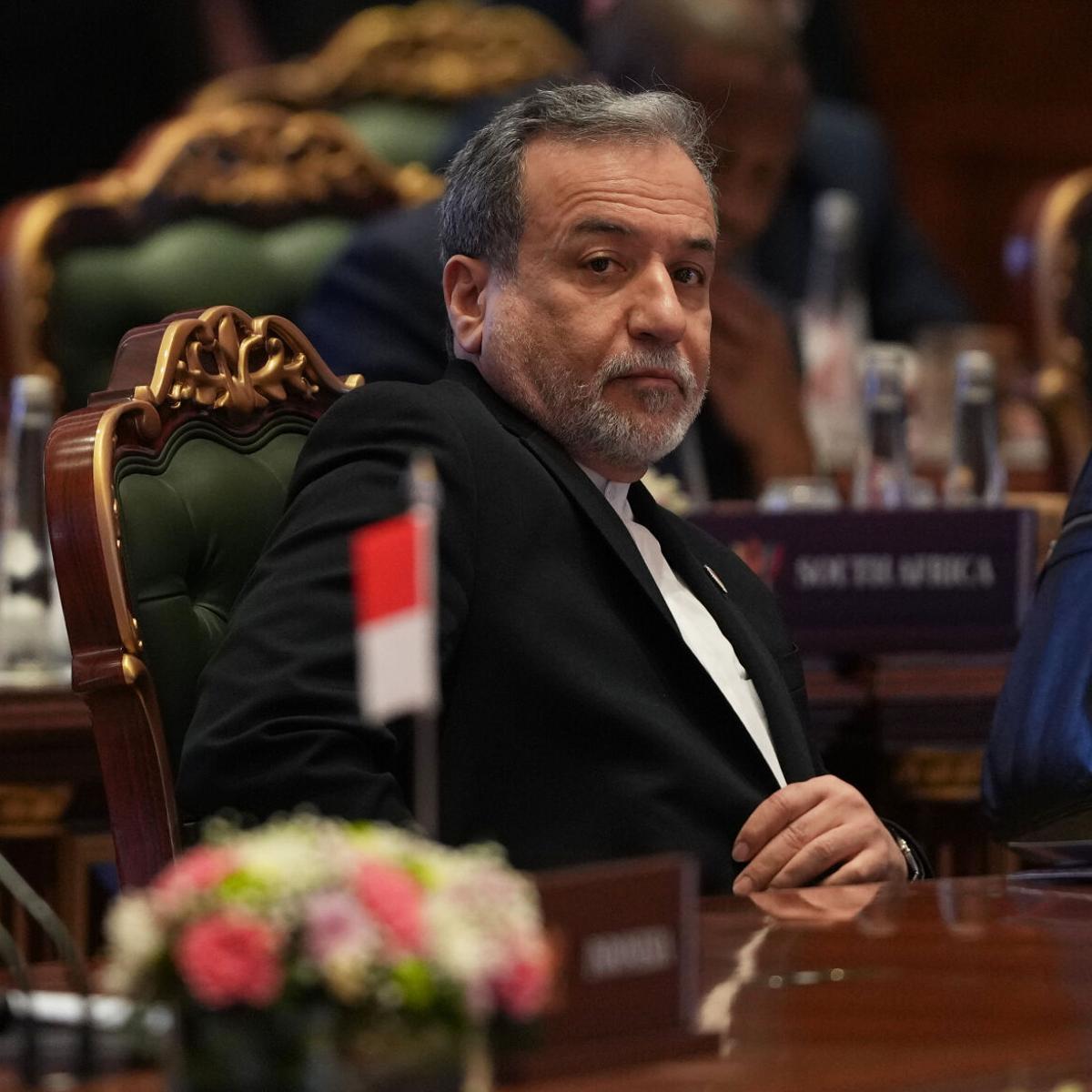
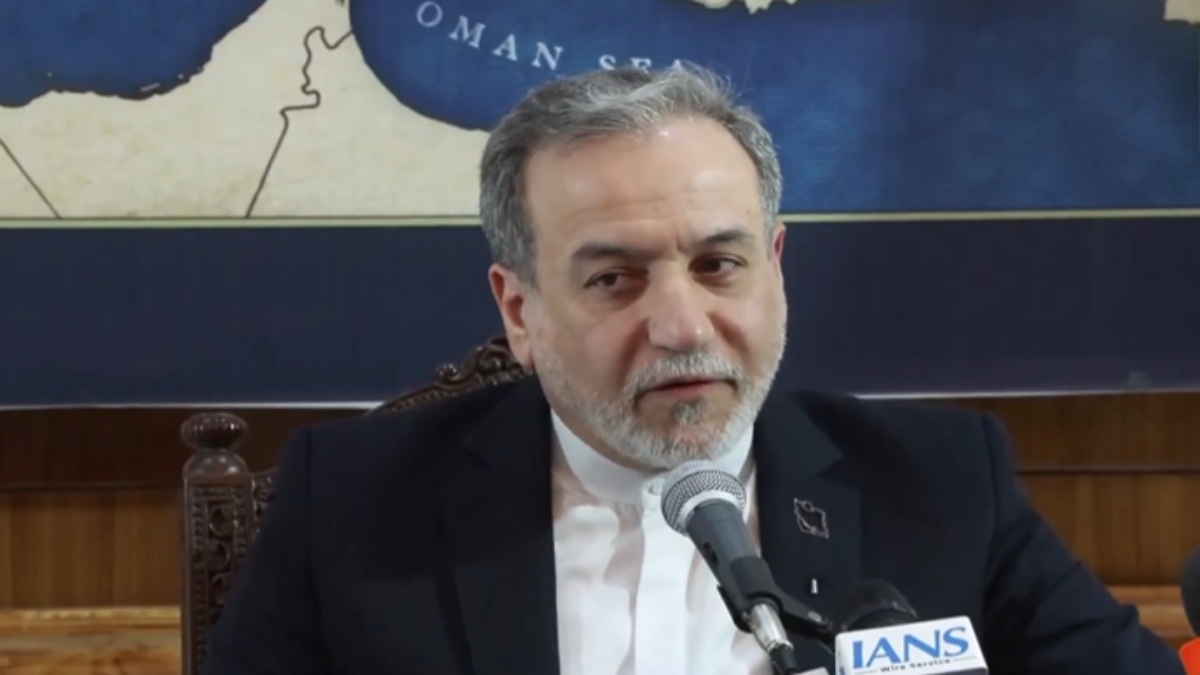
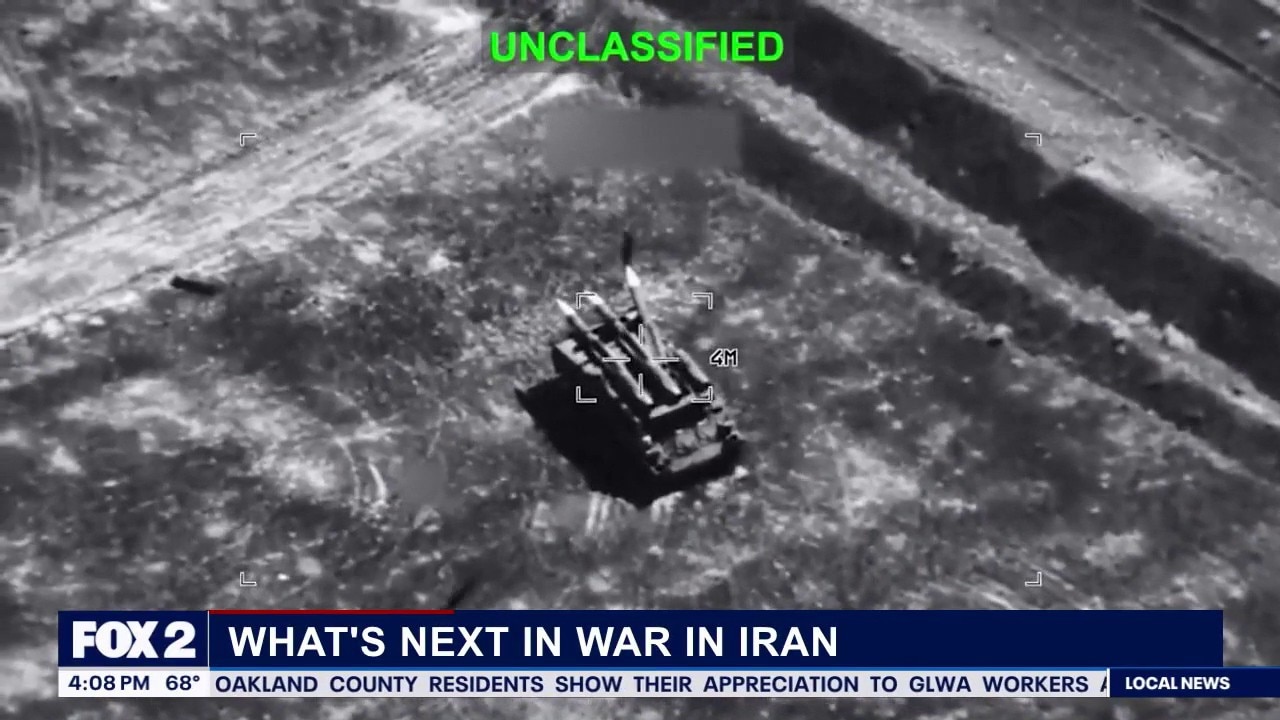
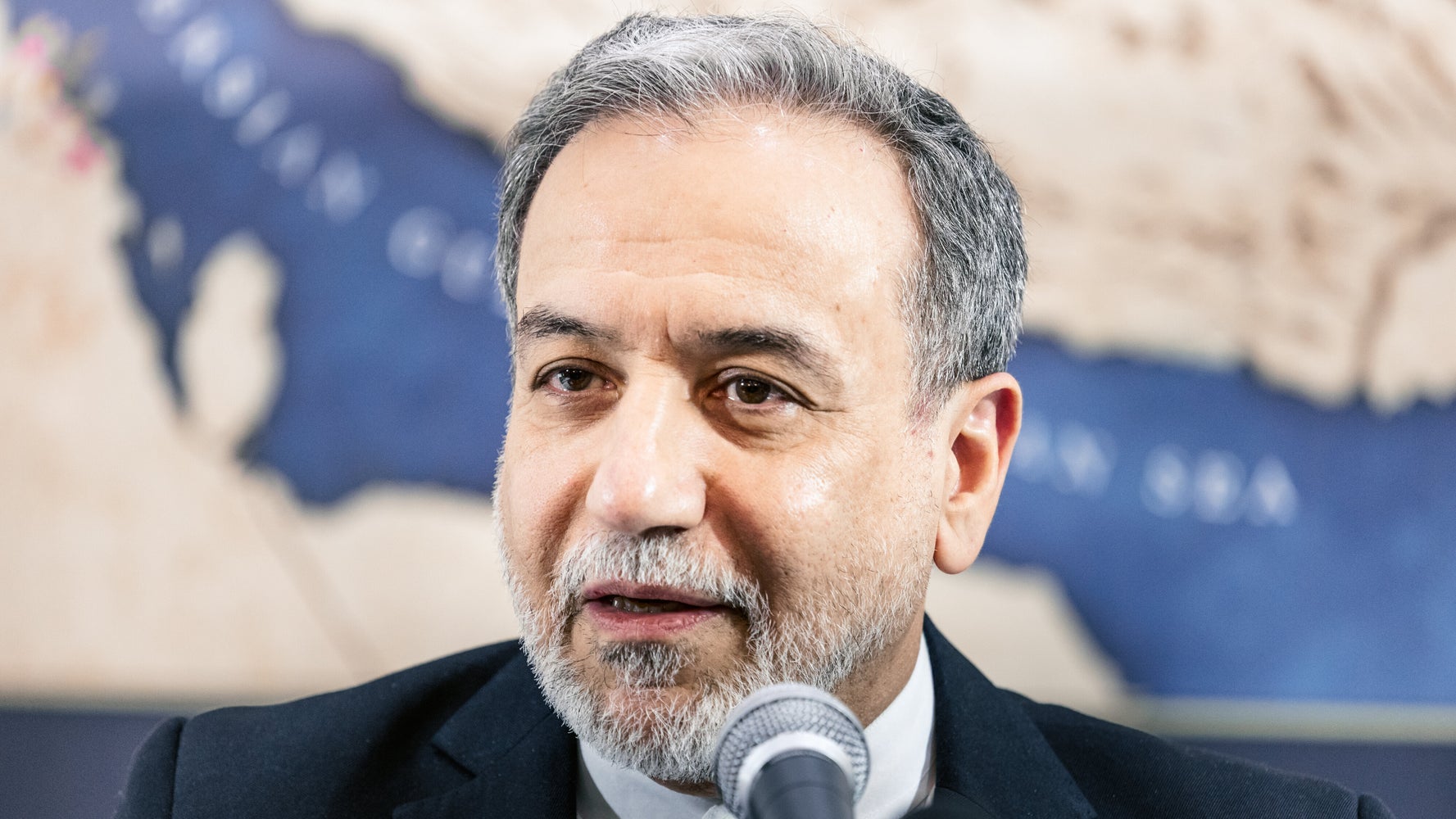
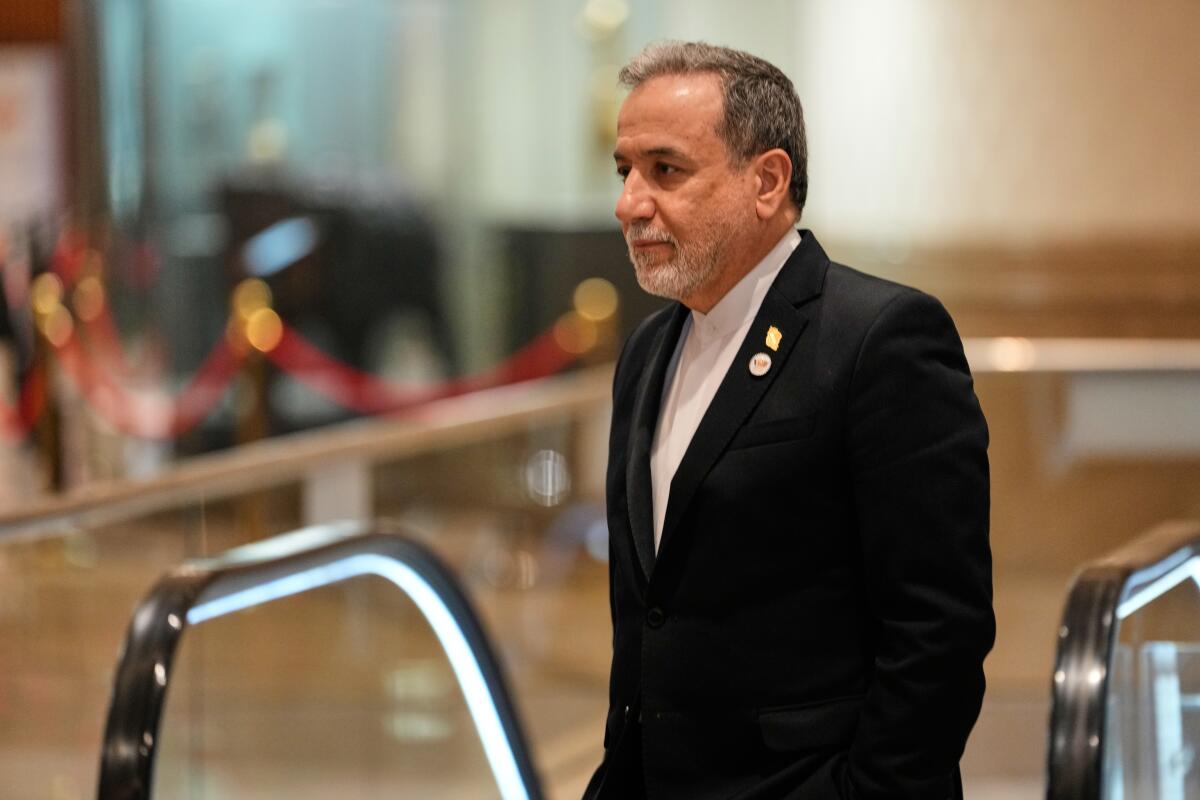
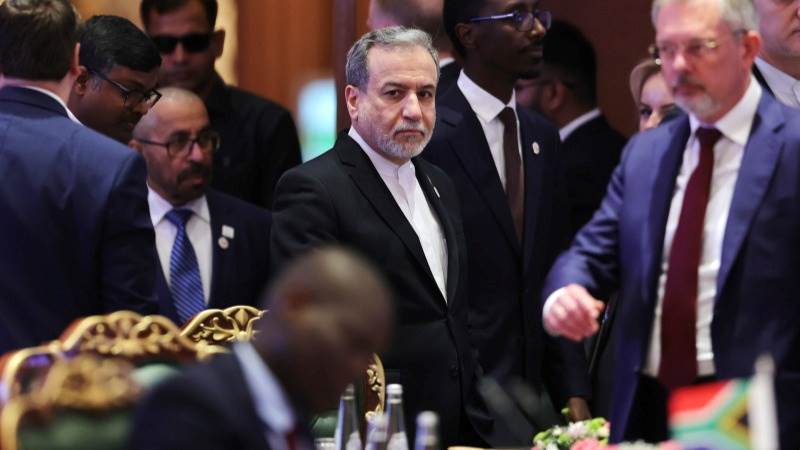
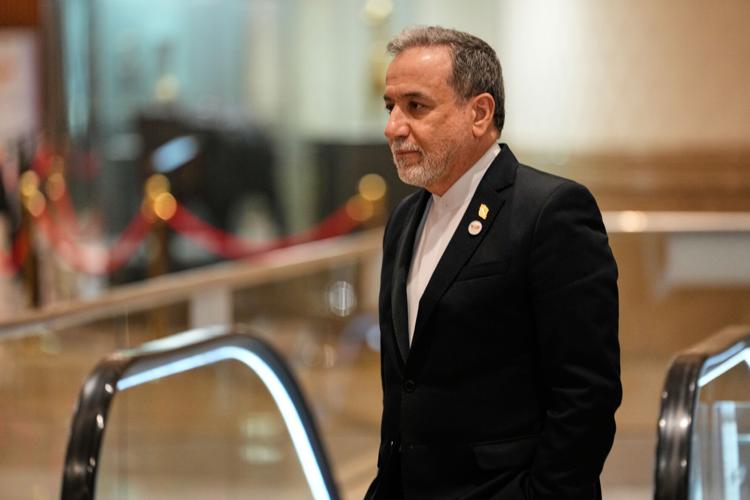
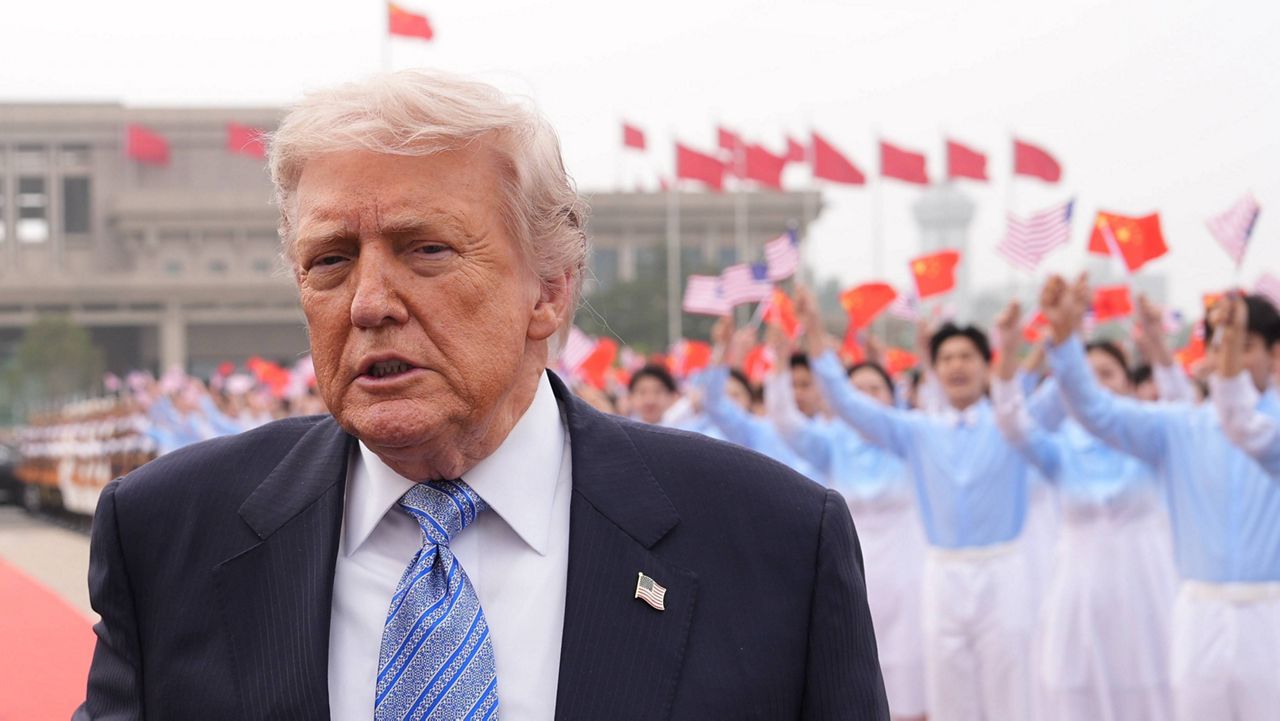
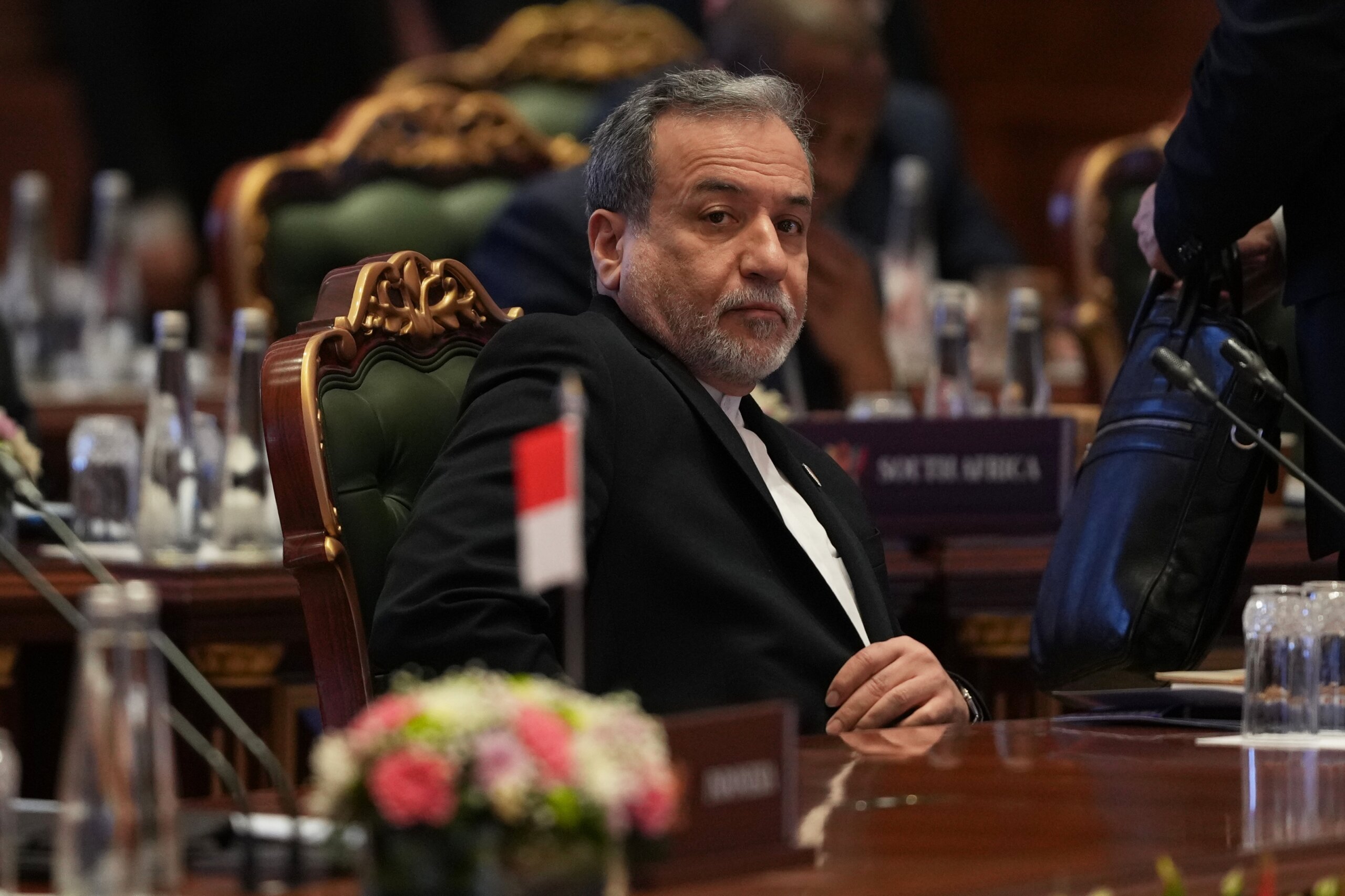
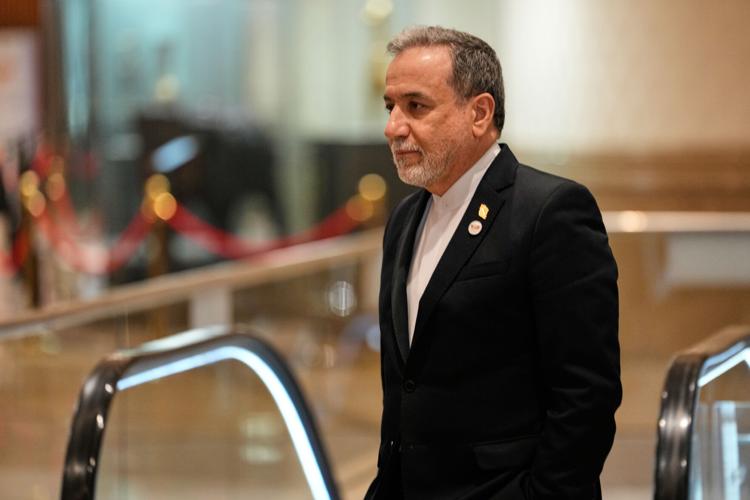
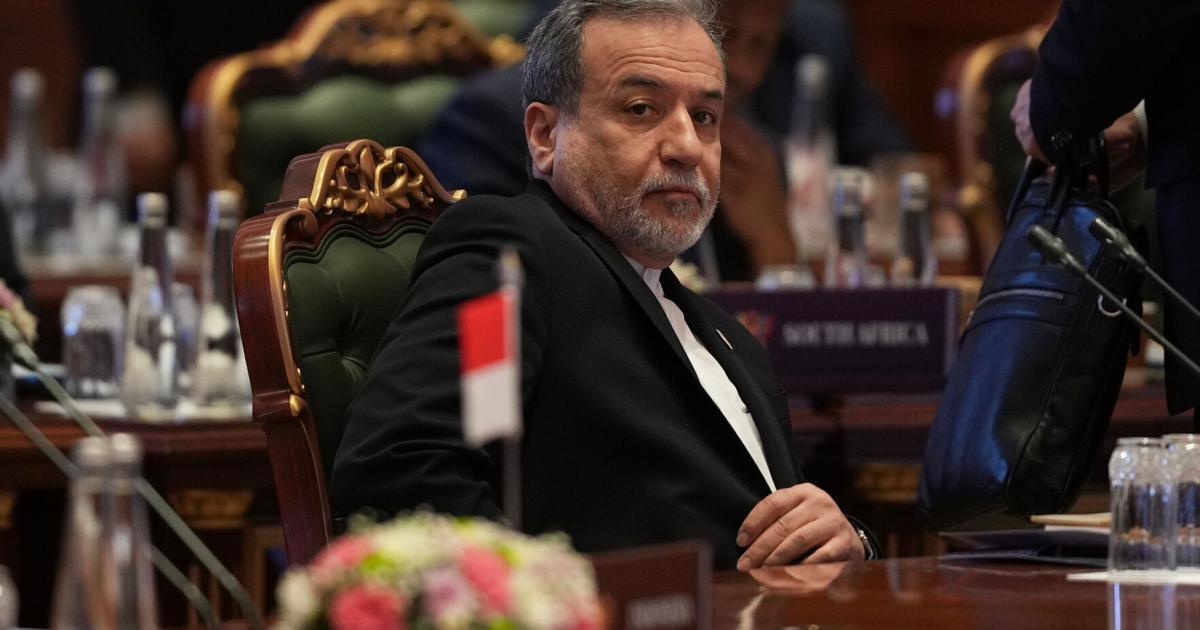
The Strait of Hormuz closure represents a critical logistics crisis for cross-border e-commerce sellers, with approximately 20% of global oil transiting this waterway now disrupted by Iran-US military tensions. As of May 2026, the geopolitical standoff between Iran's Foreign Minister Abbas Araghchi (expressing distrust of US negotiations) and President Trump's assertion of US control over the strait has created immediate operational challenges affecting shipping costs, delivery timelines, and supply chain routing for sellers dependent on Asia-Europe trade corridors.
Immediate Cost Impact for Sellers: The disruption directly increases logistics expenses through three mechanisms. First, elevated oil prices from supply uncertainty drive fuel surcharges on international shipping—sellers shipping 1,000+ units monthly via ocean freight can expect 8-12% cost increases ($200-400 monthly per shipment). Second, maritime insurance premiums have risen 15-25% for vessels transiting the Gulf of Oman and Persian Gulf due to heightened security risks and vessel seizure incidents (including the Chinese vessel Hui Chuan seized by Iranian authorities for documentation inspection). Third, sellers are forced to reroute shipments through longer alternative corridors, adding 7-14 days to transit times and requiring expedited air freight alternatives at 3-5x ocean freight costs.
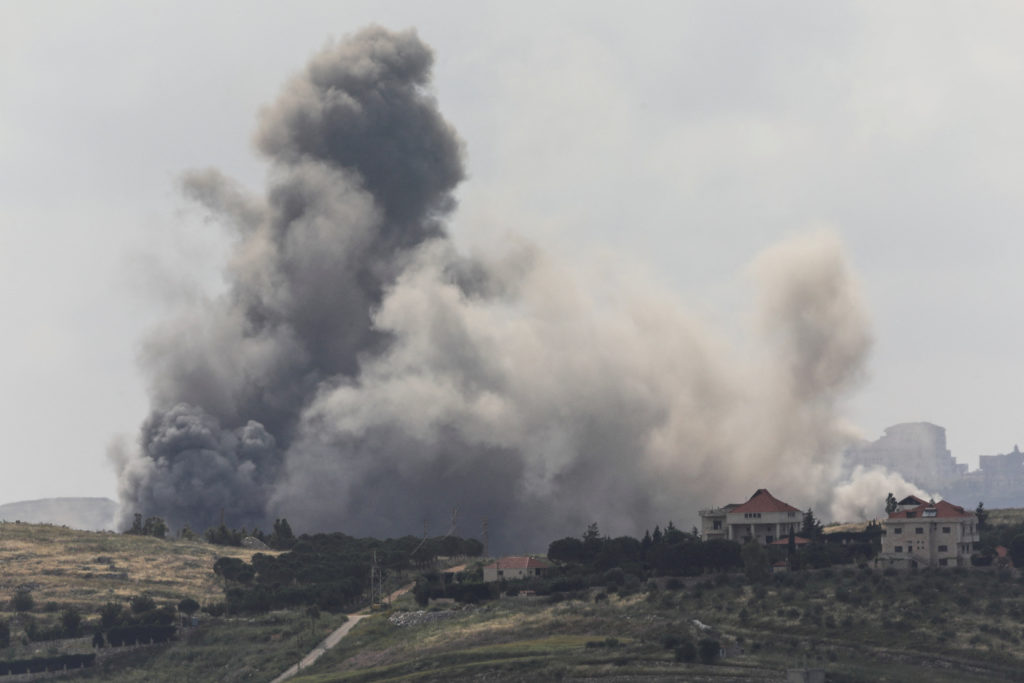
Strategic Sourcing Shifts and Market Opportunities: The crisis accelerates a critical sourcing transition away from Middle Eastern supply chains. China's leverage over Iran (purchasing 90% of Iranian oil exports) positions Beijing as a diplomatic mediator, but more importantly, the UAE's accelerated pipeline construction—expected to double export capacity through Fujairah port to 3 million barrels daily by 2026—creates new logistics hubs. Sellers should evaluate rerouting through UAE-based 3PL providers and Fujairah ports as alternative gateways. The 45-day ceasefire extension between Israel and Lebanon (with negotiations scheduled June 2-3) provides a narrow window for supply chain adjustments before potential escalation. Additionally, the stock market decline (S&P 500 down 1.1%, Nasdaq down 1.4% on May 15, 2026) signals consumer spending volatility—sellers should expect 5-8% demand compression in discretionary categories while essential goods maintain resilience.
Competitive Advantage for Agile Sellers: Small and medium-sized sellers (SMBs) with flexible sourcing can exploit this crisis by shifting 20-30% of inventory to Vietnam, India, or Southeast Asian suppliers, avoiding Middle Eastern supply chain exposure. Large sellers with established 3PL networks in UAE and Singapore gain competitive advantages through diversified logistics. The Pakistan government's role as a neutral facilitator (repatriating 31 nationals from US-seized vessels) suggests Pakistan-based logistics providers may offer lower-risk alternatives. Sellers should monitor the June 2-3 Israel-Lebanon negotiations closely—any escalation could trigger additional Strait of Hormuz closures, making pre-positioning inventory in regional fulfillment centers critical.
Questions 8
How does China's leverage over Iran affect my supply chain?
China purchases 90% of Iranian oil exports, positioning Beijing as a key diplomatic mediator in US-Iran negotiations. This leverage could stabilize oil markets if China negotiates a resolution, potentially reducing fuel surcharges by 5-10%. However, it also means China has incentive to maintain current tensions to preserve its negotiating position. Sellers sourcing from China should monitor US-China trade relations closely, as any US-China tensions could compound Strait of Hormuz disruptions. The Trump administration's rejection of Chinese mediation (stating 'we don't need external assistance') suggests US-China cooperation is unlikely, making independent supply chain diversification critical for sellers.
What compliance risks should I monitor for vessel seizures?
The news reports vessel seizures by Iranian authorities (Chinese vessel Hui Chuan) and US forces (31 individuals repatriated from US-seized vessels). Sellers shipping through the Persian Gulf face documentation inspection risks and potential cargo delays. Ensure all shipping documentation is complete and compliant with both US and Iranian regulations. Work with experienced freight forwarders familiar with current geopolitical restrictions. Pakistan's coordination in repatriating seized vessel personnel suggests Pakistan-based logistics providers understand current compliance requirements. Avoid routing through high-risk zones (southern Lebanon, Iranian territorial waters) and use established shipping corridors with insurance coverage for geopolitical events.