
U.S.-China Tariff Cuts on $30B Products | Seller Sourcing Costs Drop, Supply Chain Uncertainty Remains
- $30 billion tariff reduction window opens for cross-border sellers; Boeing's 200-750 aircraft order signals supply chain normalization but vague commitments create execution risk through summer 2026










Overview
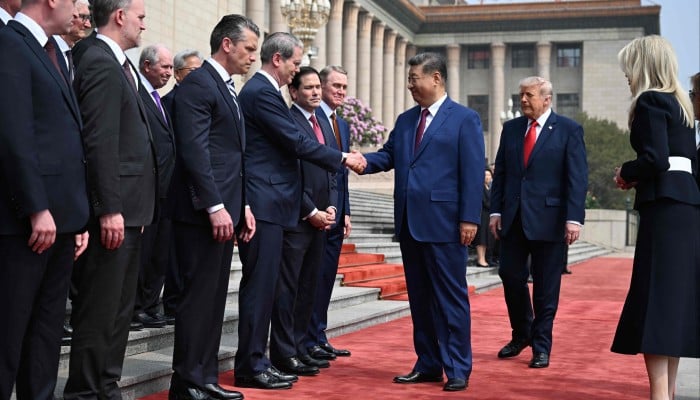
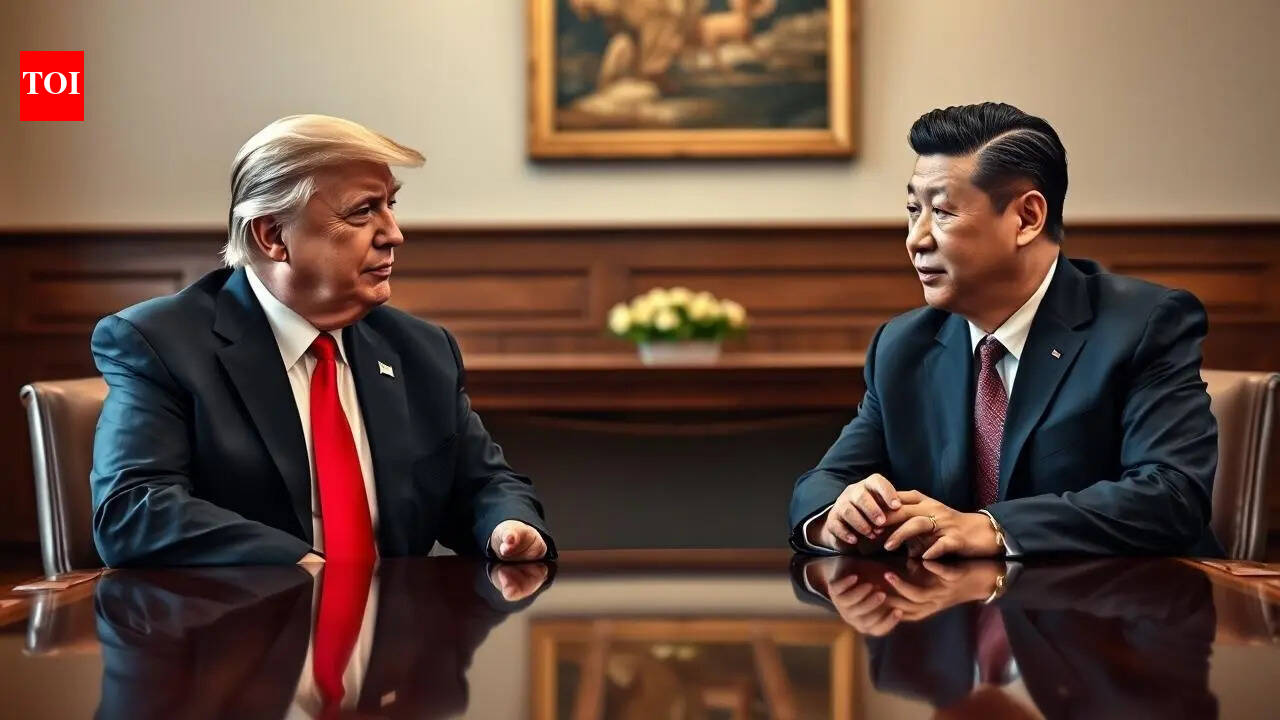
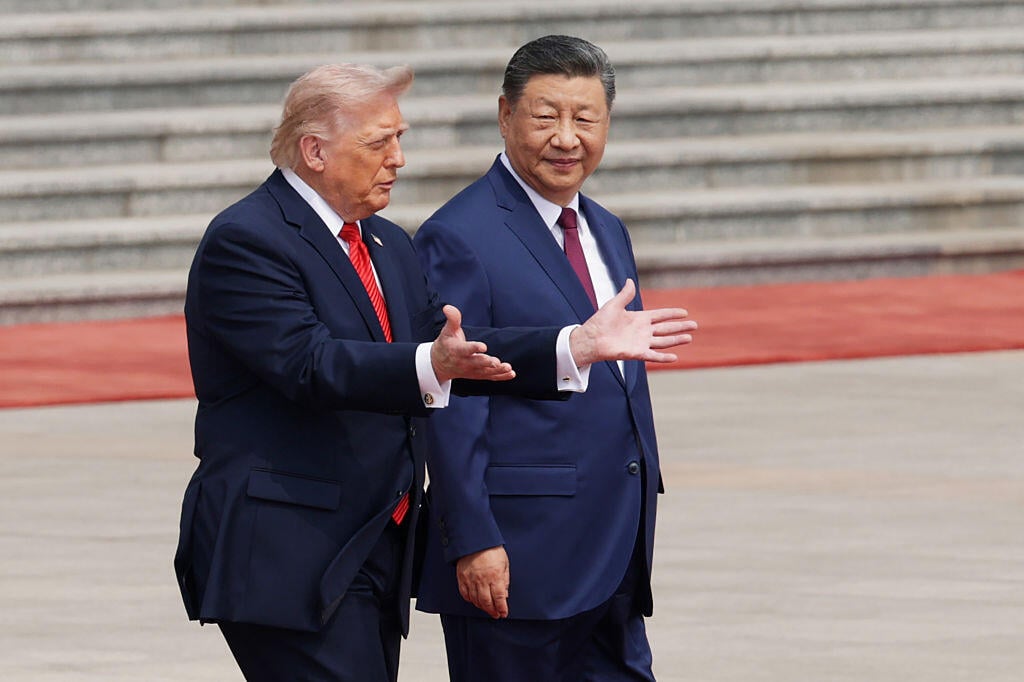
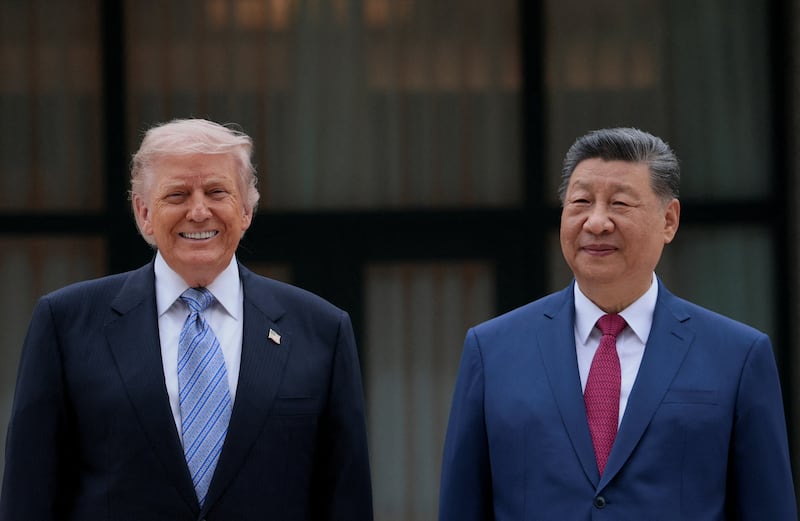
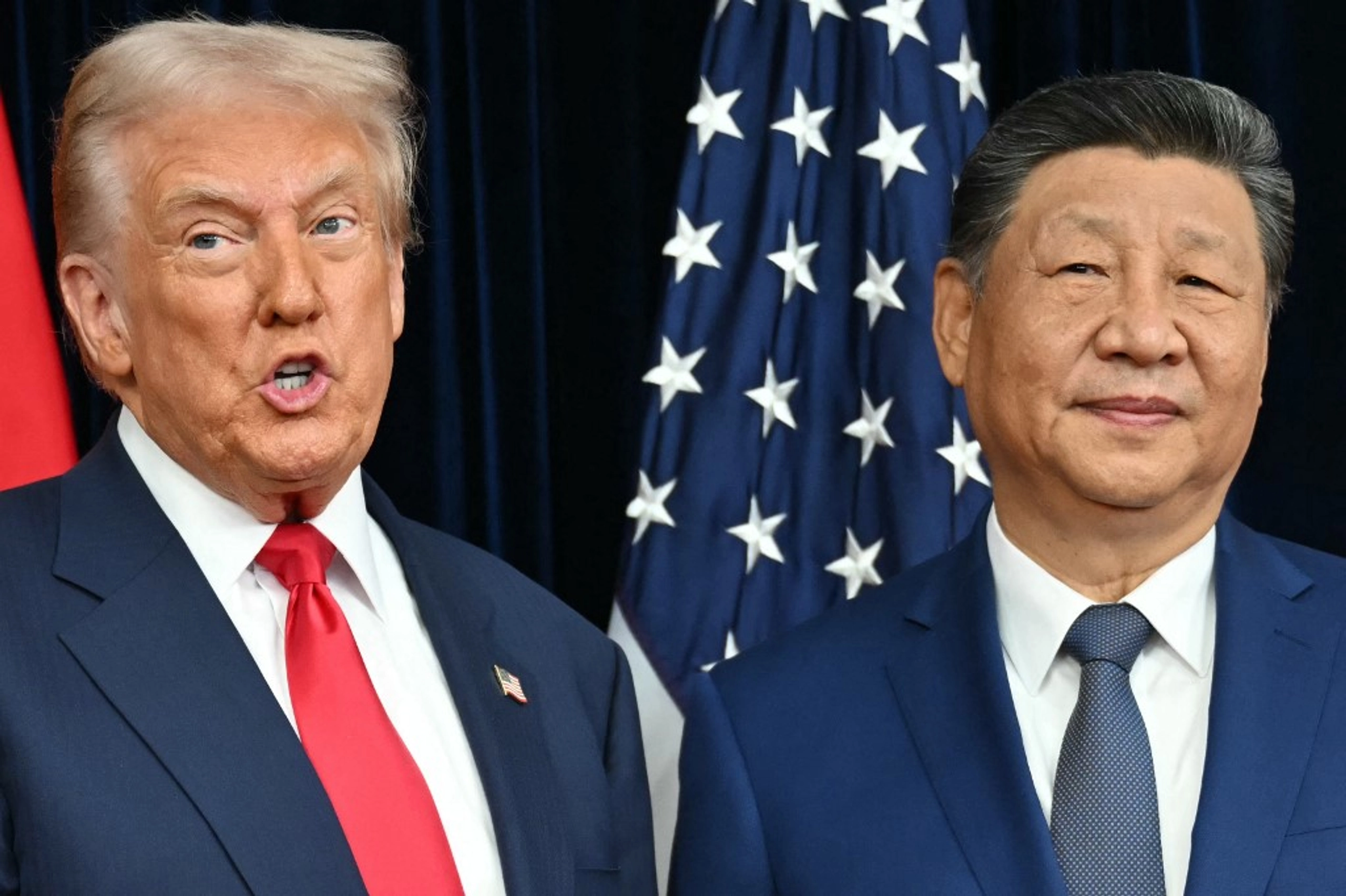
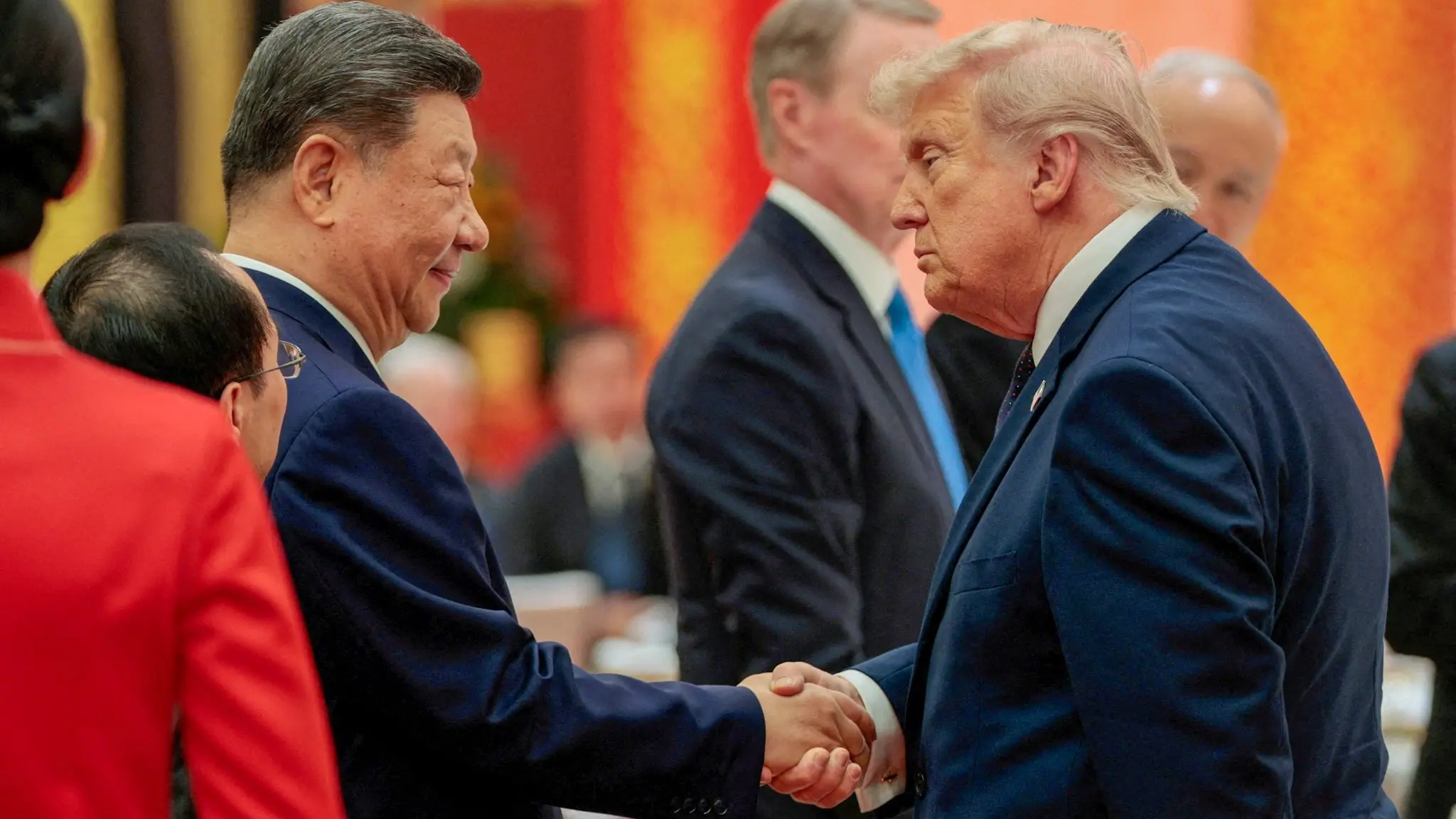
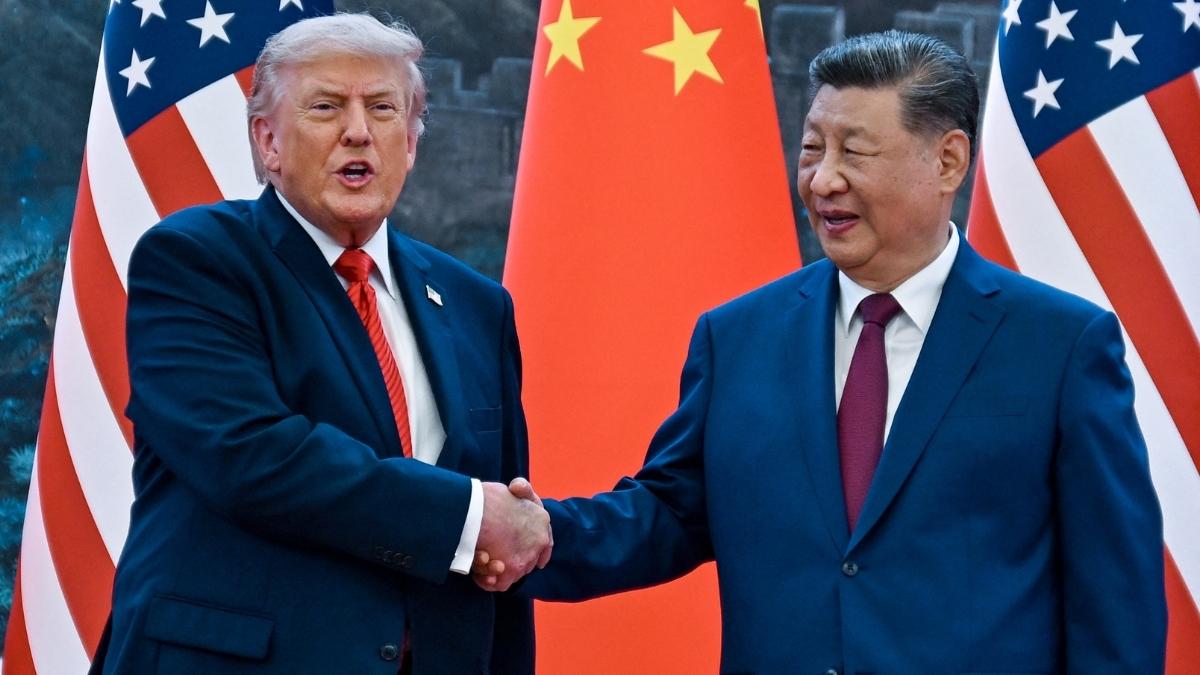
The May 15, 2026 Trump-Xi Beijing summit represents a critical inflection point for cross-border e-commerce sellers navigating U.S.-China trade dynamics. The establishment of a new Board of Trade and tariff reductions on approximately $30 billion in products create immediate cost-reduction opportunities for sellers sourcing from China or exporting American goods to Chinese markets. U.S. Trade Representative Jamieson Greer confirmed expanded agricultural purchases beyond the existing 25 million metric tons annual soybean agreement, plus renewed beef export licenses—signaling broader market access normalization.
For sourcing-dependent sellers, the tariff arbitrage opportunity is substantial but time-sensitive. The $30 billion tariff reduction window directly impacts high-volume categories: electronics components, consumer goods, textiles, and industrial supplies. Sellers currently importing from China can expect 5-15% cost reductions on affected HS codes, translating to $50-300 monthly savings for mid-sized operations (500-2,000 unit monthly volume). However, the vague commitment details—Chinese officials declined to confirm specific purchase quantities, with Foreign Ministry spokesman Guo Jiakun stating only willingness to "implement consensus"—create execution uncertainty. The administration simultaneously launched two trade investigations expected to produce new tariffs on China and other nations by summer, creating a compressed window for sellers to lock in current pricing before potential countervailing duties.
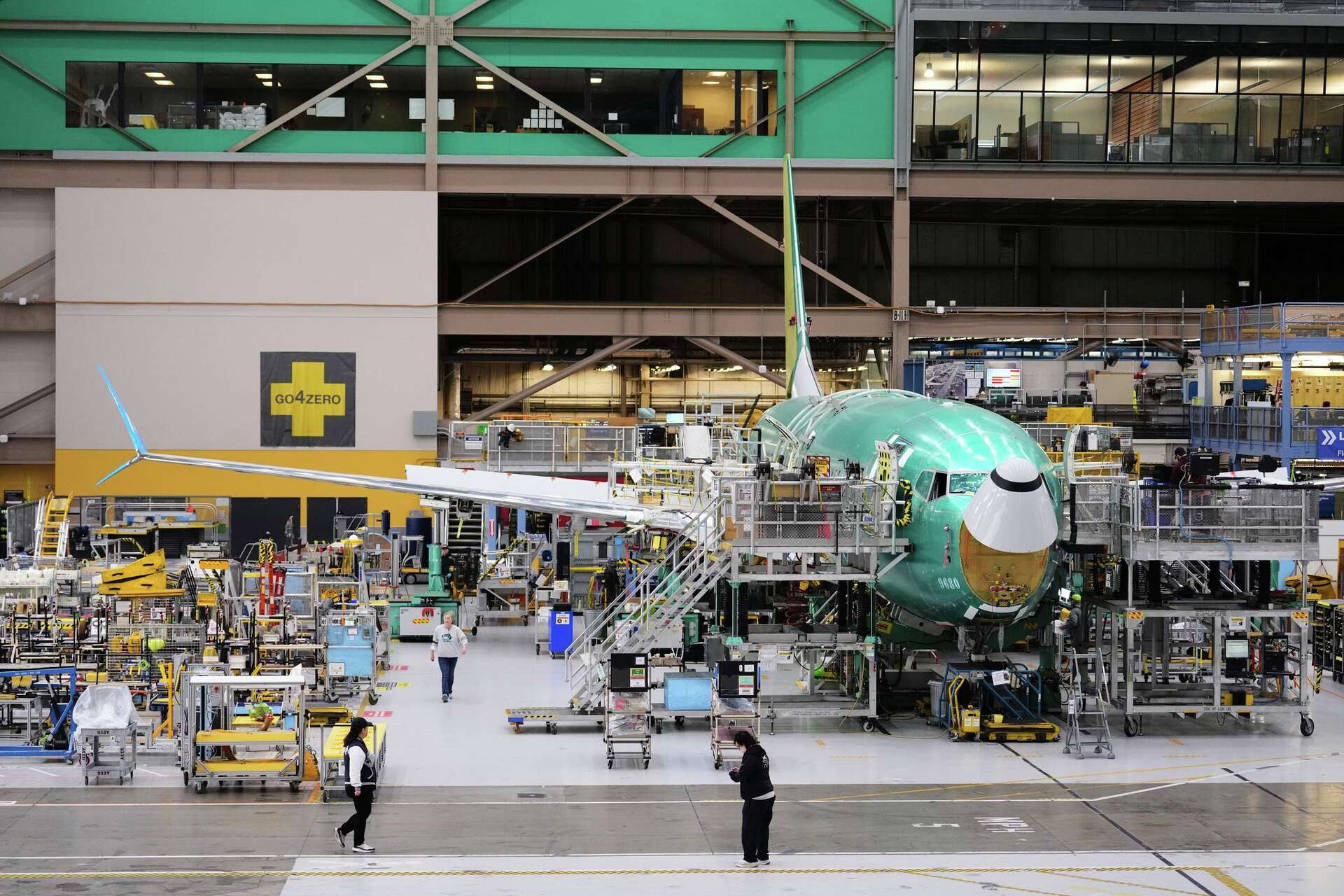
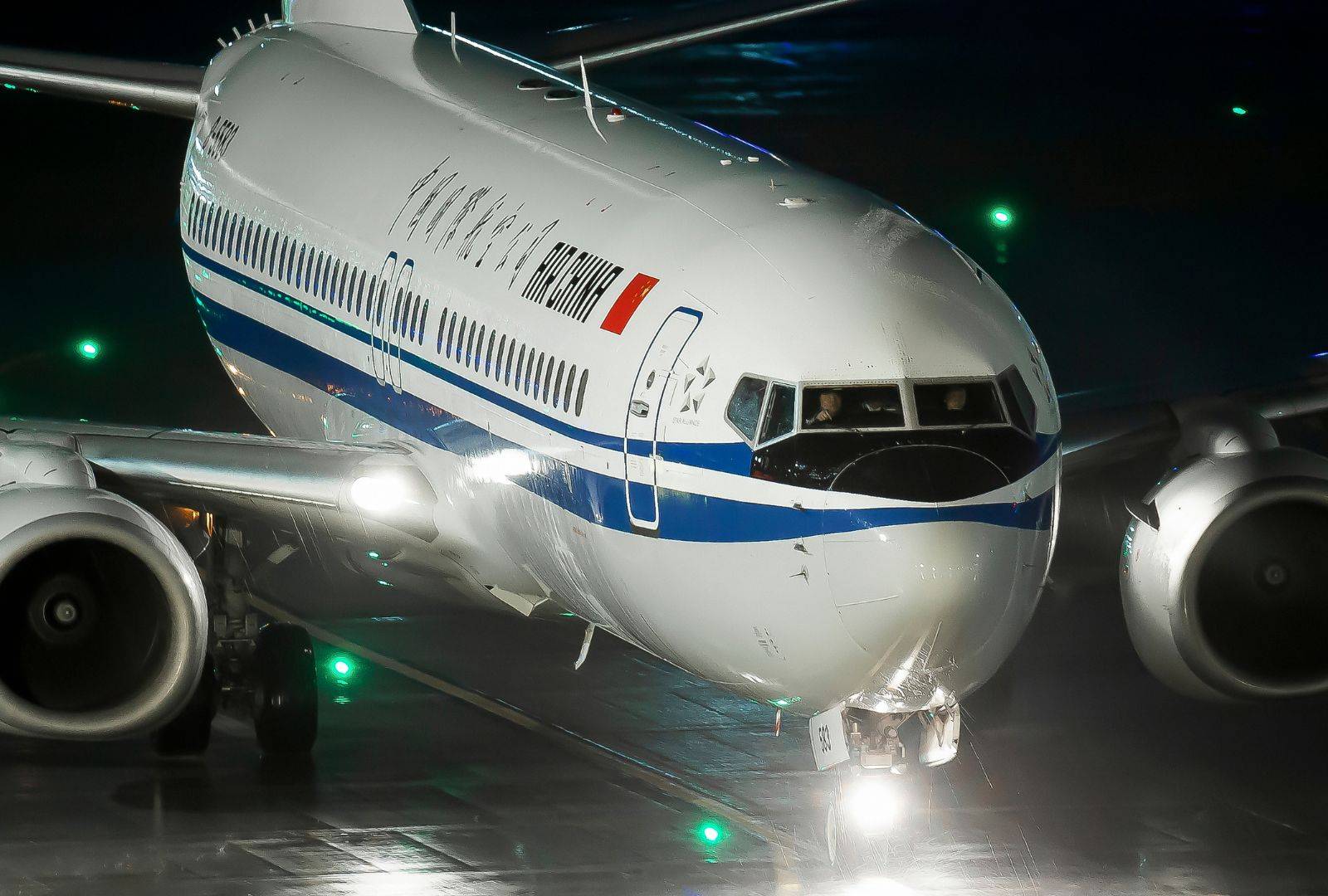
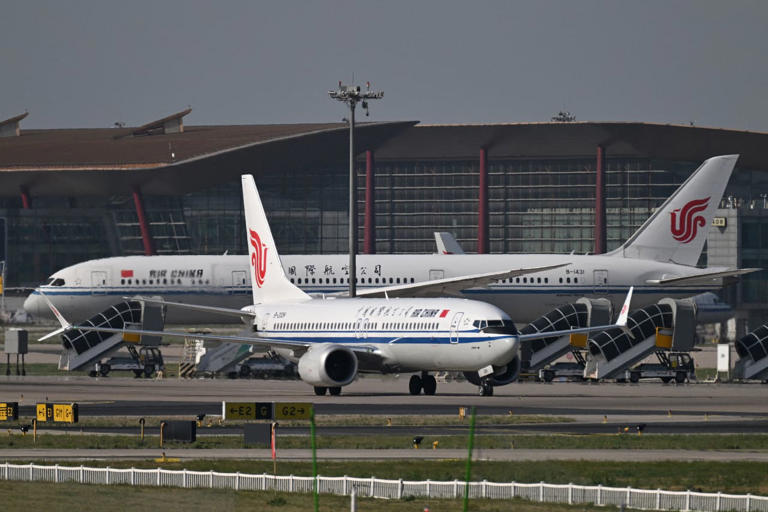
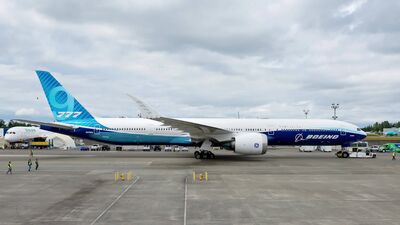
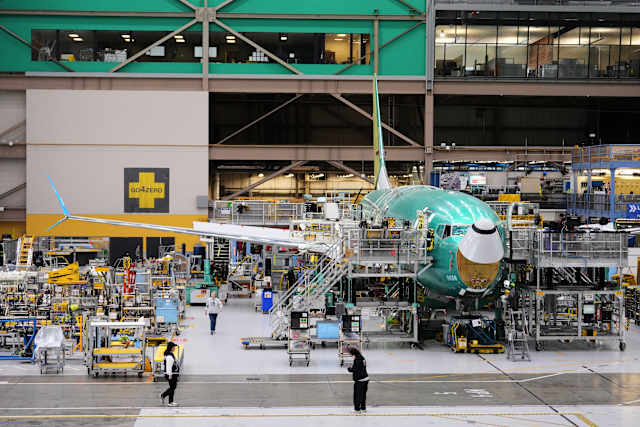
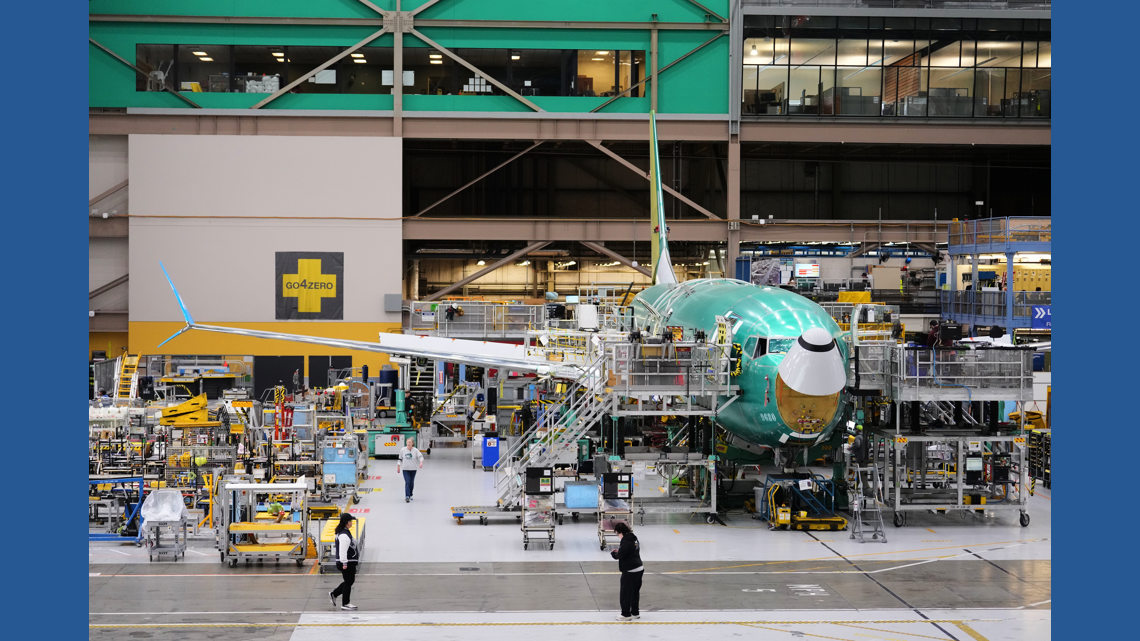
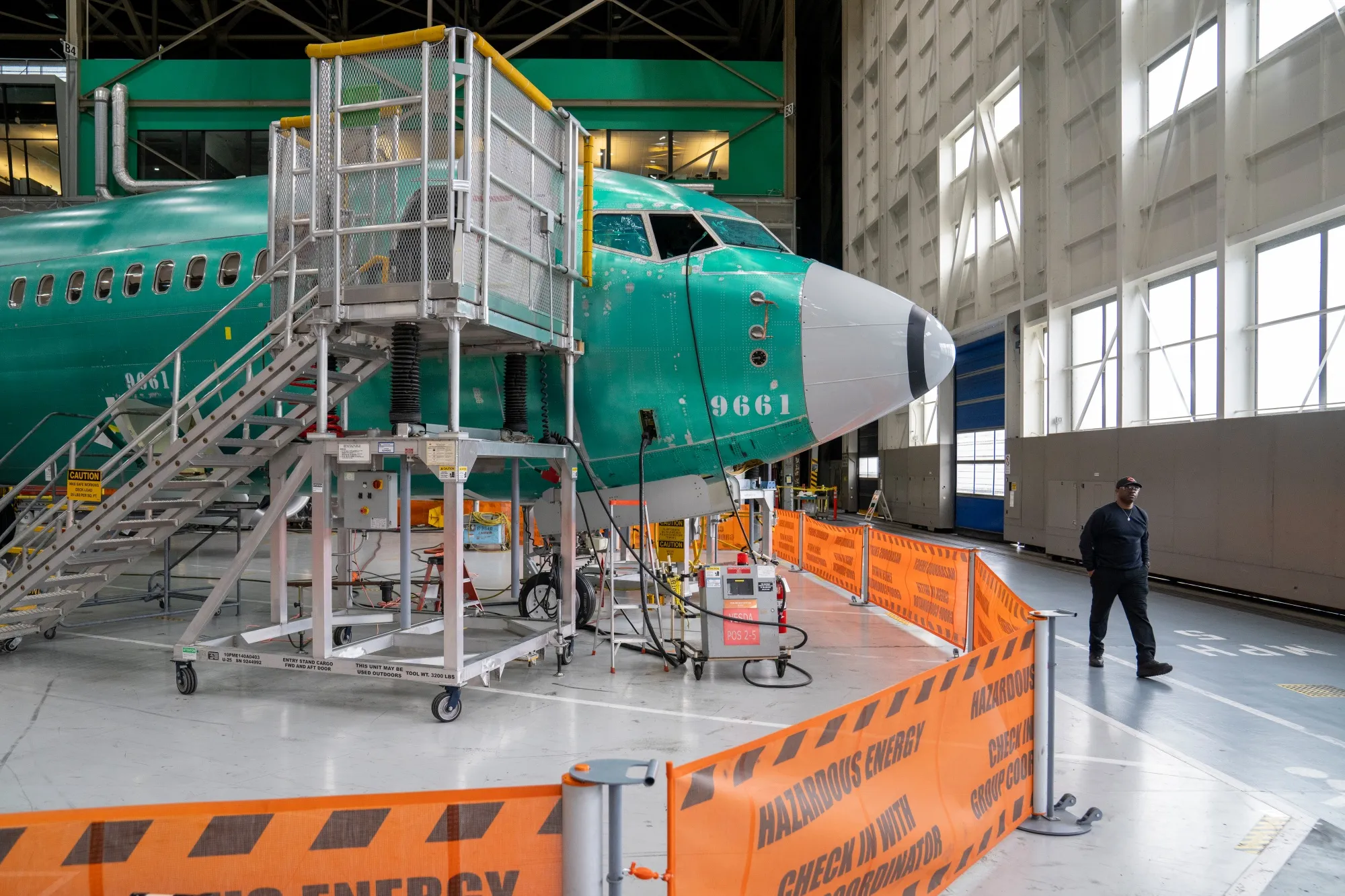
The Boeing aircraft deal ($17-25 billion potential value) signals broader supply chain normalization but masks underlying execution risks. Boeing's 200-aircraft commitment (expandable to 750 units) represents the company's first major Chinese order in nearly a decade, indicating Chinese carriers' willingness to diversify from Airbus. This creates cascading procurement opportunities for aerospace component suppliers and logistics providers supporting aircraft delivery and after-sales support. However, industry expert Li Hanming noted that historical U.S. export restrictions on aircraft parts and after-sales support concerns have deterred Chinese purchasing—suggesting deal finalization remains uncertain through Xi's planned September 2026 Washington visit.
The rare earths agreement extension (expiring later in 2026) presents critical supply chain implications for electronics sellers. Rare earth elements are essential for smartphone components, battery technology, and consumer electronics manufacturing. The willingness to extend this agreement reduces supply disruption risk, but sellers should monitor the formal renewal timeline closely. The continued uncertainty around Nvidia H200 chip approvals (greenlit in December but not yet approved for Chinese sales) indicates technology export restrictions remain a negotiation flashpoint, affecting sellers in AI-adjacent product categories.
Strategic seller implications divide into three segments: (1) China-sourcing sellers benefit immediately from tariff reductions on the $30B product basket—prioritize identifying affected HS codes and locking in supplier pricing before summer tariff investigations conclude; (2) U.S. agricultural/commodity exporters gain from expanded Chinese purchasing commitments, though vague quantities require direct engagement with Chinese importers to confirm orders; (3) Aerospace/logistics suppliers should evaluate Boeing supply chain participation, recognizing execution risk until formal contracts materialize post-September 2026.
Questions 8
How does the Boeing aircraft deal impact aerospace component suppliers and logistics providers?
Boeing's 200-aircraft commitment (potentially expanding to 750 units) valued at $17-25 billion creates substantial procurement opportunities for component suppliers, GE Aerospace partners, and logistics providers managing aircraft delivery and after-sales support. However, industry expert Li Hanming noted that historical U.S. export restrictions on aircraft parts have deterred Chinese purchasing, creating execution risk. Suppliers should evaluate Boeing supply chain participation cautiously, recognizing that formal contracts may not materialize until after Xi's planned September 2026 Washington visit. The deal's success depends on resolving longstanding concerns regarding U.S. export policy consistency and after-sales support reliability.
What is the timeline for the new tariffs expected from the administration's trade investigations?
The Trump administration launched two trade investigations expected to result in new tariffs on China and other nations by summer 2026. This creates a compressed window for sellers to capitalize on current tariff reductions before countervailing duties potentially offset savings. Sellers should monitor U.S. Trade Representative announcements weekly and prepare contingency sourcing strategies (alternative suppliers, inventory pre-positioning) to mitigate tariff shock. The summer deadline suggests investigations will conclude by June-August 2026, making May-June the critical window for locking in supplier pricing and shipping commitments.