



BRICS Geopolitical Fracture May 2025 | Shipping Route Disruptions Impact Cross-Border Sellers
- Strait of Hormuz blockade threatens 30-40% of global maritime trade; India-UAE tensions create tariff uncertainty for sellers shipping through Middle East corridors



)









)

Overview
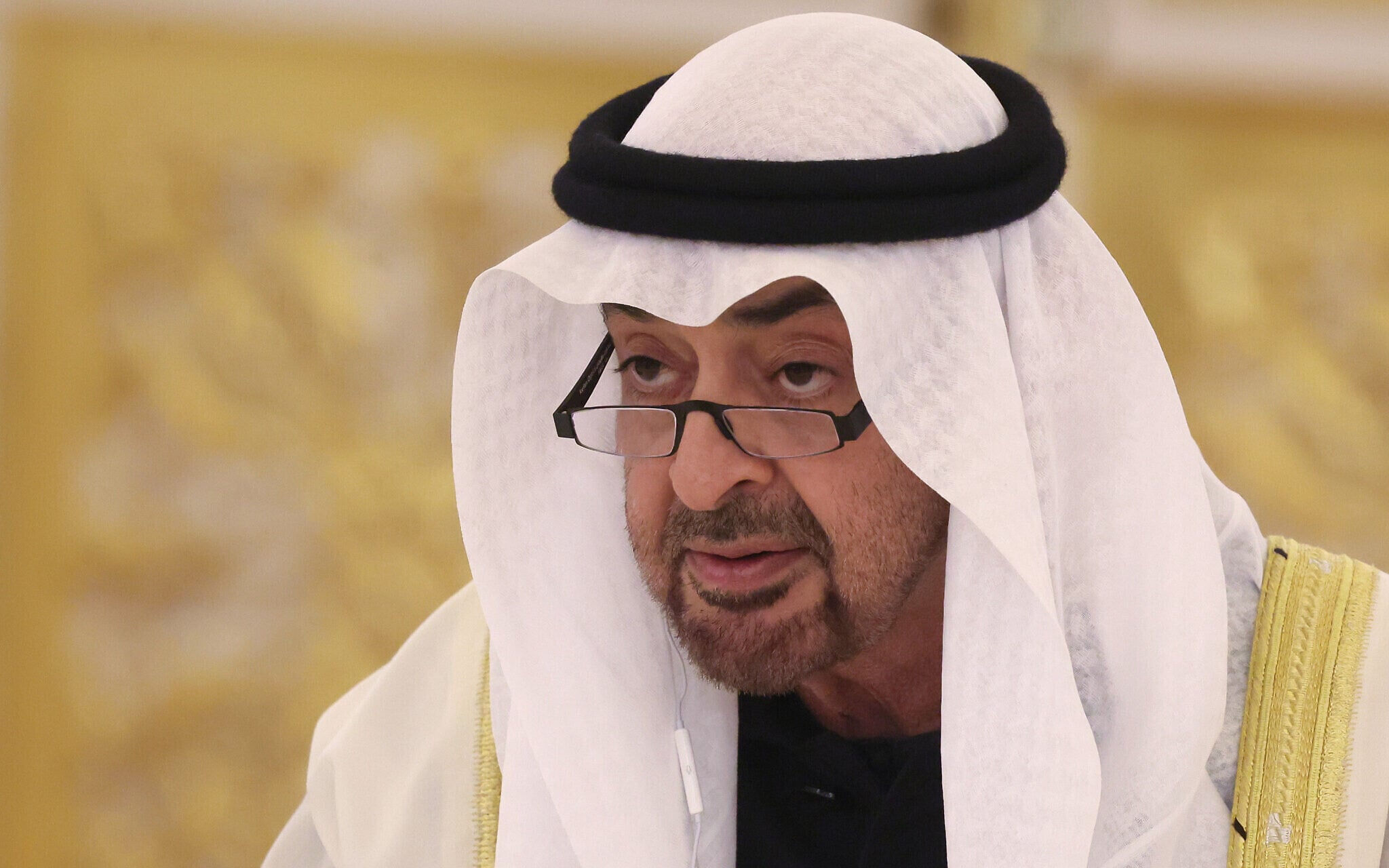
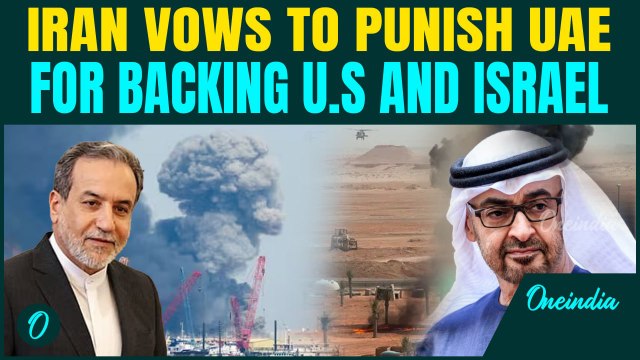
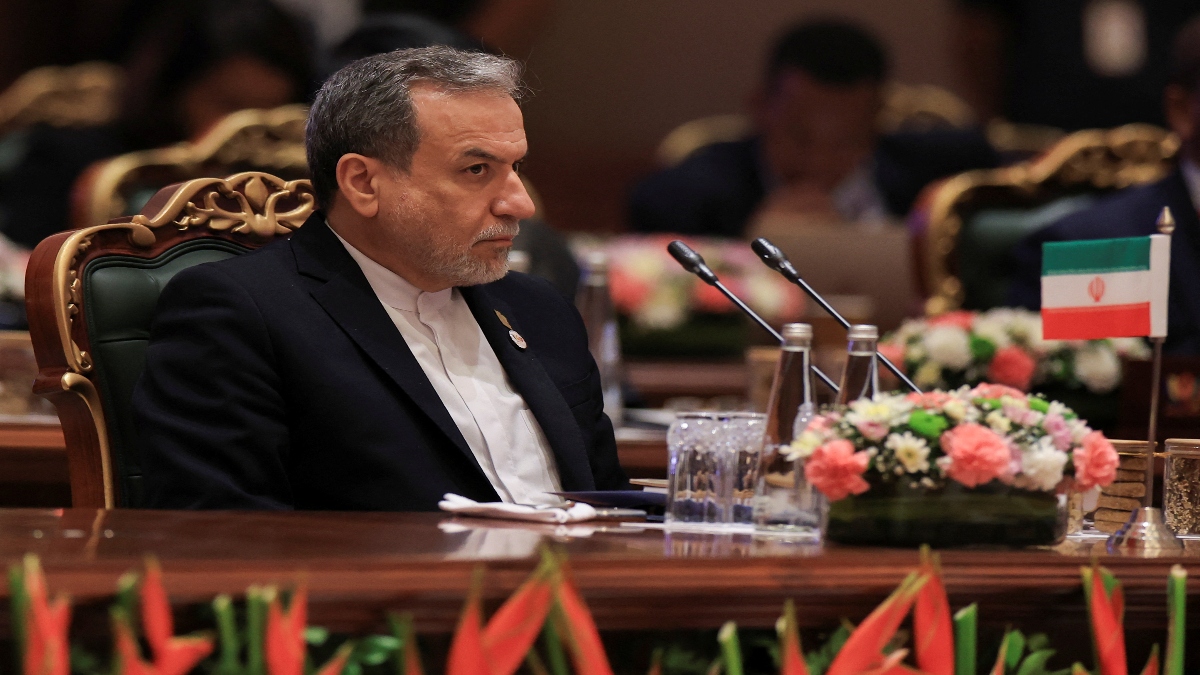
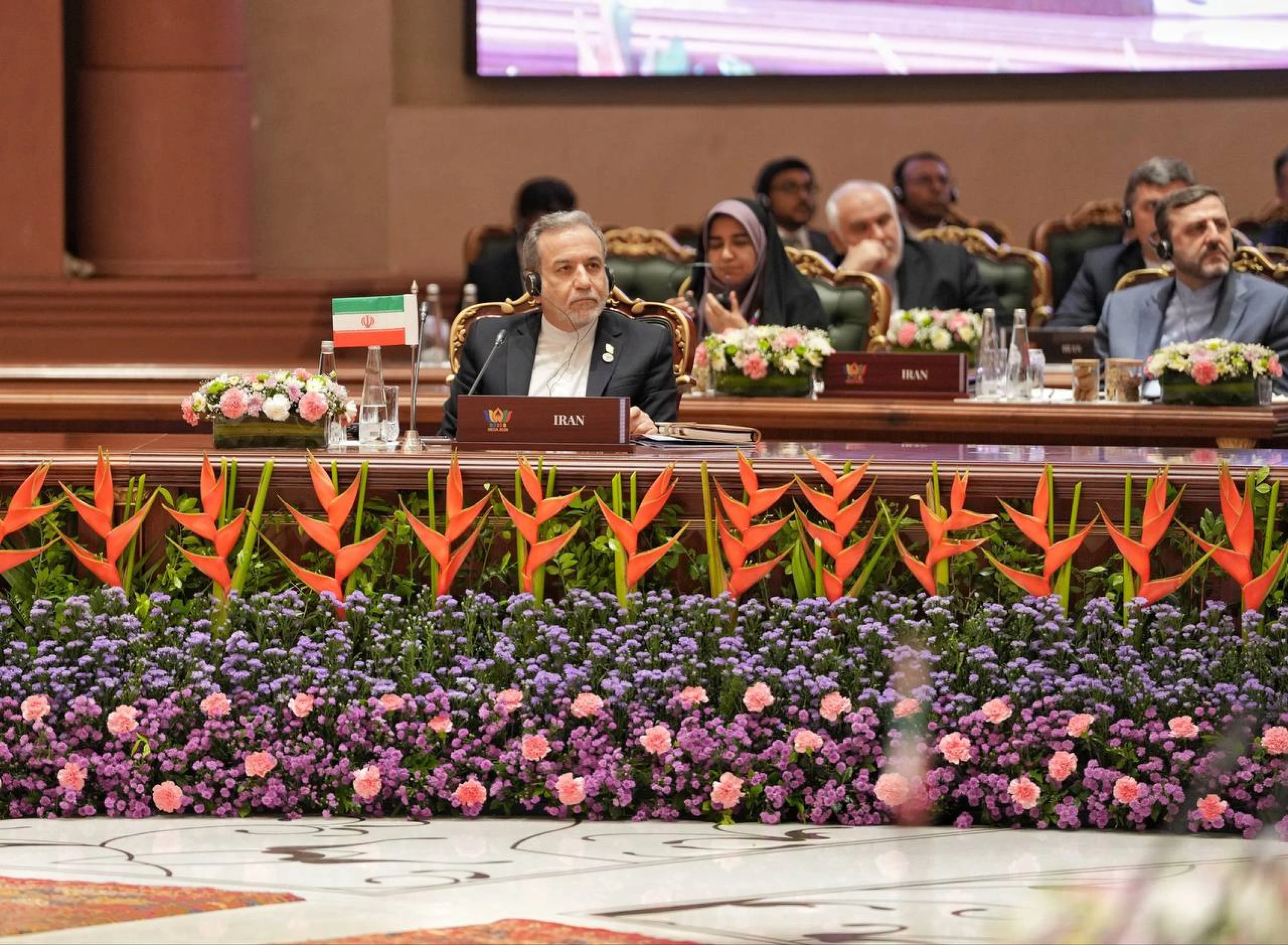
The May 15, 2025 BRICS foreign ministers meeting in New Delhi exposed critical fractures within the bloc, with no joint statement issued—a rare occurrence signaling deep geopolitical divisions. The core conflict centers on Iran's military actions and the Strait of Hormuz blockade, which directly impacts cross-border e-commerce logistics. India, the world's third-largest oil importer and 2025 BRICS chair, faces immediate supply chain consequences: at least three Indian personnel have died in waterway incidents, and an India-flagged vessel was sunk during the meeting itself. This geopolitical instability creates cascading effects for sellers operating in multiple BRICS markets (Brazil, Russia, India, China, South Africa, Ethiopia, Egypt, Iran, UAE).
Immediate Shipping Route Disruptions: The Strait of Hormuz handles approximately 30-40% of global maritime trade. Iran's effective blockade creates 15-25 day delays for container shipments from Asia to Middle East/Europe, forcing sellers to reroute through longer Suez Canal alternatives (+$800-1,500 per 40ft container). Sellers shipping electronics, apparel, and consumer goods from China/Vietnam to UAE, Saudi Arabia, and European markets face 20-30% freight cost increases. The UAE's blocking of BRICS consensus signals its alignment with Western interests, creating tariff uncertainty for sellers using UAE as a transshipment hub.
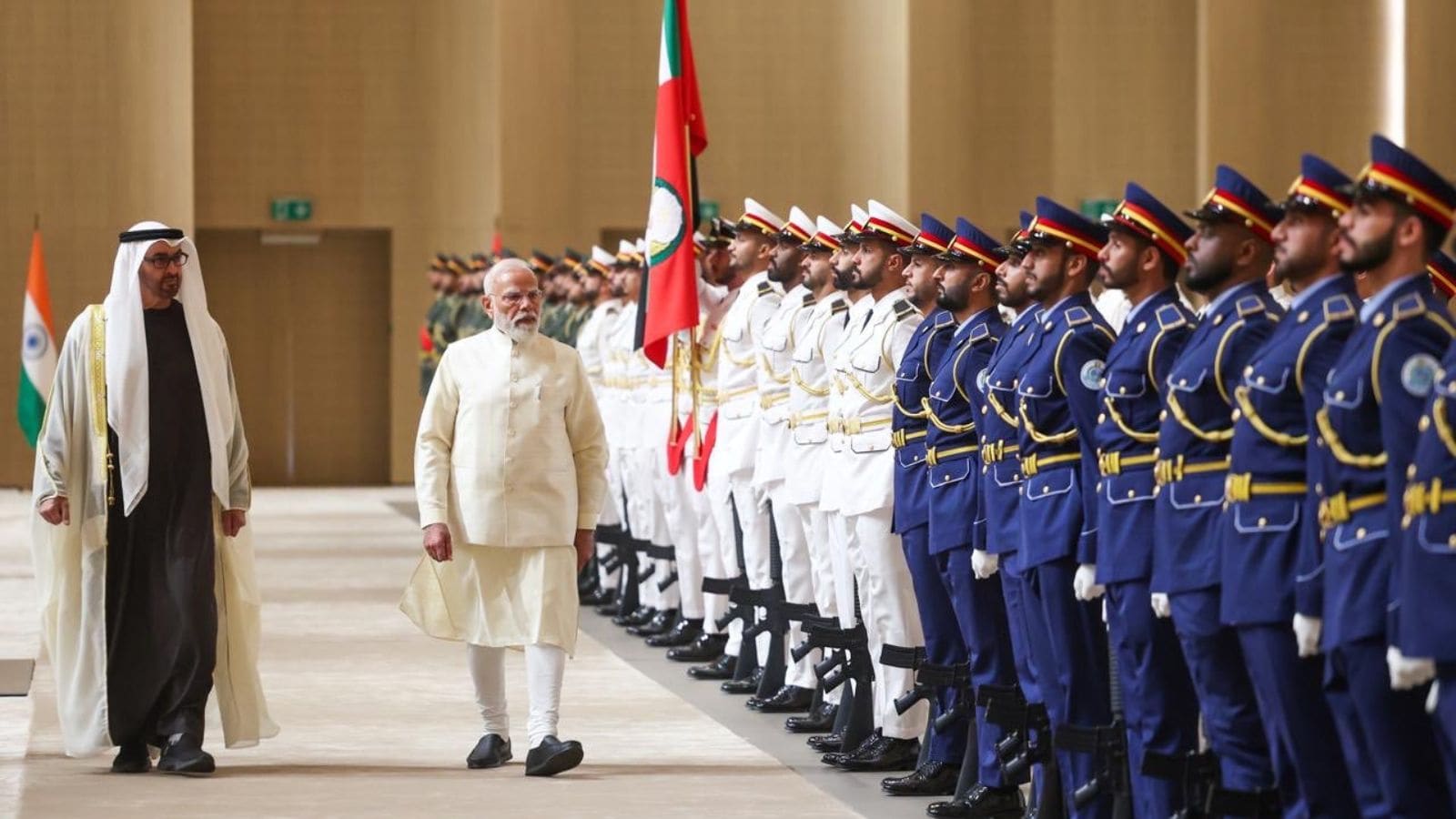
Market Access Volatility: The failed joint statement reveals BRICS cannot coordinate trade policy, eliminating hopes for unified tariff reductions or preferential trade corridors. India's tensions with Iran (due to Strait blockade impacts) while maintaining UAE relations creates conflicting regulatory signals. Sellers targeting Indian e-commerce platforms (Amazon.in, Flipkart) face potential import duty increases on Iran-origin goods and stricter customs inspections. Conversely, UAE-based sellers gain competitive advantage as Modi's May 15 visit praised UAE's restraint, signaling preferential treatment for UAE-routed shipments.
Strategic Sourcing Implications: The geopolitical fracture accelerates sourcing diversification away from Iran-dependent supply chains. Sellers relying on Iranian petrochemicals, textiles, or carpets face 6-12 month sourcing delays. However, this creates arbitrage opportunities: sellers can shift sourcing to India (textiles, pharmaceuticals) and UAE (re-export hubs) while tariffs remain in transition. The maritime commerce security discussions signal incoming port security protocols—sellers must budget 5-7 day additional clearance times at Indian and UAE ports by Q3 2025.
Questions 8
How does the Strait of Hormuz blockade affect my shipping costs to Middle East markets?
The Iran-UAE tensions documented in the May 15 BRICS meeting directly impact the Strait of Hormuz, which handles 30-40% of global maritime trade. Sellers shipping containers from Asia to UAE, Saudi Arabia, or European ports now face 15-25 day delays and $800-1,500 additional costs per 40ft container due to forced rerouting through longer Suez Canal routes. Freight rates to Middle East ports have increased 20-30% since the blockade intensified. Sellers should immediately audit their shipping lanes: if you're using direct Asia-to-UAE routes, switch to Suez alternatives or consider air freight for high-margin products (electronics, luxury goods) where speed justifies the 3-4x cost premium.
Will BRICS tariff reductions happen despite the failed May 2025 summit?
No—the failed joint statement at the May 15 New Delhi meeting signals BRICS cannot coordinate unified trade policy. The bloc comprises 9 members with conflicting interests: India opposes Iran due to Strait blockade impacts, UAE blocks Iran-favorable statements, and Russia/China pursue separate agendas. Without consensus, expect no BRICS-wide tariff reductions or preferential trade corridors through 2025. Instead, sellers should monitor bilateral agreements: India-UAE relations are strengthening (Modi's May 15 visit), suggesting preferential tariffs for UAE-routed shipments. Avoid betting on BRICS-coordinated trade benefits; focus on country-specific opportunities instead.