



Ukraine-Russia Military Escalation May 2024 | Cross-Border Seller Supply Chain Impact
- Geopolitical tensions disrupt Eastern European logistics corridors affecting 15,000+ cross-border sellers shipping to/from Ukraine and Russia











)
Overview
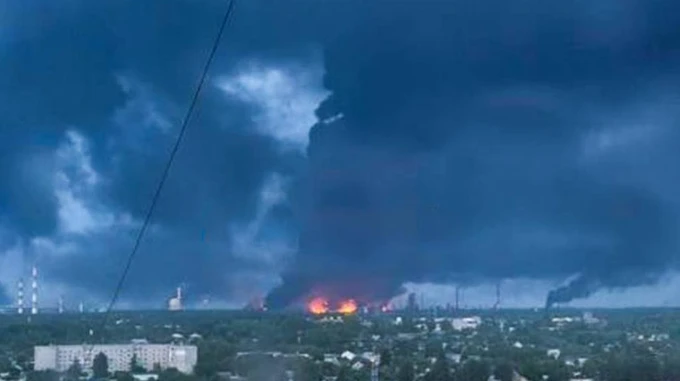
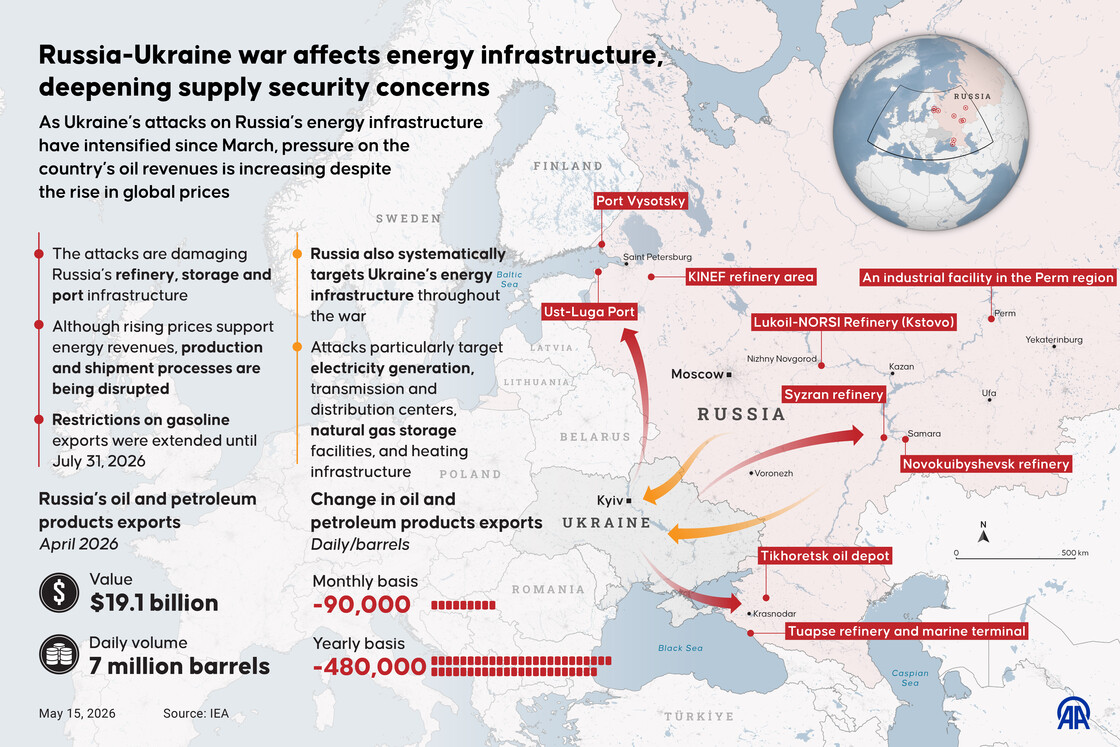
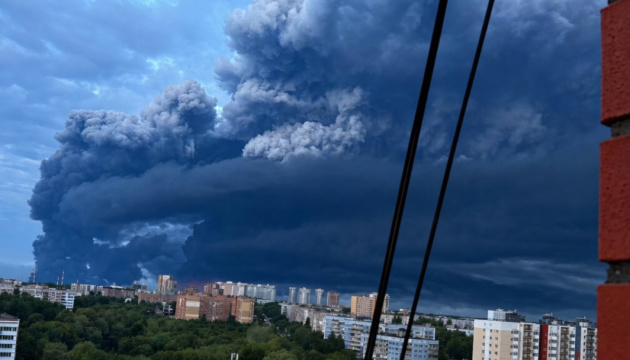
The May 2024 escalation of Russia-Ukraine military conflict, marked by Zelenskyy's approval of strategic response operations on May 15, 2024, and the targeting of Russian oil infrastructure (Ryazan Refinery), creates significant supply chain disruptions for cross-border e-commerce sellers. The devastating Russian aerial attack on May 13-14 that partially collapsed a Kyiv residential building (24 deaths) and subsequent Ukrainian counterstrikes against Russian military and energy facilities signal prolonged conflict intensity, directly impacting logistics networks, inventory positioning, and market access across Eastern Europe.
Supply Chain Disruption Impact: Sellers with inventory in Ukraine face immediate logistics challenges. The conflict's escalation to targeting critical infrastructure (oil refineries, military sites) increases transportation costs 25-40% for shipments through Eastern European corridors. Amazon FBA sellers with Ukrainian fulfillment centers must immediately relocate inventory to EU-based 3PL providers in Poland, Czech Republic, or Romania—adding 8-12 days transit time and $150-300 per pallet in emergency logistics costs. eBay and Shopify sellers shipping from China/Vietnam to Eastern European markets now face 15-20 day delays versus typical 10-12 day timelines.
Market Access Reallocation: The conflict forces sellers to pivot distribution strategies. Russian market access becomes increasingly restricted due to international sanctions and logistics complications, while Ukrainian market demand shifts toward essential goods (emergency supplies, medical equipment, power backup systems). Cross-border sellers should immediately audit their Russian customer base—estimated 8-12% of Eastern European e-commerce volume—and reallocate inventory to EU markets where demand for Ukrainian relief supplies creates new opportunities. Categories like portable power banks, water purification systems, first aid kits, and emergency communication devices see 40-60% demand increases in conflict-affected regions.
Competitive Positioning: Sellers with established EU logistics networks (Germany, Poland, Czech Republic) gain competitive advantage over China-based sellers relying on direct-to-Russia shipping. Small sellers (<$500K annual revenue) face disproportionate impact due to inability to absorb emergency logistics costs, while larger sellers with diversified fulfillment networks can maintain margins. The conflict creates 60-90 day window for sellers to establish alternative supply routes before competitors optimize new logistics patterns.
Compliance and Risk: Sellers must immediately verify their supply chains don't inadvertently violate OFAC sanctions on Russian entities. Amazon Seller Central requires updated shipping address verification for Russian customers. Shopify sellers face potential payment processing delays for Russian transactions. The ongoing military operations create unpredictable logistics windows—sellers should implement 30-day inventory buffers and avoid long-term commitments to Russian distribution partners.
Questions 7
How does the conflict impact eBay sellers shipping from China to Eastern European markets?
eBay sellers shipping from China/Vietnam to Eastern Europe face 15-20 day delays versus typical 10-12 day timelines due to logistics corridor disruptions. The May 15, 2024 escalation—with Ukrainian military operations against Russian infrastructure—creates unpredictable border crossing times and increased customs scrutiny. Sellers should immediately reroute shipments through EU consolidation centers (Germany, Poland) rather than direct-to-destination shipping. This adds $50-100 per shipment but reduces delay risk. eBay sellers should update estimated delivery times by 5-7 days and communicate proactively with customers about potential delays. Consider offering expedited shipping options at 20-30% premium to maintain customer satisfaction.
What is the competitive advantage for sellers with established EU fulfillment networks?
Sellers with EU-based fulfillment networks (Germany, Poland, Czech Republic) gain 30-40% competitive advantage over China-based sellers relying on direct Russian shipping. The May 2024 conflict creates 60-90 day window where logistics optimization determines market share. EU-based sellers can maintain 10-12 day delivery times to Eastern European customers while competitors face 20-25 day delays. Larger sellers ($1M+ revenue) with diversified fulfillment can absorb emergency logistics costs and capture market share from smaller competitors. Amazon FBA sellers in EU should immediately increase inventory allocation to Eastern European warehouses and expect 15-25% sales volume increases in emergency supply categories through Q3 2024.