


Trump-China Trade Summit Delivers Vague Commitments | Tariff Relief Uncertain for Cross-Border Sellers
- $30B potential tariff relief on Chinese goods remains non-binding; elevated 8.3% US tariffs on China persist, creating margin compression for Amazon FBA and Shopify sellers importing from Asia












Overview
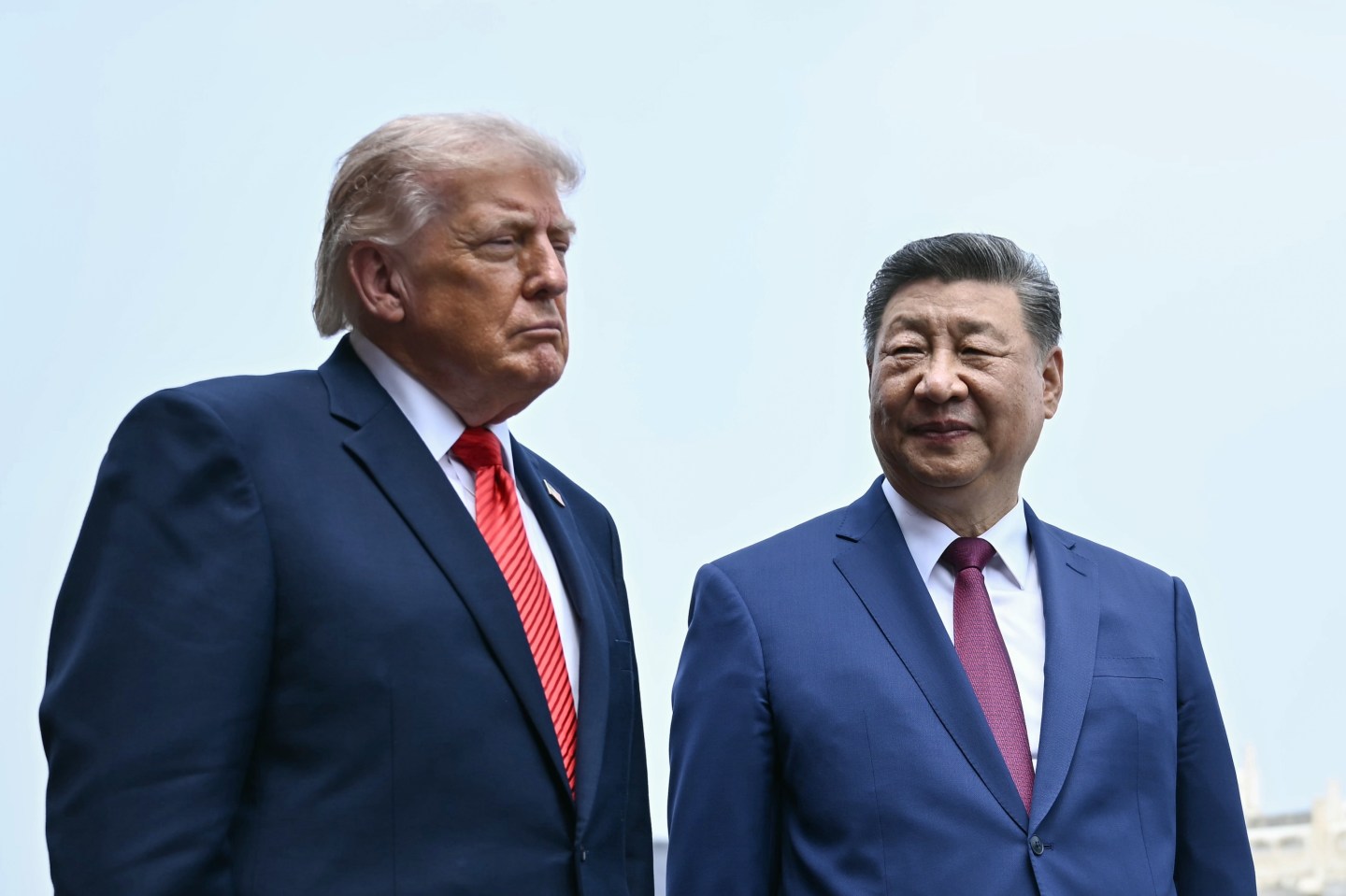
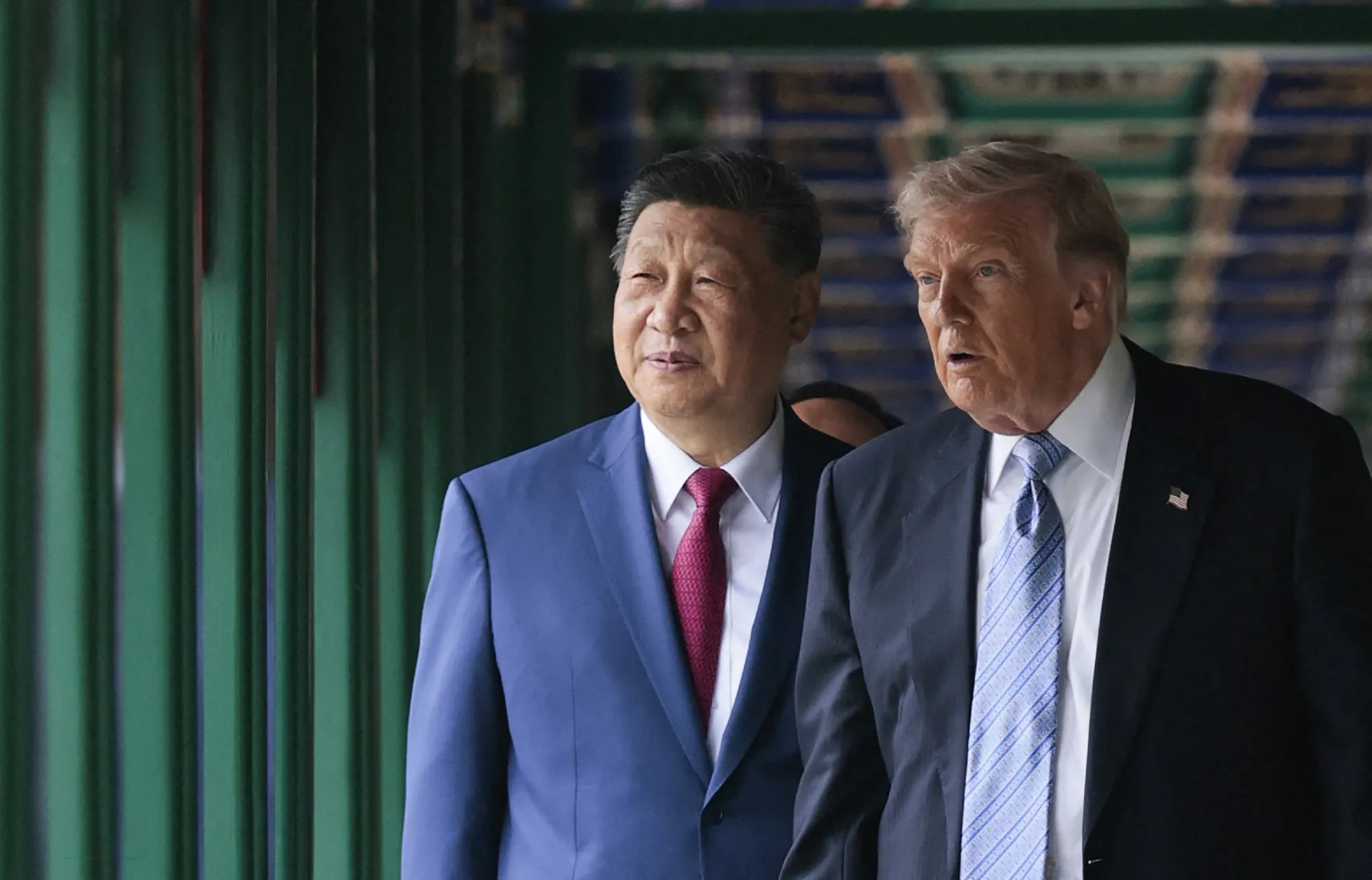
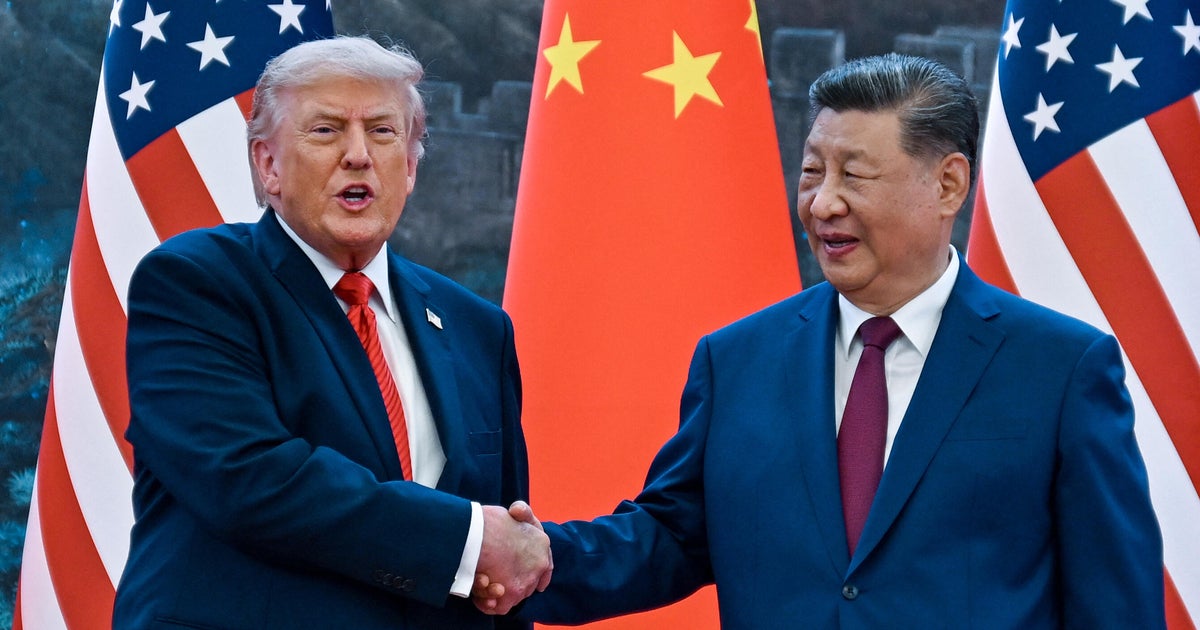
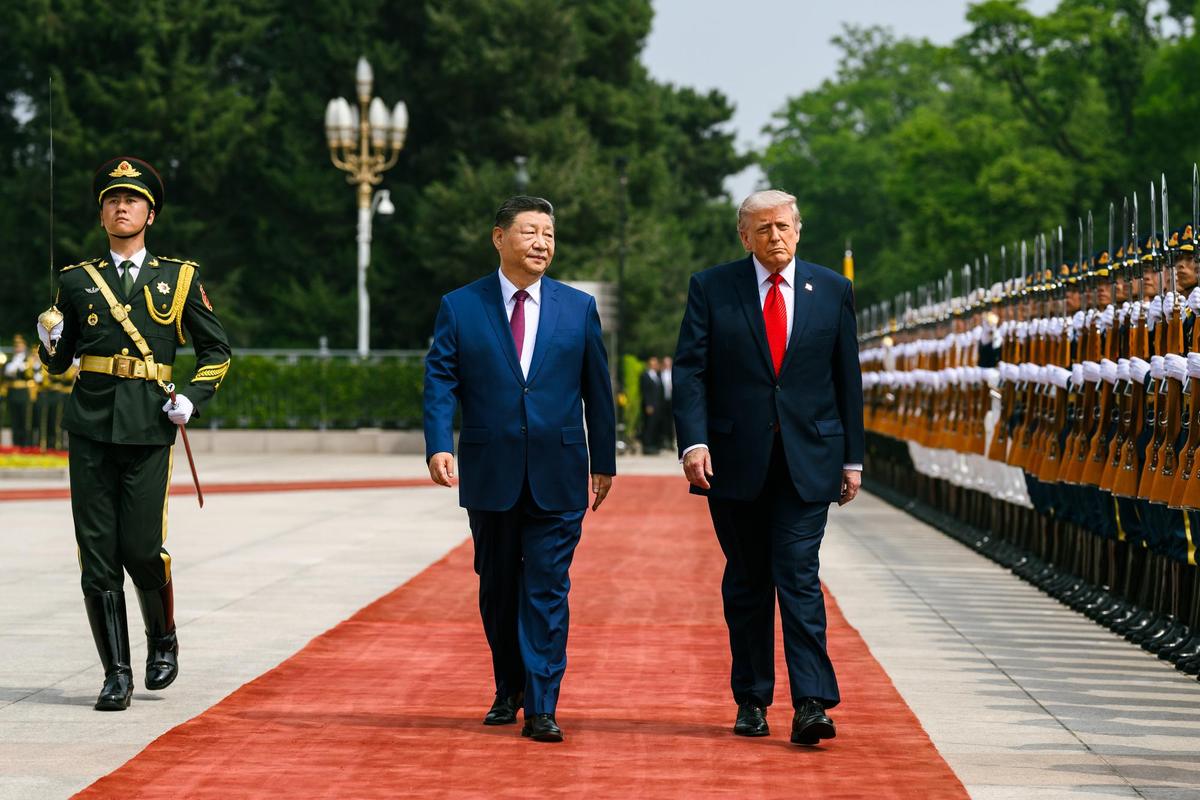
The May 15, 2026 Trump-Xi summit in Beijing produced non-binding verbal agreements rather than concrete trade concessions, leaving cross-border e-commerce sellers in a state of strategic uncertainty. While the White House announced potential tariff relief on approximately $30 billion in goods through new "Board of Trade" and "Board of Investment" governance structures, trade experts including former U.S. Trade Representative Wendy Cutler emphasize these commitments lack legal guarantees. Current tariff realities remain punitive: China faces average U.S. tariffs of 8.3% while U.S. exporters encounter roughly 10% Chinese tariffs—the $30 billion relief represents less than 10% of total U.S.-China 2025 trade value.
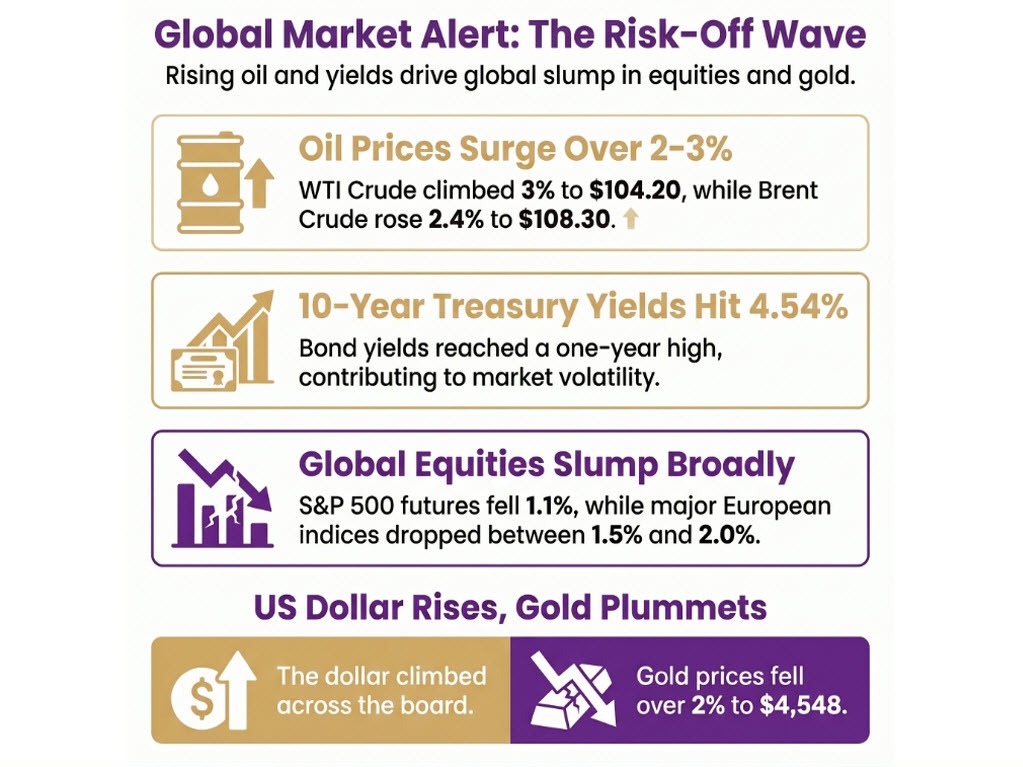
For Amazon FBA sellers importing Chinese-manufactured goods, this creates immediate margin compression. A typical seller importing $100,000 in inventory faces $8,300 in tariff costs under current rates. The proposed relief, if implemented, could reduce this to approximately $6,000-7,000 per $100K imported—a modest 15-20% savings insufficient to offset recent tariff escalations. More critically, the non-binding nature of these agreements mirrors the failed 2017 Trump-Xi summit, which produced an $84 billion investment agreement that dissolved as tensions escalated. Global market reaction underscores this skepticism: S&P 500 futures declined 1%, South Korea's KOSPI dropped 6.12%, and Brent crude surged to $109/barrel amid geopolitical uncertainty.
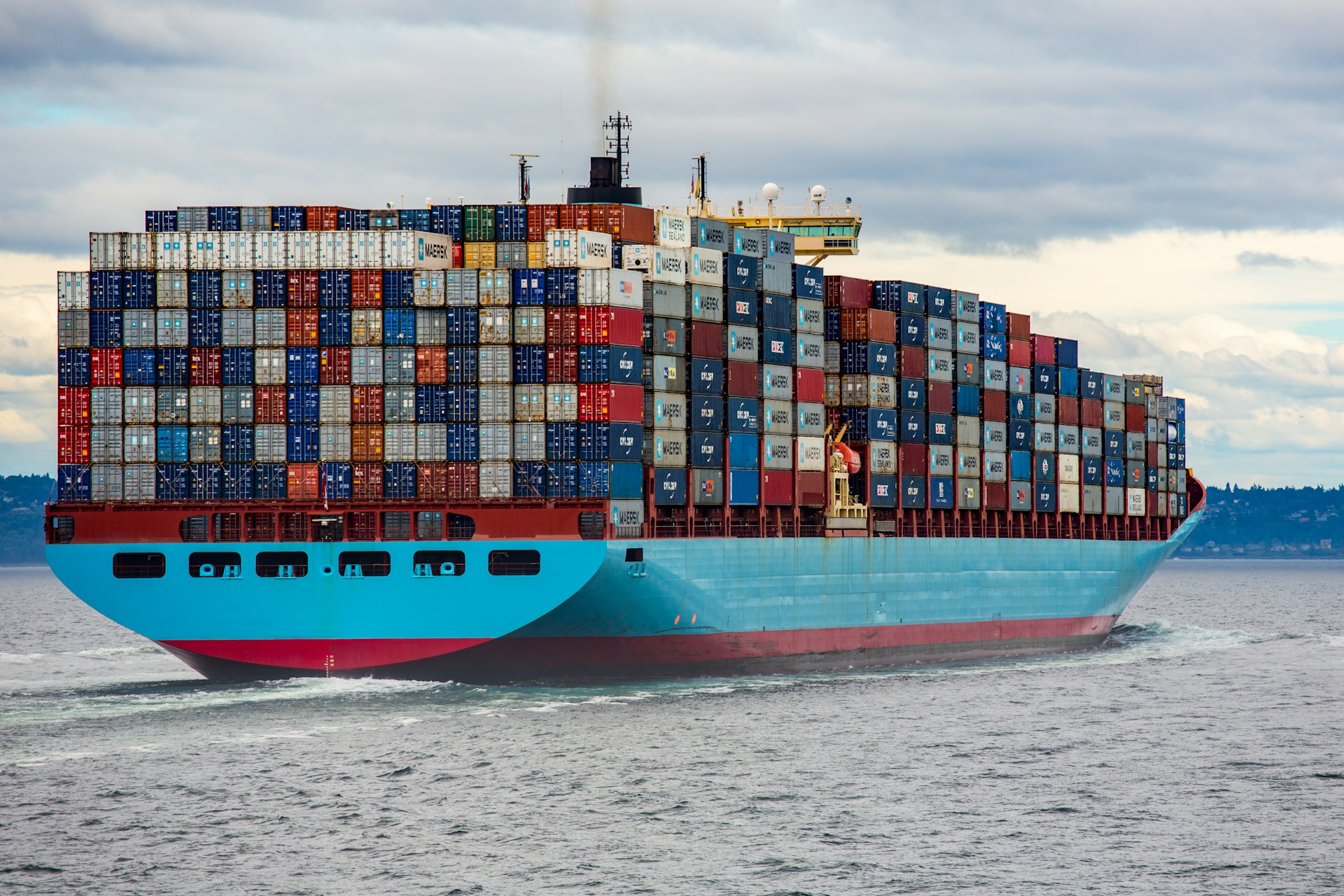
The energy market volatility directly impacts cross-border logistics costs. Rising oil prices (from $103 to $109 per barrel) increase shipping expenses for sellers using air freight or expedited ocean services. A seller shipping 50 pallets via air freight could see additional costs of $2,000-3,500 monthly. The Federal Reserve's hawkish stance—driven by inflation concerns from elevated energy prices—suggests interest rates remain elevated, increasing working capital costs for sellers carrying inventory.
Strategic implications for seller segments differ sharply. Large Amazon sellers with established China supplier relationships face moderate risk; they can absorb tariff costs through scale and existing margin buffers. Small-to-medium sellers (SMBs) importing niche products face existential pressure—a 8.3% tariff on low-margin categories (electronics accessories, home goods) compresses already-thin 15-25% gross margins to unsustainable 6-16% levels. Sellers should monitor the Board of Trade's formal documentation timeline (expected Q3 2026) before committing to major inventory purchases. Historical precedent suggests 6-12 months typically elapse between announcement and implementation, creating a window for tactical sourcing decisions.
Questions 7
How does the non-binding nature of this trade deal affect my sourcing strategy?
The lack of binding commitments creates significant strategic uncertainty. Unlike formal trade agreements with legal enforcement mechanisms, verbal commitments can evaporate if political tensions resurface. Sellers should avoid long-term commitments to Chinese suppliers based on anticipated tariff relief. Instead, maintain 3-6 month rolling forecasts and diversify sourcing across Vietnam, India, and Indonesia—countries with lower baseline tariffs (typically 2-4% on comparable goods). Large sellers can negotiate supplier contracts with tariff-adjustment clauses; SMBs should prioritize suppliers offering flexible order quantities to minimize inventory risk during the 6-12 month period before formal implementation.
What's the impact of rising oil prices ($103 to $109 per barrel) on my shipping costs?
Elevated Brent crude prices directly increase logistics expenses. Air freight costs rise approximately $0.04-0.06 per kilogram for every $1 increase in oil prices. A seller shipping 50 pallets (approximately 10,000 kg) via air freight faces additional monthly costs of $2,000-3,500. Ocean freight fuel surcharges typically increase 2-3% per $5 barrel increase, adding $500-1,000 monthly for standard container shipments. The Federal Reserve's hawkish stance—driven by inflation concerns—suggests elevated interest rates persist, increasing working capital costs. Sellers should lock in shipping rates for Q3 2026 shipments immediately and consider consolidating shipments to reduce frequency and fuel surcharge exposure.