




)

Gmail Free Storage Cut 67% | E-Commerce Sellers Face New Operational Costs
- Google reduces new account free storage from 15GB to 5GB; existing sellers unaffected but new business accounts require paid upgrades; estimated $60-180/year additional costs for small sellers managing customer communications and inventory documentation













































Overview
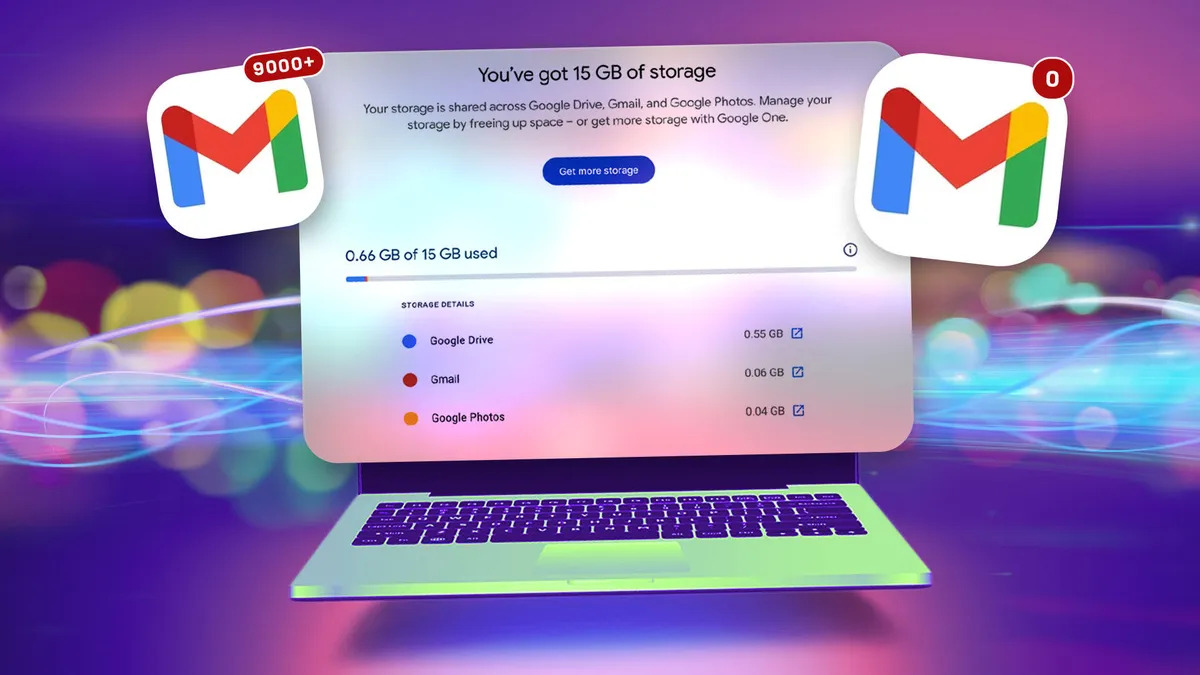
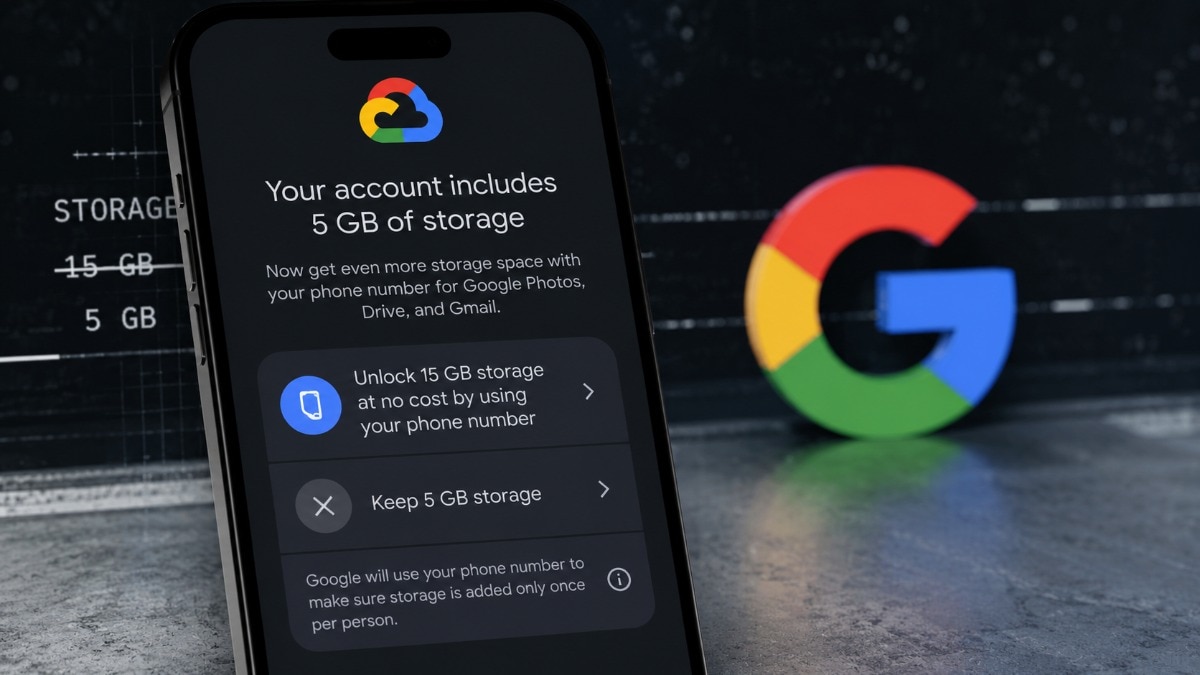
Google is testing a dramatic reduction in free Gmail storage for new accounts, cutting the default allocation from 15GB to 5GB—a 67% decrease that signals a fundamental shift in how cloud infrastructure providers monetize free services. The company confirmed it is "testing a new storage policy for new accounts" in select regions, with the change requiring users to provide phone numbers or implement additional security measures to access the higher 15GB tier. This policy adjustment directly impacts cross-border e-commerce sellers who rely on Gmail for business communications, customer correspondence, and document storage. While existing accounts retain their 15GB allocation, new sellers establishing business accounts will immediately face storage constraints, potentially forcing paid upgrades to Google One (100GB at $1.99/month or 2TB at $9.99/month).
The operational impact on seller infrastructure is substantial. Small sellers managing international inventory, customer communications, and documentation typically consume 8-12GB monthly through email archives, product images, supplier communications, and order records. With the 5GB limit, new sellers will exceed capacity within 2-4 weeks of normal operations, necessitating either aggressive email management practices or paid subscription adoption. This represents an estimated $60-180 annual cost increase for sellers who previously operated cost-free. The policy change also reflects Google's broader strategy to drive Google One subscription adoption while competing with Microsoft (Outlook's 15GB free tier) and Apple (iCloud's 5GB free tier). Industry observers note the change may also target account multiplication schemes where sellers created multiple accounts to accumulate storage—a practice that undermined Google's infrastructure costs.
For competitive intelligence, this policy shift reveals critical automation and cost-optimization opportunities. Sellers can immediately implement AI-powered email management systems to automatically archive, compress, and delete non-essential communications, reducing storage consumption by 40-60%. Tools like Gmail filters, automated backup systems, and cloud storage consolidation (moving files to Google Drive or alternative platforms) can extend the 5GB limit to 8-10 weeks of operations. Sellers should also evaluate alternative email solutions—Microsoft 365 Business Basic ($6/user/month) offers 50GB Outlook storage plus Office integration, potentially providing better ROI for sellers managing complex inventory and customer data. The testing phase indicates Google is conducting regional A/B testing before wider rollout, suggesting sellers have 2-4 months to implement cost mitigation strategies before potential global implementation.
Questions 7
What alternative email solutions should sellers evaluate against Gmail's new storage limits?
Microsoft 365 Business Basic ($6/user/month) offers 50GB Outlook storage plus Office integration, making it cost-effective for sellers managing complex inventory and customer data. Proton Mail provides 1GB free storage but emphasizes privacy, suitable for sellers handling sensitive customer information. Apple iCloud offers 5GB free (matching Google's new limit) but integrates better with Apple ecosystem users. For sellers requiring maximum storage at lowest cost, Google One remains competitive at $1.99/month for 100GB, but sellers should evaluate total cost of ownership including email management time and integration with existing business tools like Shopify, Amazon Seller Central, or eBay.
How can sellers automate email management to work within the 5GB storage limit?
Sellers can implement AI-powered email management systems using Gmail filters, automated archiving, and compression tools to reduce storage consumption by 40-60%. Specific tactics include: automatically archiving emails older than 90 days, deleting non-essential promotional emails, compressing image attachments, and moving large files to Google Drive or alternative cloud storage. Third-party tools like SaneBox, Clean Email, and Mailstrom automate these processes, reducing manual management time by 5-8 hours weekly. Sellers should also consolidate customer communications into CRM platforms (Shopify, Amazon Seller Central) rather than relying on Gmail as primary storage, freeing up capacity for critical business correspondence.