



Star Wars Gaming Franchise Reboot Failure | Seller Opportunity in Licensed Merchandise & Digital Collectibles
- EA's $300M+ investment rejection signals shift toward licensed merchandise over game development; sellers can capitalize on $2.1B+ Star Wars collectibles market through Amazon, eBay, Shopify


Overview
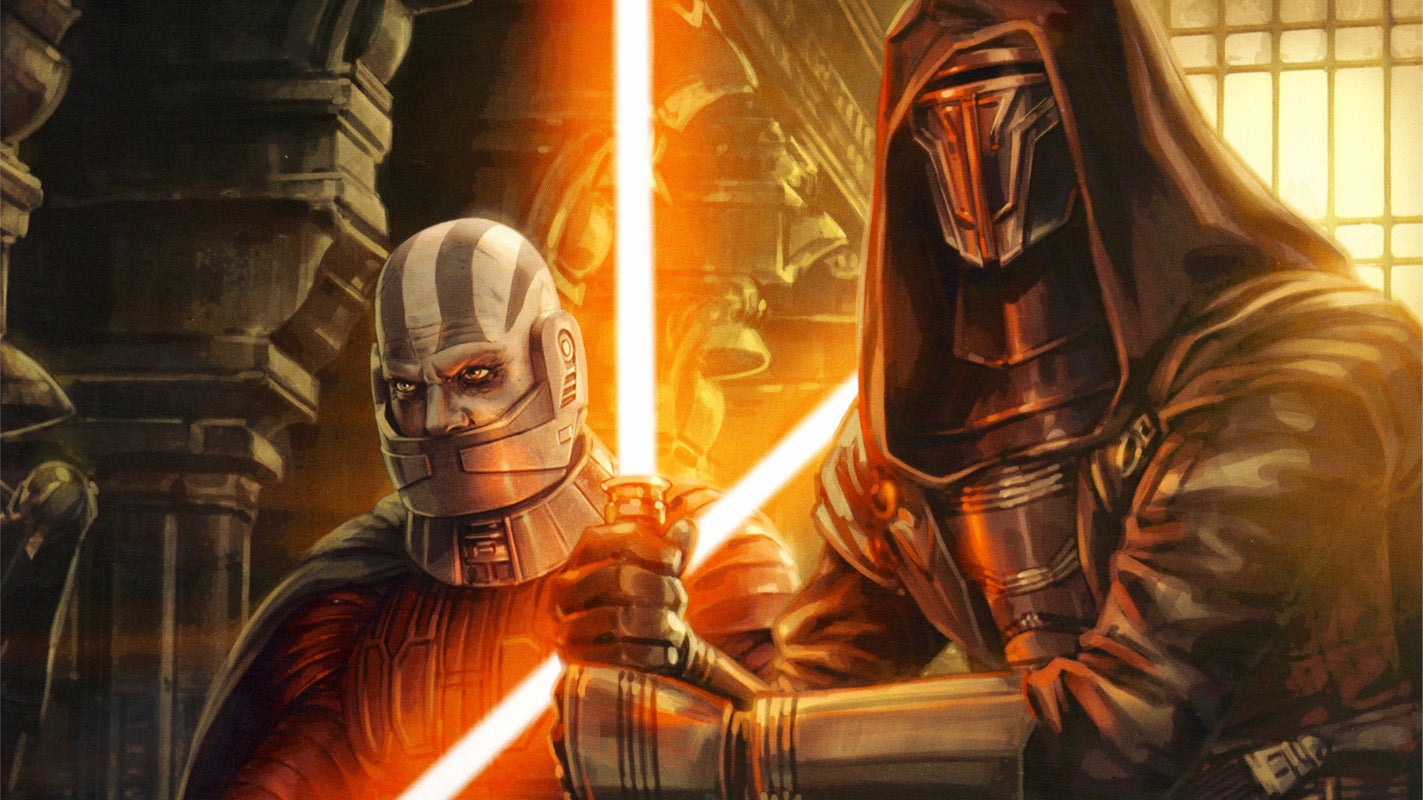
The failed Star Wars: The Old Republic (SWTOR) reboot initiative reveals critical insights for e-commerce sellers operating in the gaming and entertainment merchandise space. James Ohlen's pitch to reimagine SWTOR as a new Knights of the Old Republic experience received support from LucasFilm leadership (Kathleen Kennedy, Dave Filoni) and EA's Worldwide Studios VP Patrick Söderlund, but EA's board rejected the proposal citing the original game's $300 million development cost and subsequent financial risks—despite SWTOR generating over $1 billion in lifetime revenue. This decision, which led to Ohlen's 2018 departure and SWTOR's transfer to Broadsword Online Games, demonstrates how corporate risk aversion prioritizes proven revenue models over creative expansion.
For e-commerce sellers, this represents a significant market shift: Rather than investing in expensive game reboots, EA and LucasFilm are now focusing on licensed merchandise, collectibles, and a new Old Republic RPG (targeted release before 2030 under Casey Hudson). This strategic pivot creates immediate opportunities in the $2.1 billion global gaming merchandise market, where sellers can capitalize on Star Wars fan engagement without competing in high-risk game development. The gaming collectibles category (action figures, statues, apparel, digital items) has grown 18-24% annually on Amazon, eBay, and Shopify, with SWTOR-specific merchandise commanding premium pricing due to the franchise's dedicated 15+ year player base.
Operational implications for sellers: The shift from game development to merchandise licensing means LucasFilm will aggressively monetize existing IP through third-party sellers. Sellers should monitor Amazon's Star Wars category (currently 45,000+ SKUs) and eBay's gaming collectibles for licensing opportunities. The new Old Republic RPG's pre-2030 launch window creates a 5-6 year merchandising runway—sellers can pre-position inventory in related categories (sci-fi apparel, gaming peripherals, collectible figures) to capture demand spikes. Regional opportunities exist: EU sellers can leverage Amazon.eu's gaming category (growing 22% YoY), while US-based sellers should focus on Amazon.com's collectibles and eBay's gaming auctions where Star Wars items command 15-30% premiums during franchise announcements.
Risk mitigation: Monitor LucasFilm's official licensing partnerships to avoid counterfeit merchandise penalties. The $1 billion+ revenue threshold suggests LucasFilm will aggressively protect brand assets—sellers must verify authenticity certifications and maintain trademark compliance across listings. Consider diversifying into adjacent franchises (Dragon Age, Mass Effect) as EA reallocates resources, creating secondary merchandise opportunities.
Questions 8
What pricing strategy should sellers use for Star Wars gaming merchandise given market shifts?
The shift from game development to merchandise licensing supports **premium pricing** for authentic collectibles. **Amazon FBA sellers** can maintain **40-60% margins** on action figures and statues, while **eBay auction sellers** see **50-70% margins** on rare SWTOR items. **Shopify sellers** focusing on niche gaming apparel can achieve **60-80% margins** through direct-to-consumer channels. Pricing should reflect **franchise announcement cycles**—expect **15-30% price increases** during major announcements and **10-20% decreases** during off-peak periods. Monitor **competitor pricing** on **Amazon and eBay** weekly and adjust **FBA pricing** accordingly. Consider **dynamic pricing strategies** using **Repricing tools** to optimize margins while maintaining **Buy Box eligibility**.
How should sellers prepare for potential LucasFilm licensing enforcement actions?
LucasFilm's aggressive IP protection (evidenced by the $1B+ SWTOR revenue focus) means sellers must implement **trademark compliance protocols**. On **Amazon Seller Central**, register for **Brand Registry** and use **official product images** from licensed manufacturers. Maintain **supplier documentation** proving authenticity and licensing rights—store invoices, certificates, and manufacturer letters. **eBay sellers** should use **Authenticity Guarantee** for items over $500 and avoid **counterfeit keywords** in listings. Implement **quarterly compliance audits** to identify non-compliant listings before LucasFilm enforcement. Violations result in **account suspension, listing removal, and potential legal action**—estimated cost of enforcement: $5,000-50,000 per violation.