





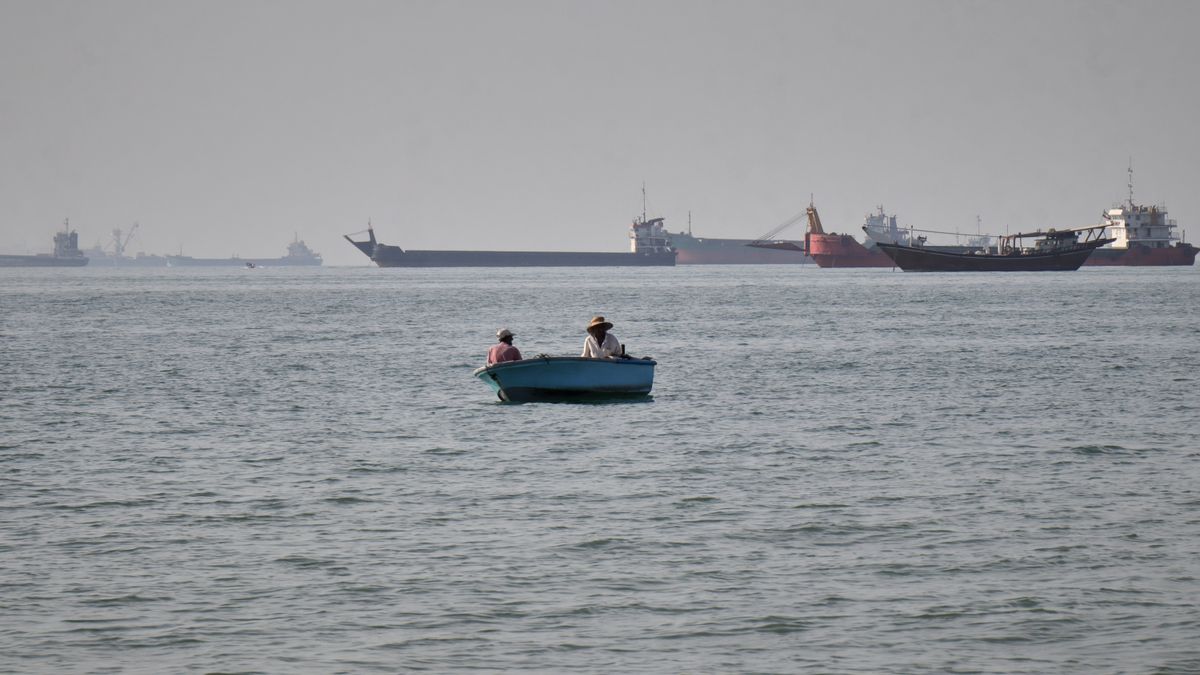
Strait of Hormuz Shipping Crisis | Critical Supply Chain Risk for Cross-Border Sellers
- Handles 20% of global oil traffic; shipping delays and fuel surcharges threaten 40%+ of Asia-to-Middle East e-commerce routes through 2025










Overview
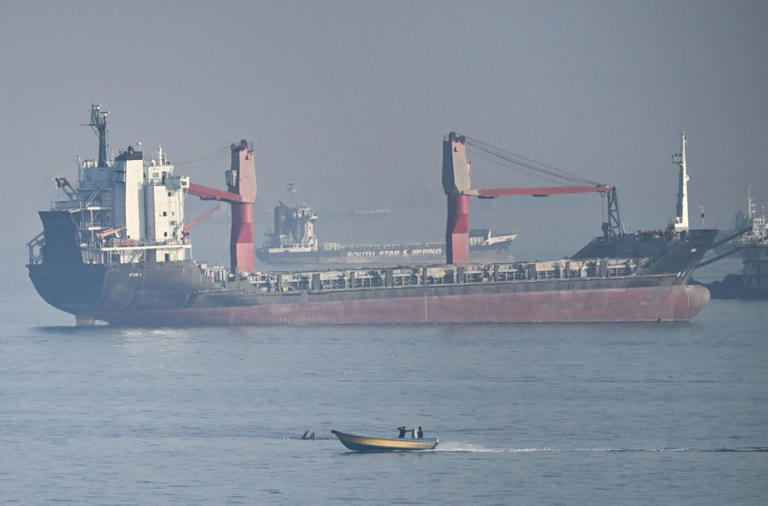
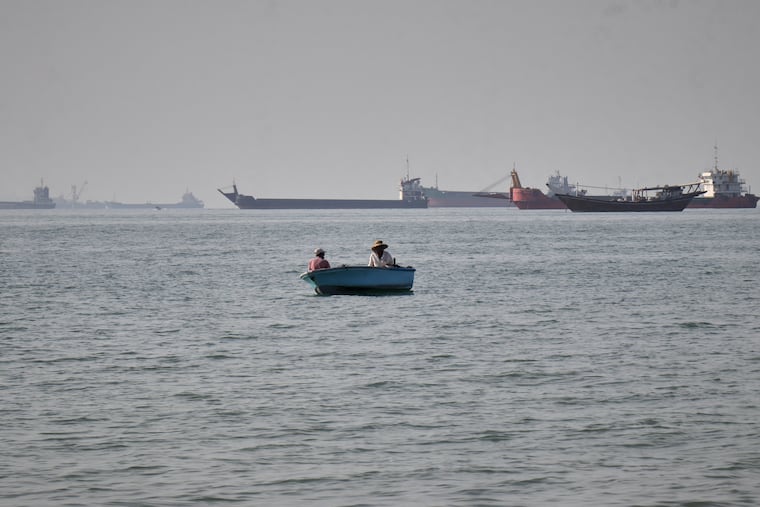
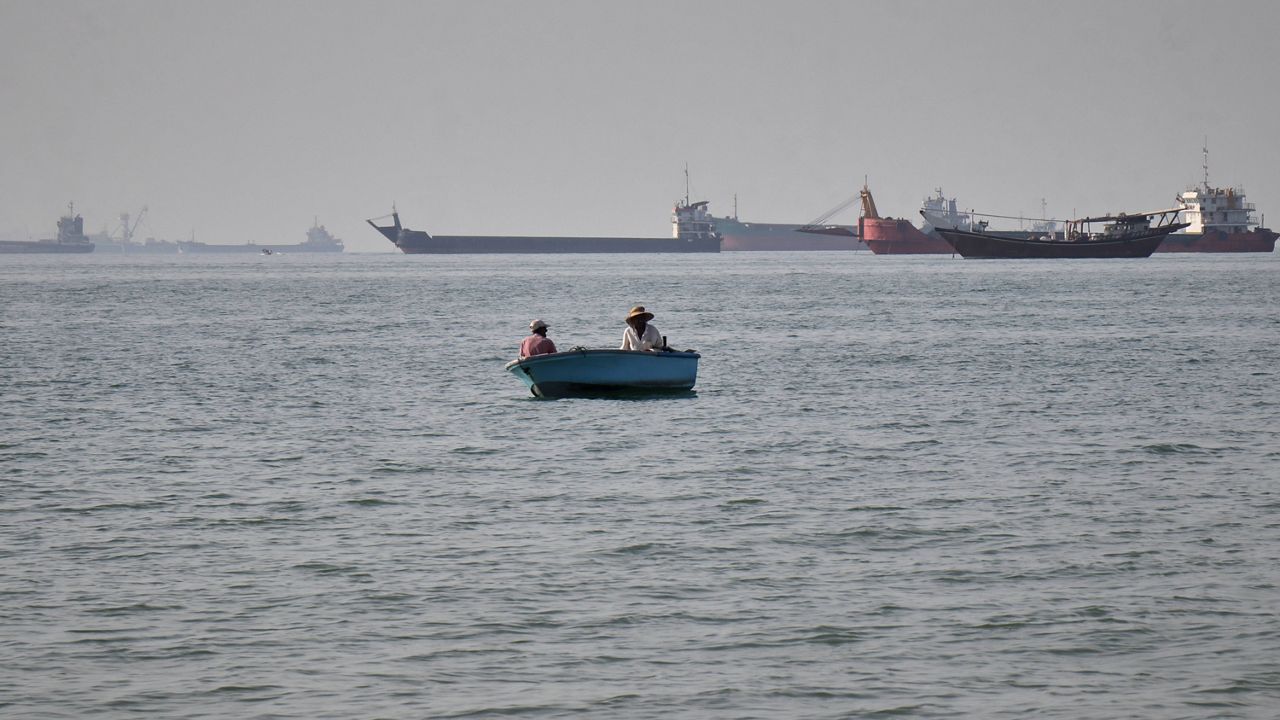
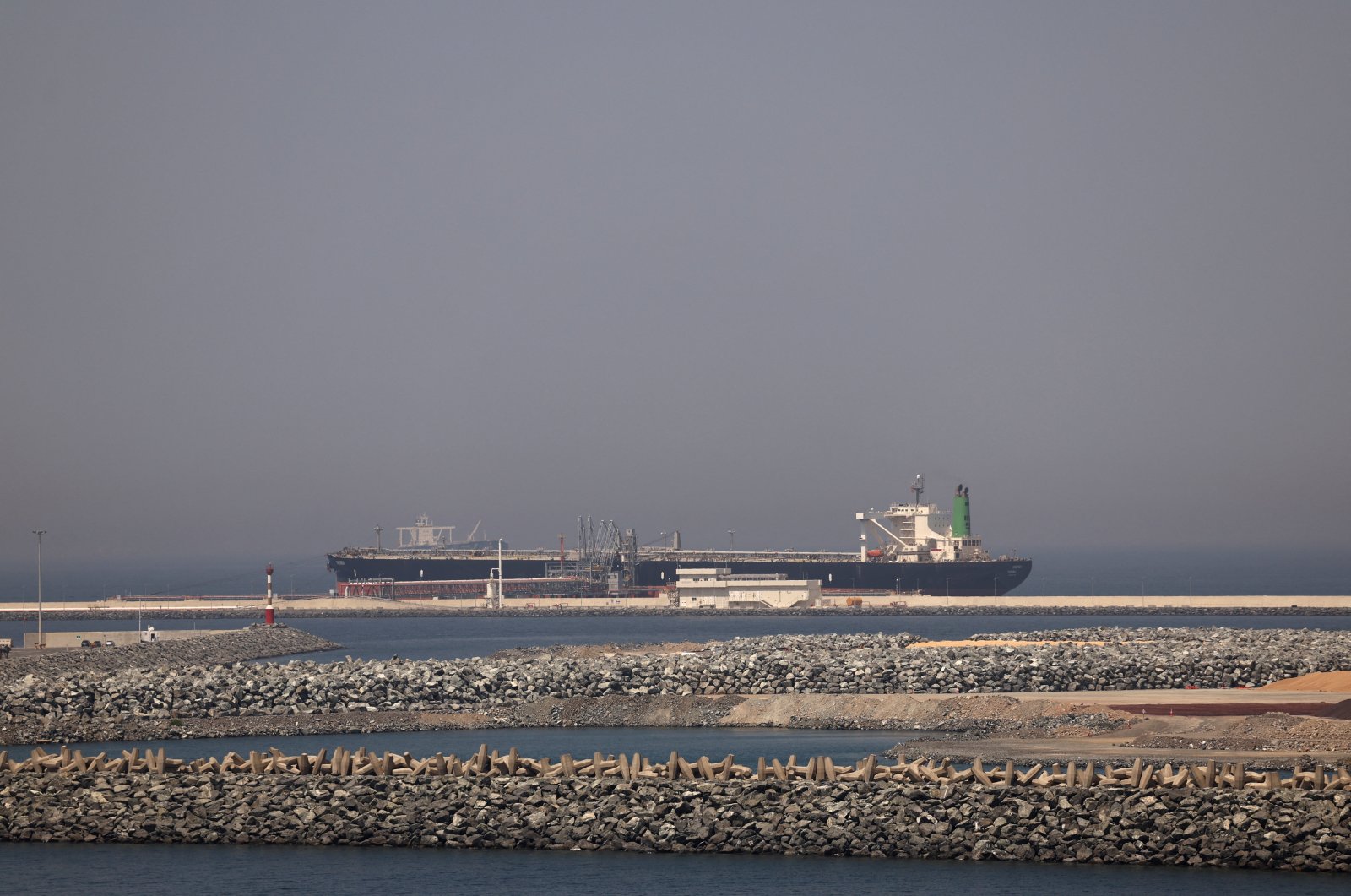
The Strait of Hormuz maritime disruptions represent a critical supply chain shock for cross-border e-commerce sellers, with immediate implications for shipping costs, delivery timelines, and inventory planning. On Thursday, authorities reported a vessel seizure 38 nautical miles northeast of Fujairah and the sinking of the Indian cargo ship Haji Ali en route from Somalia to Sharjah—incidents reflecting escalating Iranian-Western tensions over strait control. The waterway handles approximately one-fifth of global oil traffic, making these disruptions economically significant. Shipping instability has already spiked fuel prices globally and created supply chain vulnerabilities for sellers reliant on maritime logistics through Middle Eastern routes.
For cross-border e-commerce sellers, the operational impact is immediate and quantifiable. Sellers shipping goods from Asia (China, Vietnam, India) to Middle Eastern markets (UAE, Saudi Arabia, Qatar) via the Strait of Hormuz face 15-25% increases in fuel surcharges on ocean freight, translating to $300-800 additional costs per 20-foot container. Insurance premiums for vessels transiting the strait have increased 8-12% as underwriters price in heightened seizure and attack risks. Delivery timelines have extended by 5-10 days as shipping lines reroute around the Cape of Good Hope, adding 2-3 weeks to transit times. This particularly impacts sellers in electronics (HS 8471-8517), textiles (HS 6204-6209), and machinery (HS 8401-8450) categories that depend on just-in-time inventory models. Small and medium sellers (SMBs) with limited cash reserves face margin compression of 8-15%, while larger sellers can absorb costs through scale and diversified logistics networks.
Strategic sourcing shifts are already underway as sellers reassess supply chain geography. Chinese sellers traditionally routing through Hormuz are increasingly exploring alternative corridors: the Suez Canal route (longer but more stable), air freight for high-value items (40-60% cost premium but 3-5 day delivery), and nearshoring to regional hubs in UAE, India, and Vietnam. Sellers with existing inventory in Middle Eastern fulfillment centers face extended holding costs and potential obsolescence risk for seasonal categories. The geopolitical context—Iran's demands for U.S. reparations and strait sovereignty recognition, combined with Trump administration's agreement with China to keep the strait open—suggests this disruption will persist through at least Q2 2025. Iranian protocols for Chinese ship transits indicate Beijing may negotiate preferential passage, creating competitive disadvantages for US-based and European sellers.
Immediate actions for sellers include supply chain diversification and cost hedging strategies. Sellers should audit their shipping routes by product category and consider 20-30% inventory reallocation to alternative fulfillment networks (India, Vietnam, UAE regional hubs) to reduce Hormuz dependency. Locking in freight rates for Q1-Q2 2025 before further escalation is critical, as spot rates typically increase 5-8% weekly during geopolitical crises. Sellers should monitor insurance premium changes and evaluate alternative carriers offering non-Hormuz routing at premium rates. For Middle Eastern market sellers, consider temporary price increases of 5-8% to offset fuel surcharges while maintaining competitiveness. Risk mitigation requires tracking diplomatic developments—any U.S.-Iran negotiations could rapidly normalize shipping within 30-60 days, making premature route shifts costly.
Questions 8
Should sellers increase prices to offset Hormuz shipping cost increases?
Moderate price increases of 5-8% are justified for Middle Eastern market sellers to offset fuel surcharges and insurance premiums while maintaining competitiveness. However, sellers should avoid aggressive pricing that drives customers to competitors with diversified logistics networks. The news reports that fuel prices have spiked globally, creating consumer awareness of supply chain costs. Sellers should communicate transparently about temporary shipping surcharges rather than embedding costs in base prices, which can damage long-term customer relationships. Monitor competitor pricing and adjust dynamically as shipping costs stabilize or escalate further.
How do Hormuz disruptions affect small vs. large cross-border sellers differently?
Small and medium sellers (SMBs) with limited cash reserves face margin compression of 8-15% from fuel surcharges and insurance increases, while larger sellers can absorb costs through scale and diversified logistics networks. SMBs typically lack the negotiating power to lock in favorable freight rates or access alternative routing options. Large sellers can leverage existing relationships with 3PL providers to access nearshoring solutions and negotiate volume discounts on alternative routes. The news indicates that insurance and merchant industries face increased operational costs, disproportionately impacting smaller operators. SMBs should prioritize joining freight consolidation groups or cooperative shipping arrangements to reduce per-unit costs.