




Russia's Strategic Assault Transforms Ukraine's Energy Landscape into Geopolitical Battleground
- Massive Infrastructure Attacks Reveal Complex Diplomatic and Military Tensions Impacting Civilian Survival


















Overview
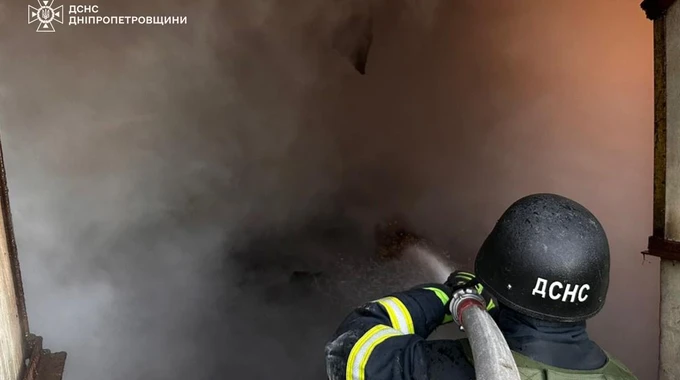
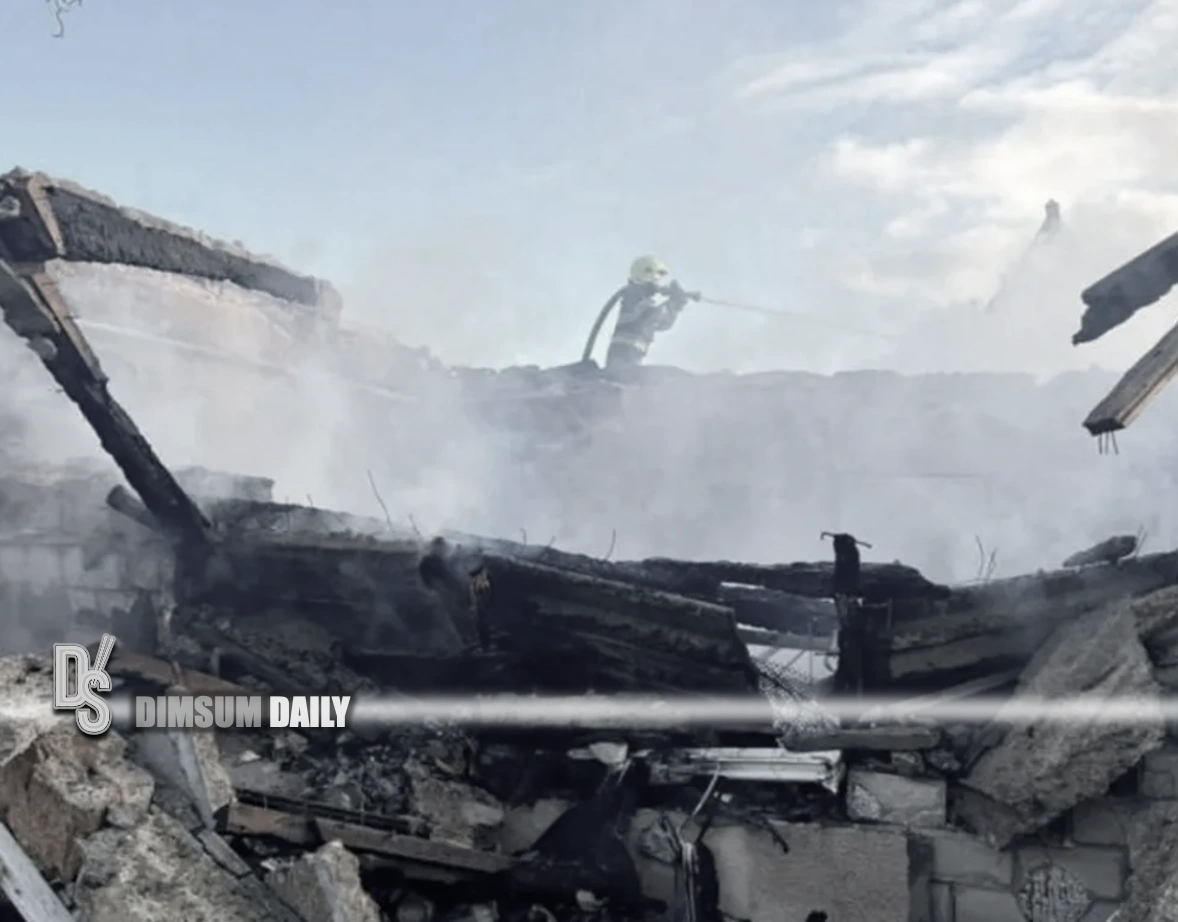
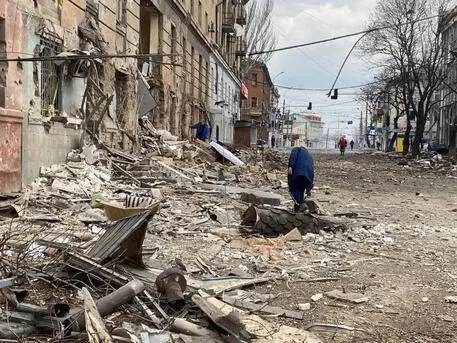
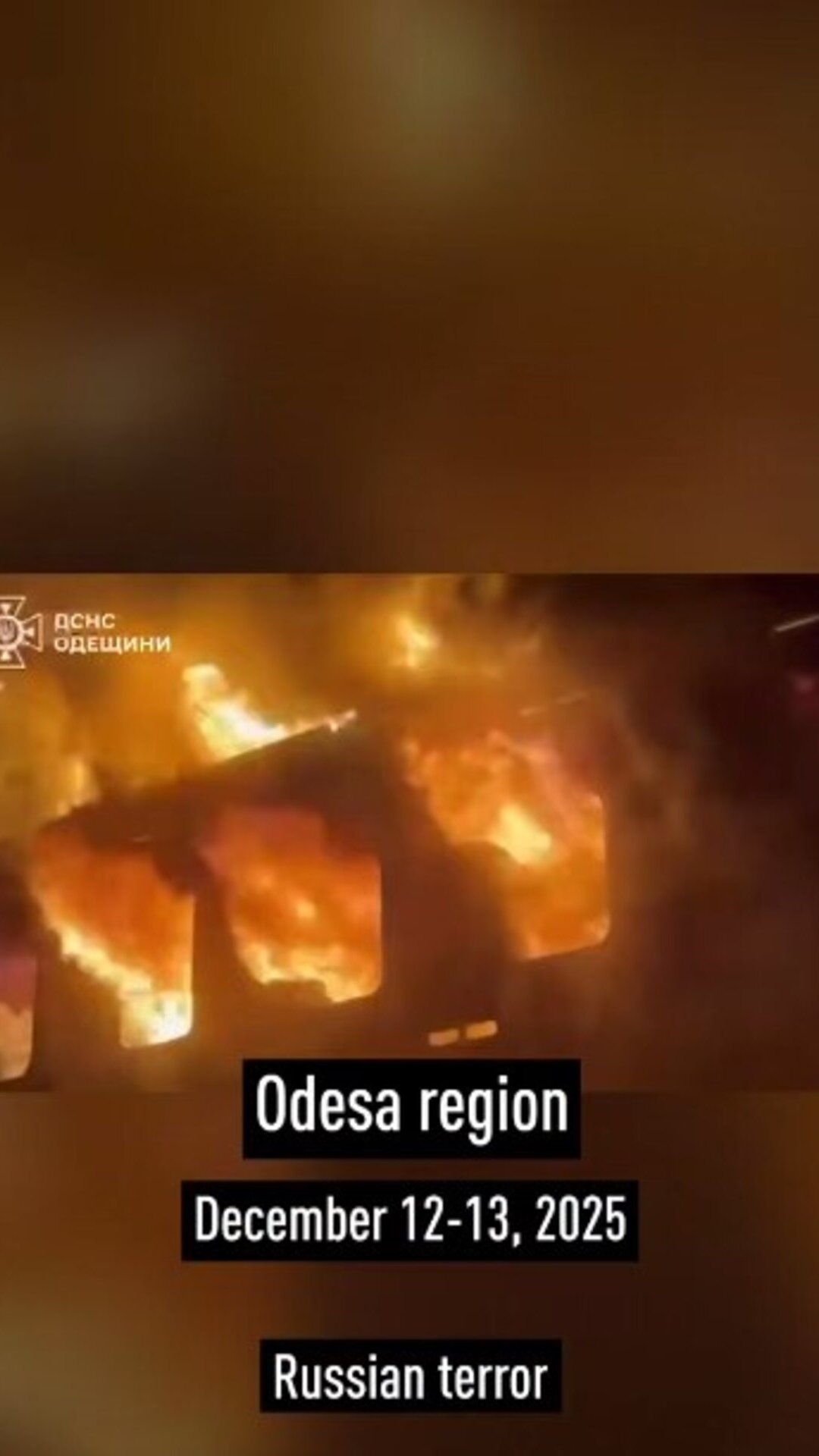
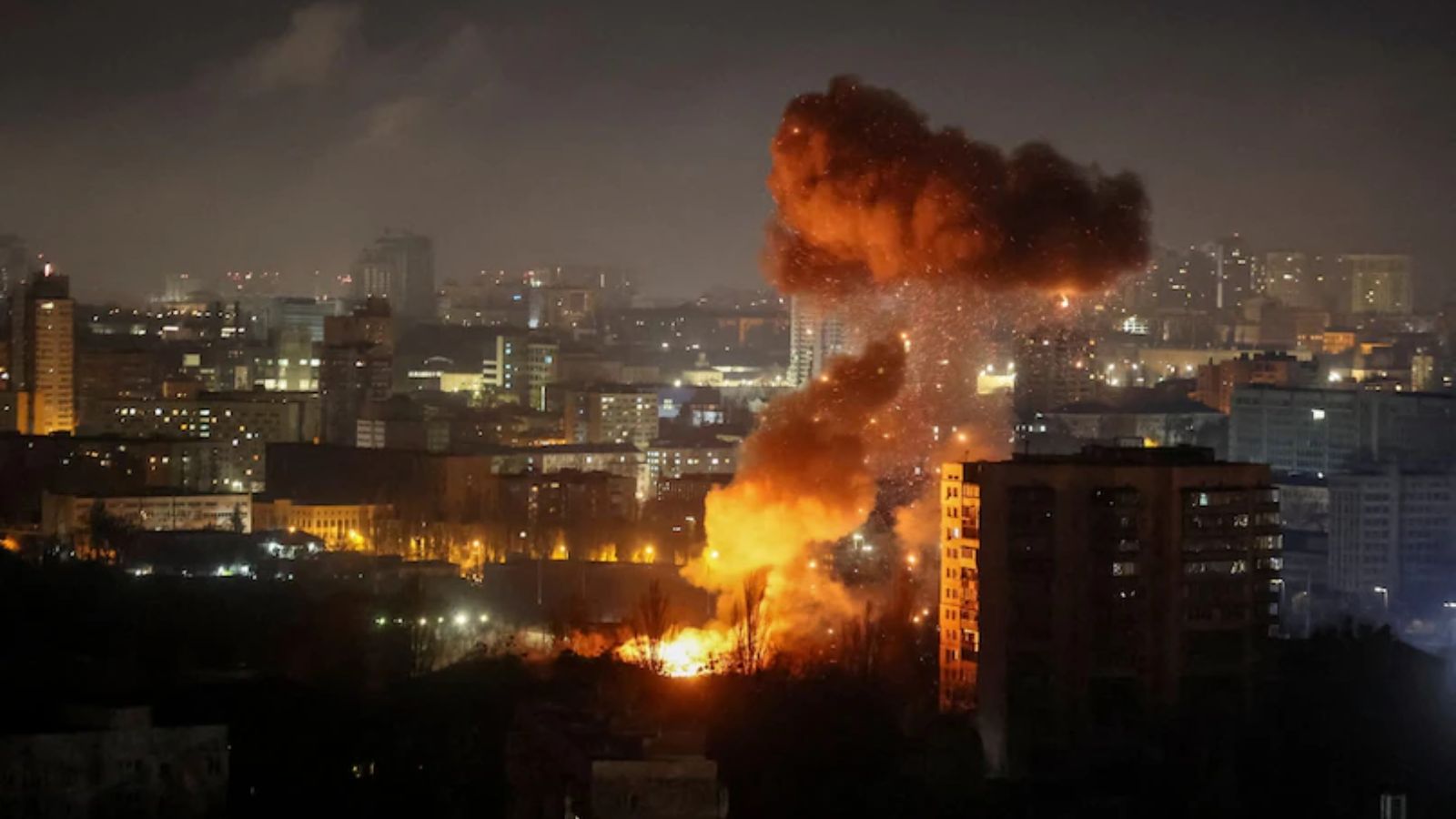
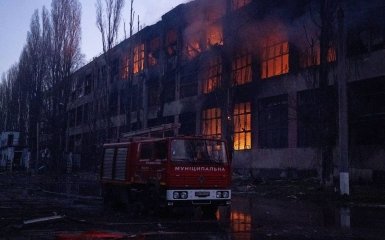
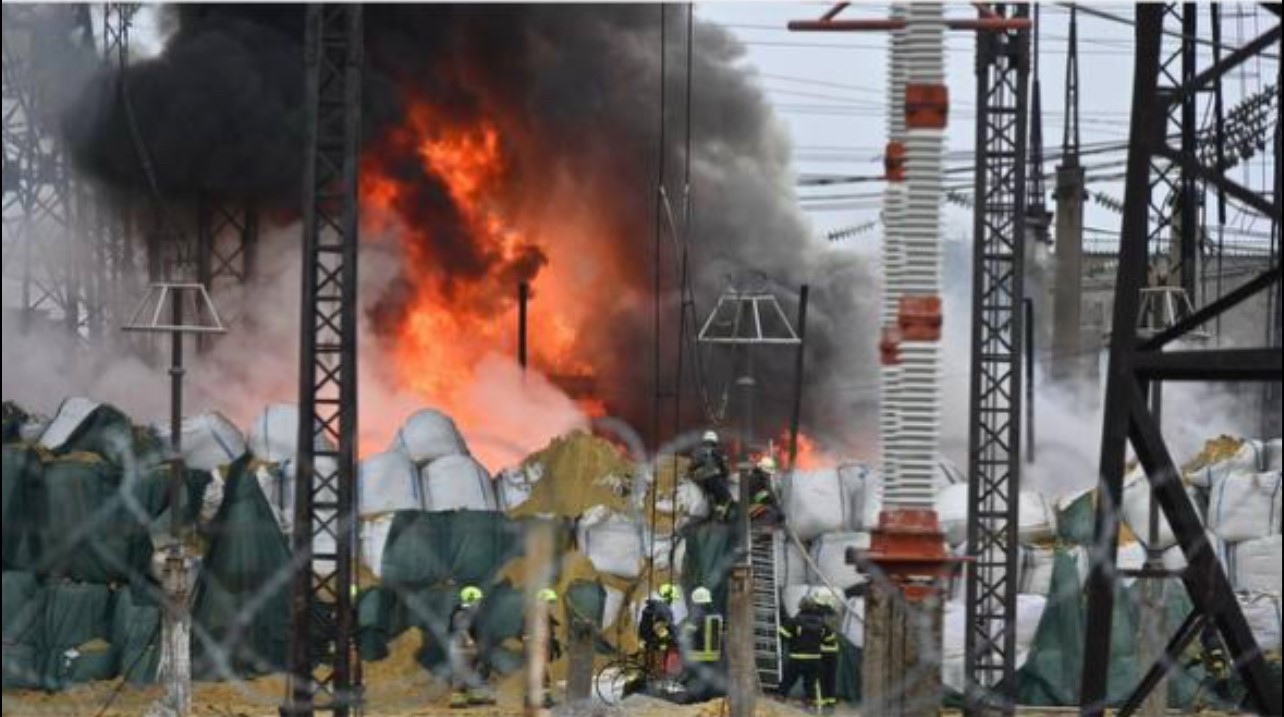
The ongoing Russian missile and drone campaign against Ukraine represents a sophisticated strategic assault designed to systematically dismantle critical infrastructure during the most vulnerable winter months. Over the past week, Russia has launched an unprecedented technological warfare campaign, deploying over 1,500 strike drones, 900 aerial bombs, and 46 missiles specifically targeting energy systems across seven Ukrainian regions.
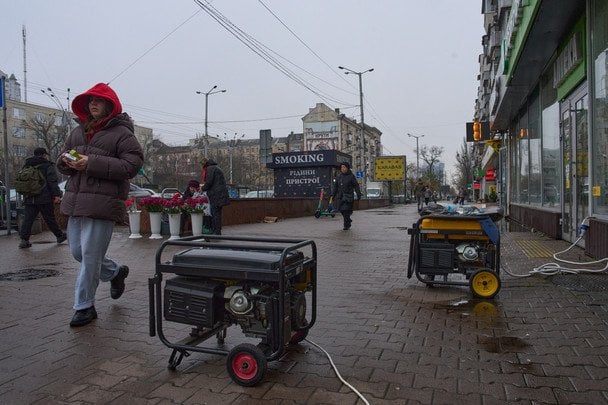
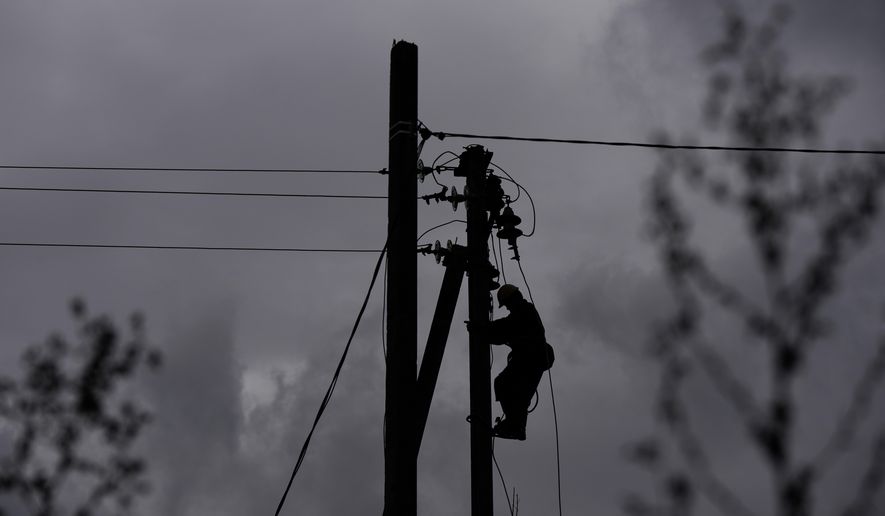
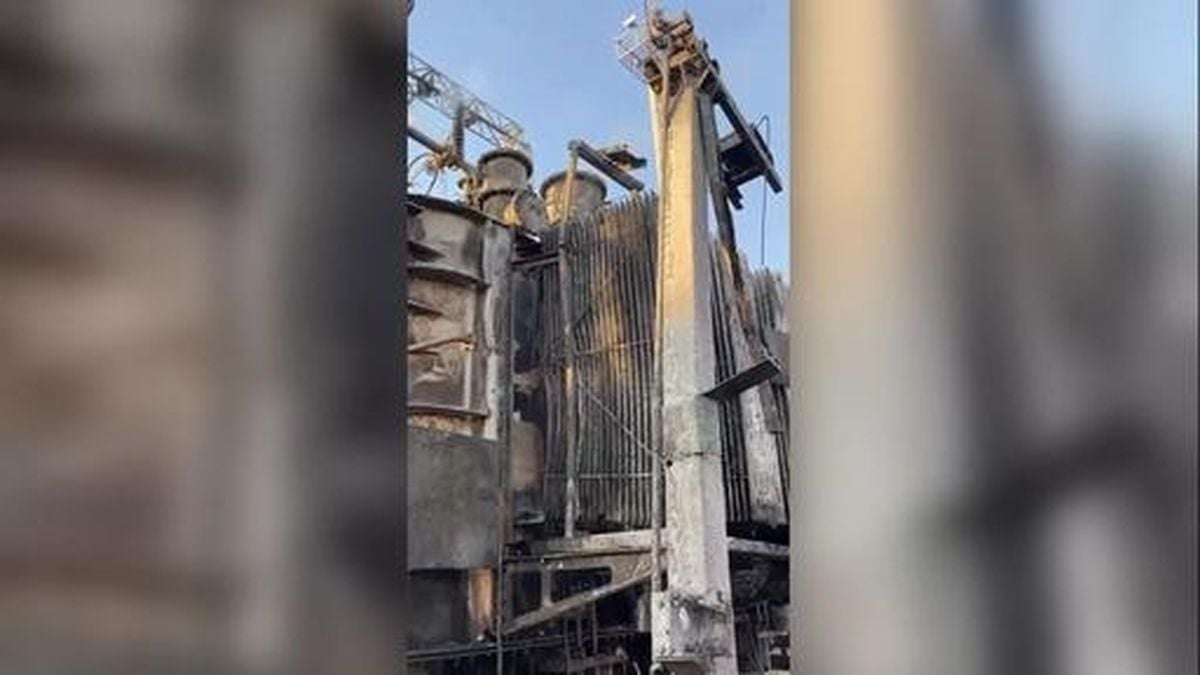
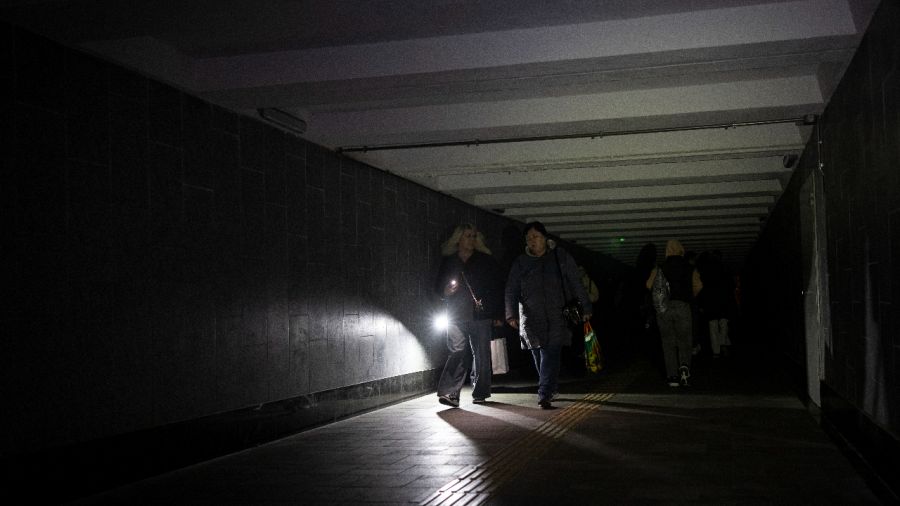
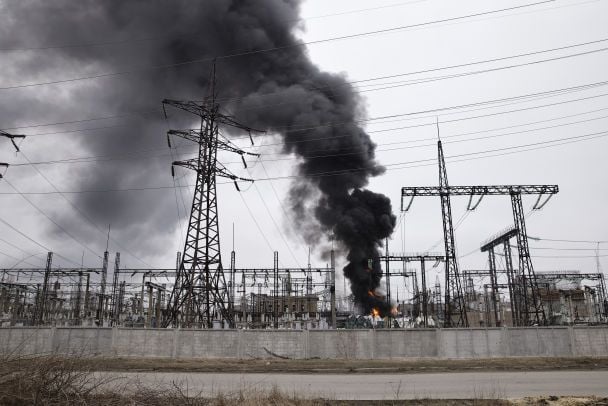
Strategic Infrastructure Targeting emerges as the core Russian tactical approach. By systematically damaging electrical substations and energy facilities, Russia aims to create maximum civilian disruption. The scale is staggering: over one million households have lost power, with 20 electrical substations in the Odesa region alone damaged, causing cascading failures in grain storage and water supply systems. The Kherson regional capital experienced complete electricity loss, reducing water availability to just four critical hours daily.
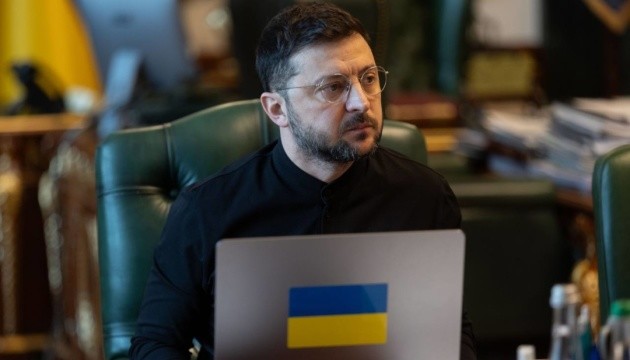
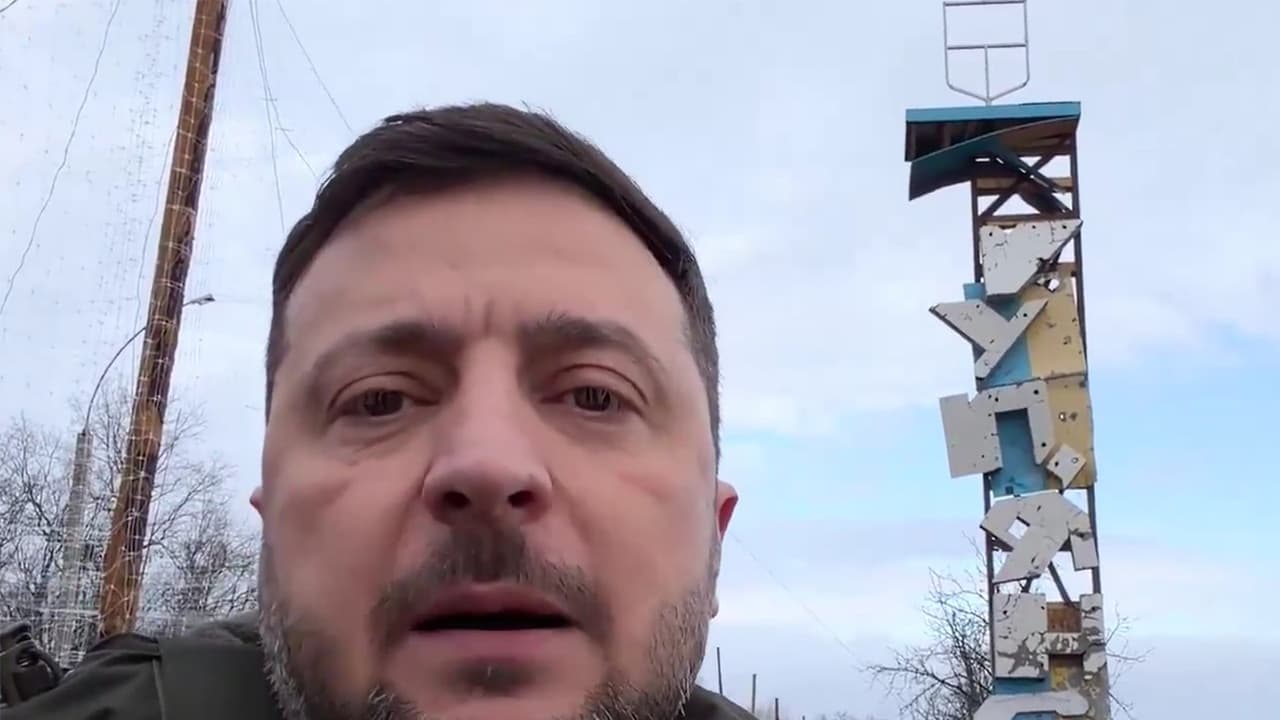
The diplomatic landscape simultaneously reveals a complex negotiation dynamic. Despite these aggressive attacks, Ukrainian President Volodymyr Zelenskyy maintains a surprisingly constructive stance, preparing negotiators for potential peace discussions with U.S. and European representatives. This diplomatic resilience stands in stark contrast to Russia's military posture, which continues to express skepticism about peace proposals while maintaining an aggressive military presence.
Ukraine's military response demonstrates remarkable adaptability. Reporting up to 300 daily combat encounters, Ukrainian forces have successfully counterattacked in the Kharkiv region, driving Russian units out of Kupiansk and inflicting significant losses. The Ukrainian air force's drone interception rate—successfully neutralizing 110 out of 138 overnight drones—further illustrates their technological and strategic sophistication in defending against systematic infrastructure attacks.
The broader geopolitical implications are profound. Russia's strategy extends beyond immediate military objectives, targeting civilian morale and economic sustainability through calculated infrastructure destruction. By weaponizing energy systems during winter, Russia is essentially conducting a form of hybrid warfare that blurs traditional boundaries between military and civilian domains.
Questions 3
What is Russia's primary strategic objective in targeting Ukrainian energy infrastructure?
Russia aims to systematically undermine Ukraine's civilian resilience by destroying critical energy systems during winter, creating maximum economic and psychological disruption. By targeting electrical substations and infrastructure, they seek to weaken civilian morale and strain Ukraine's economic sustainability without direct military confrontation.
What makes these attacks a form of 'hybrid warfare'?
These attacks blur traditional military boundaries by targeting civilian infrastructure as a strategic weapon. By weaponizing energy systems during winter, Russia creates a multi-dimensional conflict that impacts economic, psychological, and physical domains simultaneously, extending beyond conventional military engagement.