




Cross-Border E-Commerce: Navigating Geopolitical Shifts and Economic Uncertainty in 2024
- Strategic Adaptation for Sellers Amid Global Market Realignment

































Overview
The global economic landscape is experiencing unprecedented complexity, presenting both challenges and strategic opportunities for cross-border e-commerce sellers. Multiple interconnected factors are reshaping international trade dynamics, requiring sellers to develop highly adaptive and intelligence-driven strategies.
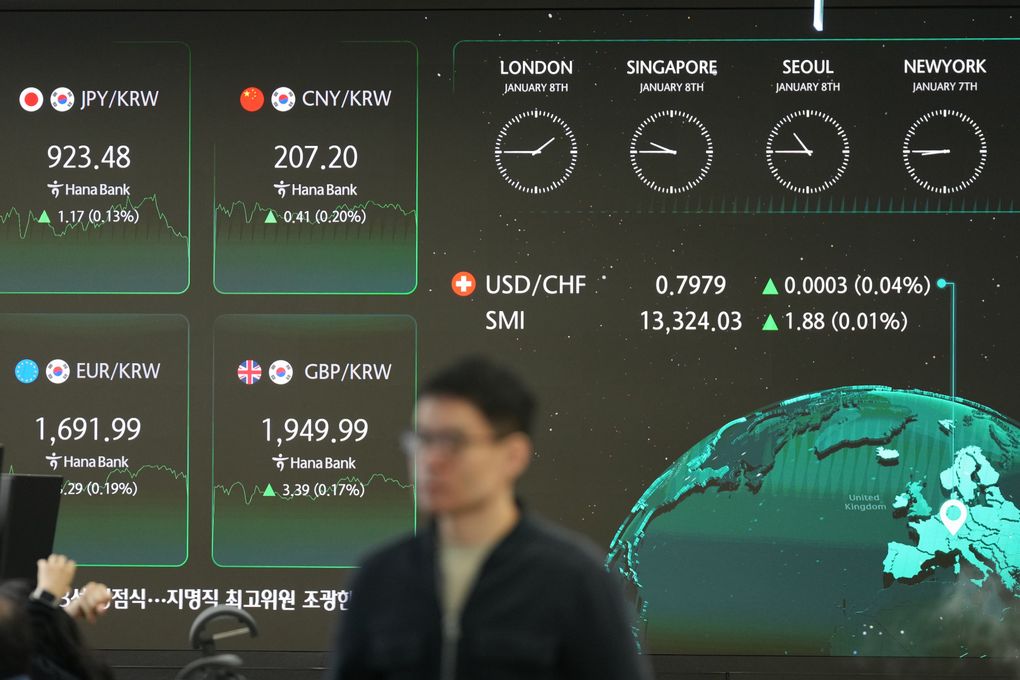
Geopolitical Fragmentation and Market Uncertainty The emerging global environment is characterized by increasing geopolitical tensions, particularly evident in US-China relations and regional economic repositioning. Cross-border sellers must recognize that traditional market assumptions are rapidly evolving. The Bloomberg Daybreak Asia report highlights a "world split in two", signaling potential disruptions in established trade corridors and requiring sellers to diversify their market entry approaches.
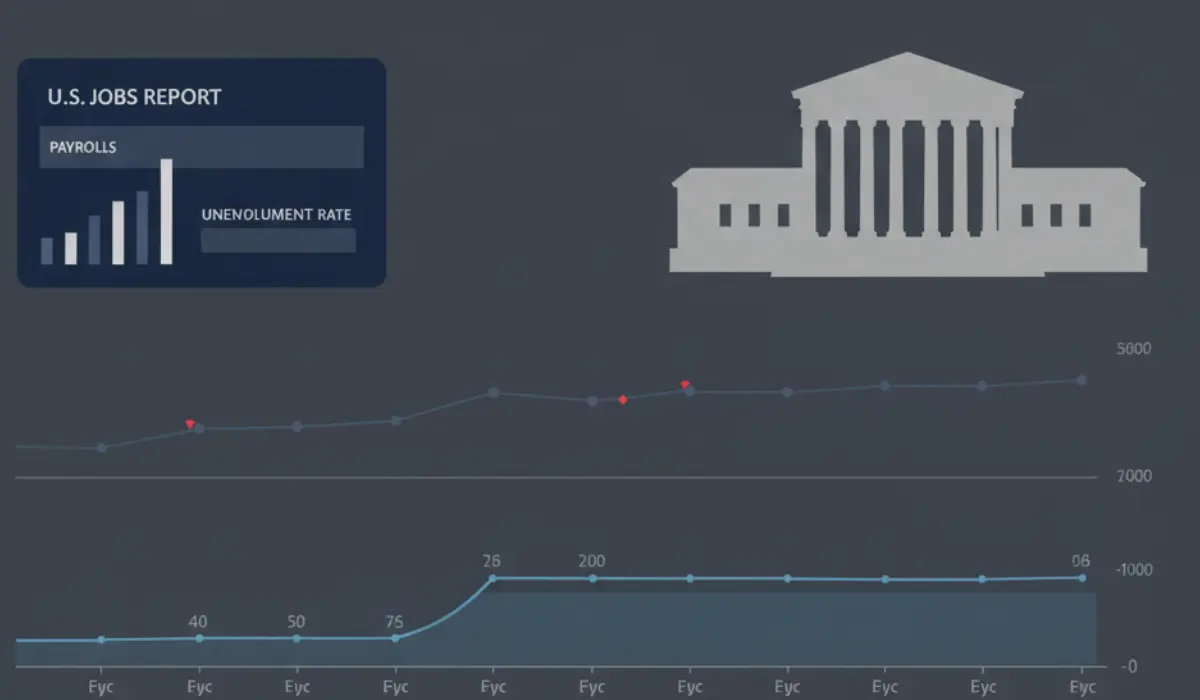
Economic Policy and Market Volatility The U.S. Federal Reserve's complex monetary policy landscape presents significant implications. With 90% of traders expecting rate maintenance and potential tariff policy changes, sellers must build financial models that can withstand rapid economic shifts. The potential Supreme Court ruling on trade tariffs could impact approximately $179 billion in collected tariffs, representing a massive potential redistribution of cross-border trade economics.
Strategic Adaptation Imperatives Successful cross-border sellers in 2024 will need to:
- Develop flexible market entry strategies
- Maintain comprehensive geopolitical intelligence
- Create diversified supply chain and market presence
- Implement rapid response mechanisms for regulatory changes
The convergence of technological innovation, geopolitical realignment, and economic uncertainty demands a new paradigm of strategic agility for international e-commerce participants.
Questions 5
How will geopolitical tensions impact cross-border e-commerce in 2024?
Geopolitical tensions will create market fragmentation, requiring sellers to develop more flexible market entry strategies. Sellers should diversify supply chains, monitor regional regulatory changes, and build adaptive business models that can quickly respond to emerging trade complexities.
What strategic adjustments should e-commerce sellers make in response to current economic uncertainties?
Sellers should focus on three key strategies: 1) Diversify market presence across multiple regions, 2) Implement robust financial planning with scenario modeling, 3) Develop agile supply chain networks that can quickly pivot between manufacturing and logistics corridors.