
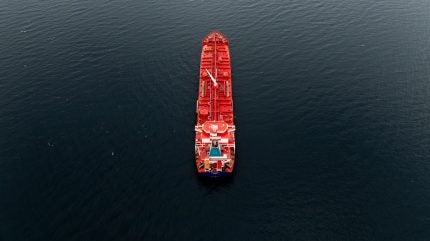


Strait of Hormuz Closure Drives 50% Oil Surge | Critical Shipping Cost Crisis for E-Commerce Sellers
- Oil prices surge to $109.26/barrel with 50% increase since February 2026; fuel surcharges spike 50-52% affecting all cross-border sellers, particularly air freight and expedited logistics operators













Overview
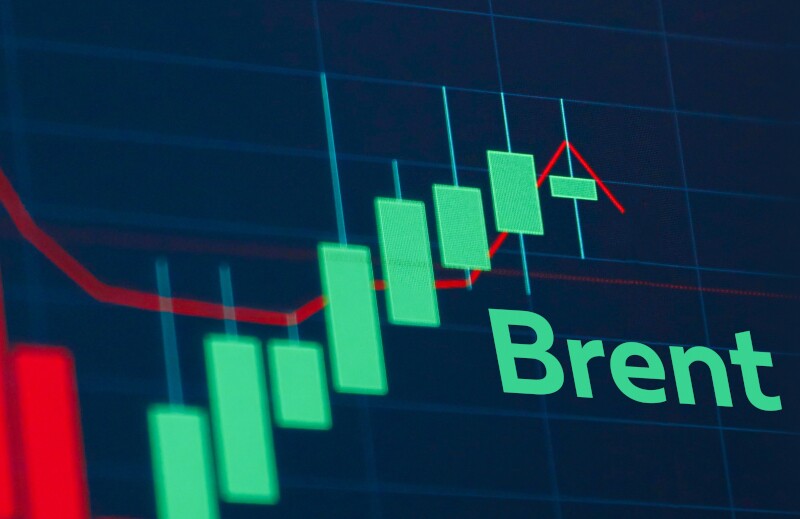
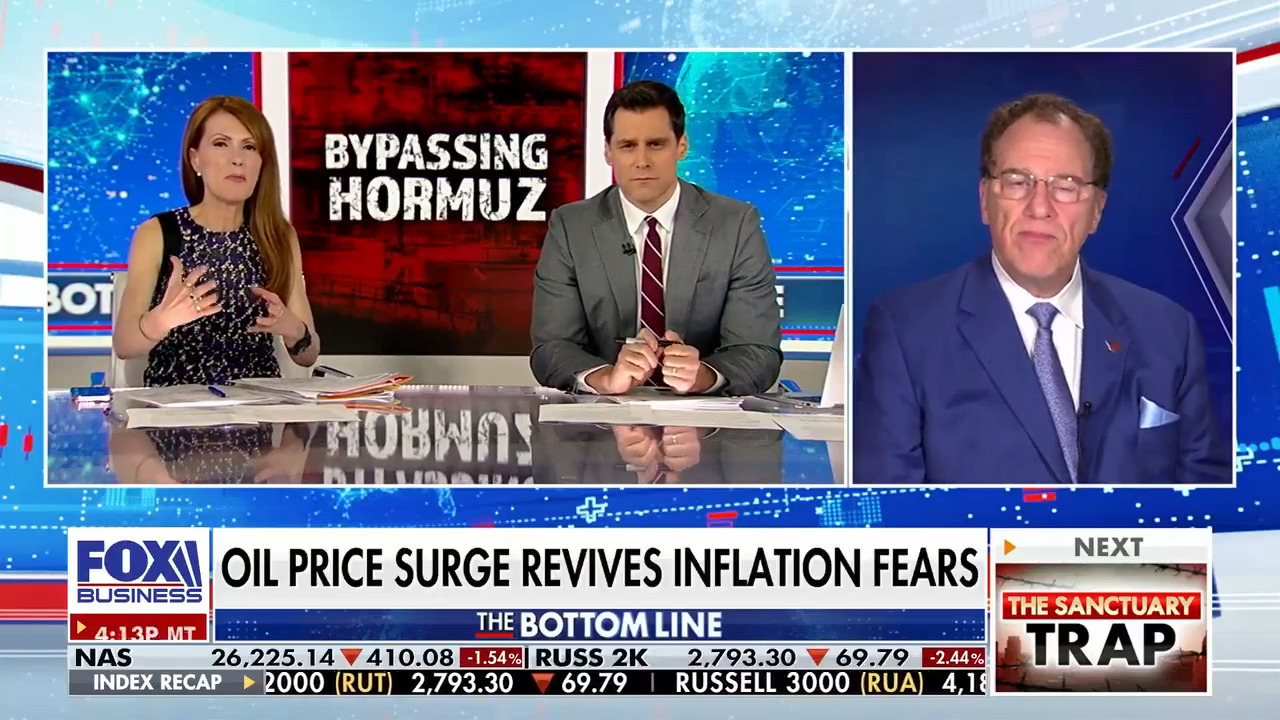
The prolonged closure of the Strait of Hormuz since late February 2026 represents the most significant logistics cost shock for cross-border e-commerce sellers in over a decade. Following failed diplomatic negotiations between President Trump and China's Xi Jinping on May 15, 2026, Brent crude surged 3% to $109.26 per barrel while West Texas Intermediate rose 4% to $105.42, with oil prices climbing 50% overall since the Middle East conflict began. The Strait of Hormuz, which carries approximately 20% of global crude oil and one-third of seaborne oil trade, remains effectively closed with no immediate resolution in sight. This creates a cascading cost structure that fundamentally alters profitability across all seller segments.
Direct Logistics Cost Impact: Fuel surcharges have increased 50-52% for diesel and regular fuel (reaching $5.66/gallon diesel and $4.53/gallon regular per AAA data), directly translating to elevated shipping costs across all fulfillment channels. Air freight-dependent sellers face particularly acute pressures, as jet fuel availability is critically constrained—the UK holds only one month's worth of jet fuel stocks with 65% reliance on seaborne imports. For sellers using expedited international fulfillment, air freight premiums have increased 15-25% above baseline rates. Ocean freight surcharges are adding $200-400 per 40-foot container on Asia-to-US routes, while European distribution centers face additional pressure from EU discussions of windfall profit taxes on energy companies, potentially increasing operational costs by 8-12% for sellers with EU warehousing.
Regional Supply Chain Vulnerabilities: The crisis extends beyond fuel costs to broader supply chain consolidation. Japan's Eneos acquisition of Chevron's refining subsidiaries in Southeast Asia and Australia for $2.17 billion signals regional logistics infrastructure consolidation that will concentrate shipping power among fewer providers, likely increasing rates further. India's fuel price increases and Russia's waiver extension requests indicate continued supply chain pressures in Asian manufacturing and fulfillment hubs. Ukraine's drone strikes have taken 700,000 barrels per day of Russian refinery capacity offline since January 2026, while Mexico's Pemex leadership changes and Cuba's critical fuel shortages compound global supply constraints. The UAE's accelerated pipeline infrastructure bypassing the Strait of Hormuz (targeting 2027 completion) offers only medium-term relief, leaving sellers exposed to elevated costs for at least 12-18 months.
Market Demand Contraction Risk: Beyond logistics costs, the broader economic shock threatens demand. Global stock markets experienced synchronized declines—S&P 500 fell 1.2%, South Korea's Kospi tumbled 6%, Japan's Nikkei dropped 2%, and European indices declined 1.5-2%. The 10-year U.S. Treasury yield spiked above 4.5% (highest in one year), with roughly half the increase attributed to rising inflation expectations. Deutsche Bank analysts warn of a protracted energy shock, signaling consumer spending reductions across multiple product categories. Sellers with fixed-price contracts face margin compression of 8-15%, while those dependent on petroleum-based packaging materials (plastics, foam, synthetic fibers) face additional cost pressures from rising feedstock prices.
Questions 7
What's the timeline for Strait of Hormuz reopening and when will shipping costs normalize?
Market analysts expect the Strait to remain closed for at least 12-18 months based on Trump's May 15, 2026 comments indicating no immediate diplomatic resolution. The UAE's pipeline infrastructure bypass project targets 2027 completion and will only double export capacity from 1.8 million barrels per day—insufficient to fully replace Hormuz traffic. Strategic petroleum reserve releases and demand destruction have provided temporary relief, but Commerzbank analysts warn the margin for error is shrinking rapidly. Expect elevated fuel surcharges through at least Q4 2026 and potentially into 2027. Sellers should plan for sustained 40-50% higher shipping costs as the baseline for the next 18 months and build pricing models accordingly. Lock in long-term 3PL contracts now before rates increase further, and consider inventory pre-positioning in key markets to reduce future shipping frequency.
How will consumer spending reductions from inflation impact my product demand?
The 10-year Treasury yield spike above 4.5% (highest in one year) signals rising inflation expectations that typically reduce consumer discretionary spending by 8-15% in the following 2-3 quarters. Global stock market declines (S&P 500 down 1.2%, Kospi down 6%, Nikkei down 2%) indicate systemic economic stress beyond energy sectors. Sellers should expect demand contraction in discretionary categories (fashion, home décor, electronics) while essential categories (health, beauty, household supplies) remain more resilient. Prepare for 10-20% demand reduction in Q3-Q4 2026 for non-essential products. Conversely, sellers of energy-efficient products, cost-saving solutions, and value-oriented merchandise may see demand increases as consumers trade down. Adjust inventory levels downward by 15-20% for discretionary categories and shift marketing spend toward value propositions and cost-saving benefits.