

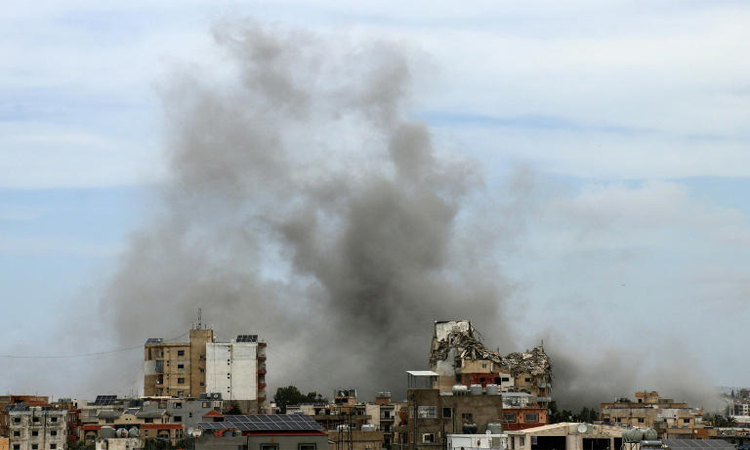


Strait of Hormuz Blockade Reshapes Cross-Border Shipping | 21% Global Oil Route Disrupted
- Iran's selective access protocol creates 15-25% shipping cost increases for non-aligned sellers; Iraq oil exports collapse 89% (93M to 10M barrels); Brent crude rises to $109/barrel (+3%)




Overview
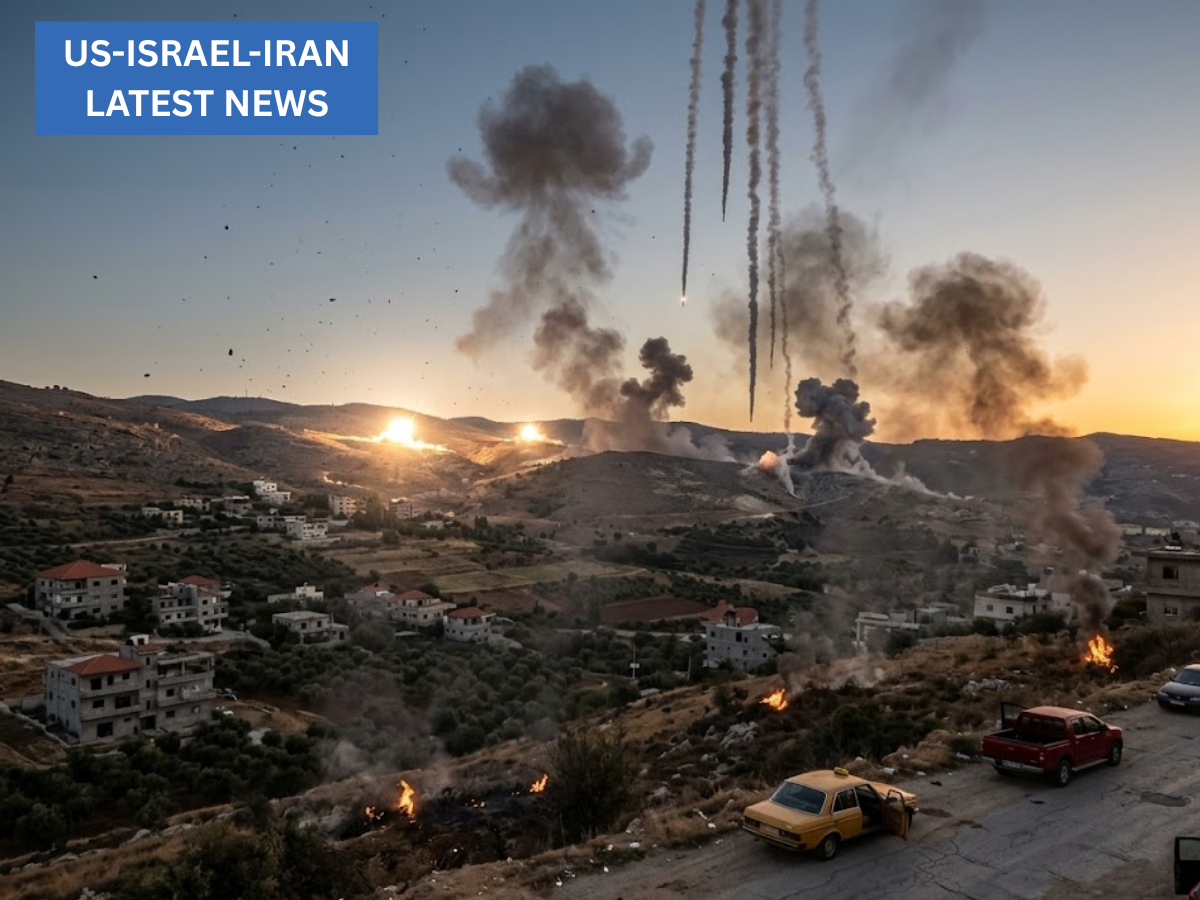
Iran's enforcement of Strait of Hormuz control protocols as of May 14, 2026 represents a critical supply chain disruption for cross-border e-commerce sellers, fundamentally altering maritime logistics for Asia-Europe-Middle East trade corridors. The waterway handles approximately 21% of global petroleum and essential goods including medicines, food, fuel, and textiles. Iran has implemented a geopolitically-selective access system, exempting "friendly countries" (China, Russia, India, Iraq, Pakistan, Malaysia, Thailand, Japan) from toll payments while subjecting other nations to unpredictable regulatory treatment. The U.S. Navy has responded by redirecting 70 vessels and disabling four since implementing a blockade on April 13, 2026, creating a dual-blockade scenario that compounds shipping disruptions.
The operational impact on sellers is immediate and severe across multiple cost vectors. Iraq's oil exports through the Strait plummeted from 93 million barrels to just 10 million in April—an 89% collapse—forcing regional exporters to seek alternative routes and driving Brent crude to nearly $109 per barrel (3% increase). For sellers relying on petroleum-based logistics, this translates to 15-25% increases in fuel surcharges on FBA shipments and 3PL fulfillment costs. Sellers shipping through the Strait face potential vessel seizure (documented incidents include the Honduras-flagged Hui Chuan seizure on May 14 and an Indian cargo vessel sinking), extended transit times of 2-4 weeks, and insurance premium increases of 8-12% for Middle East-bound shipments. The selective exemption protocol creates competitive disadvantages for US-based sellers and non-aligned country exporters, while Chinese, Indian, and Russian sellers gain preferential access and lower transit costs.
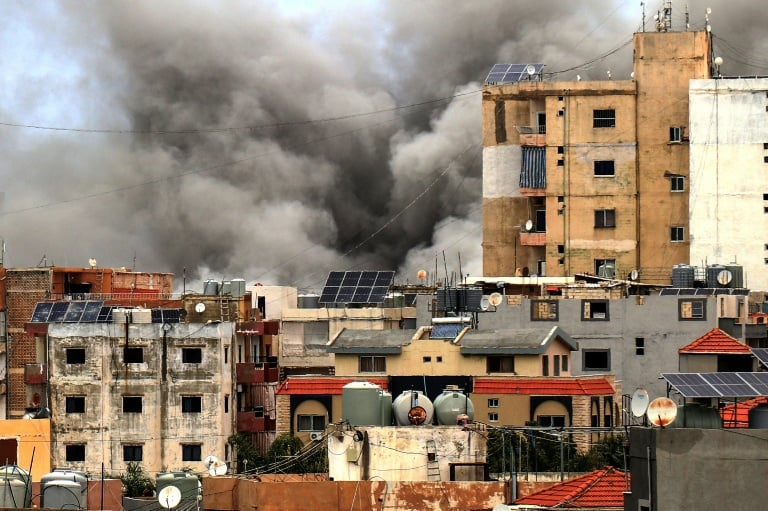
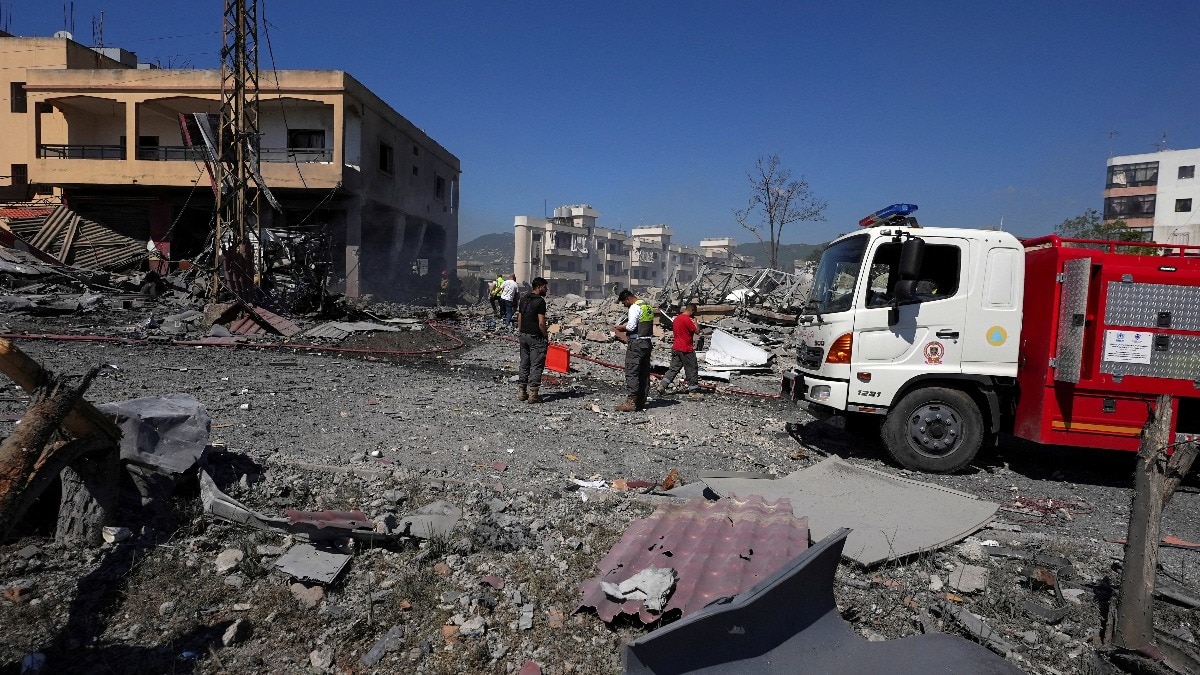
Strategic sourcing country shifts are accelerating as sellers diversify away from Strait-dependent routes. Sellers previously sourcing from India, Pakistan, and Southeast Asia for Europe-bound shipments now face 15-30 day delays and 20-30% cost premiums, incentivizing sourcing shifts to Vietnam, Indonesia, and Thailand (which retain exemption status). For sellers serving Middle Eastern markets (UAE, Saudi Arabia, Qatar), the blockade creates acute supply chain vulnerability—Iraq's production collapse signals potential shortages of petroleum-dependent products (plastics, chemicals, packaging materials) that could drive 10-15% price increases in Q2-Q3 2026. The 45-day Israel-Lebanon ceasefire extension provides temporary stability but does not address the underlying Strait control issue, meaning sellers should assume 6-12 month disruption scenarios rather than near-term resolution.
Questions 8
How will Brent crude rising to $109/barrel impact cross-border seller margins and pricing strategies?
The 3% crude price increase to $109/barrel directly impacts fuel surcharges, shipping costs, and packaging material prices. For sellers using FBA, fuel surcharges typically increase $0.15-0.30 per unit for standard-size products. Sellers shipping 10,000 units monthly face $1,500-3,000 additional monthly costs. Packaging material costs (plastics, corrugated cardboard) increase 5-8% due to petroleum dependency. Sellers should immediately review pricing: increase product prices 3-5% for high-margin items (>40% margin); absorb costs for commodity products (<20% margin) to maintain competitiveness; negotiate volume discounts with 3PL providers to offset surcharges. Global stock markets slumped on Strait disruption concerns, signaling potential consumer spending declines that could offset price increases—sellers should monitor conversion rates closely.
What compliance and documentation requirements apply to sellers shipping through alternative routes?
Alternative routes (Suez Canal, Cape of Good Hope) require updated customs documentation and potentially different insurance classifications. Sellers must: (1) verify HS codes for products to ensure tariff compliance in destination countries; (2) update shipping declarations to reflect new routes and extended transit times; (3) obtain marine insurance covering alternative routes (8-12% premium increase); (4) coordinate with customs brokers on extended clearance timelines (2-4 weeks vs. standard 5-7 days). For Middle East shipments, sellers should verify Iran sanctions compliance—products cannot be shipped to Iran-sanctioned entities, and sellers must screen against OFAC lists. Documentation should specify route taken to demonstrate good-faith compliance with Strait disruptions. Failure to update documentation can result in customs delays, penalties, or shipment seizure.