




The Final Curtain: Hong Kong's Democratic Party Collapses Under Beijing's Systematic Suppression
- Political Transformation Signals Complete Erosion of Opposition Representation in Hong Kong



)





Overview
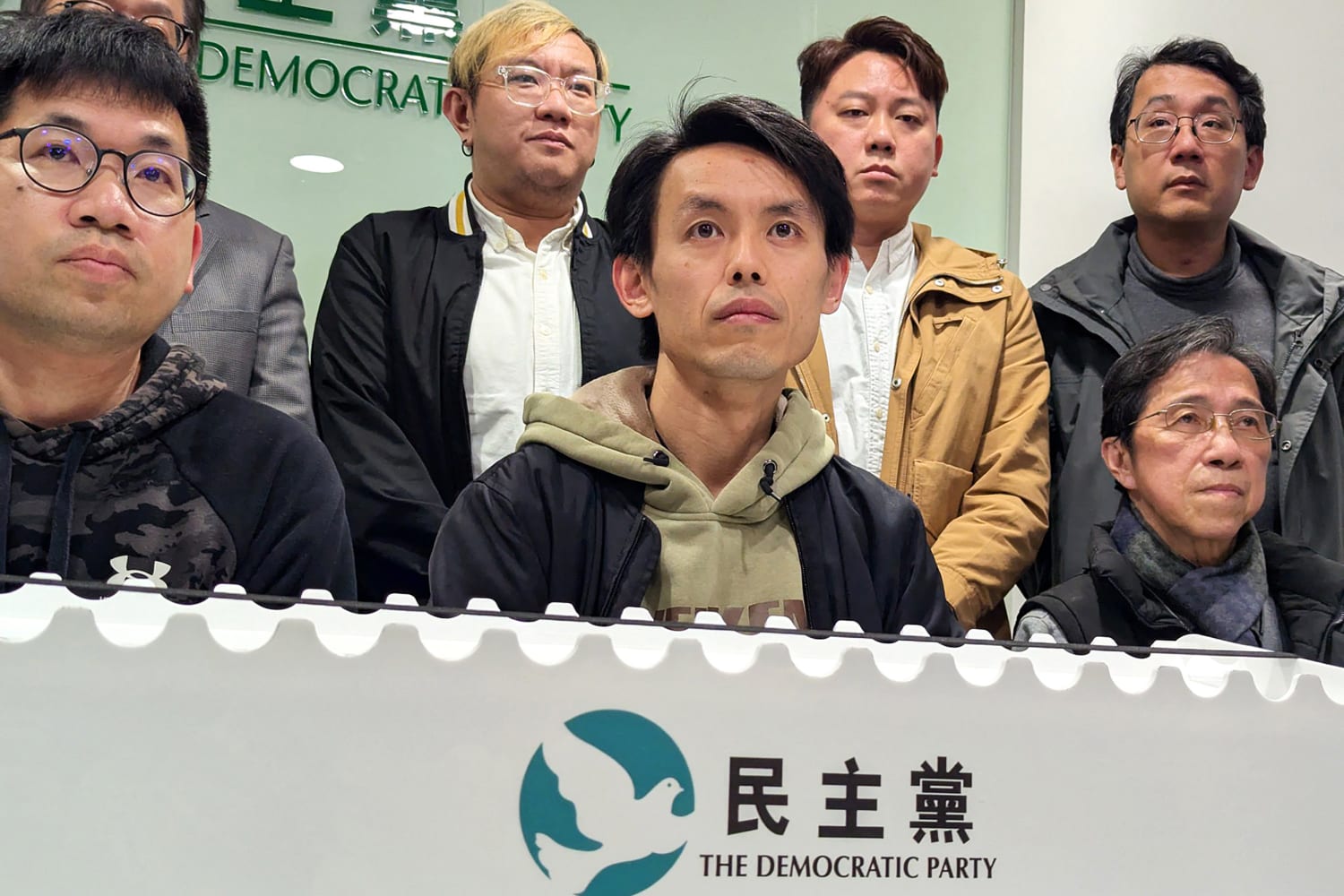
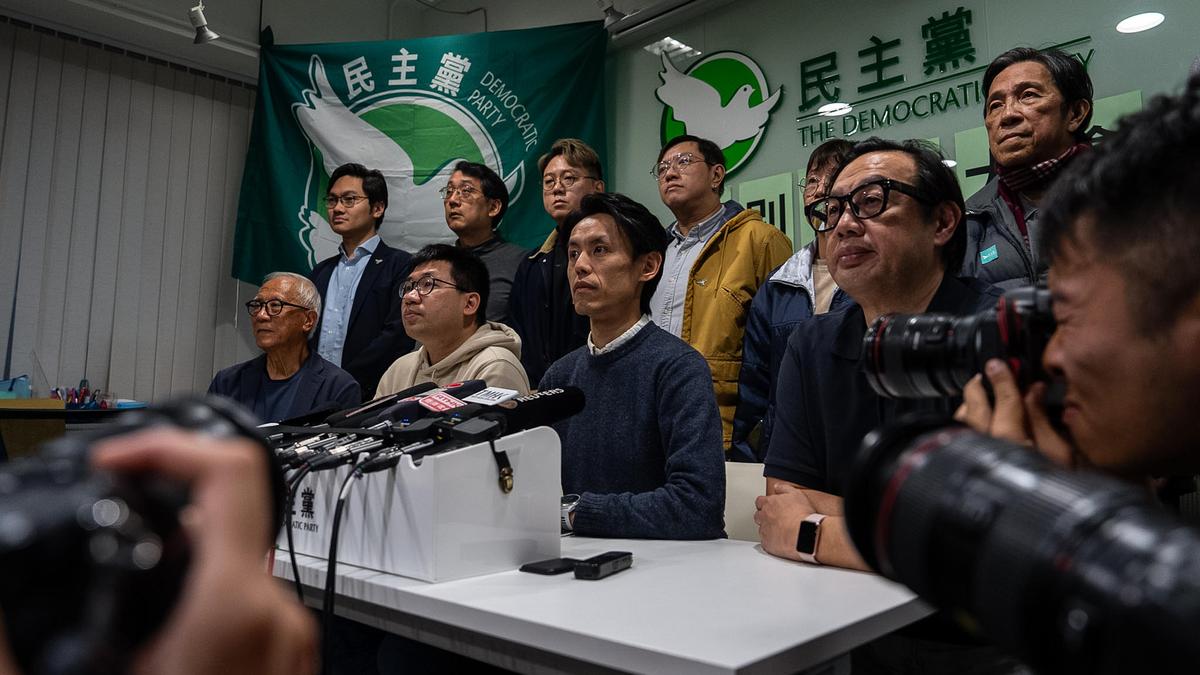
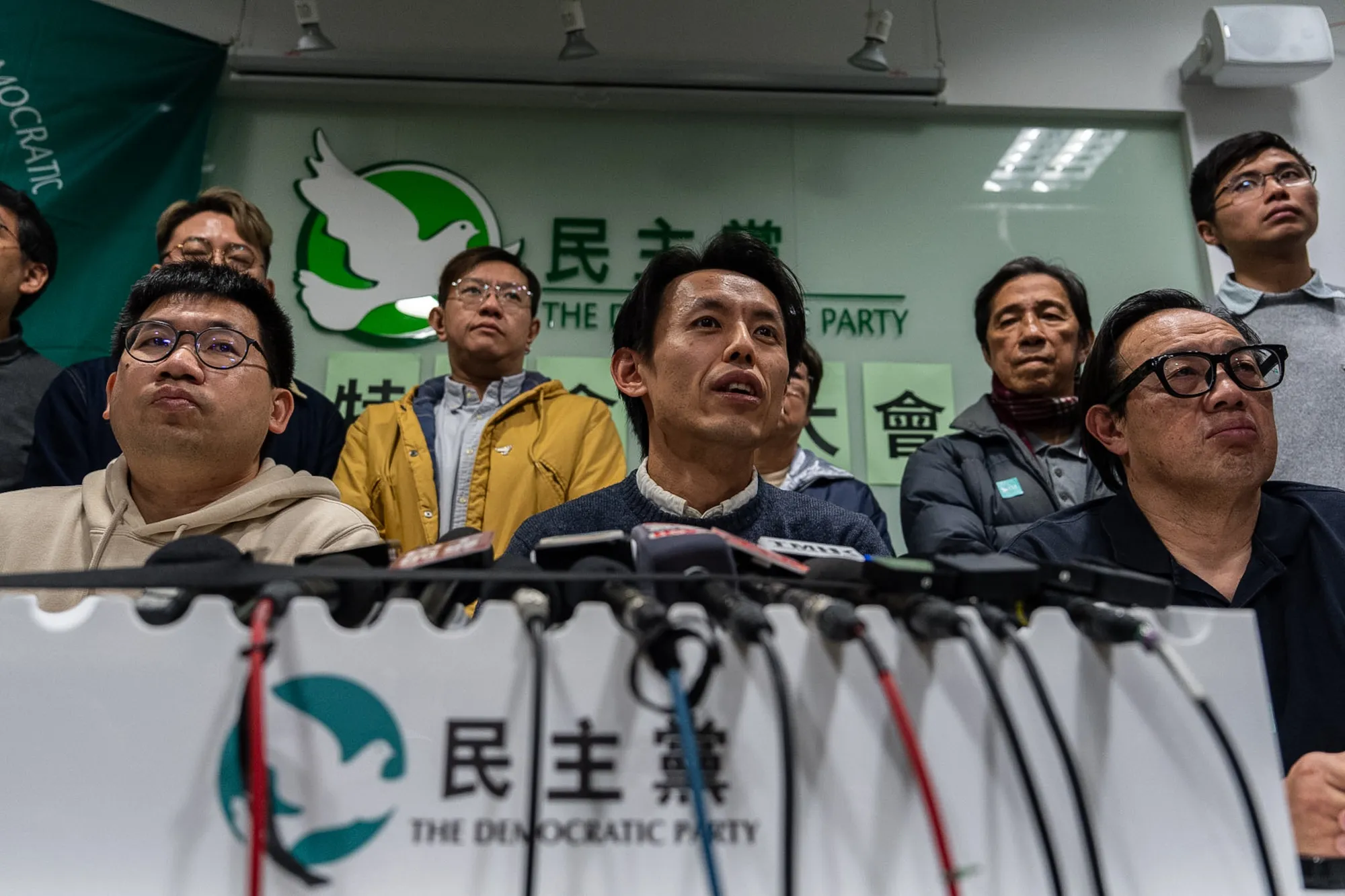
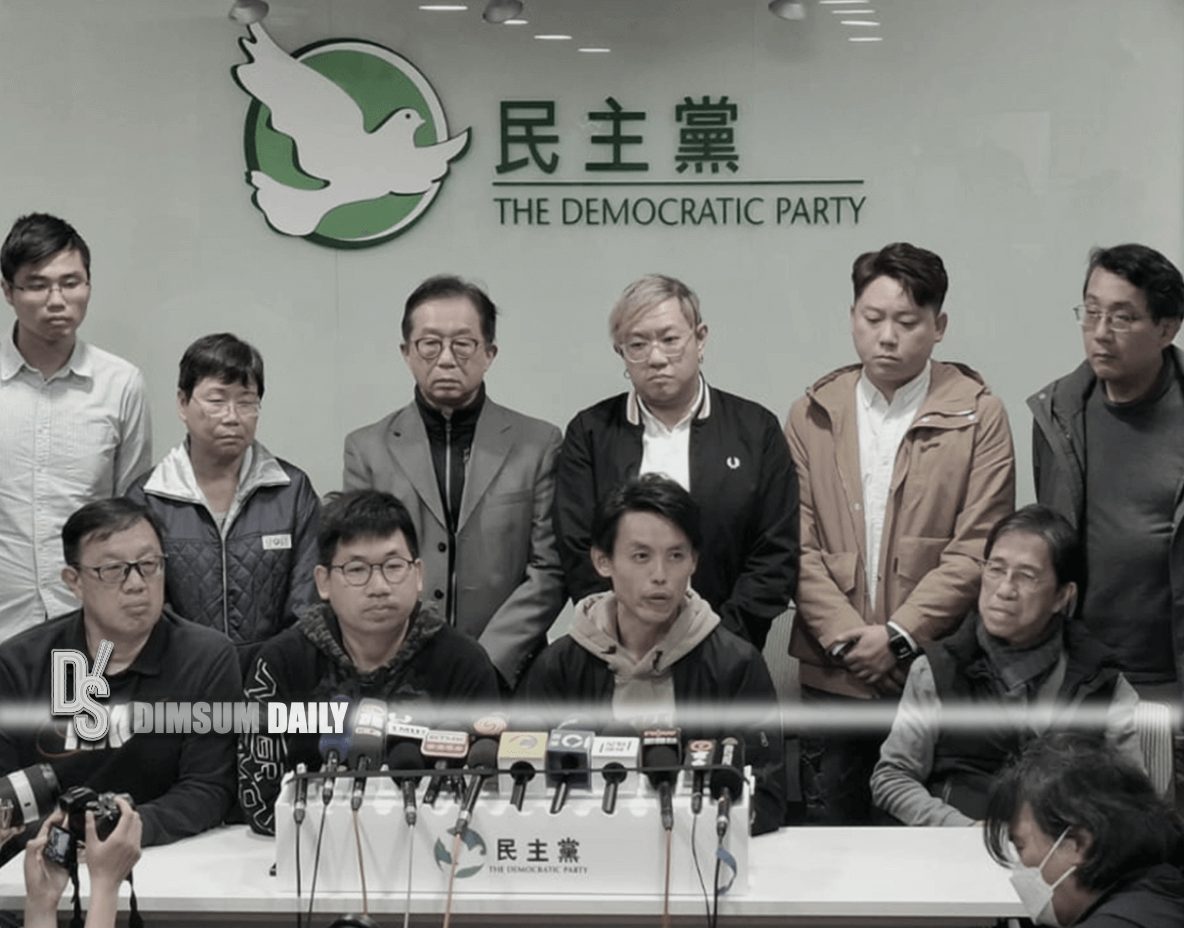
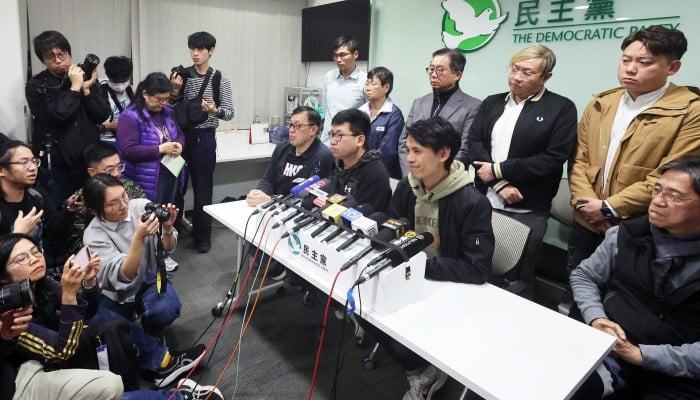
The dissolution of Hong Kong's Democratic Party represents a watershed moment in the city's political metamorphosis, marking the definitive end of meaningful democratic opposition under Chinese authoritarian consolidation. After 31 years of political activism, the party's near-unanimous vote to disband (117 out of 121 members) reveals the profound systemic pressure orchestrated by Beijing to eliminate political pluralism.
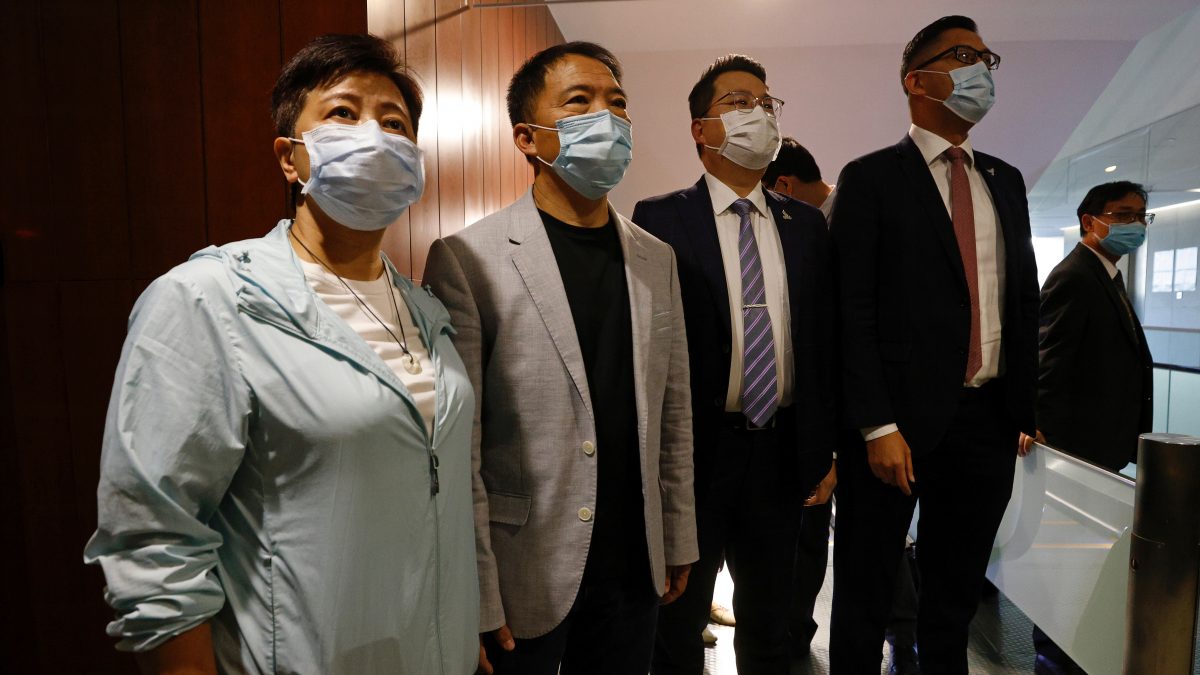
The party's collapse is not an isolated event but a calculated outcome of China's strategic dismantling of Hong Kong's democratic infrastructure. Following the 2019 pro-democracy protests, Beijing implemented a sweeping national security law that fundamentally reshaped the political landscape. This legal mechanism allowed for systematic marginalization of opposition voices, with multiple pro-democracy leaders like Wu Chi-wai and Albert Ho already jailed or held in custody.
China's 2021 electoral reforms, designed to ensure only 'patriots' can run for public office, effectively neutered any meaningful political resistance. The Democratic Party's dissolution symbolizes more than an organizational shutdown—it represents the complete transformation of Hong Kong's political ecosystem. International governments, including the US and UK, have criticized these actions as a direct violation of the 'one country, two systems' principle, yet Beijing remains resolute in its approach.
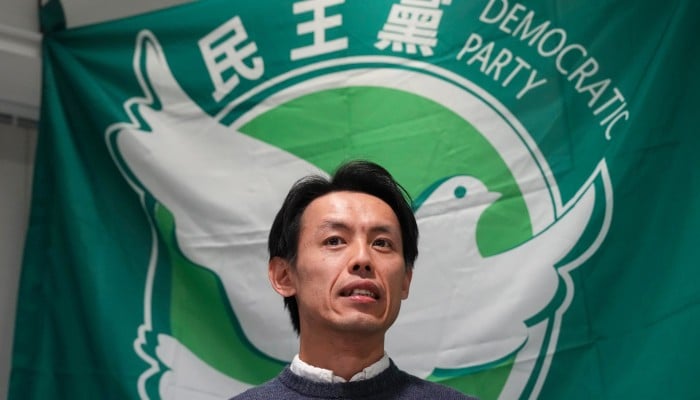
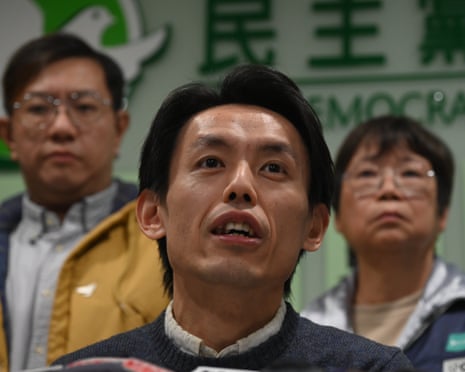
The timing and manner of the party's collapse reveal a meticulously executed strategy of political control. By creating an environment of intense legal and personal risk, China has systematically reduced political space for opposition. The party's chairman, Lo Kin-hei, acknowledged the immense pressure, highlighting the emotional weight of serving a constituency now effectively silenced.
This development signals a critical turning point: Hong Kong has transitioned from a space of relative political openness to a tightly controlled administrative region where dissent is not merely discouraged but strategically eliminated. The implications extend far beyond a single party's closure—it represents the comprehensive restructuring of Hong Kong's political identity under increased Chinese control.
Questions 3
How have international governments responded to these developments?
The US and UK have criticized China's actions as undermining Hong Kong's promised autonomy under the 'one country, two systems' principle. However, these criticisms have not substantially altered Beijing's approach to political control in the region.
What are the broader implications of the Democratic Party's dissolution?
The party's closure symbolizes the complete transformation of Hong Kong's political landscape, signaling the end of meaningful opposition and political pluralism. It demonstrates Beijing's strategy of systematically removing democratic institutions and creating an environment where only 'patriotic' voices can operate.