
Tanker Freight Rates Surge 479% YoY | Critical Cost Impact for Cross-Border Sellers
- April 2024 VLCC rates hit WS550 on key routes; sellers face 8-15% landed cost increases on bulk imports from Asia and Middle East
Overview
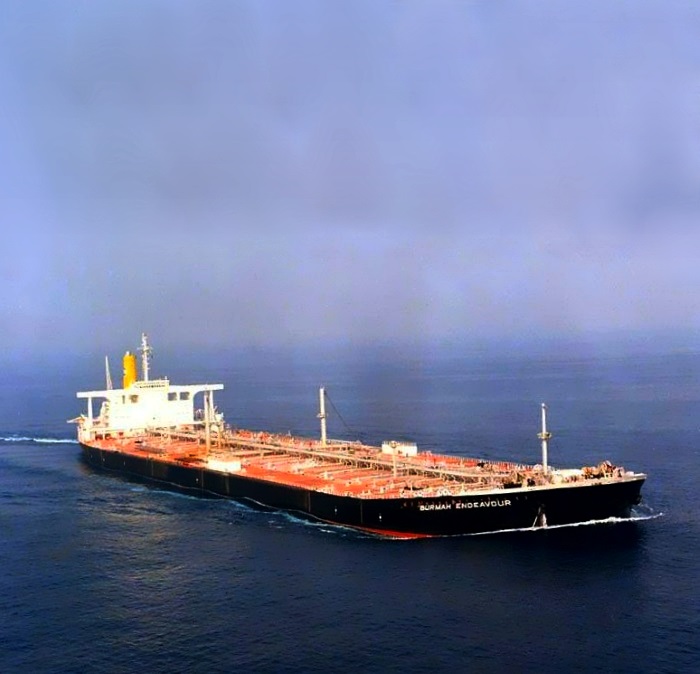
Maritime freight costs have reached structural elevation levels that directly compress margins for cross-border e-commerce sellers. OPEC's April 2024 tanker market report reveals VLCC (Very Large Crude Carrier) spot rates on the Middle East-to-East route assessed at WS550—a 479% year-over-year increase from April 2023 and a 27% month-over-month jump. While rates moderated from March record highs, the year-over-year comparison indicates this is not a temporary spike but a structural market shift driven by ongoing geopolitical trade disruptions and regional supply chain reconfigurations.
For sellers importing bulk commodities, raw materials, and heavy goods, this translates to immediate cost pressure. VLCC rates on the West Africa-to-East route averaged WS142 (down 26% MoM but up 129% YoY), while Suezmax rates on the USGC-to-Europe route fell to WS219 (down 23% MoM but up 130% YoY). Clean tanker rates strengthened across all markets, with Singapore-to-East routes rising 36% month-over-month to WS317 and Mediterranean routes up 21%. The divergence between disrupted corridors (Middle East-to-East at WS550) and active Atlantic routes (USGC-to-Europe at WS219) creates a critical sourcing decision: sellers must now evaluate whether to maintain Middle East/Asia sourcing at elevated rates or shift to Atlantic-based suppliers despite longer transit times.
The operational impact varies dramatically by product category and sourcing region. Sellers importing petrochemical-based products (plastics, synthetic textiles, cosmetics), bulk chemicals, and heavy industrial goods face the highest cost exposure—potentially 8-15% increases in landed costs depending on vessel class and route. For a seller importing 500 TEU monthly of plastic resins from the Middle East, the WS550 rate versus historical WS100 baseline represents an additional $40,000-60,000 monthly in freight costs. Conversely, sellers sourcing from Atlantic regions (USGC, West Africa) now have competitive advantages on routes to Europe and North America, where Suezmax rates have moderated more significantly. The regional availability imbalance noted in the report—where idle tonnage shifted toward Atlantic trading—suggests capacity constraints persist on disrupted routes, making alternative sourcing regions strategically valuable.
Questions 8
How much will elevated tanker rates increase my landed costs for bulk imports?
VLCC rates on Middle East-to-East routes hit WS550 in April 2024, representing a 479% year-over-year increase from April 2023. For sellers importing 500 TEU monthly of bulk goods (chemicals, plastics, textiles), this translates to $40,000-60,000 additional monthly freight costs compared to historical baselines. The impact varies by product category: petrochemical-based goods face 8-15% landed cost increases, while lighter products on smaller vessels (Aframax, clean tankers) experience 5-8% increases. Sellers should immediately recalculate product pricing and margin assumptions, as these elevated rates appear structural rather than temporary based on year-over-year comparisons.
What immediate actions should I take to mitigate freight cost exposure in the next 30 days?
Execute three immediate actions: (1) Audit current supplier contracts and identify renegotiation opportunities with Atlantic-based suppliers (USGC, West Africa) offering 20-30% freight savings; (2) Increase inventory by 20-30% for high-margin, fast-moving SKUs before month-end to lock in current rates before potential further increases; (3) Implement dynamic pricing increases of 3-5% on slow-moving items and 1-2% on competitive categories, effective within 7-10 days. Additionally, consolidate shipments to reduce frequency and negotiate volume discounts with carriers—even 5-10% carrier discounts offset 20-30% of rate increases. Monitor Worldscale indices daily and establish rate triggers: if VLCC rates exceed WS600, activate emergency sourcing protocols; if rates fall below WS400, accelerate inventory builds. Review 3PL contracts for consolidation opportunities and evaluate FBA versus FBM fulfillment models to optimize inventory positioning.