





Belarus Breaks Diplomatic Isolation Through Strategic Prisoner Release
- Lukashenko's Calculated Diplomatic Pivot Signals Potential Geopolitical Recalibration






















Overview
In a nuanced geopolitical maneuver, Belarus has engineered a sophisticated diplomatic breakthrough by releasing 123 political prisoners, fundamentally challenging its long-standing international isolation. The release, orchestrated through complex negotiations with the United States, represents more than a humanitarian gesture—it's a strategic recalibration of Belarus-US relations with profound implications.
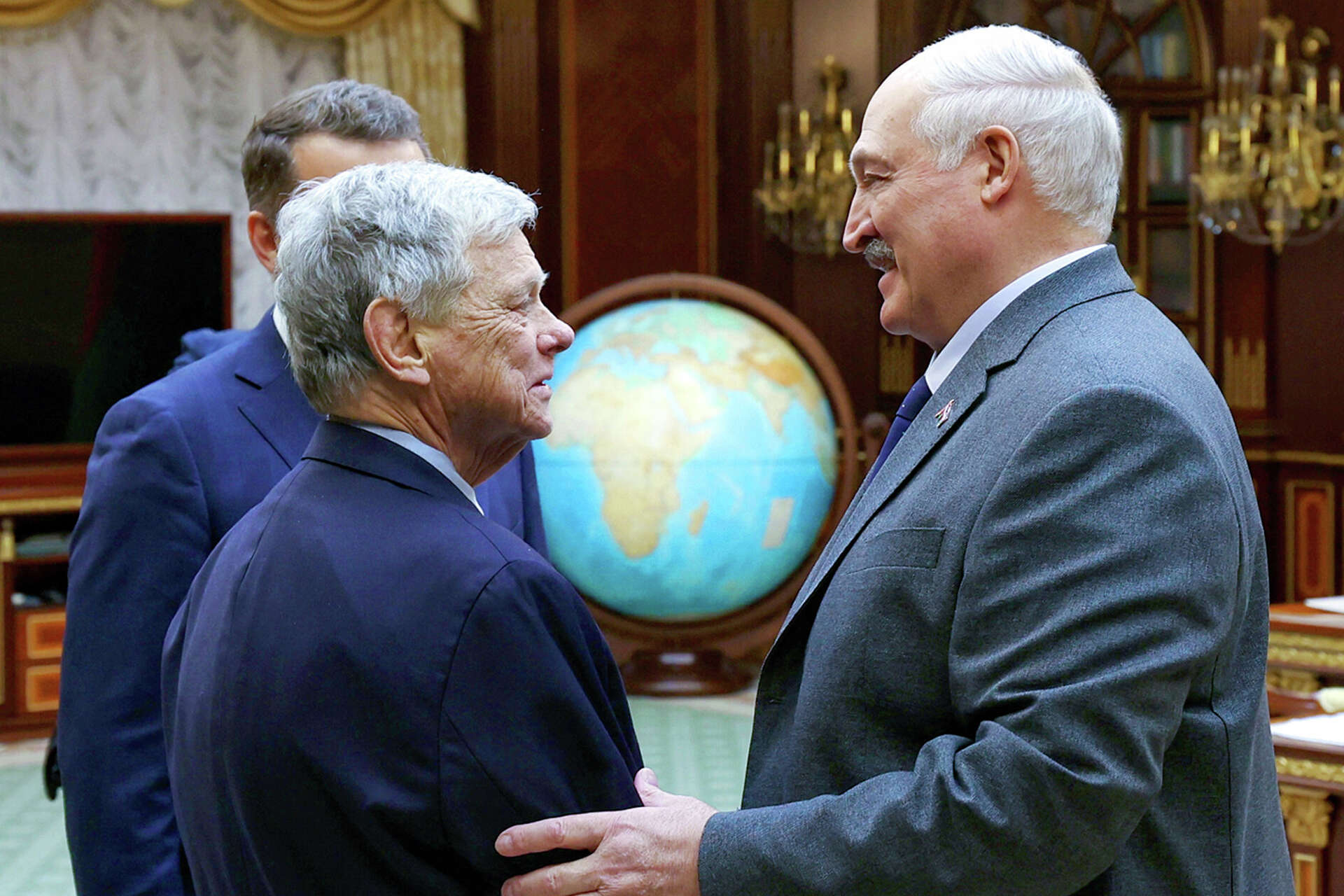
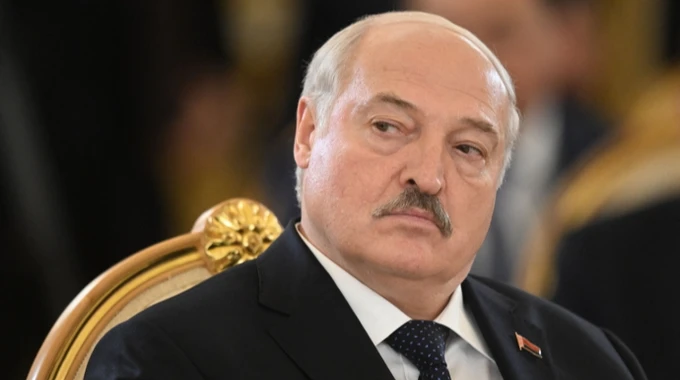
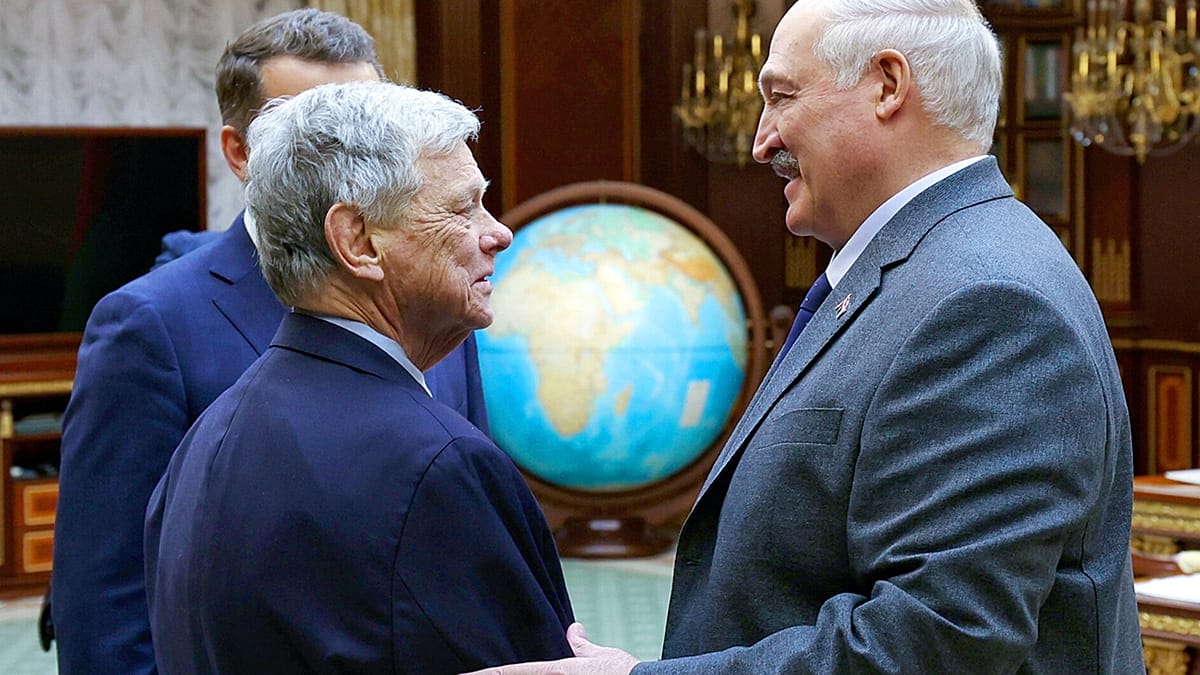
President Alexander Lukashenko's calculated move reveals a multilayered diplomatic strategy. By facilitating the release of prominent figures like Nobel Peace Prize winner Ales Bialiatski, Belarus signals its willingness to re-engage with Western diplomatic channels while simultaneously maintaining its strategic alliance with Russia. The negotiations, led by US special envoy John Coale, resulted in lifting sanctions on Belarus' potash exports, creating a tangible economic incentive for this diplomatic pivot.
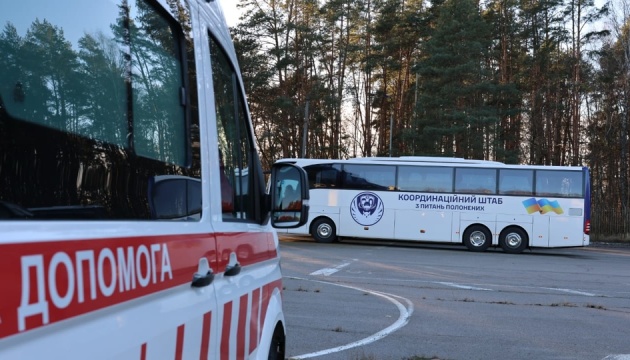
The prisoner release carries deeper geopolitical significance. Most prisoners were transferred out of Belarus—predominantly to Ukraine and seven foreign nationals to Lithuania—demonstrating a carefully choreographed diplomatic dance. This move suggests Lukashenko is exploring a nuanced path of international re-engagement, potentially seeking to reduce economic pressure and geopolitical isolation without fundamentally altering Belarus' core political structure.
Critically, this development indicates a potential softening of Belarus' authoritarian stance. The release of political prisoners, including prominent human rights advocates, hints at a strategic attempt to improve international relations and reduce economic constraints. However, the underlying power dynamics remain complex—hundreds of political prisoners still remain, and Belarus continues to maintain its close Russian alliance.
For international observers and policymakers, this represents a fascinating case of diplomatic negotiation. It demonstrates how targeted prisoner exchanges, coupled with strategic economic incentives like potash export sanctions, can create meaningful diplomatic openings even in seemingly intractable geopolitical contexts.
Questions 3
Does this prisoner release signal a fundamental change in Belarus' political system?
Not necessarily. While the release suggests a potential softening of authoritarian stance, hundreds of political prisoners remain, and Belarus continues its close alliance with Russia. It's more a tactical diplomatic maneuver than a comprehensive political transformation.
What economic incentives were involved in this prisoner release?
The United States agreed to lift sanctions on Belarus' potash exports, a significant economic concession that provides tangible financial benefits for Belarus in exchange for the prisoner release and potential diplomatic normalization.