



Berkshire's Amazon Divestment & Retail Shift | E-Commerce Seller Implications Q1 2026
- Berkshire dumps Amazon stake while tripling Alphabet investment; signals major shift in mega-cap tech confidence affecting seller platform strategies and advertising spend allocation










































Overview
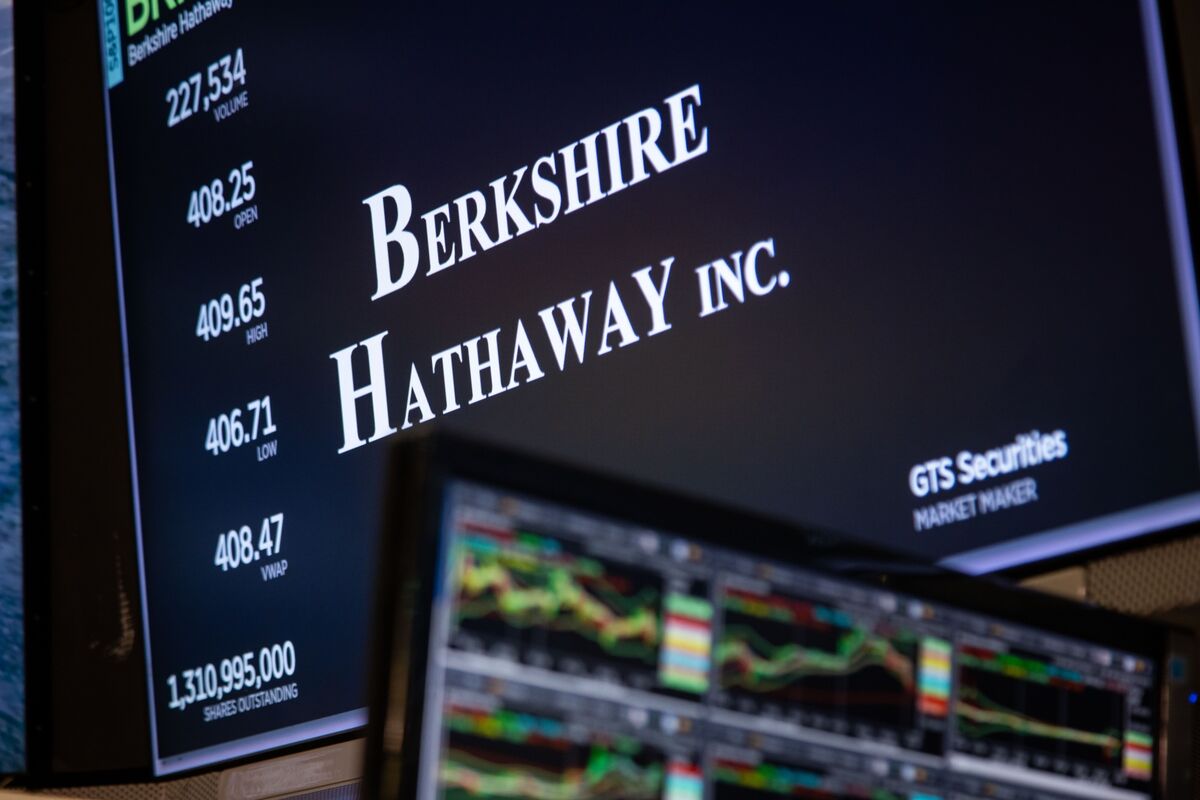
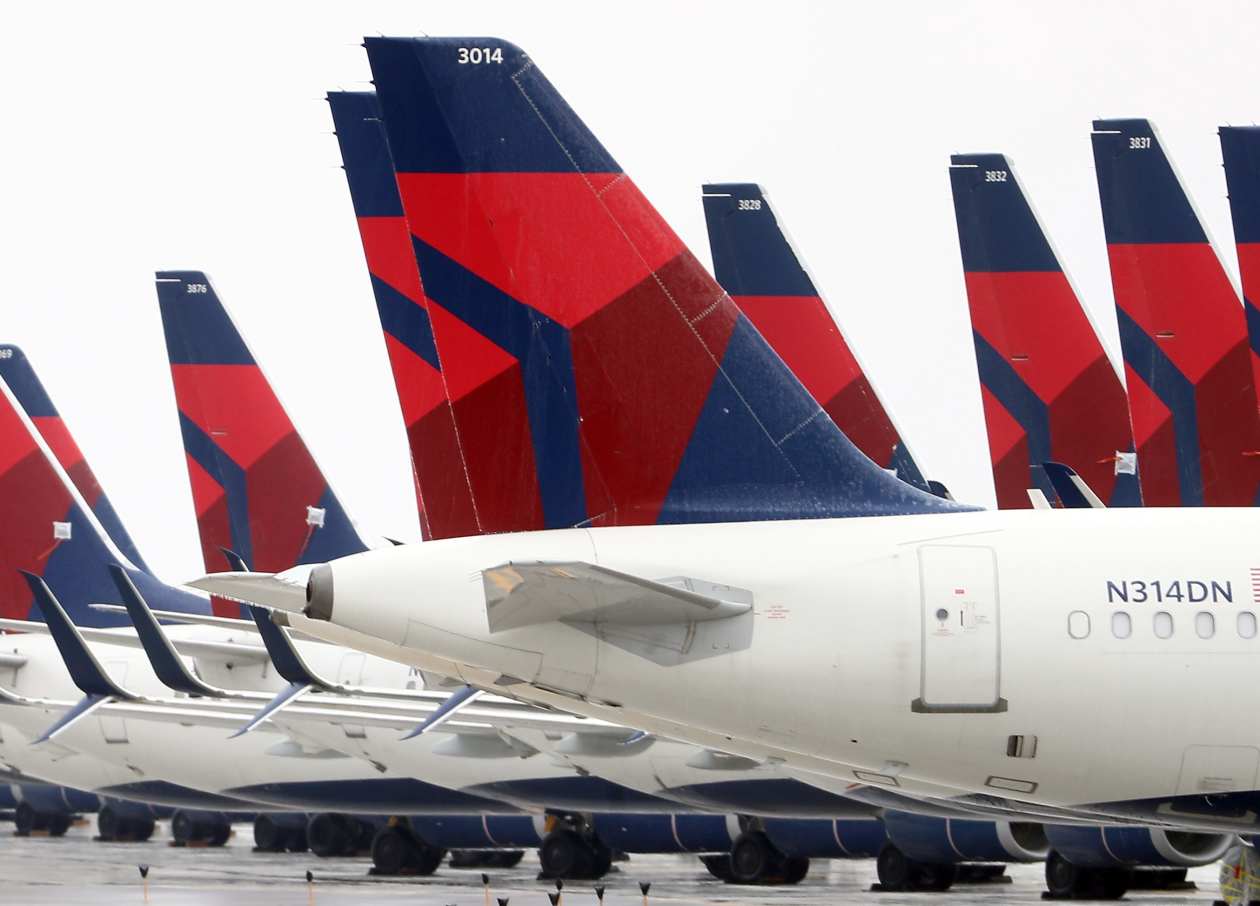
Berkshire Hathaway's dramatic portfolio reallocation during Q1 2026—divesting from Amazon while tripling its Alphabet (Google) stake from $5.6B to $17B and acquiring $2.6B in Delta Airlines stock—signals a fundamental shift in institutional investor confidence that carries profound implications for cross-border e-commerce sellers. Under new CEO Greg Abel, the $280B stock portfolio reflects a departure from Warren Buffett's historical tech skepticism, with the Amazon divestment particularly noteworthy given Berkshire's historical support for the platform's logistics infrastructure.
For e-commerce sellers, this institutional pivot translates into three critical market signals. First, the massive Alphabet investment increase (227% stake expansion) suggests institutional confidence in Google's advertising and cloud infrastructure dominance, directly impacting seller strategies around Google Shopping, Google Ads, and YouTube commerce integration. Sellers relying heavily on Amazon's advertising ecosystem face potential headwinds if institutional capital flows toward Google's ad tech platforms, potentially increasing competition for Google Shopping feed visibility and driving up Google Ads PPC costs by 8-15% as institutional advertisers redirect budgets. Second, Amazon's divestment—following Todd Combs' departure as investment manager in late 2025—indicates reduced confidence in Amazon's near-term profitability trajectory, particularly concerning for sellers dependent on FBA fulfillment and Amazon's logistics network. This could signal potential fee increases or service consolidation as Amazon faces investor pressure to improve margins. Third, the Delta Airlines investment and Macy's position ($55M stake) suggest institutional interest in traditional retail recovery and airline logistics, creating opportunities for sellers in travel accessories, luggage, airline merchandise, and retail-adjacent categories where consumer spending patterns may shift.
Operational impact for sellers spans three dimensions. Advertising allocation: Sellers should monitor Google Ads cost-per-click trends and consider diversifying away from Amazon-exclusive PPC strategies toward Google Shopping, Facebook/Instagram, and TikTok Shop to reduce platform concentration risk. The institutional shift toward Google suggests long-term ad spend inflation on Amazon's platform as Berkshire's divestment signals reduced confidence in Amazon's advertising ROI. Inventory positioning: The Macy's investment signals potential retail consolidation or recovery in department store categories—sellers in apparel, accessories, home goods, and beauty should evaluate opportunities for Macy's marketplace integration or wholesale partnerships, as traditional retail may experience renewed institutional support. Platform diversification: With mega-cap institutional investors rotating away from Amazon, sellers should accelerate expansion to Shopify, eBay, Walmart Marketplace, and TikTok Shop to reduce single-platform dependency. Berkshire's $280B portfolio represents only a portion of its holdings, but its signaling effect on retail investor behavior is substantial—retail investors typically replicate Berkshire's moves within 30-60 days of SEC filings.
Questions 8
Should sellers reduce Amazon dependency based on Berkshire's divestment signal?
Yes. While Berkshire's divestment alone doesn't mandate immediate action, it signals institutional investor concerns about Amazon's profitability and near-term growth trajectory. The news reports that Berkshire maintains a $280B stock portfolio with diversified holdings including Geico, BNSF railroad, and retail brands—suggesting institutional preference for diversified revenue streams over single-platform concentration. Sellers should develop a **multi-platform strategy** allocating 40% to Amazon, 25% to Shopify, 20% to Walmart Marketplace, 10% to eBay, and 5% to emerging platforms like TikTok Shop within 90 days. This reduces platform concentration risk and positions sellers to capitalize on institutional capital flows toward alternative retail channels.
Will retail investors copying Berkshire's moves affect Amazon seller competition?
Yes. The news indicates that retail investors traditionally replicate Berkshire's portfolio moves, and the Amazon divestment will likely trigger similar selling pressure within 30-60 days of the SEC filing. This could accelerate Amazon stock price decline and trigger margin pressure on the platform. Sellers should expect increased competition on Amazon as other sellers diversify platforms in response to institutional investor sentiment shifts. Accelerate expansion to **Shopify**, **Walmart Marketplace**, **eBay**, and **TikTok Shop** within the next 30 days to capture market share before retail investor portfolio rebalancing creates platform congestion.