



Atlanta I-285 Closure May 15-18 | Last-Mile Delivery & Logistics Impact for Southeast Sellers
- 58-hour full freeway shutdown affects metro Atlanta's busiest corridor; sellers face 2-4 hour delivery delays and route optimization costs during peak weekend period














Overview
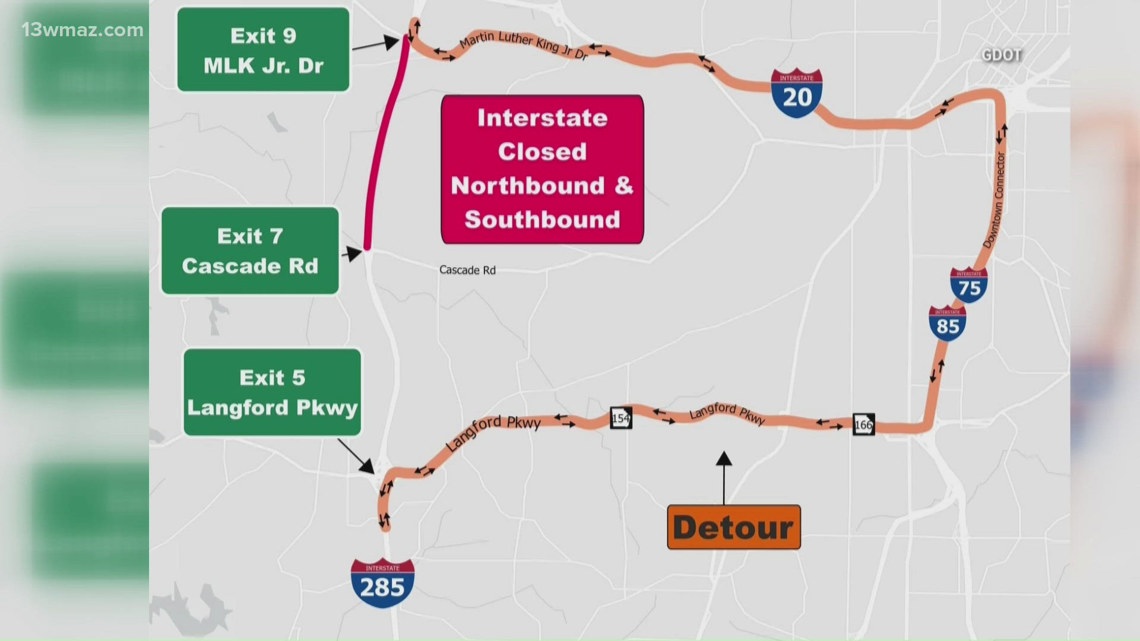
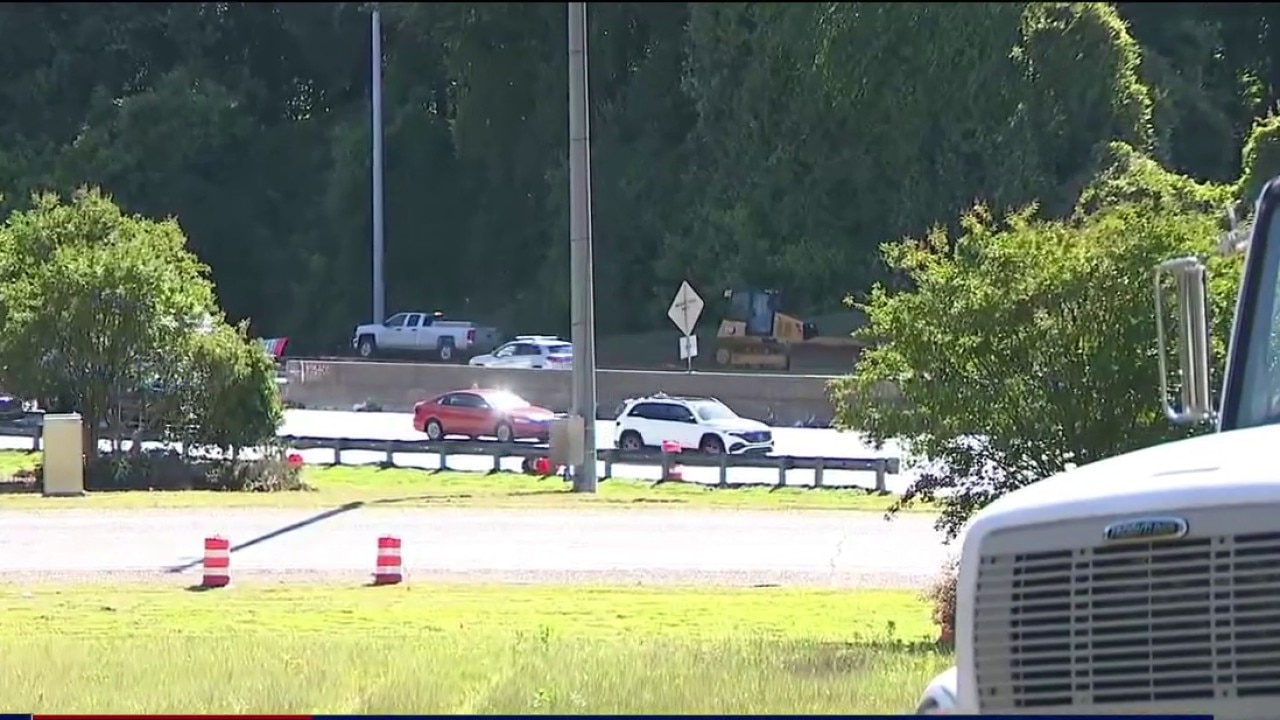
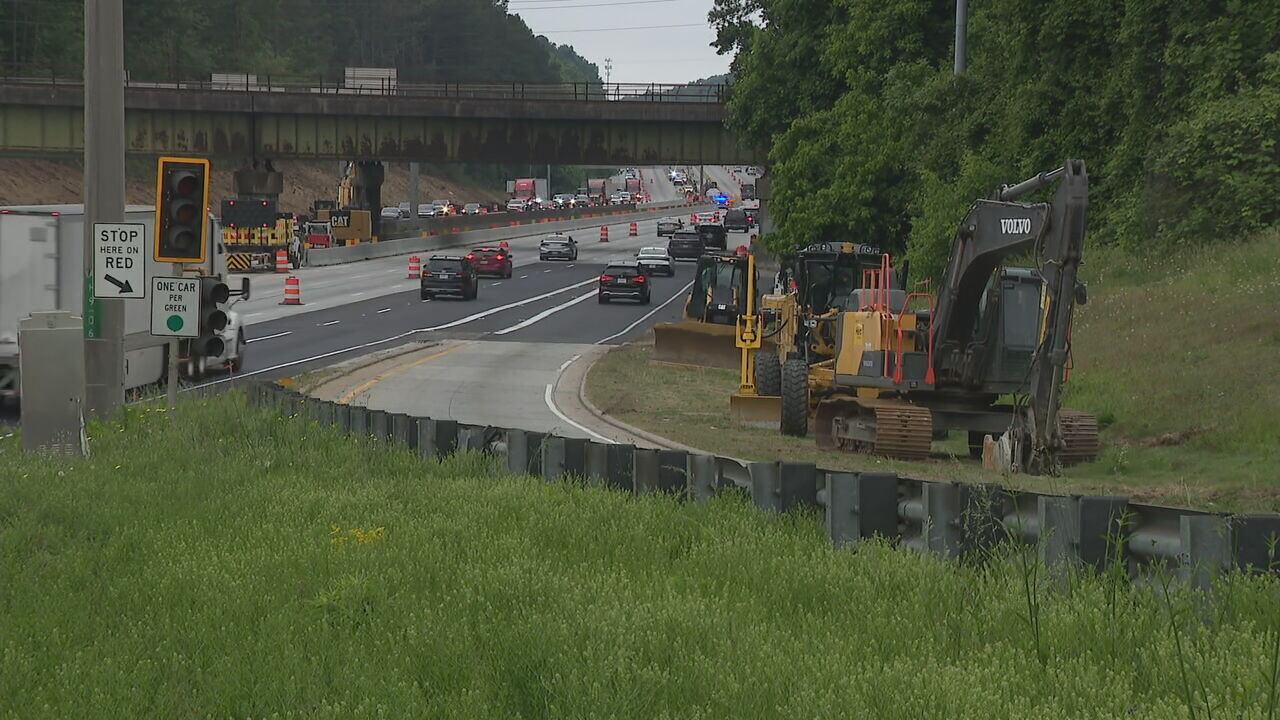
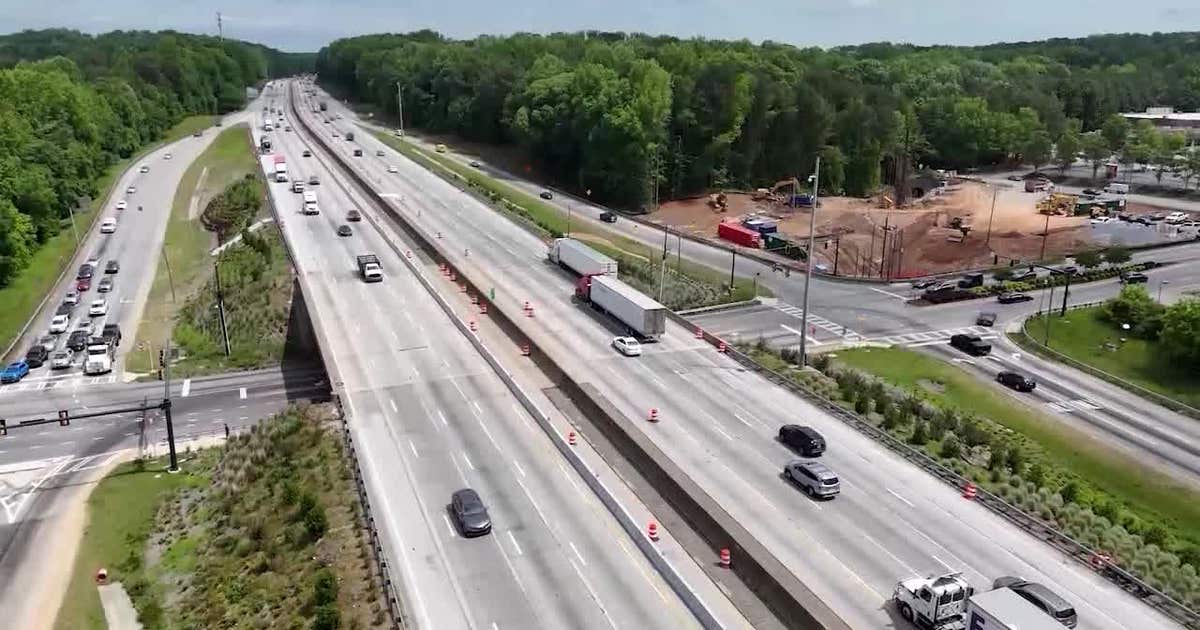
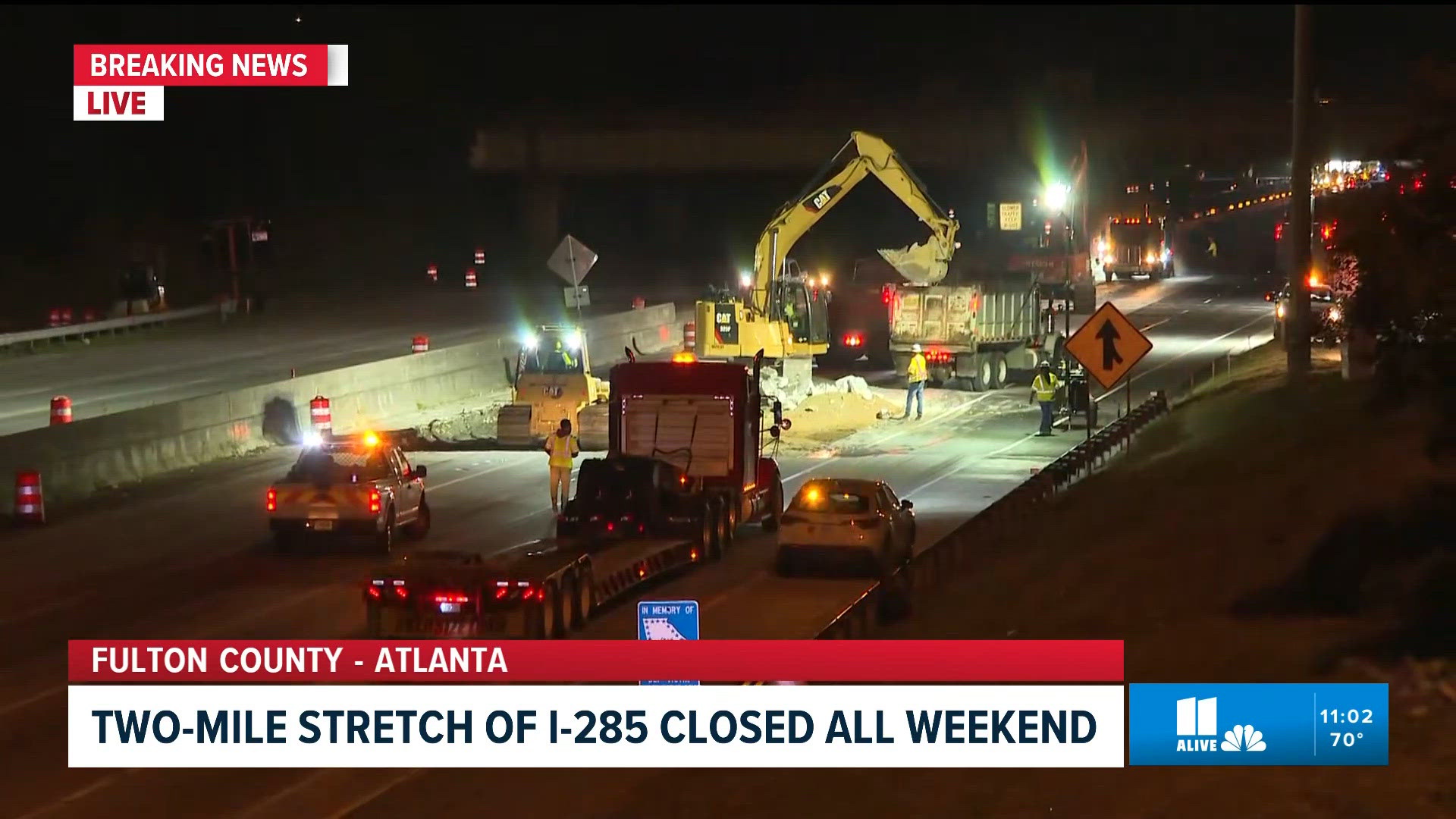
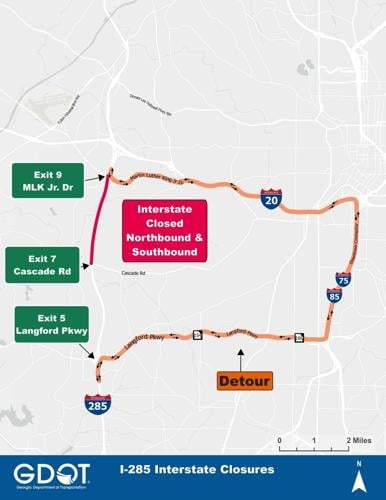
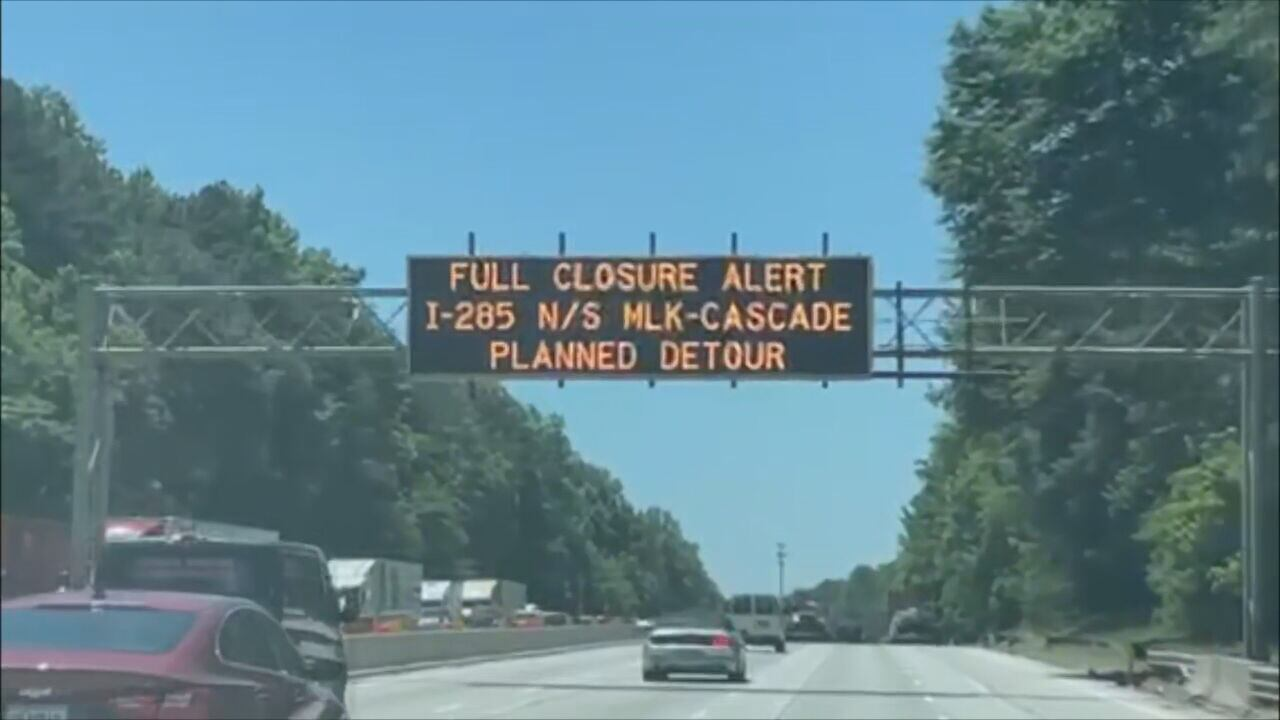
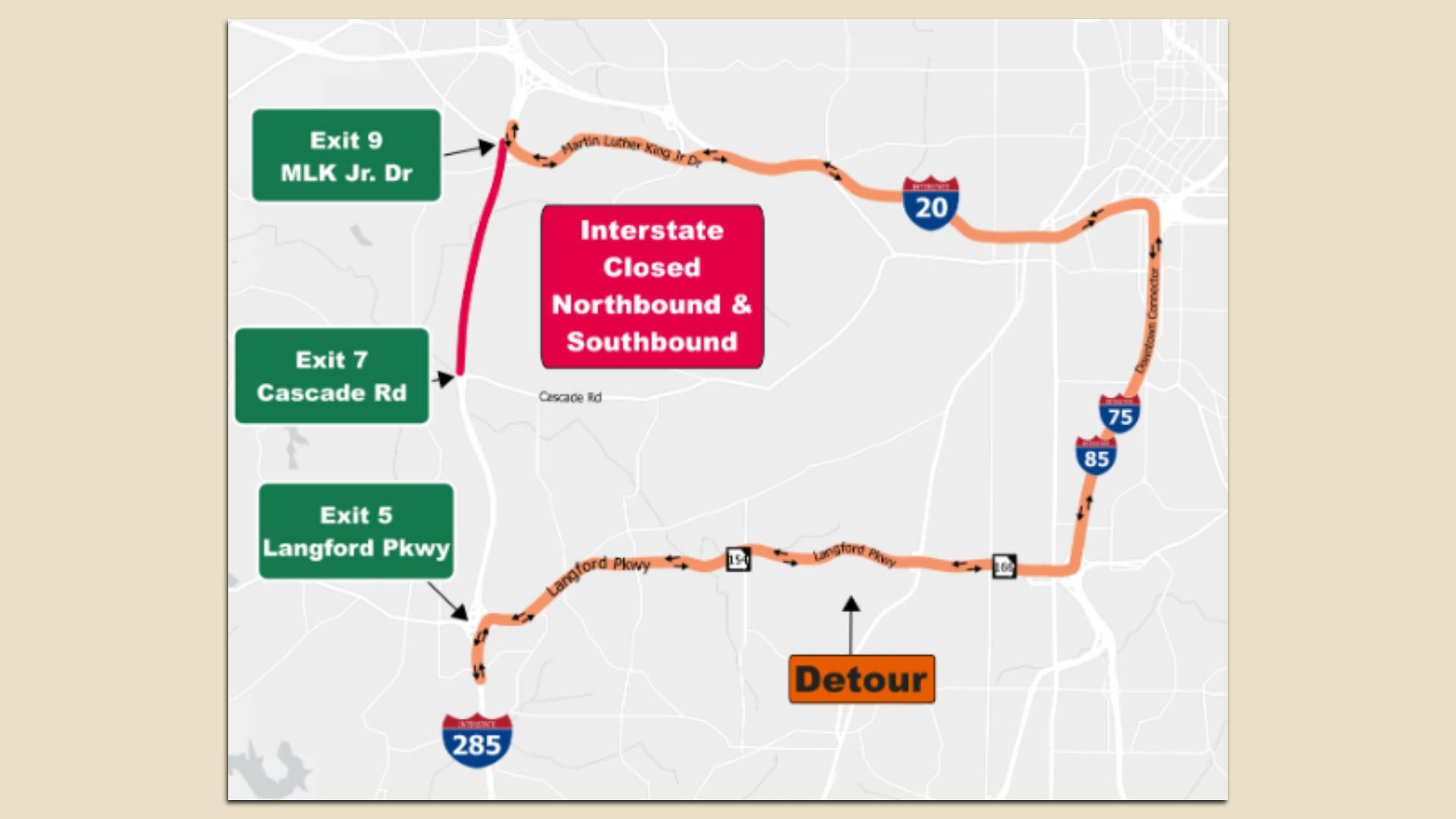
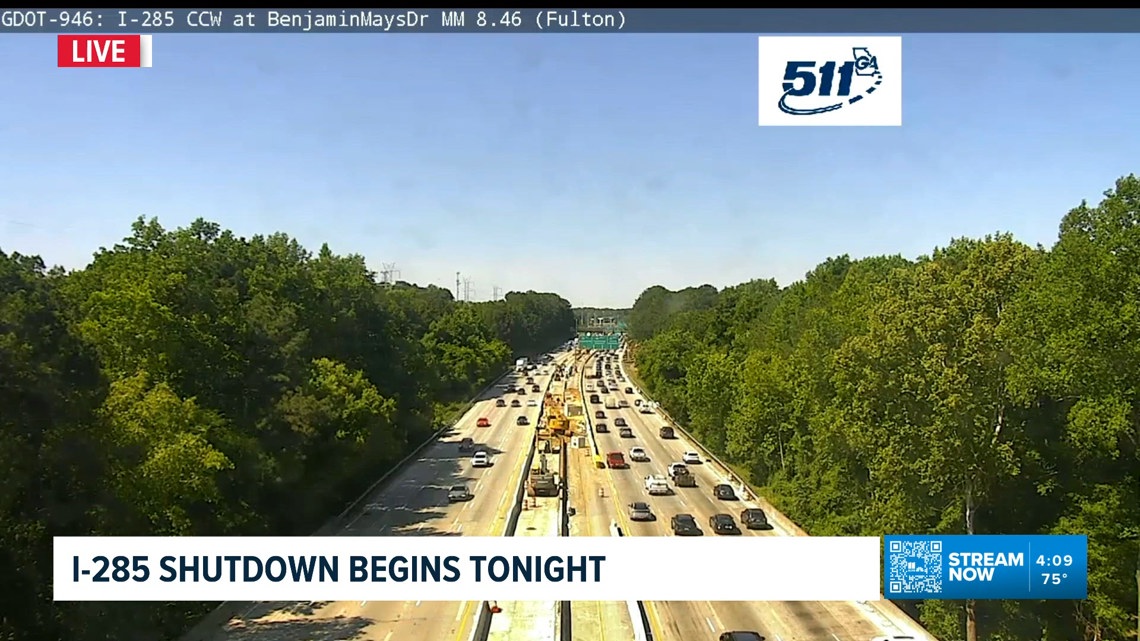
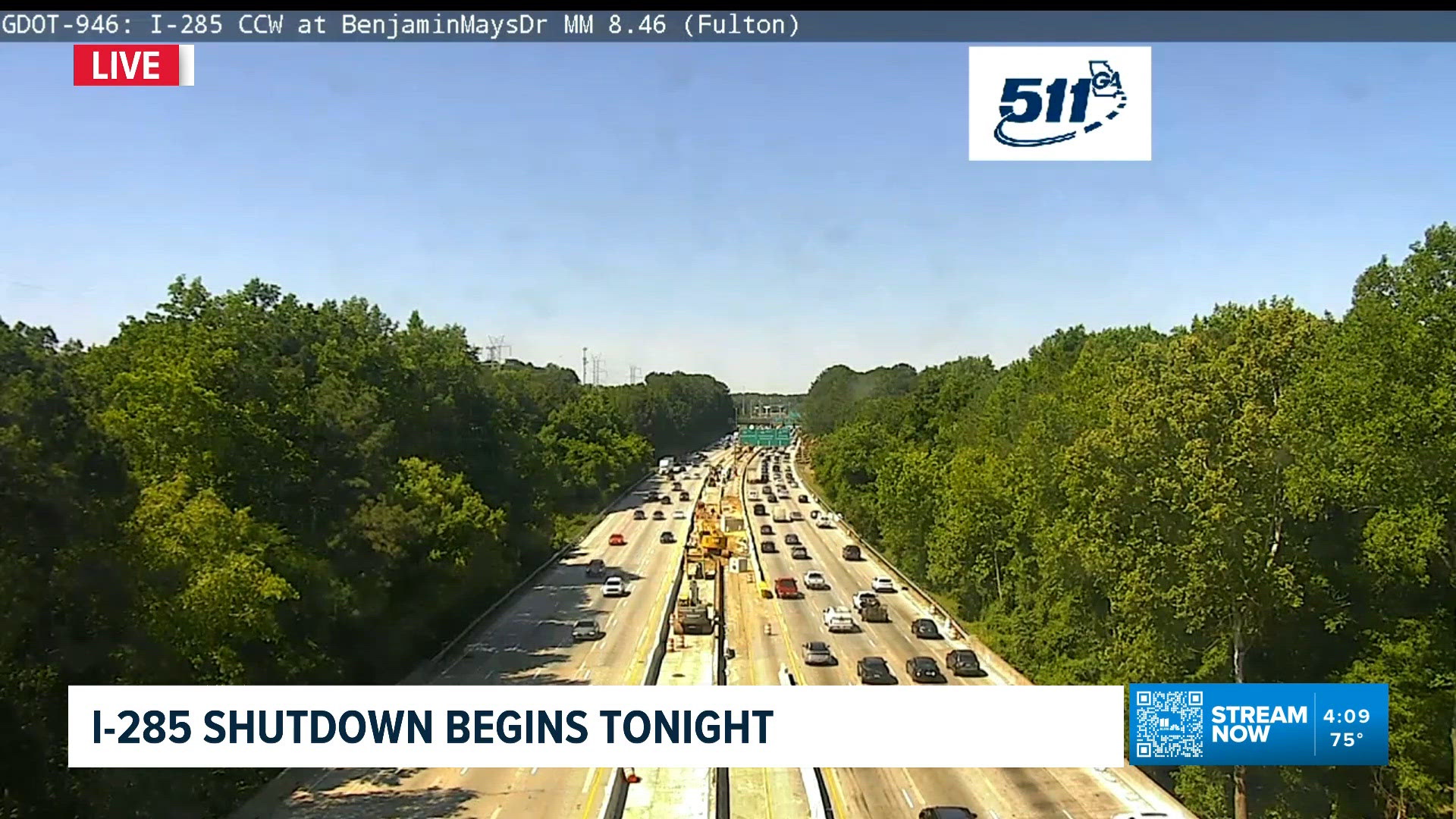
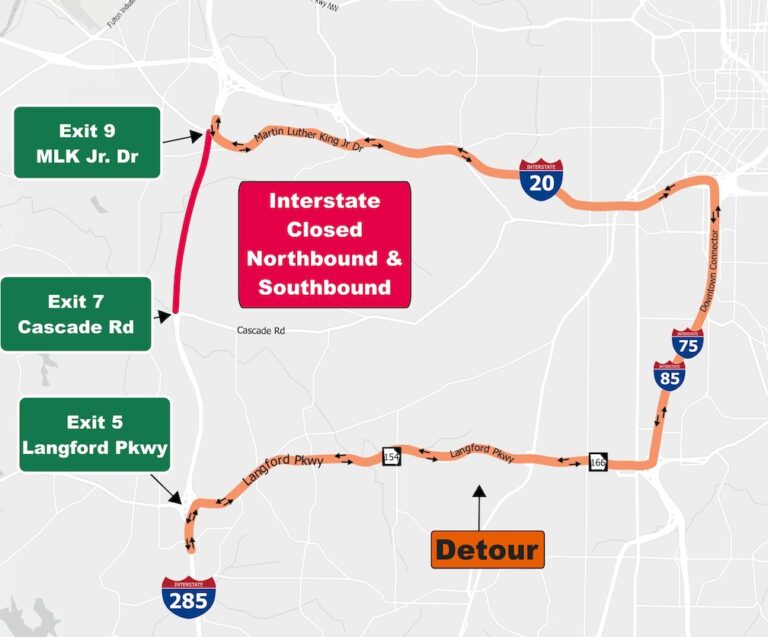
The Georgia Department of Transportation's complete closure of Interstate 285 between Cascade Road (Exit 7) and Martin Luther King Jr. Drive (Exit 9) from 7 p.m. Friday, May 15 through 5 a.m. Monday, May 18, 2026 represents a critical logistics event for e-commerce sellers operating in the Atlanta metropolitan region. This 58-hour full shutdown—the first complete I-285 closure in multiple directions since the 2017 bridge fire—is part of a three-year, $370 million infrastructure overhaul replacing 60-year-old concrete pavement across a 15-17 mile stretch from College Park to Vinings. For sellers relying on ground transportation, last-mile delivery networks, and 3PL fulfillment operations in Atlanta, this closure creates measurable operational friction during a peak weekend period coinciding with the Atlanta Braves' home series against the Boston Red Sox at Truist Park.
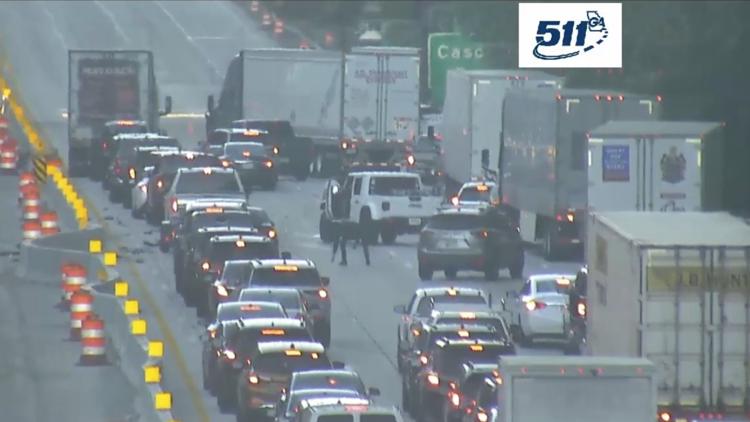
Logistics Impact & Route Disruption: The closure forces significant detour routing that compounds existing congestion. Southbound I-285 traffic diverts to I-20, then I-75/I-85 southbound toward Downtown Atlanta, while northbound traffic routes through State Route 166/Langford Parkway. These detours funnel traffic through the I-75/85 Downtown Connector and surface streets in southwest Atlanta and Fulton County, creating cascading delays across the region's primary logistics corridors. GDOT anticipates "widespread congestion throughout metro Atlanta," with spillover effects on I-20, I-75, I-85, and local roads. For sellers operating Amazon FBA fulfillment centers, Walmart distribution networks, or independent 3PL warehouses in the affected zone, this translates to 2-4 hour delivery delays for Saturday-Sunday shipments, potentially impacting same-day and next-day delivery commitments. MARTA bus and paratransit services will operate but expect longer wait times, affecting last-mile courier operations dependent on public transit access.
Consumer Behavior & Local Market Dynamics: The timing creates a dual-impact scenario. The Braves-Red Sox series drives increased consumer spending on sports merchandise, food delivery, and entertainment-related products during the closure weekend. Simultaneously, local businesses along Cascade Road—including established retailers like The Beautiful Restaurant (operating since 1979)—anticipate reduced foot traffic as customers avoid the area due to extended travel times. This creates a market arbitrage opportunity: while local brick-and-mortar retail experiences traffic decline, e-commerce sellers can capitalize on rerouted drivers seeking online alternatives for time-sensitive purchases. Sellers specializing in sports merchandise, quick-delivery food products, and entertainment collectibles should expect elevated demand from Atlanta-area consumers avoiding congested zones. The closure also signals infrastructure investment in the region—GDOT's $370 million commitment indicates long-term confidence in Atlanta's commercial logistics infrastructure, benefiting sellers with 3-5 year operational horizons in the Southeast.
Strategic Seller Considerations: This event exemplifies how regional infrastructure disruptions create both operational challenges and market opportunities. Sellers should monitor GDOT's announcement of future weekend closures (construction pauses planned during World Cup matches in June-July) to optimize inventory positioning and delivery scheduling. For Atlanta-based sellers, advance route planning and 3PL coordination are essential—consider pre-positioning inventory at alternative fulfillment locations outside the I-285 corridor or negotiating expedited delivery windows for Friday shipments. The closure also highlights the importance of supply chain diversification; sellers dependent on single Atlanta-area warehouses face higher operational risk during infrastructure events. Long-term, the $370 million pavement replacement improves road safety and reduces pothole-related delivery delays, benefiting commercial transportation efficiency across the Southeast logistics network.
Questions 8
How can sellers leverage the closure for competitive advantage in the Atlanta market?
While competitors struggle with logistics disruption, sellers can capitalize on rerouted consumer behavior. Pre-position inventory for sports merchandise, quick-delivery food products, and entertainment collectibles to capture demand from consumers avoiding congested areas. Offer expedited shipping options with clear delivery windows (Friday before closure, Tuesday after reopening). Market to Atlanta-area customers emphasizing reliable delivery alternatives to physical retail. The closure also creates opportunities for sellers with alternative fulfillment locations outside the I-285 corridor to offer faster delivery than competitors dependent on affected warehouses. Use the closure as a case study for supply chain resilience in marketing materials.
What are the cost implications of the I-285 closure for Atlanta-based e-commerce sellers?
Direct costs include potential surcharges from 3PL providers for expedited routing (typically $50-200 per shipment), extended delivery times that may trigger Amazon FBA penalties or Buy Box loss, and pre-positioning inventory at alternative locations (storage costs $0.50-1.50 per cubic foot monthly). Indirect costs include lost sales from delivery delays and customer dissatisfaction. For sellers shipping 100+ units weekly, the closure could cost $500-2,000 in operational friction. However, the closure also creates revenue opportunities through elevated demand for sports merchandise and online shopping during the Braves series, potentially offsetting logistics costs with 20-40% category sales increases.