


US-China Tariff Relief Stalled | $30B Potential Savings Remain Non-Binding
- May 15, 2026 summit produces verbal commitments only; $30B tariff relief uncertain; current 8.3% US tariffs on Chinese goods remain in effect; sellers face continued supply chain cost pressures





Overview
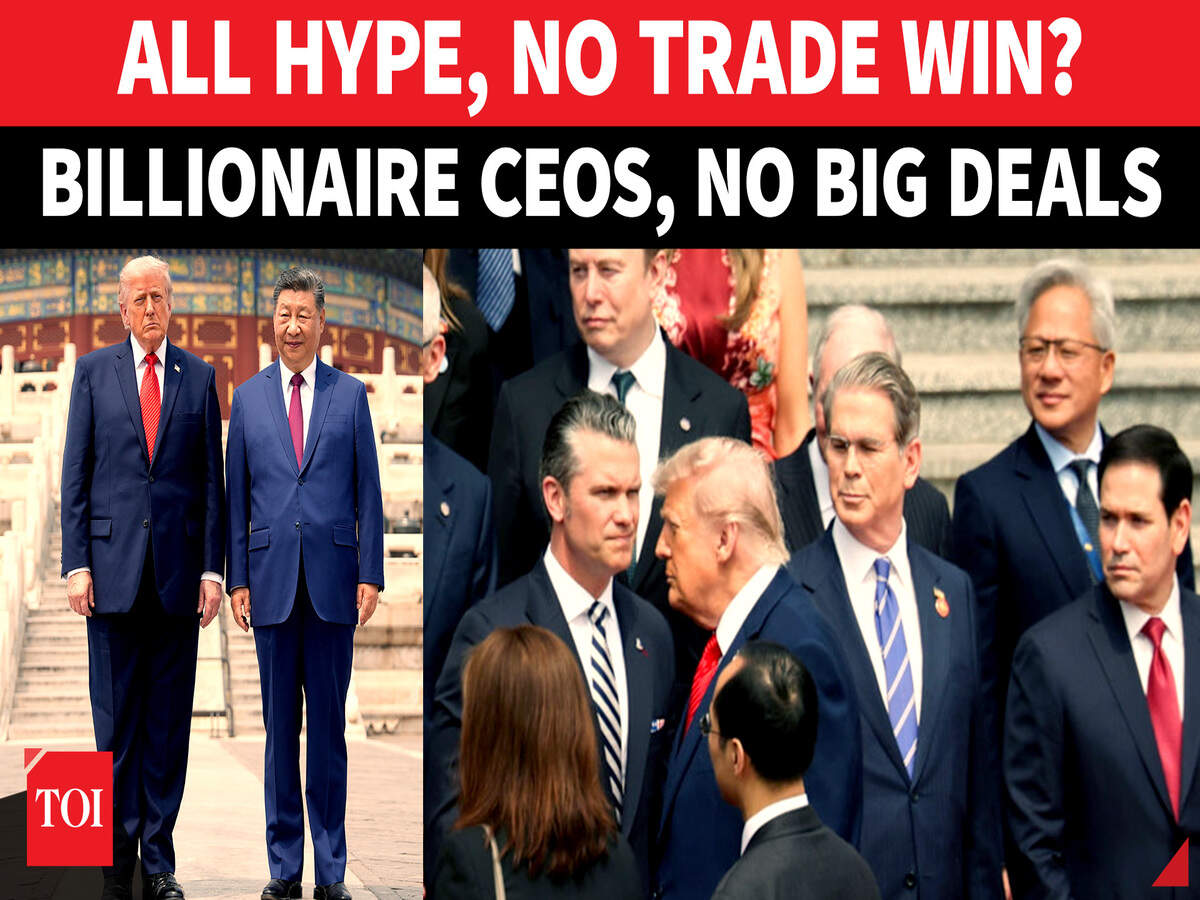
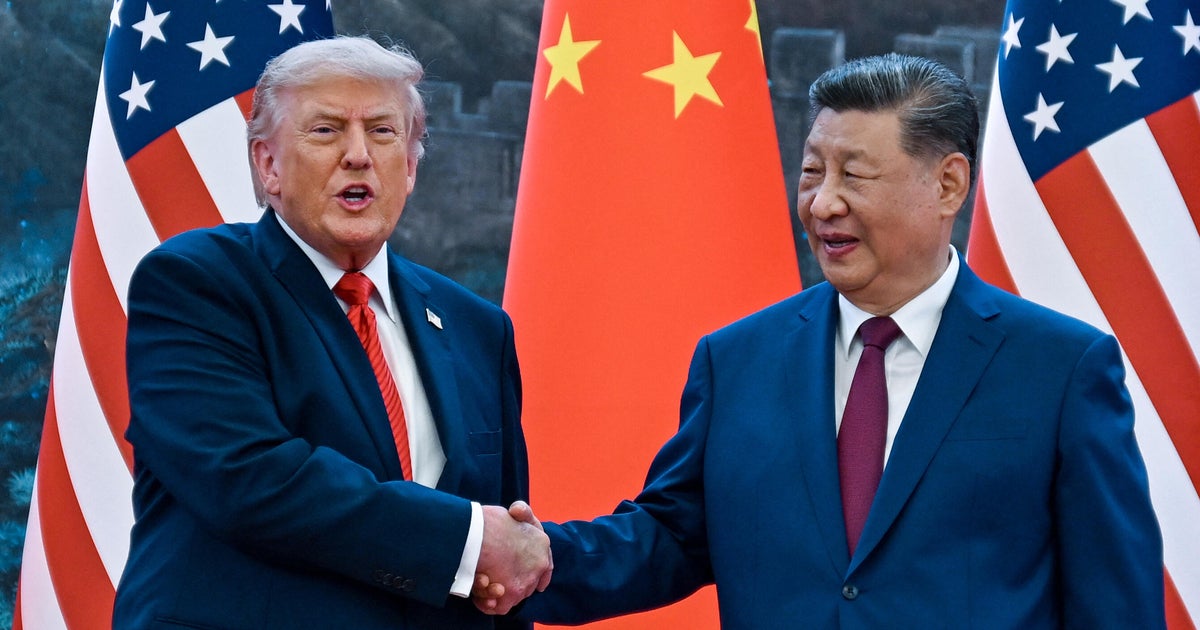
The May 15, 2026 Trump-Xi summit in Beijing represents a critical inflection point for cross-border sellers sourcing from China, though the outcome delivers far less certainty than headlines suggest. While the White House announced potential tariff relief on approximately $30 billion in goods and established new governance structures (Board of Trade and Board of Investment), trade experts including former U.S. Trade Representative negotiator Wendy Cutler emphasize these remain non-binding verbal agreements without legal guarantees. This distinction is crucial for sellers: current tariff levels remain elevated, with China facing U.S. tariffs averaging 8.3% while U.S. exporters face roughly 10% Chinese tariffs. The $30 billion relief represents less than 10% of total U.S.-China trade value in 2025, meaning the vast majority of cross-border commerce continues under elevated tariff regimes.
For e-commerce sellers, this creates a bifurcated opportunity landscape. Short-term (0-6 months): Sellers should NOT assume tariff reductions will materialize. The historical precedent is sobering—Trump's 2017 China visit produced an $84 billion investment agreement that dissolved as tensions escalated. Current sourcing strategies should maintain contingency plans for sustained 8-10% tariff costs. However, the summit's stabilization signal suggests reduced risk of further tariff escalation beyond the 125% rates imposed last year on certain Chinese imports. This creates a narrow window to lock in current pricing with suppliers before potential formal tariff reductions take effect.
Medium-term (6-12 months): The establishment of formal governance structures (Board of Trade and Board of Investment) indicates both sides are serious about negotiation, even if current commitments lack legal force. Sellers should monitor implementation timelines closely—formal documentation and binding agreements typically require 3-6 months of negotiation post-summit. Product categories most likely to benefit from tariff relief include consumer electronics (currently facing elevated rates), apparel and footwear, and home goods—categories representing approximately 40-50% of U.S.-China trade volume. Sellers in these categories should prepare sourcing adjustments for potential 2-4% margin improvements if tariff relief materializes by Q4 2026.
Competitive dynamics shift favorably for mid-sized sellers (annual revenue $2-50M) who can maintain dual sourcing strategies. Large sellers with established Vietnam/India supply chains face less tariff relief upside, while small sellers (<$1M revenue) lack negotiating power to secure supplier price reductions even if tariffs fall. The non-binding nature of current commitments creates arbitrage opportunities for sellers who can accurately forecast tariff implementation timing—early movers securing inventory at current tariff-inclusive costs before relief takes effect could realize 3-5% margin gains.
Questions 8
Should sellers move sourcing away from China given tariff uncertainty?
Not immediately, but develop contingency plans. China still offers 15-25% cost advantages over Vietnam and India for most categories despite tariffs, making it economically rational to maintain primary sourcing there. However, build 30-40% sourcing capacity in Vietnam (textiles, electronics) and India (apparel, home goods) as insurance against further tariff escalation or supply chain disruptions. The May 2026 summit suggests tariff escalation risk is declining, but non-binding commitments mean risk remains elevated. Mid-sized sellers ($2-50M revenue) benefit most from dual sourcing—they have sufficient volume to negotiate favorable terms in multiple countries but lack the scale of mega-sellers to absorb tariff shocks. Implement sourcing diversification over 6-12 months rather than immediately to avoid disrupting current supply chains.
How do tariff changes affect Amazon FBA and Shopify seller economics?
For Amazon FBA sellers, tariff changes directly impact landed cost calculations. A 2-4% tariff reduction on $100,000 in annual China imports saves $2,000-4,000 annually—meaningful for sellers with 10-15% net margins. However, FBA fees (currently 15-45% of sale price depending on category) dwarf tariff savings, so tariff relief alone won't significantly improve profitability. Shopify sellers have more flexibility to pass tariff costs to consumers through dynamic pricing, but face higher customer acquisition costs (typically 20-30% of sale price). Both platforms should model tariff scenarios: maintain spreadsheets tracking landed costs under current 8.3% rates, potential 5% relief rates, and escalation to 15% rates. Update product pricing and inventory allocation quarterly as tariff negotiations progress.