


Southeast Asian Tensions Escalate: Thailand and Cambodia's Dangerous Border Standoff
- Emerging regional conflict threatens stability with potential for broader geopolitical destabilization


Overview
The Thailand-Cambodia border conflict represents a critical inflection point in Southeast Asian geopolitical dynamics, where historical tensions are rapidly transforming into active military confrontation. With eight days of intense fighting and the first civilian casualty marking a significant escalation, the region stands on the precipice of a potentially wider regional crisis.
Strategic Hardline Positioning emerges as the defining characteristic of this conflict. The Thai government, through Prime Minister Anutin Charnvirakul, has explicitly rejected a ceasefire proposed by Malaysian Prime Minister Anwar Ibrahim, signaling an unprecedented level of diplomatic intransigence. By categorically refusing negotiation and labeling Cambodia as an "enemy", Thailand is demonstrating a willingness to escalate tensions beyond traditional diplomatic boundaries.
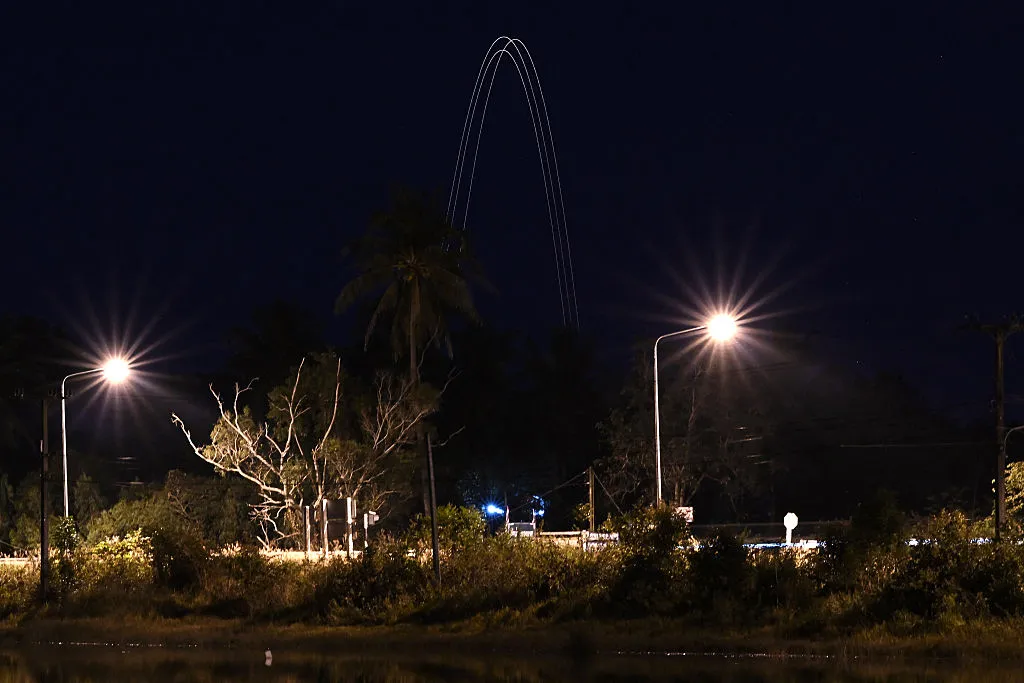
The civilian rocket attack represents a critical turning point with profound implications. The first civilian death transforms this from a localized military engagement to a potential humanitarian crisis. This development increases the likelihood of international intervention and puts significant pressure on both nations to de-escalate. The rejection of mediation attempts, despite clear humanitarian risks, suggests deep-rooted historical animosities that transcend immediate strategic calculations.
The broader regional implications are particularly concerning. Southeast Asia's complex geopolitical landscape, characterized by historical border disputes and fragile diplomatic relationships, makes this conflict a potential powder keg. The willingness of national leadership to pursue aggressive postures rather than diplomatic resolution indicates a dangerous trend of militarized dispute resolution that could destabilize the entire region.
Critically, this conflict exposes the limitations of regional diplomatic mechanisms. The inability of neighboring countries like Malaysia to broker an immediate ceasefire reveals structural weaknesses in Southeast Asian conflict resolution frameworks. As tensions continue to escalate, the international community must prepare for potential humanitarian interventions and diplomatic mediation efforts.
Questions 3
How likely is international intervention in this conflict?
The first civilian casualty significantly increases the probability of international intervention. With Malaysia already attempting mediation and the conflict showing potential for broader regional destabilization, diplomatic and potentially humanitarian interventions become more probable.
What triggered the current Thailand-Cambodia border conflict?
The conflict appears rooted in long-standing historical border tensions, with the current escalation marked by eight days of intense fighting and rocket attacks. The specific immediate trigger is not detailed in the current news, but the Thai government's hardline stance suggests deep-seated territorial disputes.