


Political Earthquake in Hungary: Orban's Regime Crumbles Under Massive Protest Wave
- Institutional Abuse Scandal Triggers Unprecedented Public Uprising Against Authoritarian Leadership




















Overview
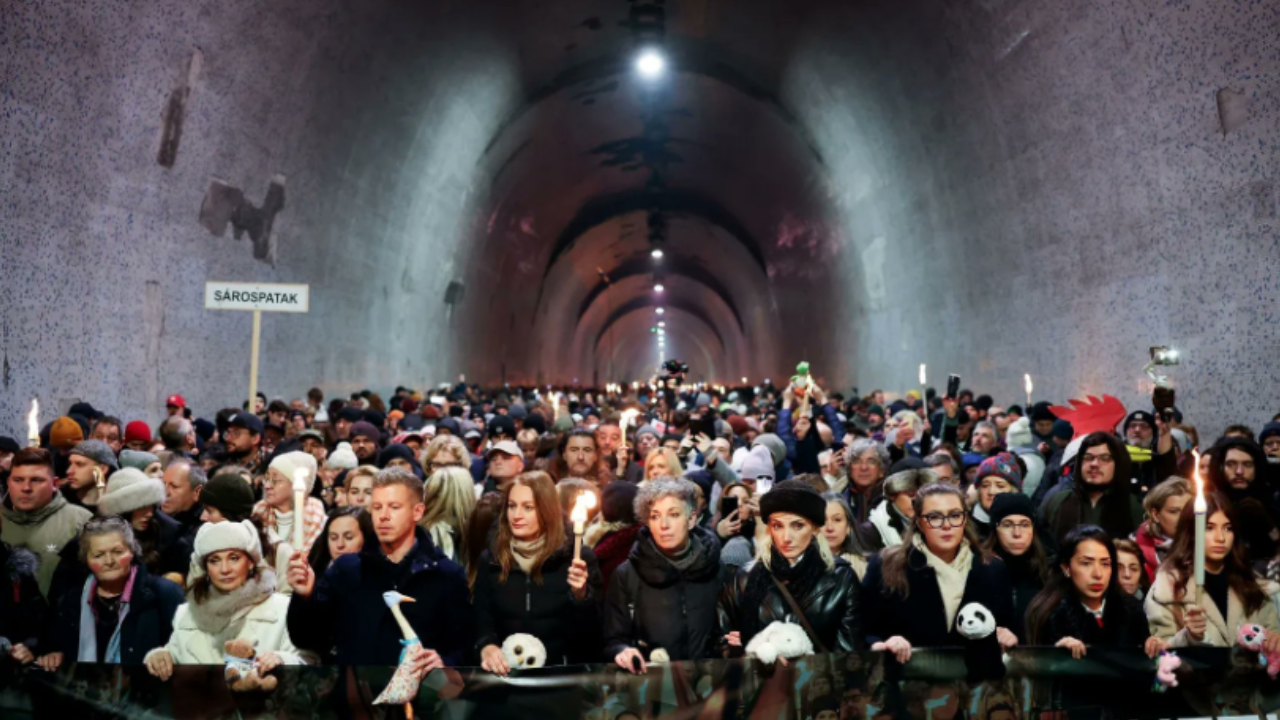
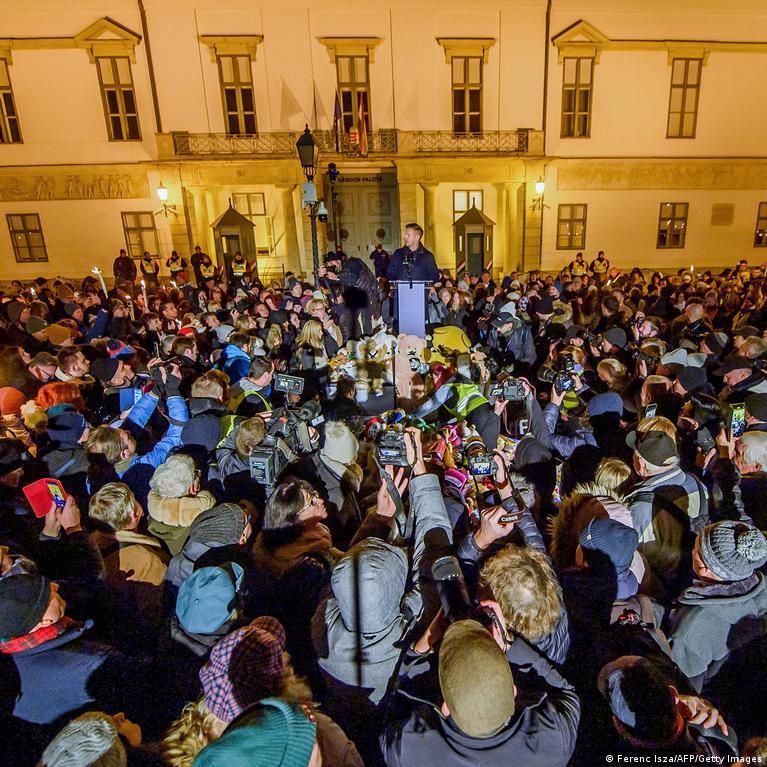
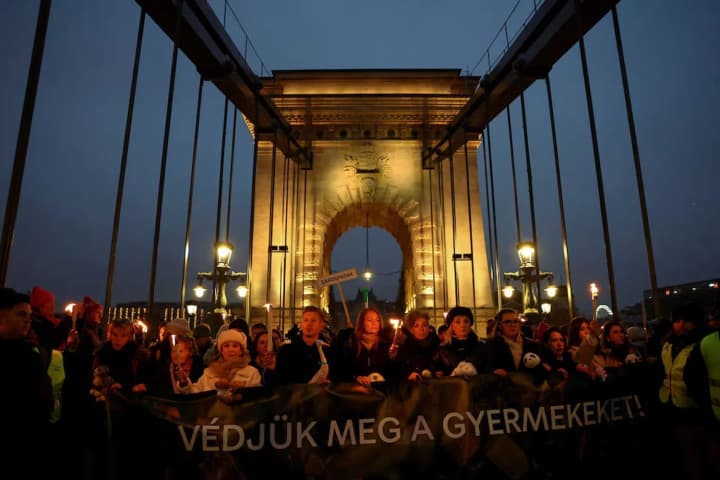
The political landscape of Hungary is experiencing a seismic shift as tens of thousands of protesters converge in Budapest, signaling a critical moment of democratic resistance against Prime Minister Viktor Orban's long-standing authoritarian regime. At the heart of this unprecedented uprising lies a deeply disturbing institutional child abuse scandal that has exposed systemic governmental misconduct and eroded public trust.
Political Legitimacy Under Siege: The protest, led by opposition leader Peter Magyar, represents more than just a demonstration—it's a fundamental challenge to Orban's political infrastructure. With seven individuals detained, including a juvenile center's former director, on charges ranging from running a prostitution ring to child abuse, the scandal strikes at the core of governmental accountability. The revelations follow the recent resignations of Hungary's president and justice minister, creating a cascading effect of institutional delegitimization.
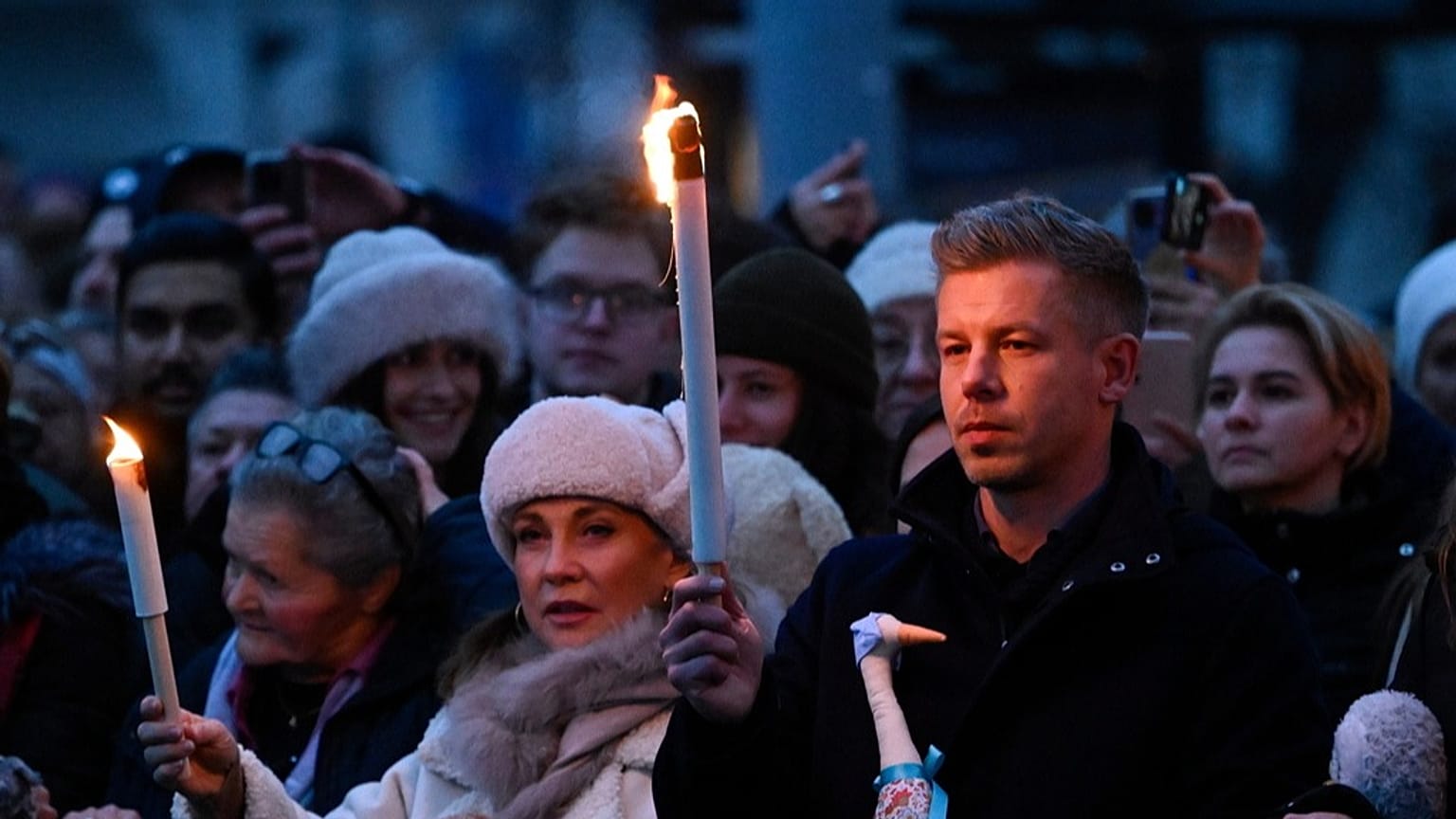
Emerging Opposition Dynamics: Magyar's emergence as Orban's most formidable challenger is particularly significant. Leading in independent polls ahead of anticipated April elections, he has transformed a child protection scandal into a broader indictment of governmental systemic failures. The protesters' symbolic use of soft toys and torches powerfully communicates their demand for child protection and governmental transparency, turning an institutional crisis into a potent political movement.
The march represents more than a momentary protest—it signals a potential fundamental restructuring of Hungary's political ecosystem. By exposing deep-rooted institutional corruption and mobilizing massive public dissent, the movement challenges not just Orban's current administration but the entire authoritarian governance model that has dominated Hungarian politics for over a decade.
Strategic implications are profound: this uprising demonstrates how institutional misconduct can rapidly erode political legitimacy, transforming a localized scandal into a nationwide movement for systemic change. For opposition forces, this represents a critical inflection point—a moment to challenge and potentially dismantle an entrenched political system through sustained, principled public pressure.
Questions 3
What triggered the massive protests against Orban's government?
A deeply disturbing child abuse scandal in state-run juvenile institutions, where staff were found to be involved in serious crimes including physical abuse and running a prostitution ring. The publication of disturbing videos and subsequent prosecutions exposed systemic institutional misconduct.
What makes this protest different from previous demonstrations?
The scale and symbolic nature of the protest—with tens of thousands marching and using soft toys and torches—indicates a deeper public frustration. Unlike previous protests, this one challenges the fundamental legitimacy of Orban's governance model, not just specific policies.