

Trump Beijing Summit Creates Supply Chain Uncertainty | Tariff Policy Stalemate Delays Seller Relief
- Strategic stalemate leaves $14B Taiwan arms sale unresolved; semiconductor/electronics sellers face 6-12 month policy clarity delays; China-US trade framework remains undefined despite CEO delegation visit














Overview
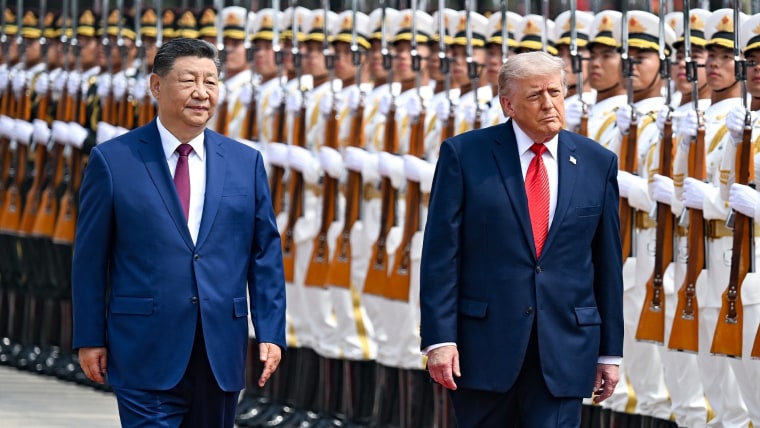
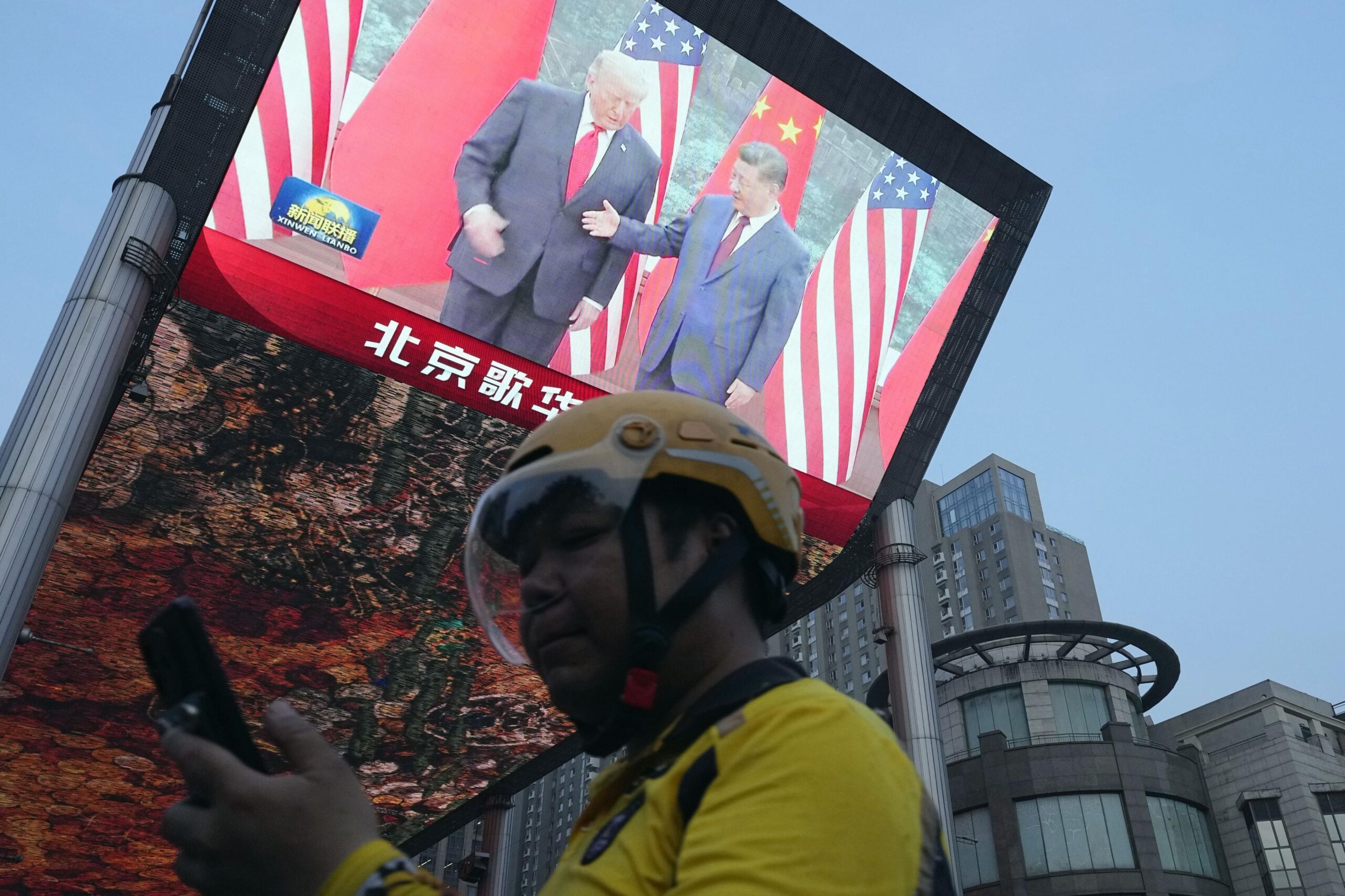
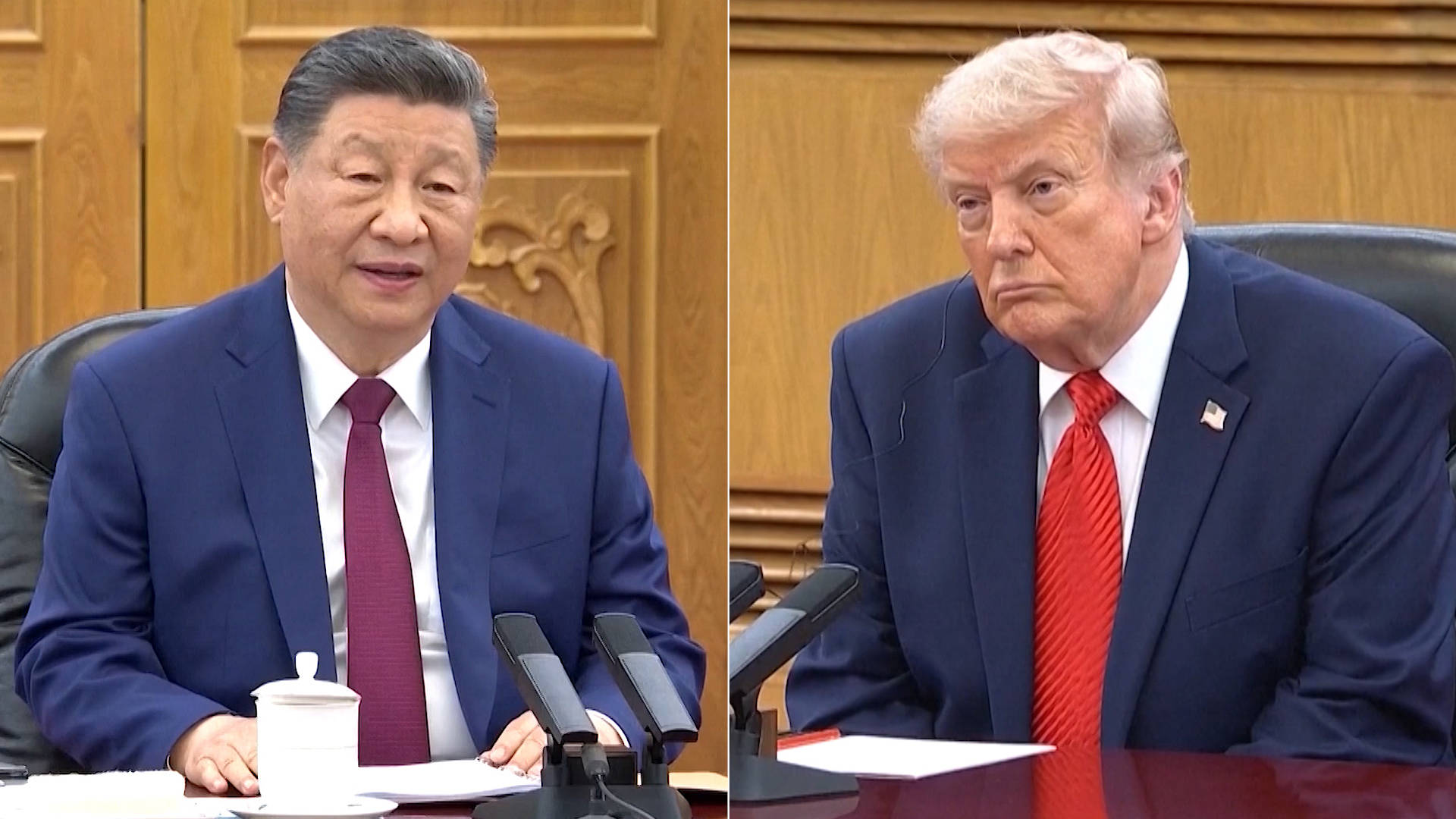
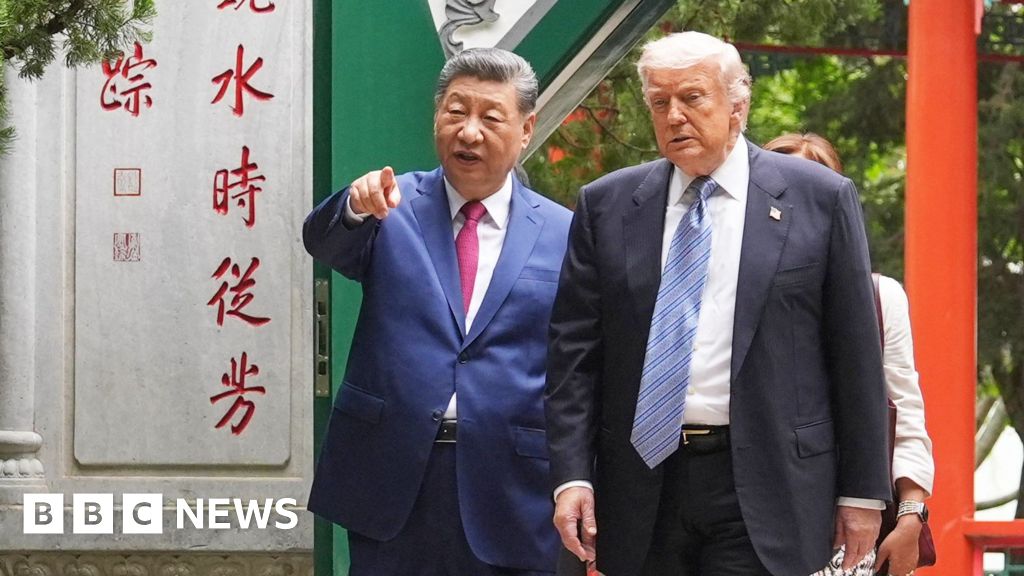
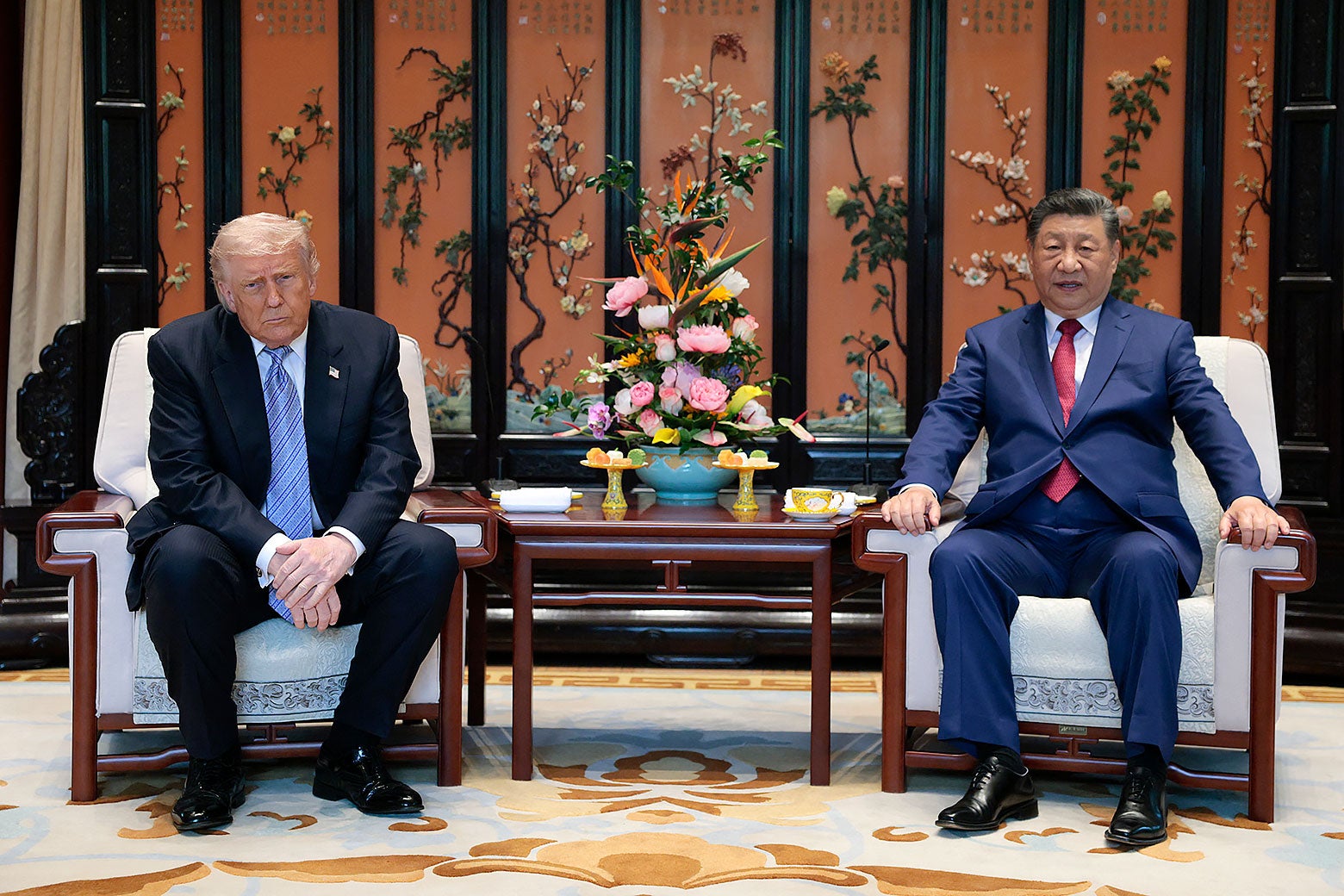
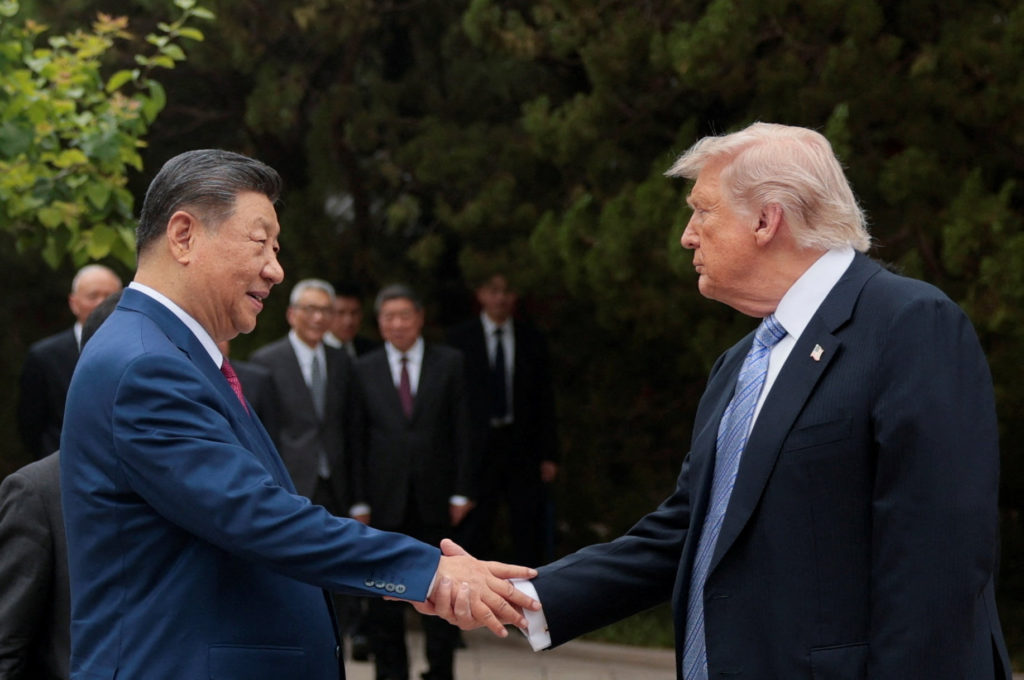
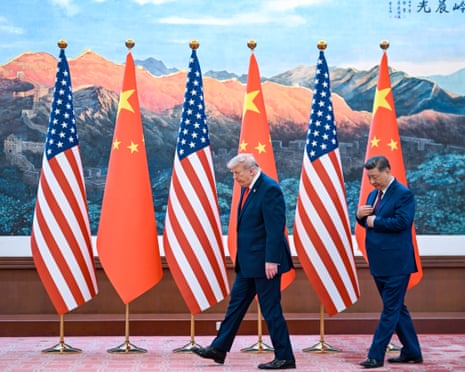
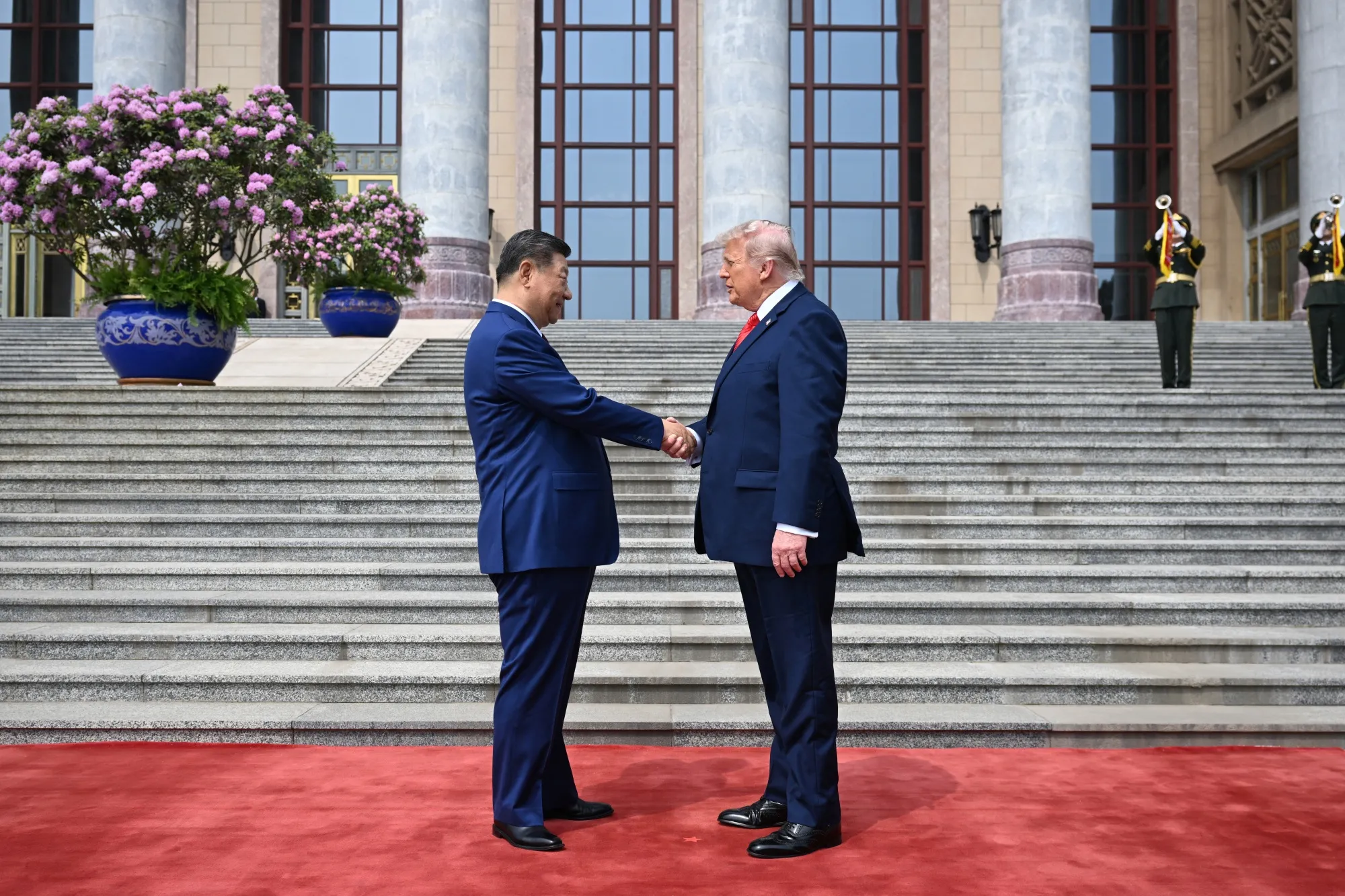
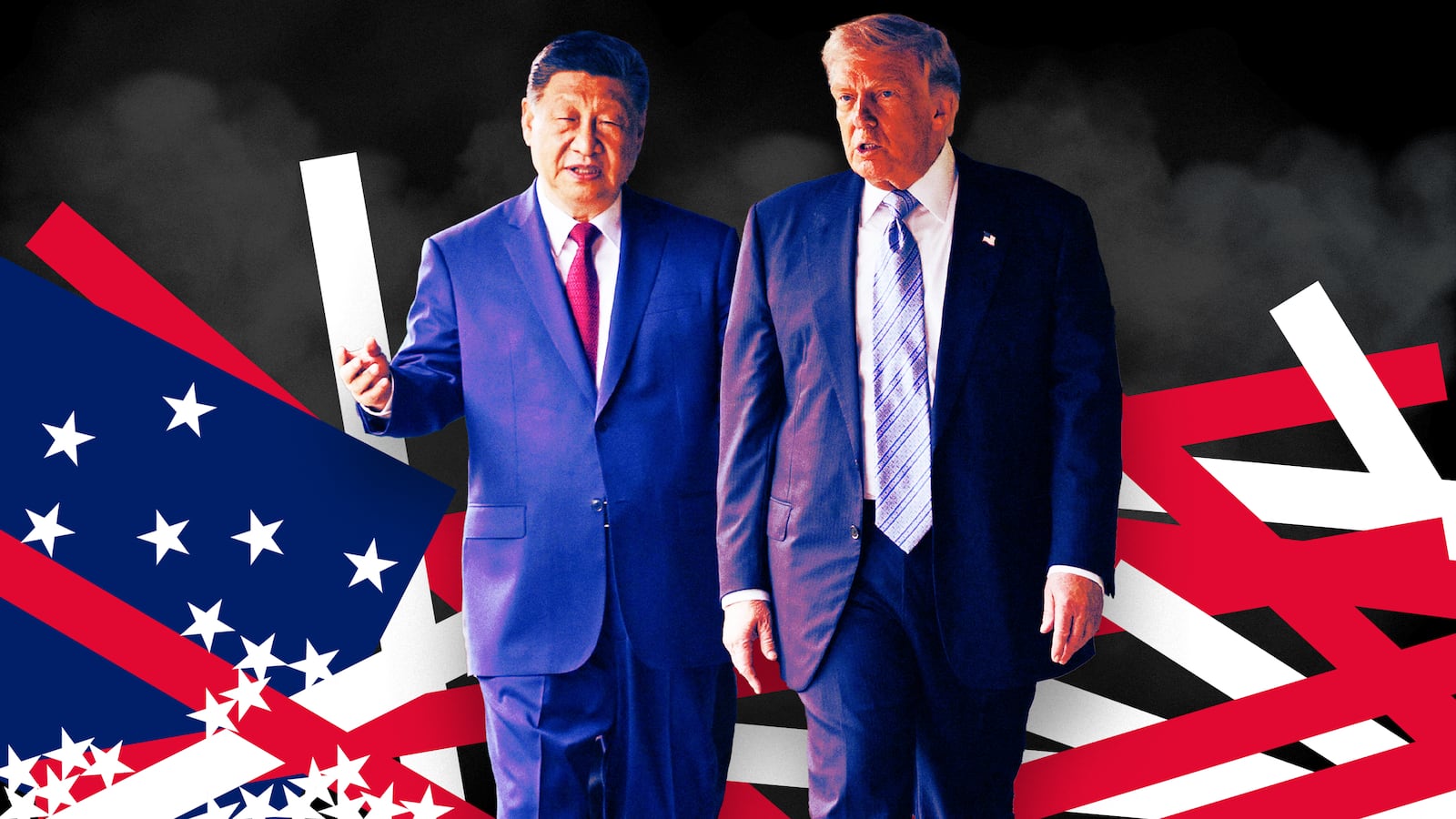
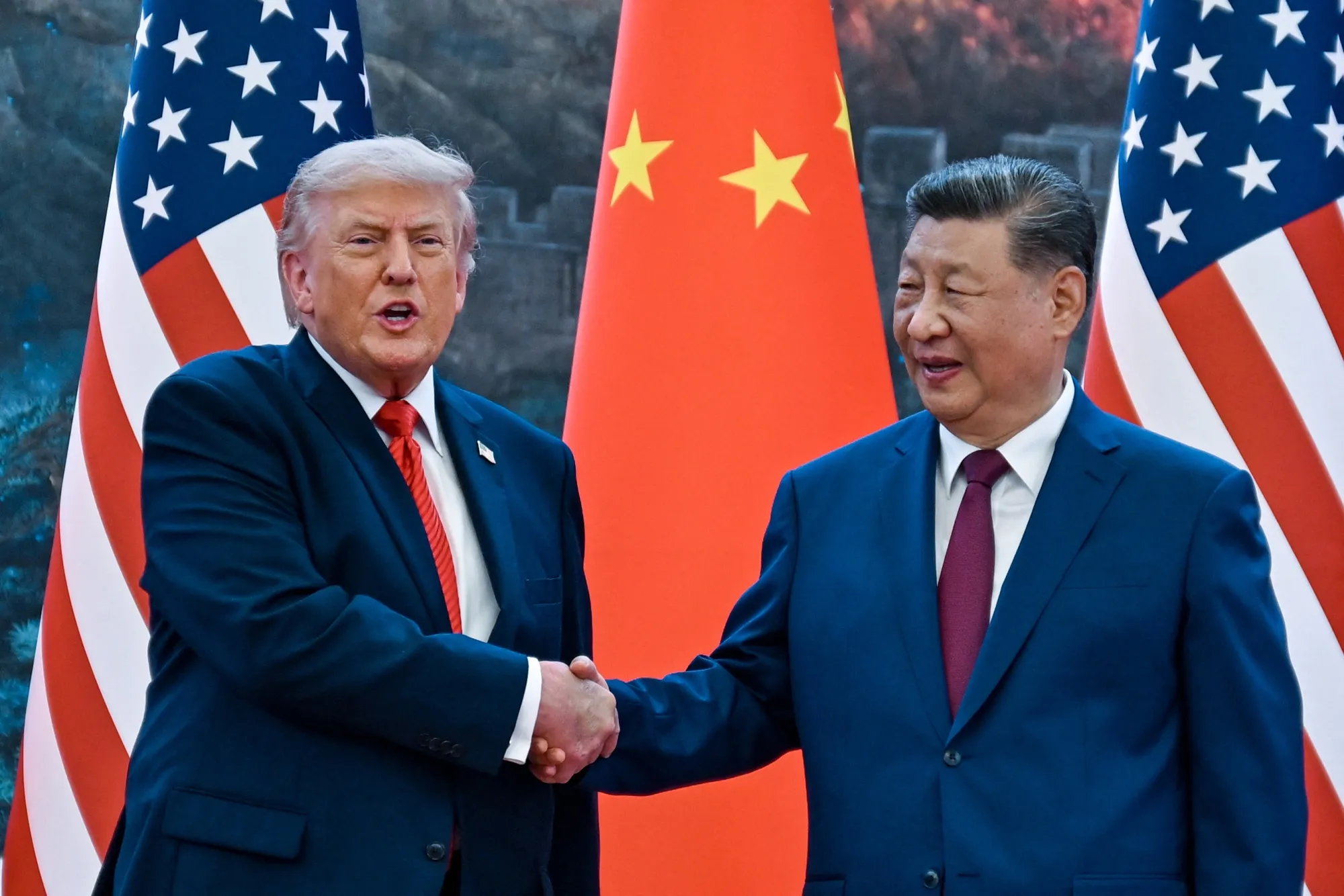
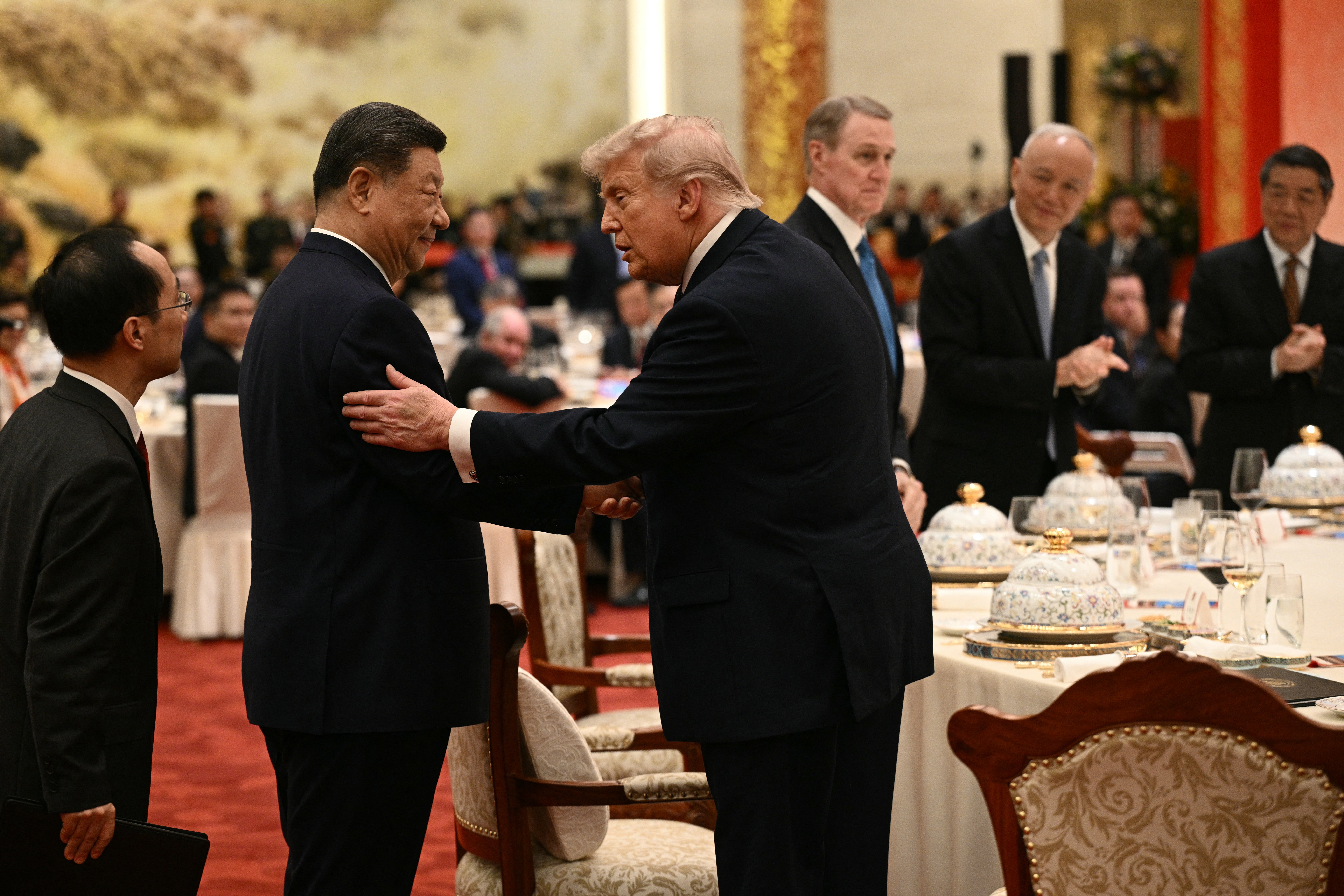
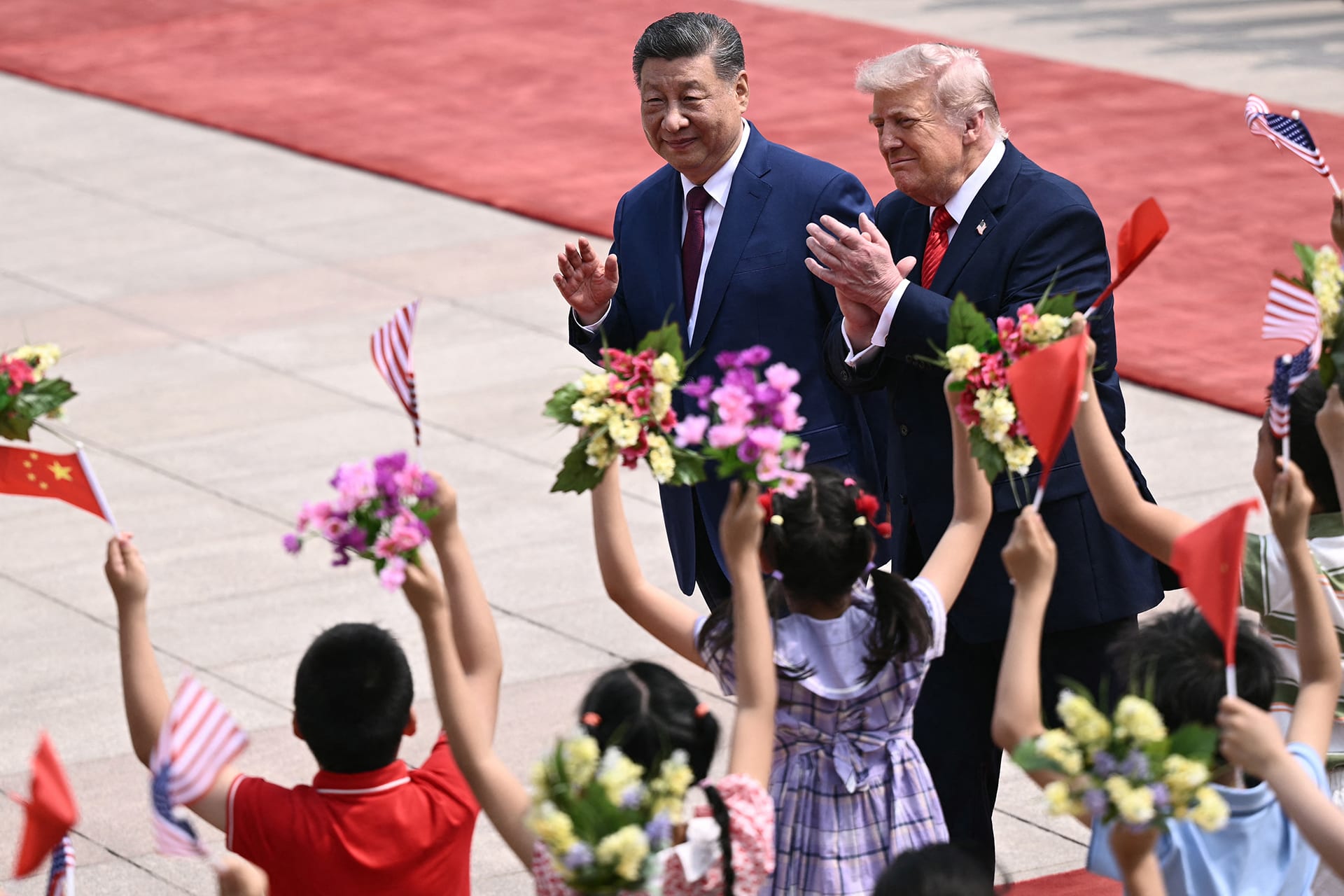
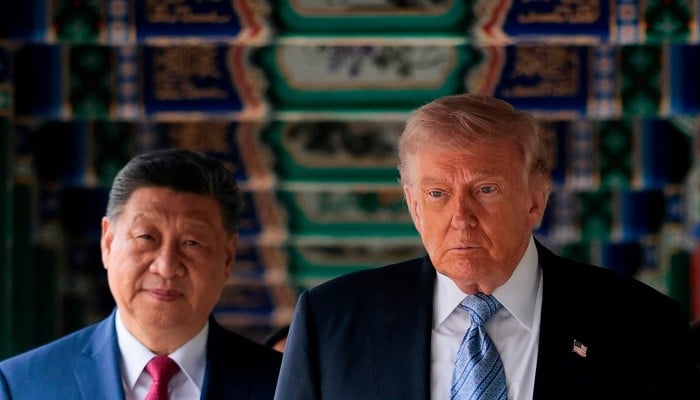
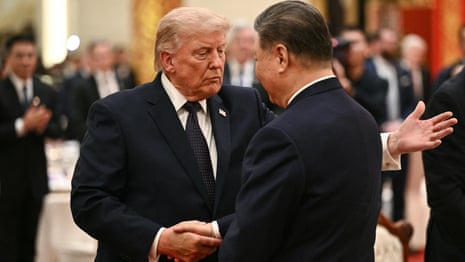
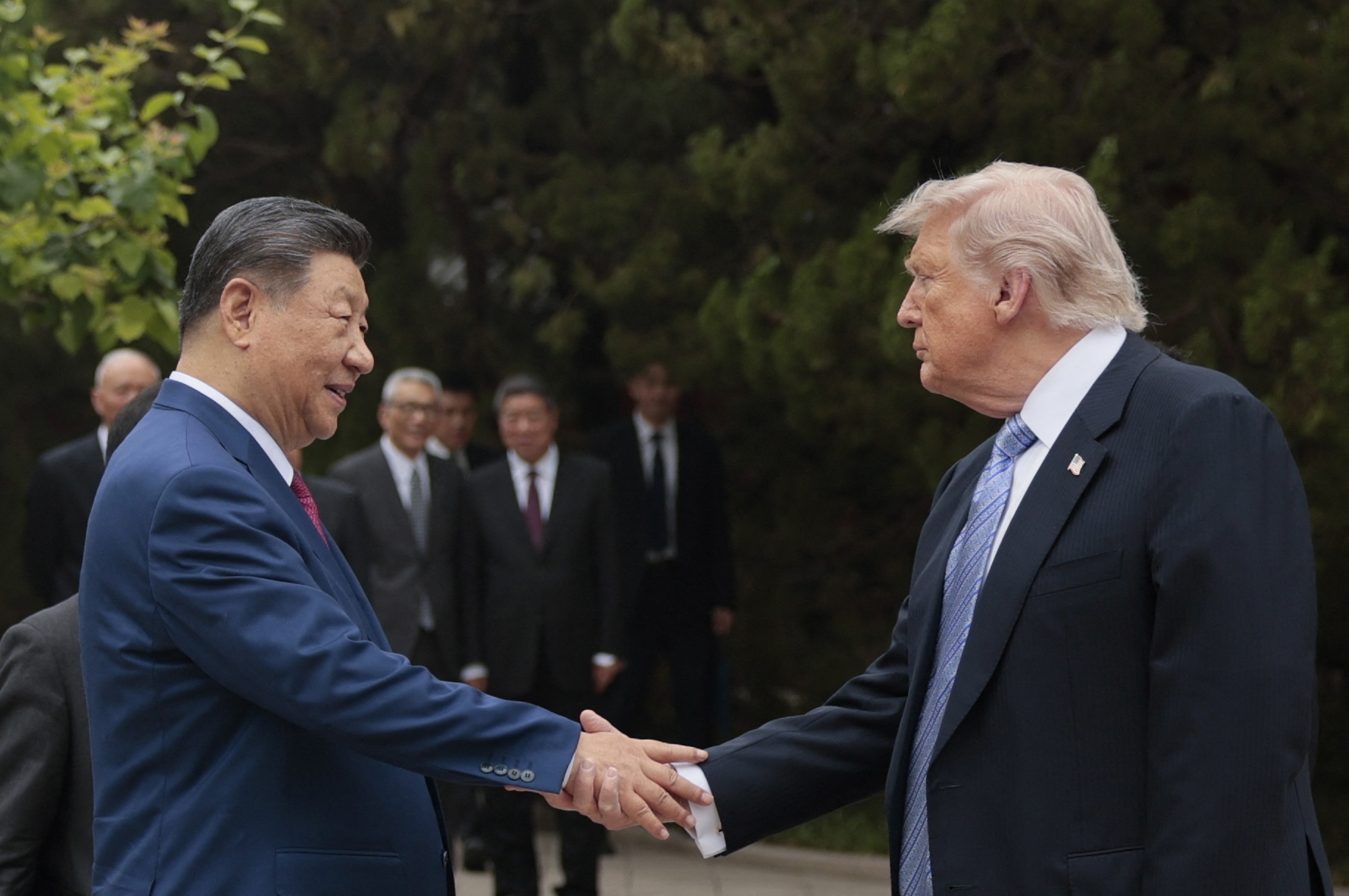
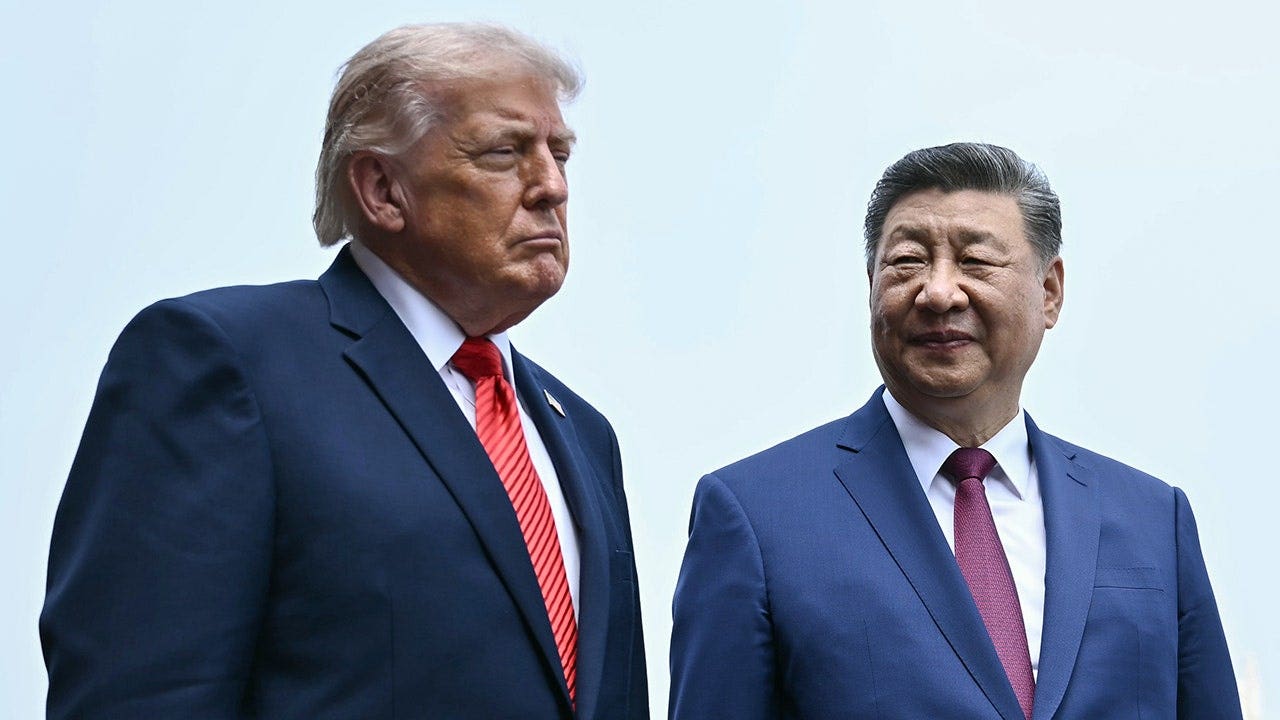
CRITICAL POLICY STALEMATE: President Trump's three-day Beijing summit with Xi Jinping (May 2026) produced limited tangible trade outcomes despite extensive diplomatic theater, creating prolonged uncertainty for cross-border e-commerce sellers dependent on US-China commerce. While the summit established a "constructive strategic stability" framework emphasizing cooperation over confrontation, substantive tariff reductions, market access agreements, or tech policy clarifications remain undefined—leaving sellers in a holding pattern for 6-12 months.
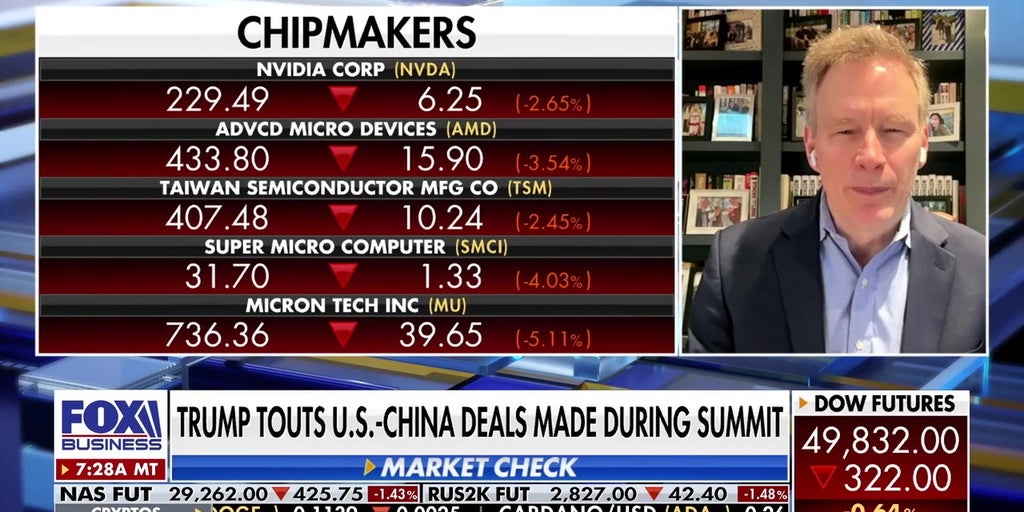
TARIFF ARBITRAGE IMPACT: The delayed $14 billion Taiwan arms sale approval signals potential shifts in US-China tech policy, directly affecting semiconductor and electronics supply chains. Sellers sourcing components from China (HS codes 8471-8517: computers, semiconductors, telecommunications equipment) face continued uncertainty regarding tariff rates and export controls. The "strategic stability" framework could allow China to challenge US tech restrictions it deems destabilizing, potentially creating windows for tariff relief on specific categories—but only after policy clarification occurs. Trump's weakened negotiating position (per Washington Post analysis) suggests trade concessions may be delayed beyond Q3 2026.
MARKET ACCESS STALEMATE: Trump's unconfirmed claims of Chinese commitments to purchase 200-750 Boeing jets and increased US agricultural imports (oil, soybeans) indicate potential market opening for US exporters, but Chinese officials did not confirm these figures. This ambiguity creates risk for US sellers planning China market expansion. The lack of concrete AI competition agreements leaves regulatory frameworks unclear for tech-enabled sellers (e-commerce platforms, logistics software, AI-powered fulfillment tools). Chinese exporters face continued uncertainty regarding US tariff policy, while American sellers operating in China confront unclear market conditions for 2026-2027.
COMPETITIVE DYNAMICS SHIFT: The summit's emphasis on "greater parity" between US and China (per Chinese scholar Wu Xinbo) signals a fundamental shift from previous US negotiating dominance. This creates opportunities for Vietnam, India, and Southeast Asian sourcing alternatives as sellers hedge China exposure. Mid-market sellers (annual revenue $5-50M) should begin diversifying supplier bases away from China-dependent categories, particularly in electronics, textiles, and consumer goods. Large sellers with established China operations maintain advantages through existing relationships, while small sellers (<$1M revenue) face increased sourcing costs if they lack China supplier networks.
TIMING WINDOW ANALYSIS: The summit's lack of breakthroughs suggests policy clarity will not emerge until fall 2026 (when Xi visits the US per Trump's invitation). Sellers should expect 6-month minimum delays in tariff policy changes, trade agreement implementation, and tech regulation clarification. This creates a "wait-and-see" period where sellers cannot confidently plan sourcing strategies, pricing adjustments, or market expansion. The Taiwan issue remains a critical risk factor—any escalation could trigger immediate trade restrictions affecting sellers sourcing from or selling to these markets within days.
Questions 7
When should sellers expect clarity on US-China trade policy after this summit?
Policy clarity is unlikely before fall 2026, when Xi visits the US per Trump's invitation. The summit produced no binding commitments or detailed policy changes, leaving major trade and regulatory questions unresolved. Sellers should plan for 6-12 month minimum delays in tariff policy changes, trade agreement implementation, and tech regulation clarification. This creates a 'wait-and-see' period where sellers cannot confidently plan sourcing strategies or pricing adjustments. Monitor Xi's fall visit announcement and any subsequent policy statements from USTR (US Trade Representative) for concrete tariff or market access changes.
How should sellers adjust sourcing strategies given the Taiwan arms sale uncertainty?
The delayed Taiwan arms sale creates immediate risk for sellers sourcing from or selling to Taiwan. Any escalation could trigger trade restrictions within days. Sellers should: (1) Diversify critical component sourcing away from Taiwan to mainland China, Vietnam, or India; (2) Avoid major inventory commitments in Taiwan-dependent categories until policy clarity emerges; (3) Monitor Taiwan-related news daily for escalation signals; (4) Maintain 30-60 day safety stock for Taiwan-sourced components; (5) Develop alternative supplier relationships in Vietnam and India for electronics/semiconductors. Large sellers should conduct supply chain risk assessments by category and geography by June 2026.