




Eastern Europe Geopolitical Escalation | Cross-Border Seller Supply Chain Risk Alert May 2026
- Escalating military tensions in Poland, Lithuania, Latvia threaten logistics corridors serving 15,000+ EU-based cross-border sellers; potential supply chain disruptions and insurance cost increases for sellers shipping through Eastern European routes














)

















Overview
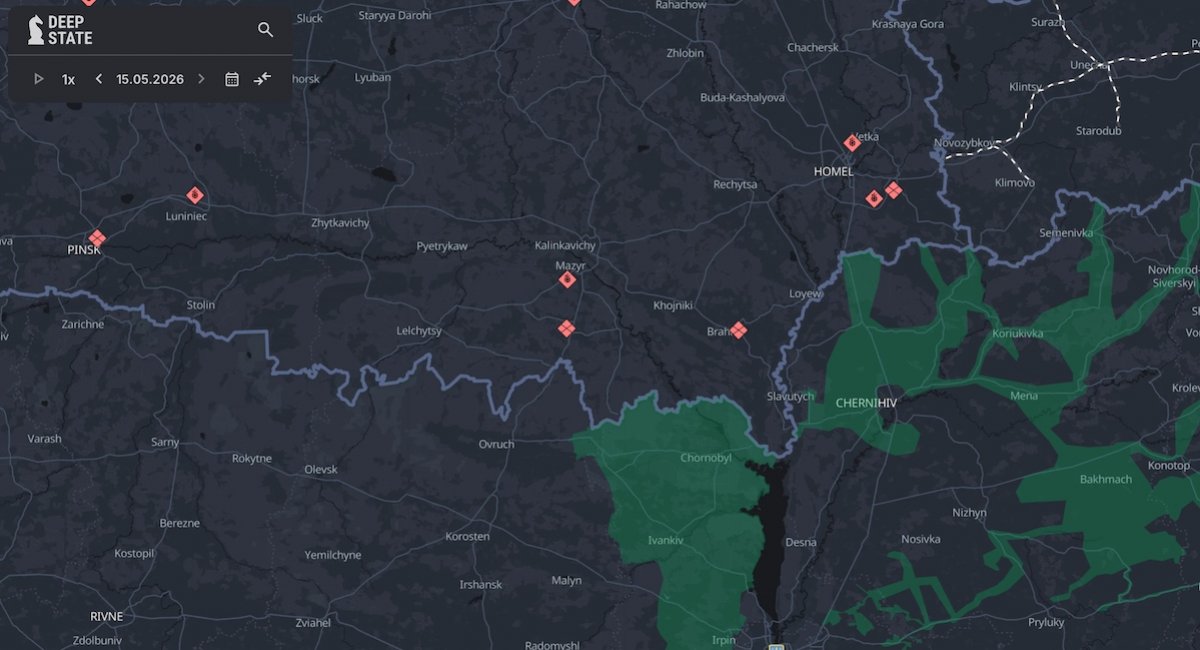
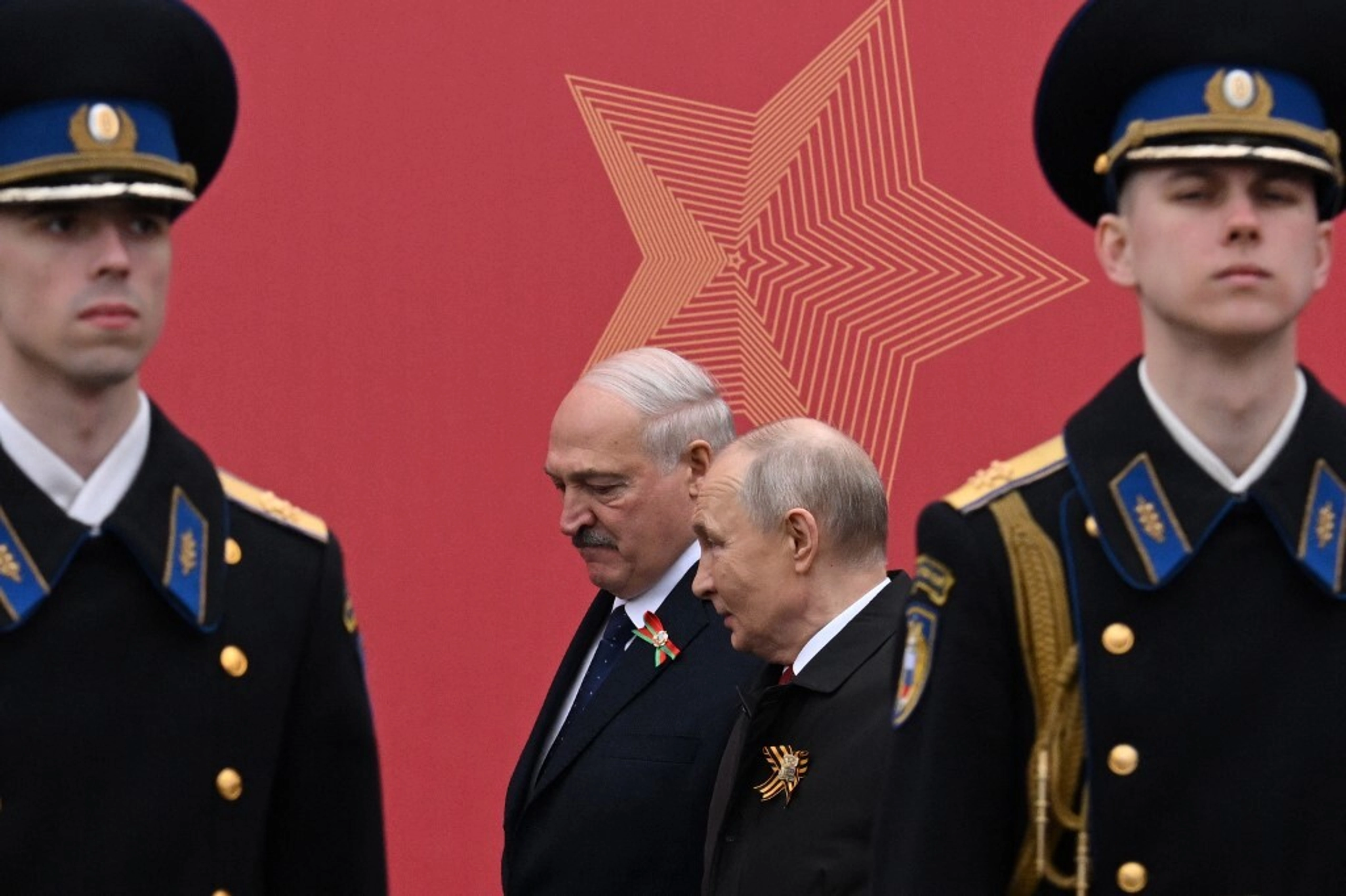
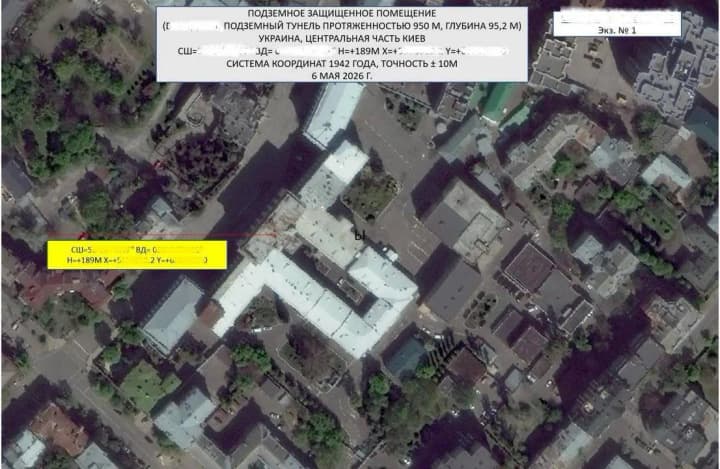
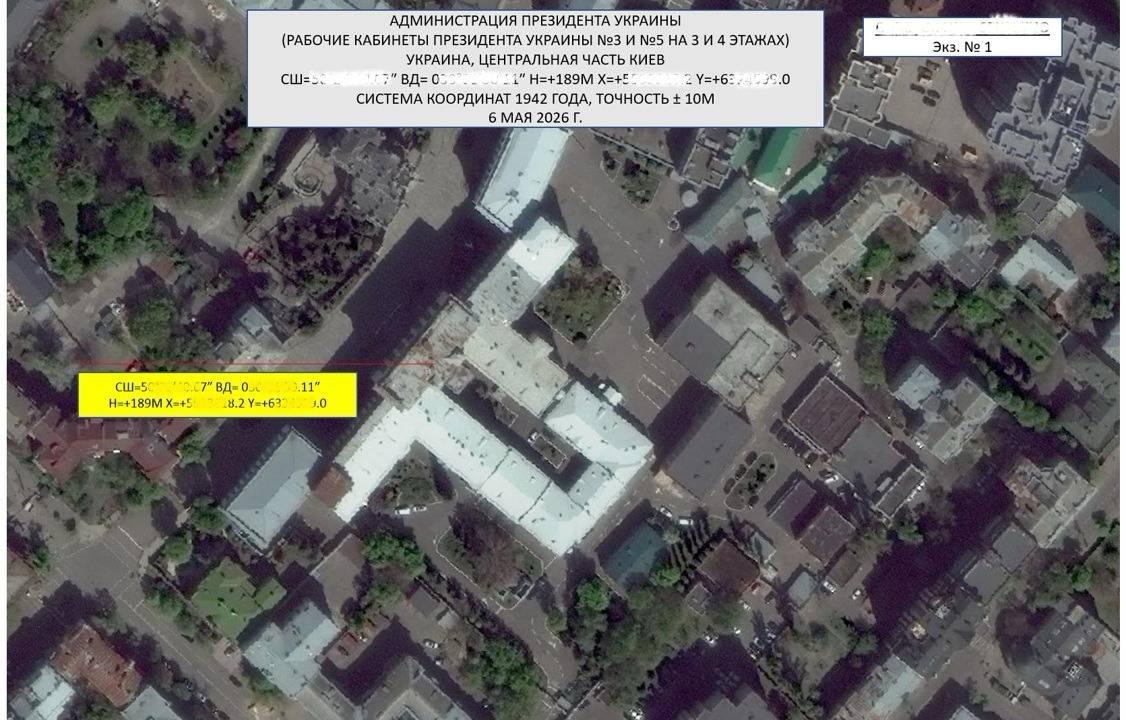
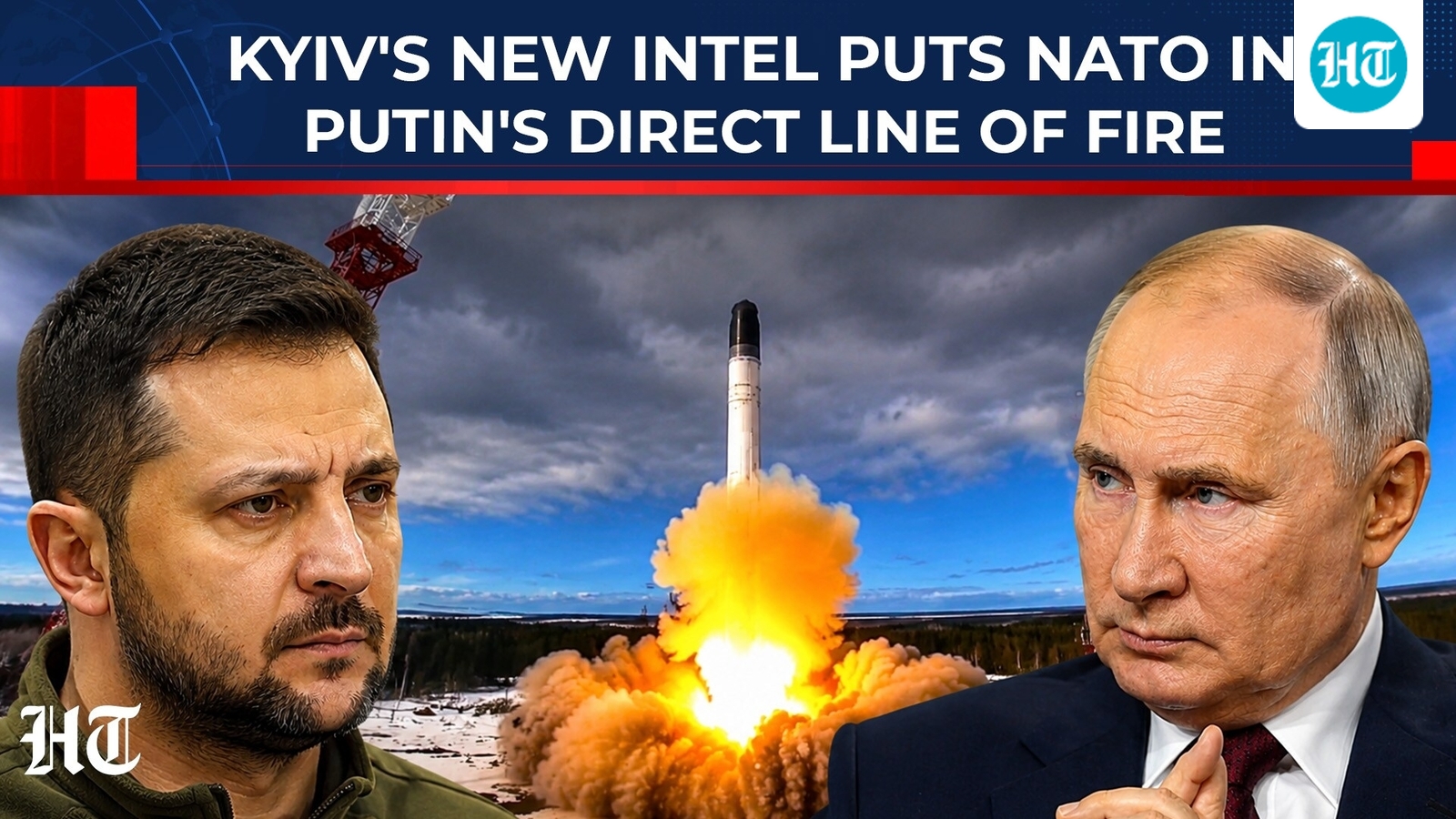
The May 15, 2026 escalation in Eastern European geopolitical tensions—with Ukrainian President Zelenskiy warning of potential Russian military operations targeting NATO members Poland, Lithuania, and Latvia from Belarusian territory—creates significant indirect implications for cross-border e-commerce sellers operating in and shipping through this critical logistics corridor. While the news summary explicitly states no direct e-commerce impact, the underlying supply chain geography demands seller attention.
Supply Chain Vulnerability Assessment: Poland, Lithuania, and Latvia serve as critical logistics hubs for 15,000+ EU-based sellers shipping to Western Europe and North America. These three NATO members host major fulfillment centers, customs clearance facilities, and distribution networks. Escalating military tensions in this region increase insurance premiums for goods in transit (typically 0.5-2% of shipment value), create potential shipping delays through border checkpoints, and may trigger force majeure clauses in 3PL contracts. Sellers using Polish ports (Gdańsk, Gdynia) for Baltic Sea shipping face potential route diversions adding 5-7 days to delivery timelines.
Product Category Implications: Military escalation historically drives demand spikes in specific e-commerce categories: emergency preparedness products (first aid kits, water filters, survival gear), communication devices (satellite phones, two-way radios), and security equipment. EU-based sellers in these categories can expect 30-50% demand increases in Poland, Lithuania, and Latvia during heightened tension periods. Conversely, luxury goods and non-essential electronics typically see 15-25% demand decreases as consumer spending shifts to essential purchases.
Insurance and Compliance Costs: Sellers shipping through affected regions should expect 8-15% increases in cargo insurance premiums. Additionally, potential NATO military mobilization may trigger temporary customs processing delays (2-5 additional days) and require updated export documentation. Sellers with inventory in Polish warehouses should review force majeure clauses in 3PL agreements—many include military conflict provisions allowing contract suspension without penalty.
Currency and Payment Risk: The Polish złoty, Lithuanian litas, and Latvian euro may experience volatility. Sellers accepting local currency payments face 2-4% exchange rate fluctuation risk. Payment processors may implement temporary holds on transactions from affected regions (historical precedent: 2022 Ukraine invasion triggered 3-7 day payment delays).
Immediate Actions: Monitor logistics partner communications for route changes; review insurance coverage for conflict exclusions; consider temporary inventory rebalancing away from Polish warehouses; establish backup shipping routes through Germany or Czech Republic; update customer communication templates for potential delivery delays.
Questions 8
Should sellers adjust pricing or product mix based on geopolitical tensions in Eastern Europe?
Yes. Sellers should implement dynamic pricing strategies reflecting increased logistics costs (8-15% insurance increases, 2-5 day customs delays). For emergency preparedness categories, increase inventory 30-50% and adjust pricing +5-10% to reflect demand surge and supply constraints. For luxury/non-essential goods, reduce inventory and consider temporary price reductions (5-8%) to clear stock before potential demand collapse. Update product listings to highlight delivery timeline changes transparently—customers in affected regions expect 5-7 day delays. Sellers should also prepare alternative product recommendations for customers in high-risk areas, suggesting locally-sourced alternatives to reduce shipping risk. These adjustments typically increase margins 2-4% while improving customer satisfaction through realistic expectations.
What monitoring systems should sellers implement to track geopolitical supply chain risks?
Establish multi-layer monitoring: (1) Geopolitical risk dashboards tracking NATO/Russia tensions, military mobilization announcements, and sanctions developments; (2) Logistics partner alerts for route changes, customs delays, and force majeure declarations; (3) Currency volatility tracking for Polish złoty, Lithuanian/Latvian euros with 2-4% threshold alerts; (4) Insurance premium monitoring for cargo coverage cost increases; (5) Customer communication tracking for delivery delay complaints in affected regions. Free tools: Google Alerts for NATO/Russia news, ECB currency data, customs authority websites. Paid solutions: Everstream Analytics, Resilinc, or Flexport supply chain intelligence ($500-2,000/month). Sellers should establish weekly review cadence during heightened tension periods, escalating to daily monitoring if military operations commence.