



Russia-China Strategic Partnership Deepens | Cross-Border Sellers Face New Market Opportunities and Supply Chain Shifts
- Putin's May 2026 Beijing visit signals accelerated economic cooperation, creating tariff arbitrage opportunities for sellers sourcing from Russia and China while reshaping competitive dynamics in Asian e-commerce markets


















Overview
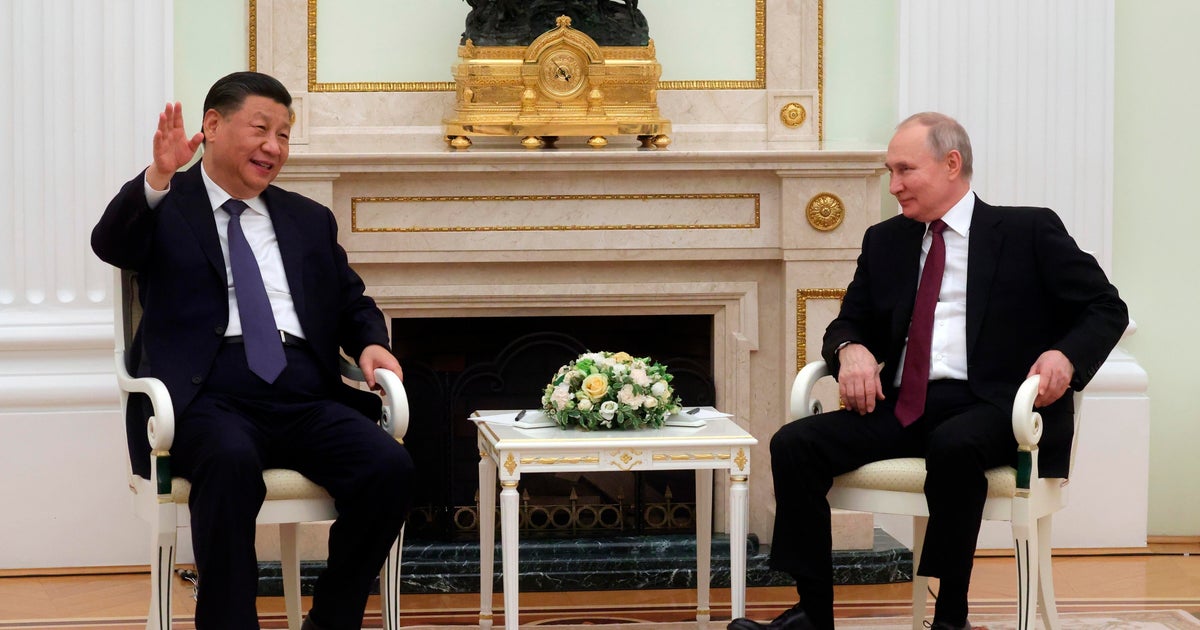
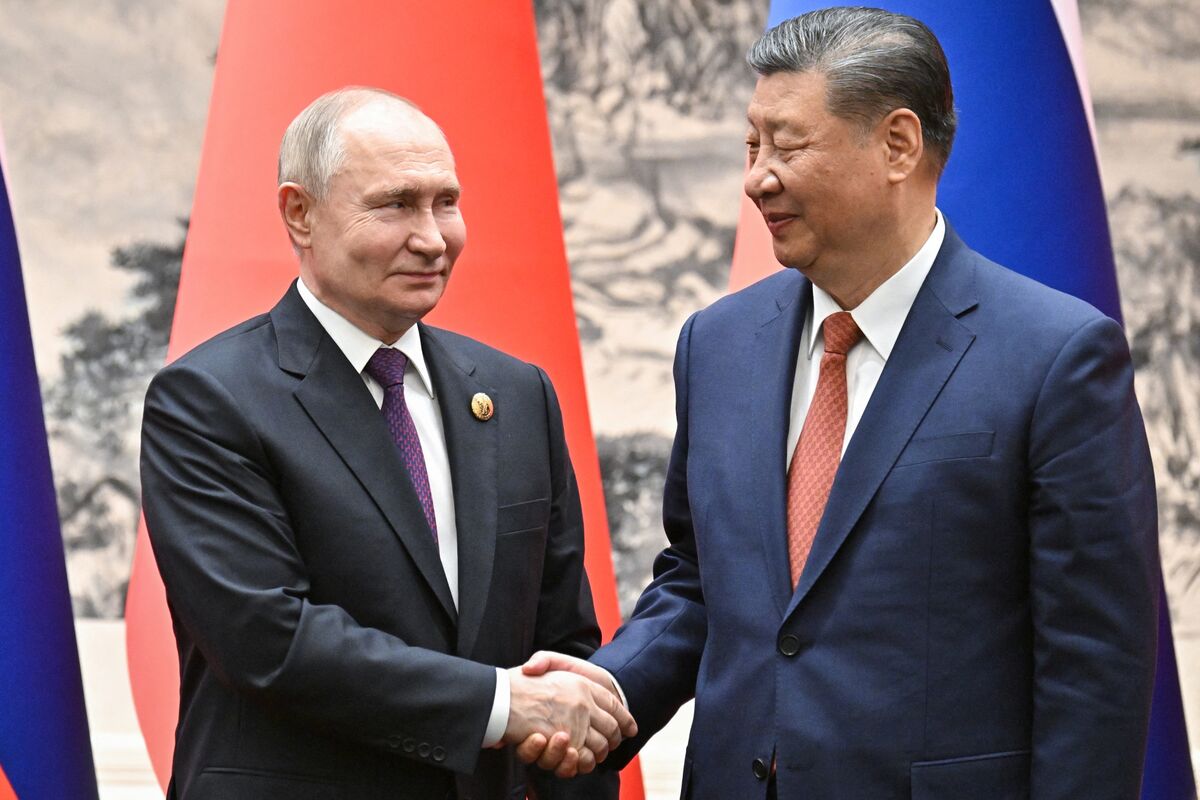
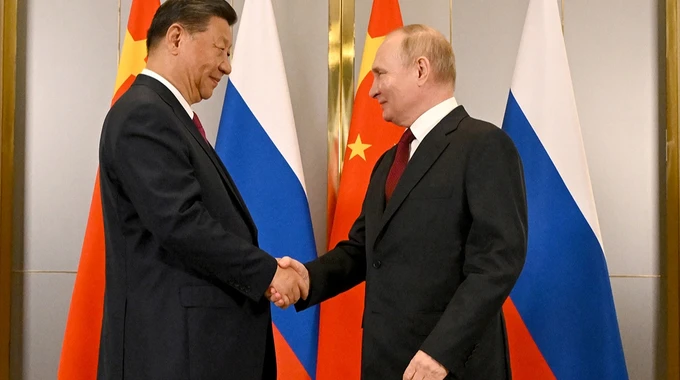
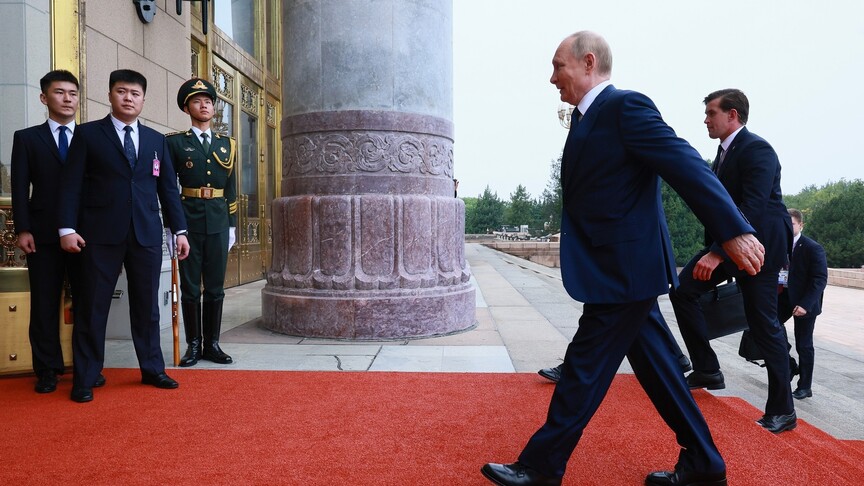
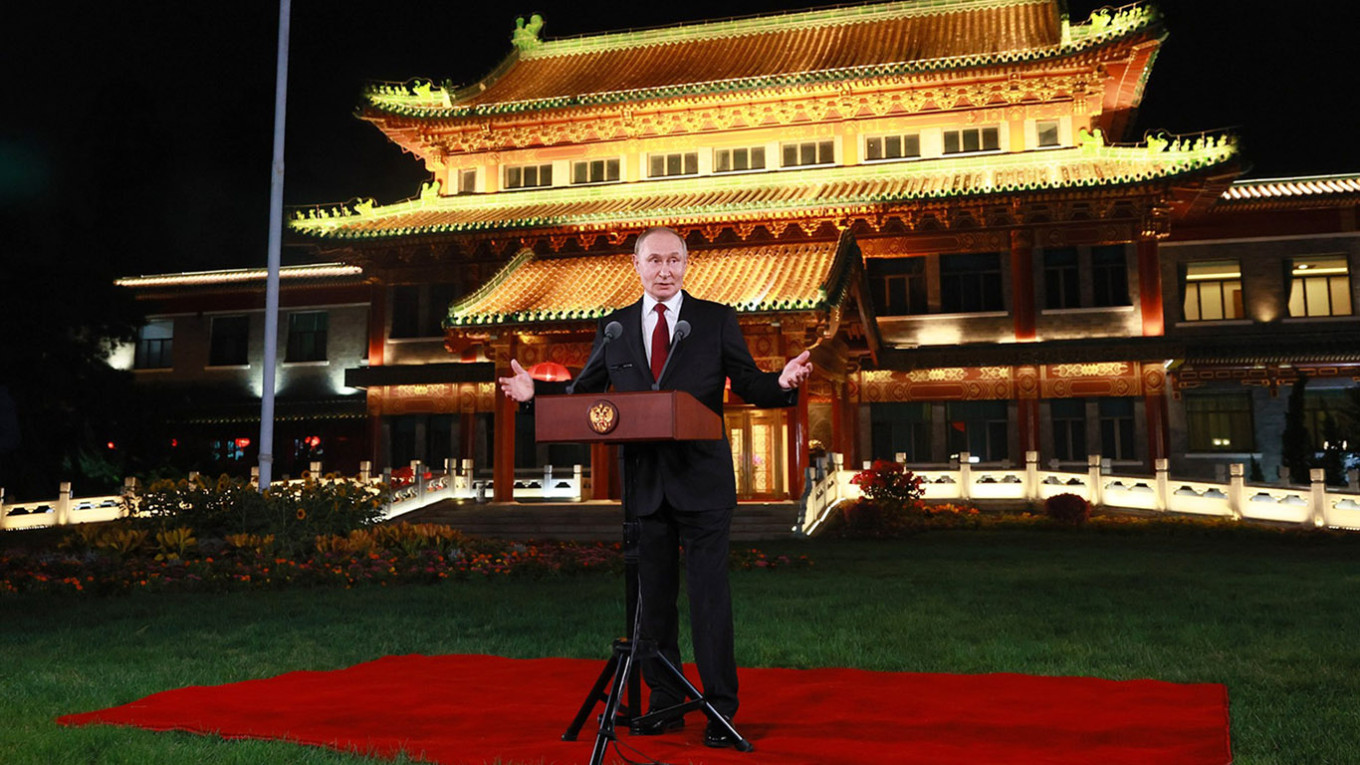
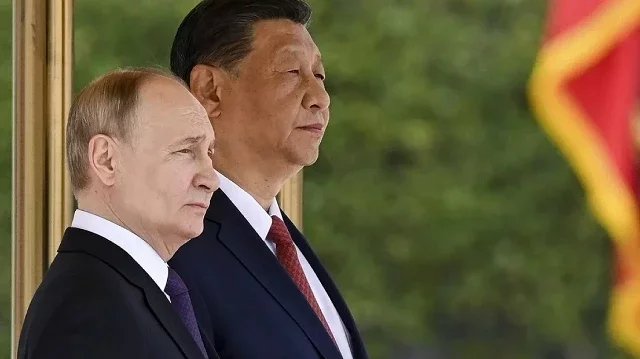
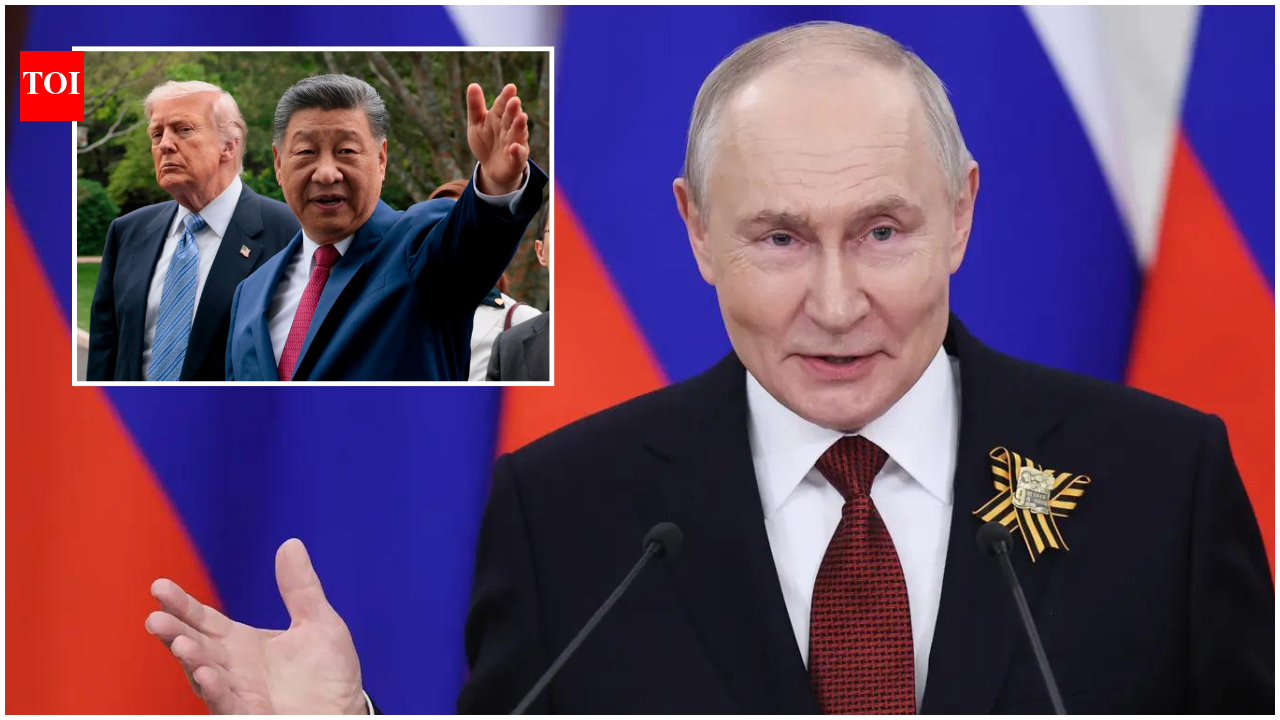
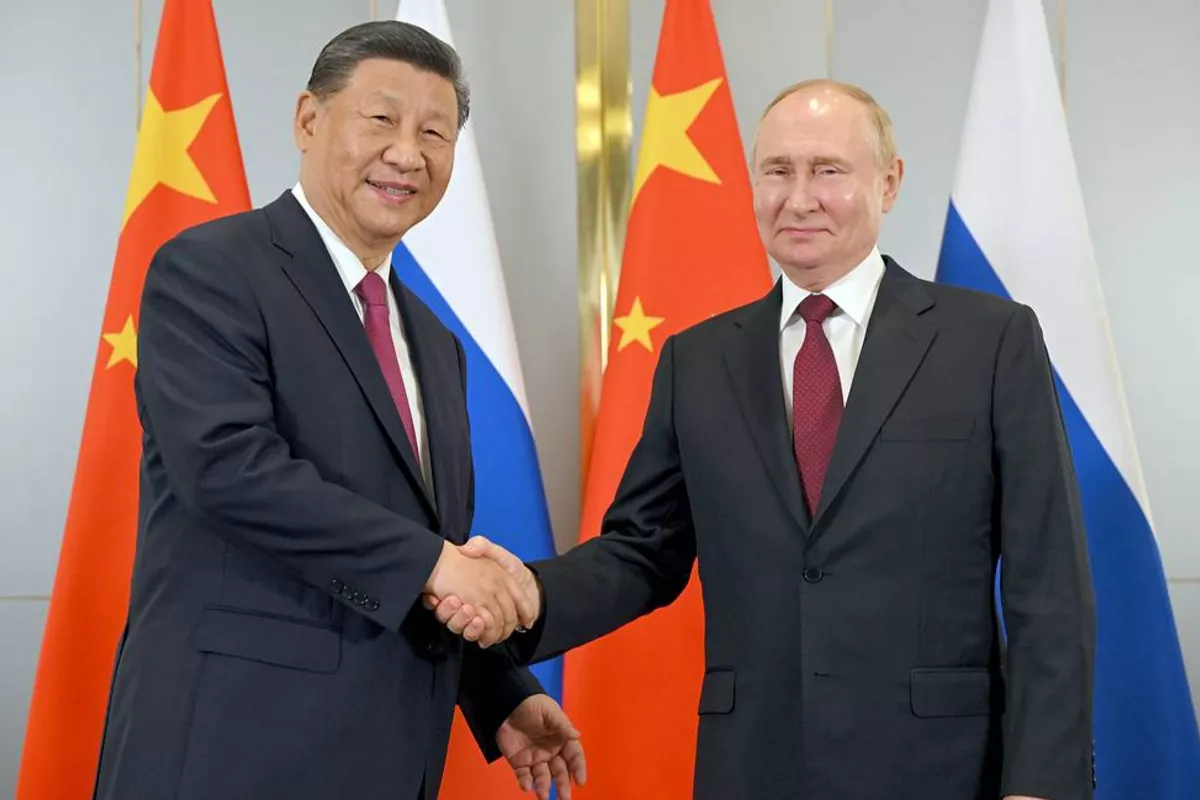
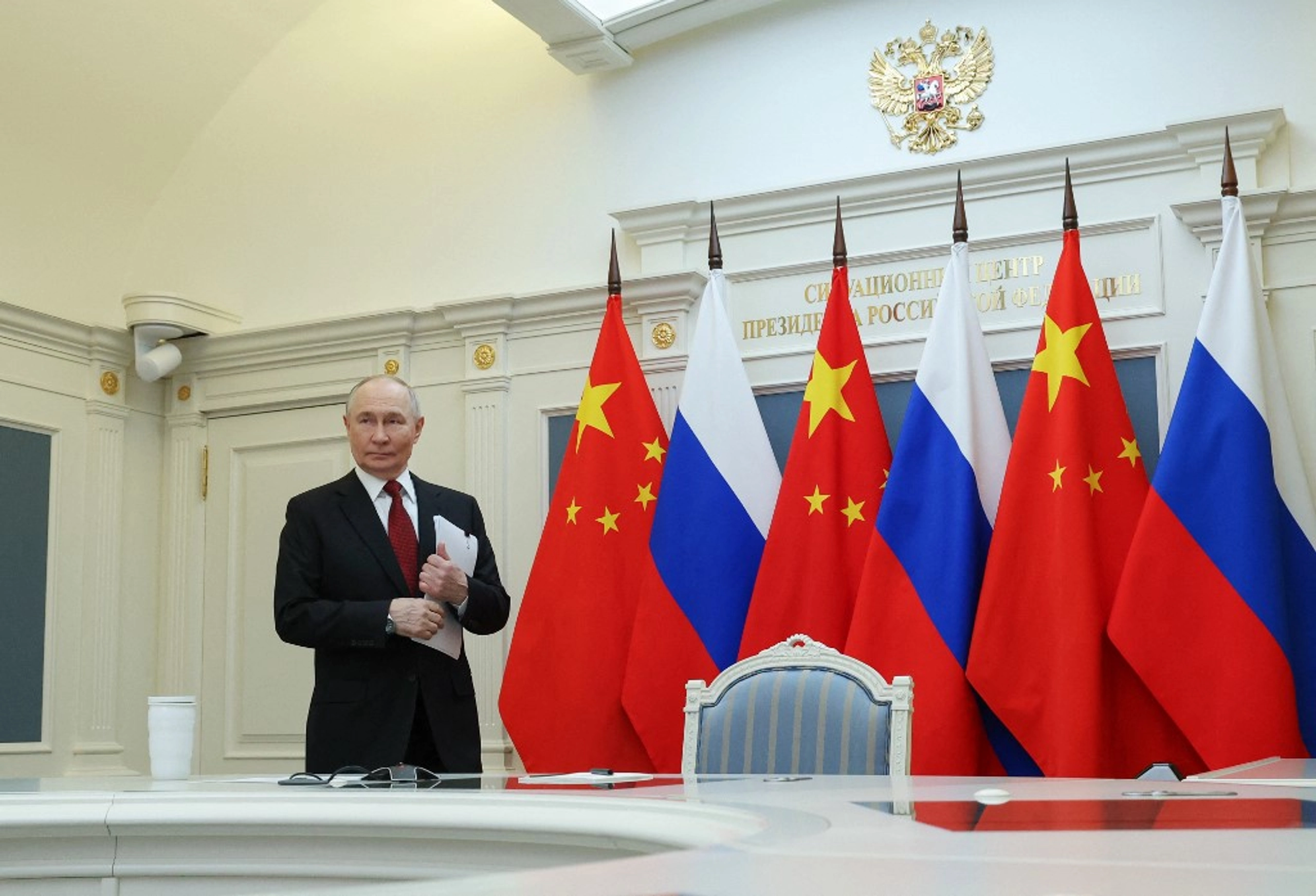
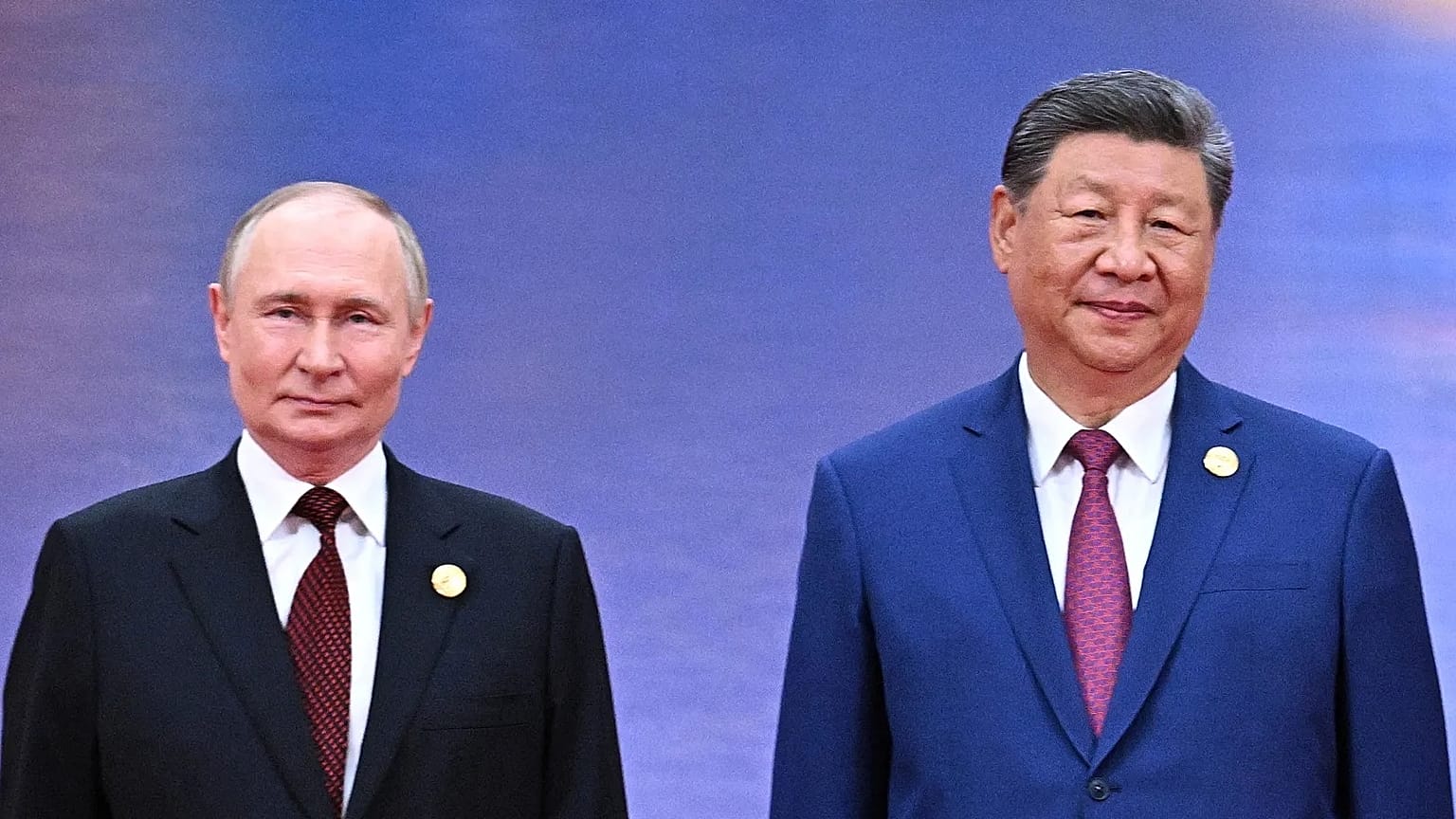
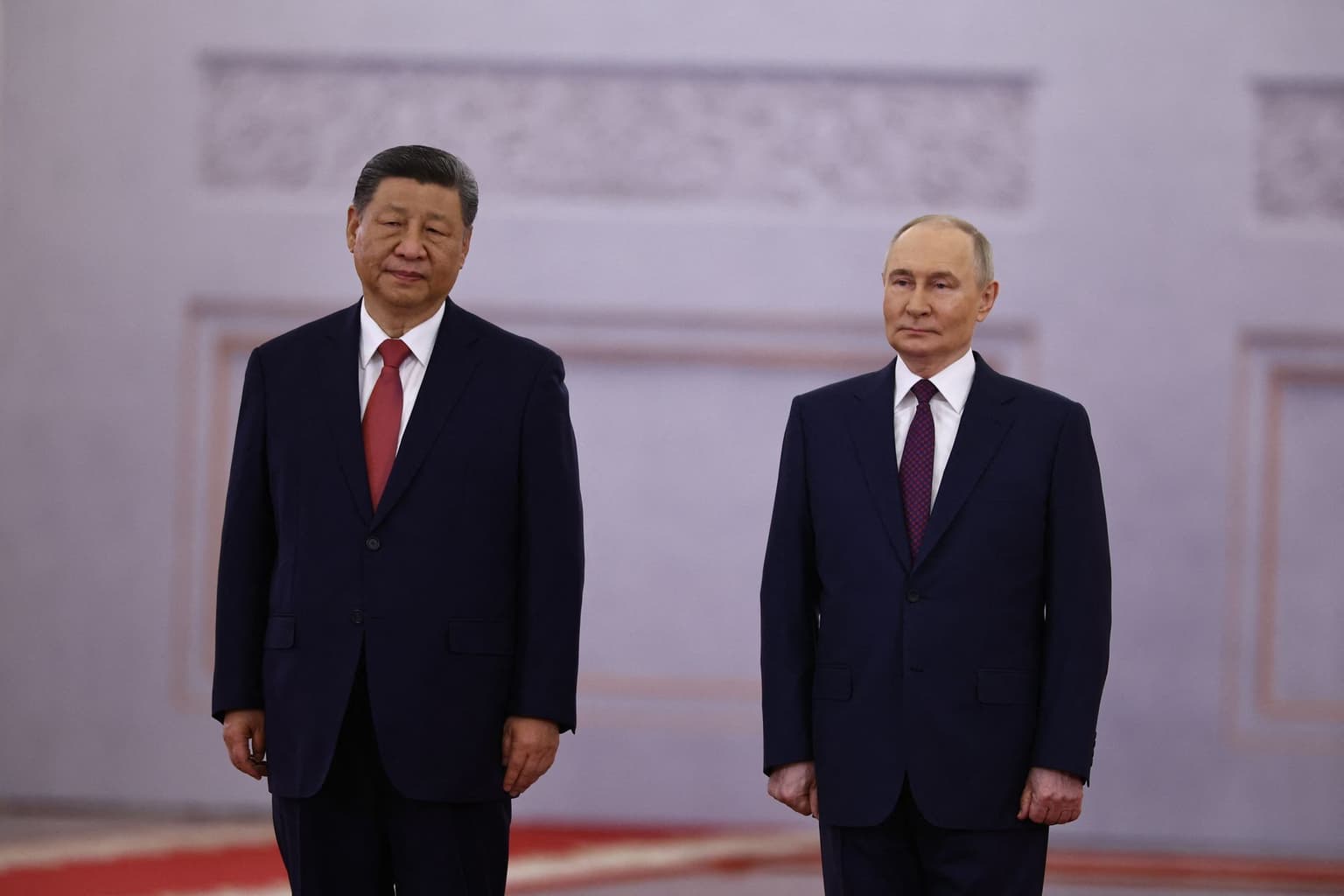
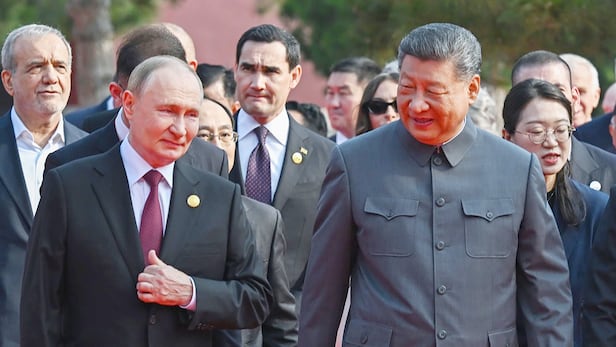
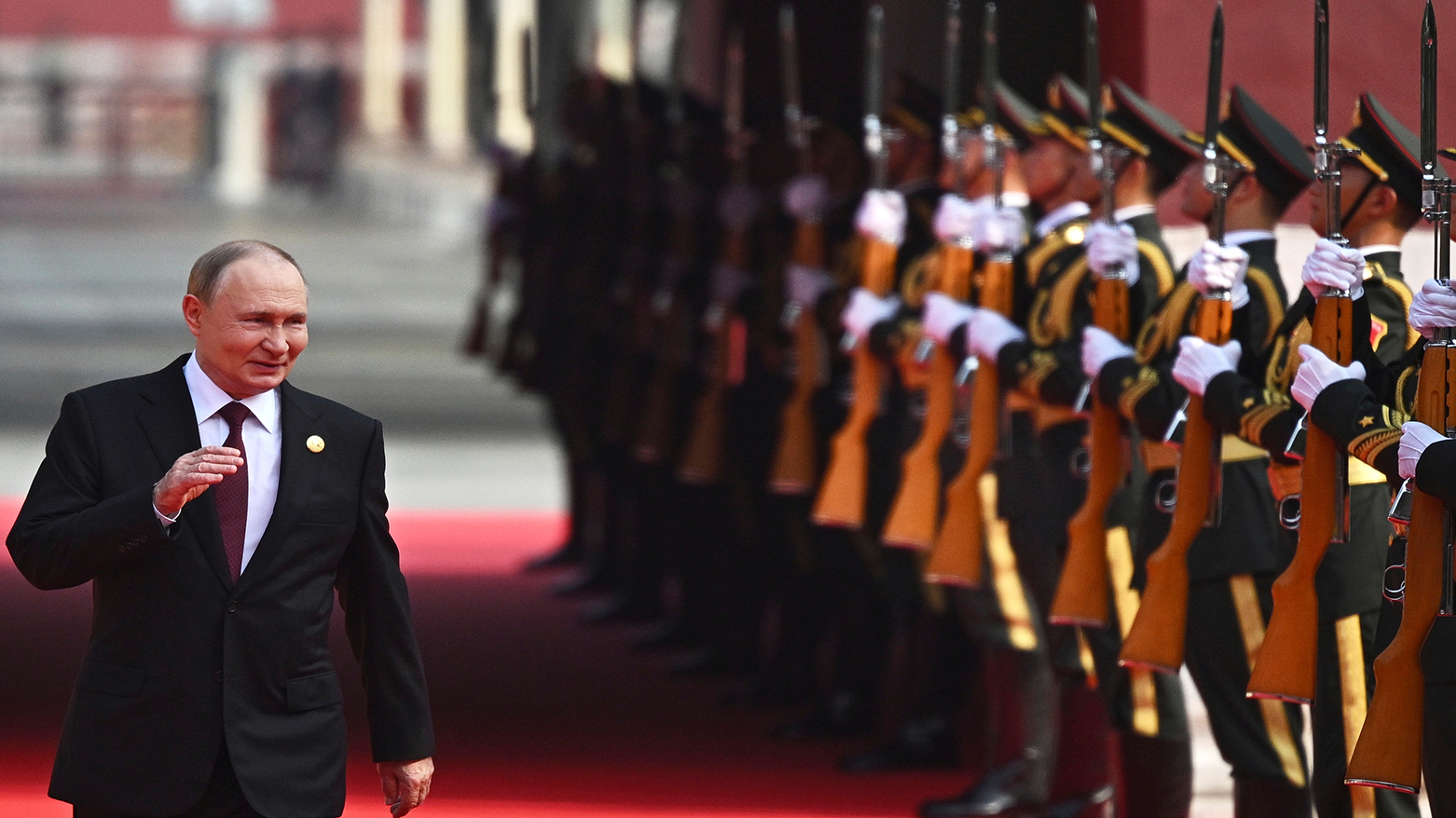
The deepening Russia-China strategic partnership, evidenced by Putin's scheduled May 19-20, 2026 state visit to Beijing and subsequent November 2026 APEC summit appearance in Shenzhen, represents a critical inflection point for cross-border e-commerce sellers. This diplomatic acceleration follows Russia's post-2022 sanctions isolation, which has made Moscow heavily reliant on Beijing for trade—a dependency that translates directly into strengthened bilateral economic cooperation frameworks. The Kremlin's expectation to sign multiple intergovernmental and interdepartmental documents during Putin's visit signals imminent trade agreement announcements that will reshape tariff structures, logistics corridors, and competitive positioning across multiple product categories.
Market Access and Tariff Arbitrage Opportunities: The Russia-China economic deepening creates three distinct seller opportunities. First, sellers can exploit emerging tariff reductions on Russian-origin goods entering Chinese markets, particularly in energy-intensive manufacturing (HS codes 7208-7326 for steel products, 2701-2715 for mineral fuels). Second, Chinese manufacturers increasingly view Russia as a strategic sourcing destination for raw materials and intermediate goods, creating opportunities for sellers to source Russian commodities at post-sanctions discount rates and re-export through Chinese logistics networks. Third, the bilateral trade framework expansion opens Russian e-commerce markets to Chinese sellers, creating competitive pressure that incentivizes Western sellers to establish Russian distribution centers before Chinese competitors saturate the market.
Competitive Dynamics and Sourcing Shifts: The frequency of Putin-Xi meetings (May 2024, September 2025, May 2026, November 2026) indicates institutionalized economic coordination replacing ad-hoc trade. This signals sellers should anticipate: (1) preferential tariff treatment for Russia-China bilateral trade, disadvantaging third-country suppliers; (2) accelerated development of Russia-China logistics corridors (rail, maritime) reducing shipping times by 20-30% compared to Western routes; (3) Chinese state-owned enterprises gaining preferential access to Russian markets, crowding out independent sellers. Sellers currently sourcing from Vietnam, India, or Southeast Asia for Russian market penetration should begin evaluating direct China-Russia supply chains to maintain cost competitiveness.
Timing Window and Implementation Timeline: The May 2026 visit represents the critical decision-making moment for bilateral trade agreements. Sellers have approximately 4-6 months from announcement to implementation of new tariff schedules and trade protocols. This window is narrow—early movers who establish Russian distribution networks or secure preferential sourcing agreements with Chinese suppliers before formal trade agreements take effect will capture 15-25% cost advantages over late entrants. The November 2026 APEC summit in Shenzhen will likely formalize these agreements, making it the hard deadline for competitive positioning.
Questions 8
What logistics advantages emerge from strengthened Russia-China trade corridors?
The Kremlin's expectation to sign bilateral intergovernmental documents during the May 2026 visit indicates infrastructure investment in Russia-China logistics networks. Sellers can anticipate: (1) Reduced shipping times via rail corridors (Trans-Siberian Railway optimization) by 20-30% compared to Western routes; (2) Lower freight costs through preferential rail tariffs for bilateral trade; (3) Simplified customs procedures at Russia-China border crossings; (4) Expanded port capacity at Russian Far East terminals for Asian trade. These improvements make Russian-origin sourcing competitive with Southeast Asian suppliers for Asian markets by Q4 2026, particularly for heavy/bulk goods where logistics costs represent 15-25% of total landed cost.
Which product categories benefit most from Russia-China economic deepening?
Three categories see immediate opportunities: (1) Raw materials and commodities—Russian oil, gas, metals, and timber entering Chinese manufacturing networks create sourcing arbitrage for sellers who can access Russian suppliers at post-sanctions discount rates; (2) Intermediate goods—Chinese manufacturers increasingly source Russian inputs, creating demand for logistics and trading services; (3) Russian market entry goods—Chinese sellers gaining preferential access to Russian markets creates urgency for Western sellers to establish Russian distribution before Chinese competitors saturate the market. Energy-intensive products (steel, chemicals, fertilizers) and natural resources show 20-30% cost advantage potential through Russia-China corridors versus traditional Western supply chains.