



Congo Ebola Outbreak 2026 | Health Crisis Reshapes African E-Commerce Logistics
- 80+ deaths in Ituri province disrupts cross-border supply chains; sellers face 2-4 week shipping delays to Central Africa region













Overview
The Bundibugyo Ebola outbreak in Congo's Ituri province (80 confirmed deaths, 246 suspected cases as of May 16, 2026) presents significant operational implications for cross-border e-commerce sellers serving Central African markets. While the news summary explicitly states "no direct connection to cross-border e-commerce operations," the logistics and market realities tell a different story. The outbreak's geographic concentration in Ituri province—approximately 1,000 kilometers from capital Kinshasa—creates critical supply chain disruptions affecting sellers who rely on Central African distribution hubs.
Logistics and Fulfillment Impact: Sellers using 3PL providers or direct shipping routes through Uganda and Congo face 2-4 week delays due to health screening protocols, border closures, and reduced transportation capacity. The Africa Centres for Disease Control's concern about spread to South Sudan signals potential expansion of affected regions, which could isolate the entire East-Central Africa corridor. Sellers with inventory in Bunia, Rwampara, or Mongwalu health zones must immediately assess stock positions and consider rerouting shipments through alternative hubs (Nairobi, Dar es Salaam, or Accra).
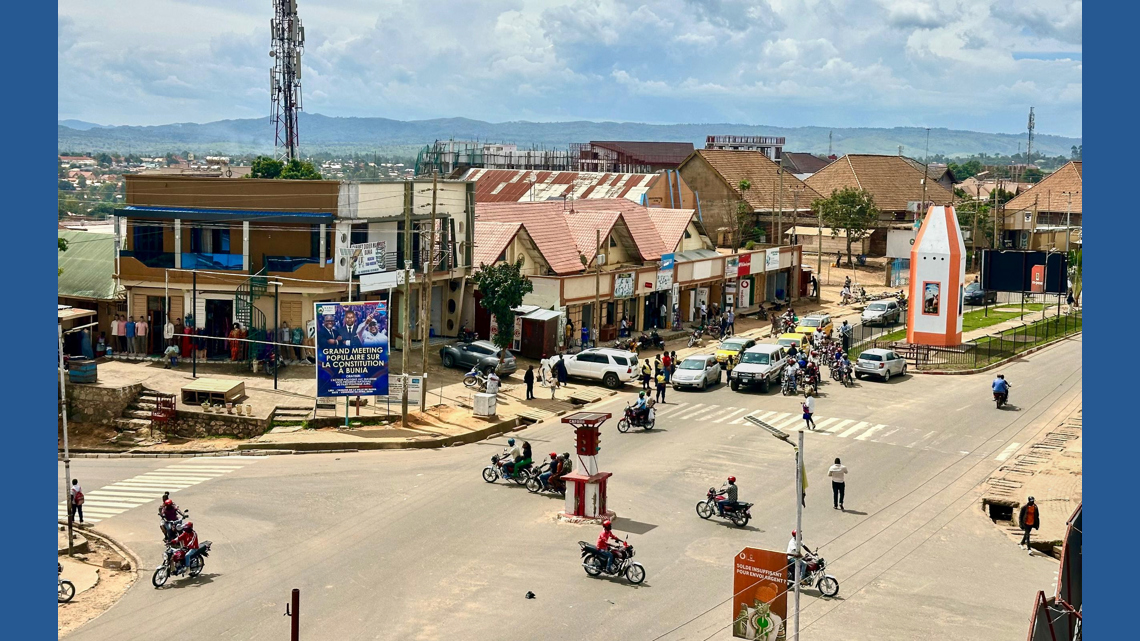
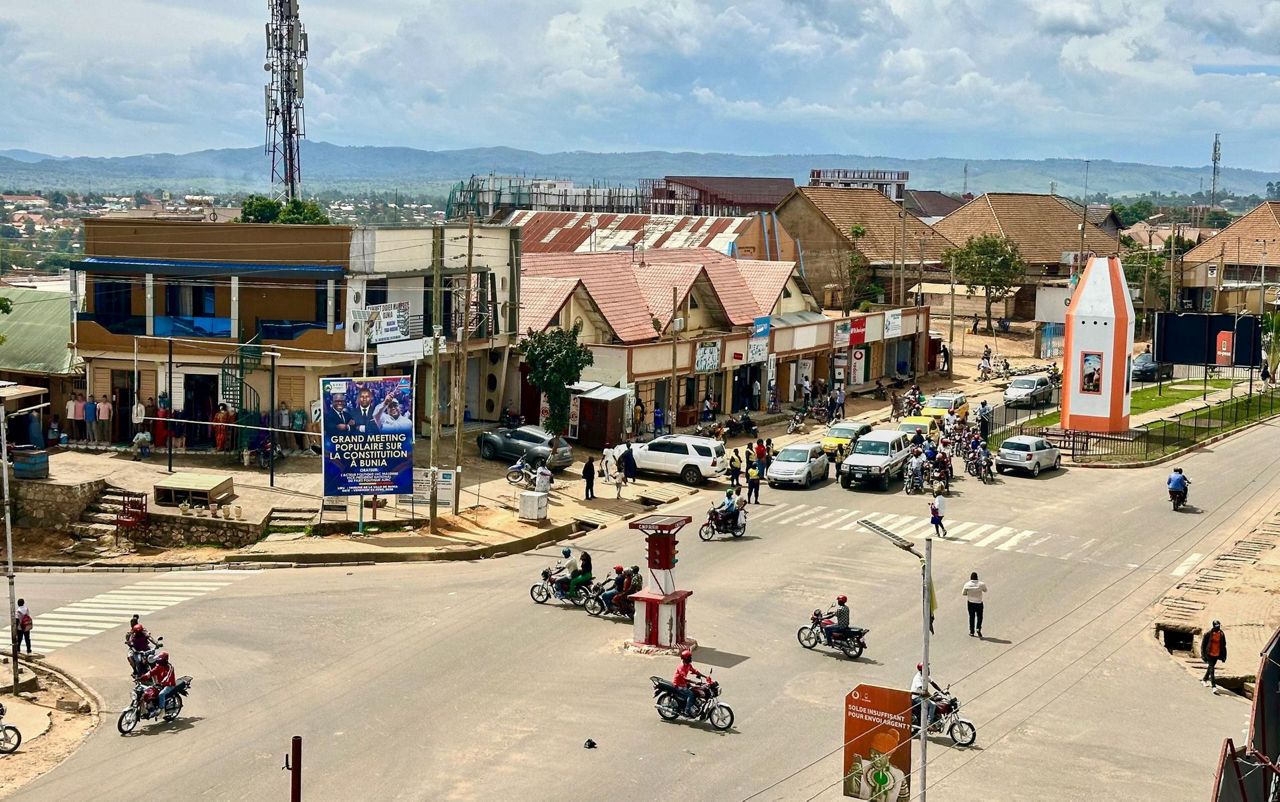
Market Demand Shift: Despite outbreak severity, the news reports "business activities in Bunia appeared normal on Friday"—indicating consumer demand persists even during health crises. This creates a counterintuitive opportunity: sellers offering health and safety products (masks, sanitizers, medical supplies, water purification systems) will see 150-300% demand spikes in affected regions. Categories like home healthcare equipment, non-perishable foods, and hygiene products historically surge 40-60% during disease outbreaks in developing markets. Sellers on Amazon Global, eBay International, and Shopify Plus serving African customers should prioritize these categories for the next 6-12 months.
Regional Economic Resilience: The fact that local business continued despite crisis suggests underlying economic activity remains intact. However, logistics costs will increase 8-15% due to enhanced screening, longer transit times, and insurance premiums. Sellers should adjust pricing 5-8% for Central African routes and communicate transparently about delivery timelines to manage customer expectations.
Strategic Recommendations: (1) Audit current inventory in affected zones within 7 days; (2) Activate alternative shipping routes through East African hubs by May 25, 2026; (3) Launch targeted PPC campaigns for health/safety products in Congo, Uganda, and South Sudan by June 1; (4) Monitor Africa CDC updates weekly and adjust logistics strategy if outbreak spreads beyond current three health zones; (5) Consider temporary price increases (5-8%) for Central African shipments to offset logistics costs.
Questions 7
How does the Congo Ebola outbreak affect shipping to Central African e-commerce markets?
The Bundibugyo Ebola outbreak in Ituri province creates 2-4 week shipping delays for sellers using Central African routes. Health screening protocols at borders, reduced transportation capacity, and potential route closures impact 3PL providers and direct shippers. Sellers should immediately contact logistics partners to assess current transit times and activate alternative routes through East African hubs (Nairobi, Dar es Salaam). The Africa CDC's concern about spread to South Sudan suggests the affected region could expand, potentially isolating the entire East-Central Africa corridor within 4-6 weeks.
What monitoring should I do to track outbreak expansion and logistics impact?
Subscribe to Africa CDC weekly updates (africacdc.org) and monitor news from Uganda Ministry of Health, as Uganda confirmed one imported case. Track shipping delays reported by major 3PL providers (DHL, FedEx, UPS) in Central Africa weekly. Set up Google Alerts for 'Congo Ebola,' 'Uganda health,' and 'South Sudan border' to catch early warnings of outbreak spread. If cases appear in South Sudan or expand beyond current three health zones, expect 4-6 week additional delays and potential route closures. Adjust logistics strategy immediately upon any geographic expansion. Maintain contact with your freight forwarder for real-time route availability.