
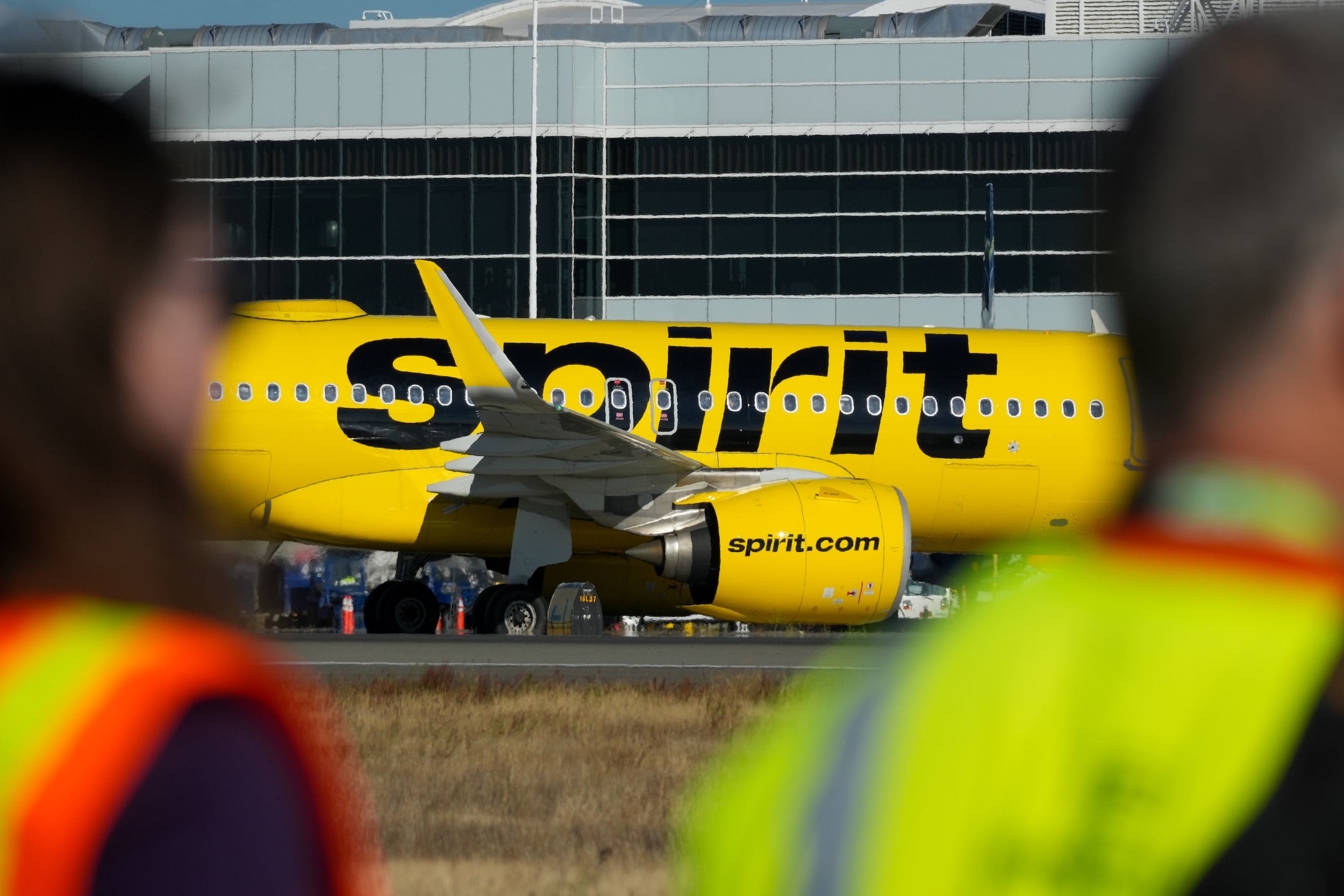

Ultra-Low-Cost Airline Model Faces Existential Crisis as Spirit Airlines Teeters on Bankruptcy Brink
- Potential collapse signals broader financial vulnerability for budget carriers amid competitive market pressures












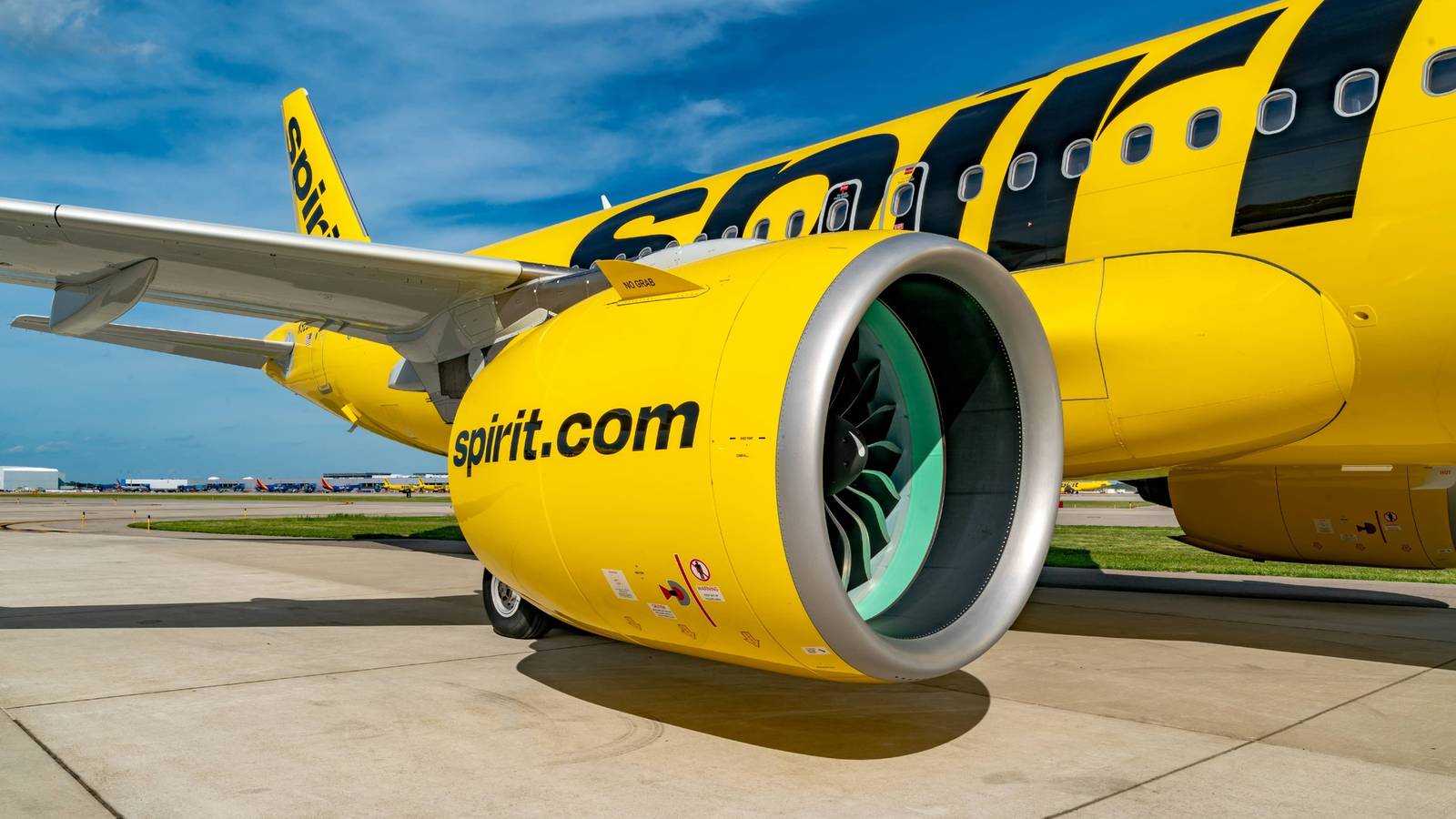

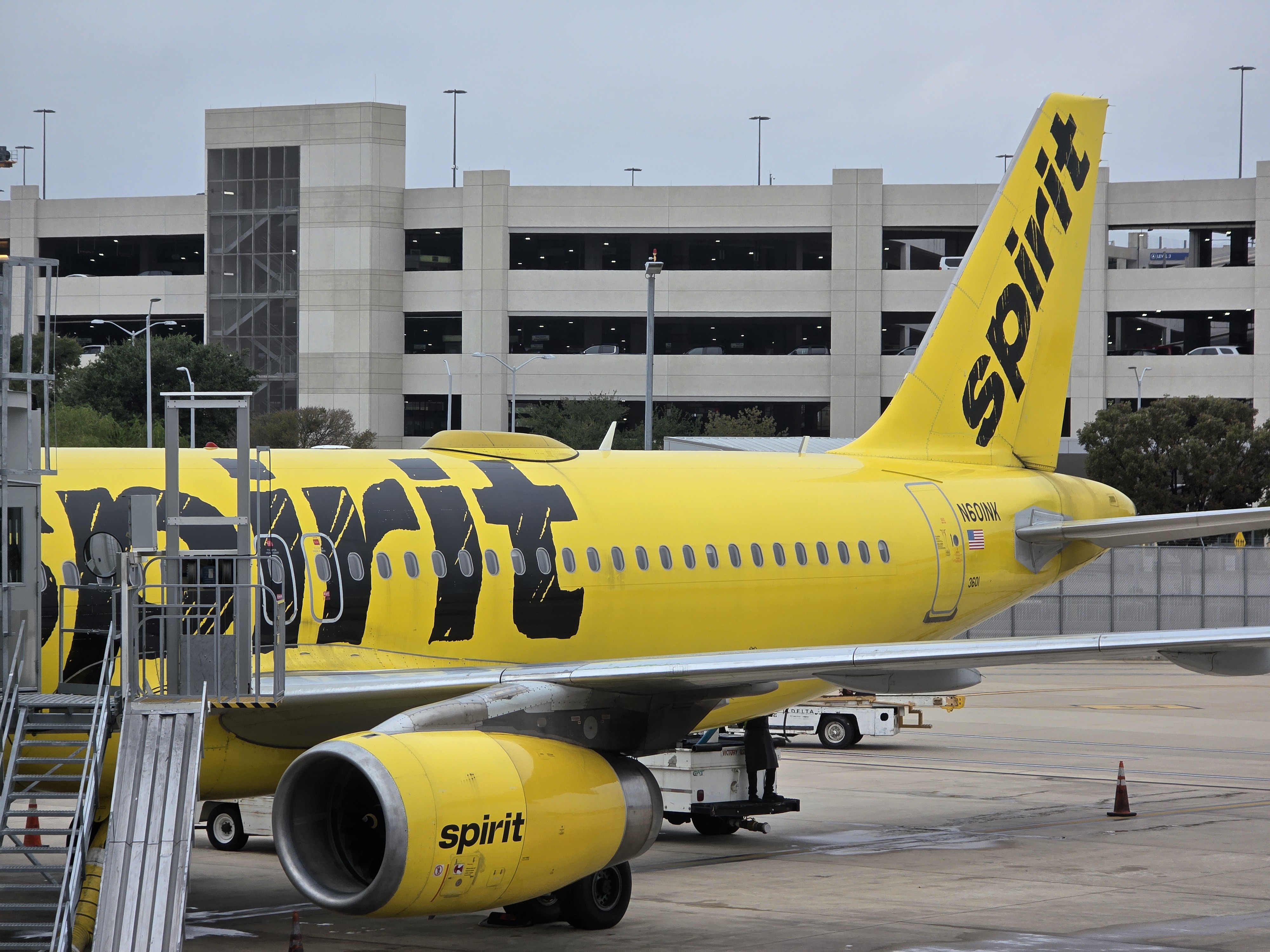
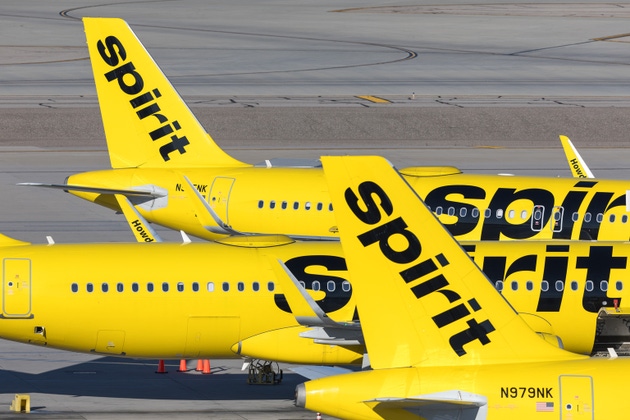

Overview
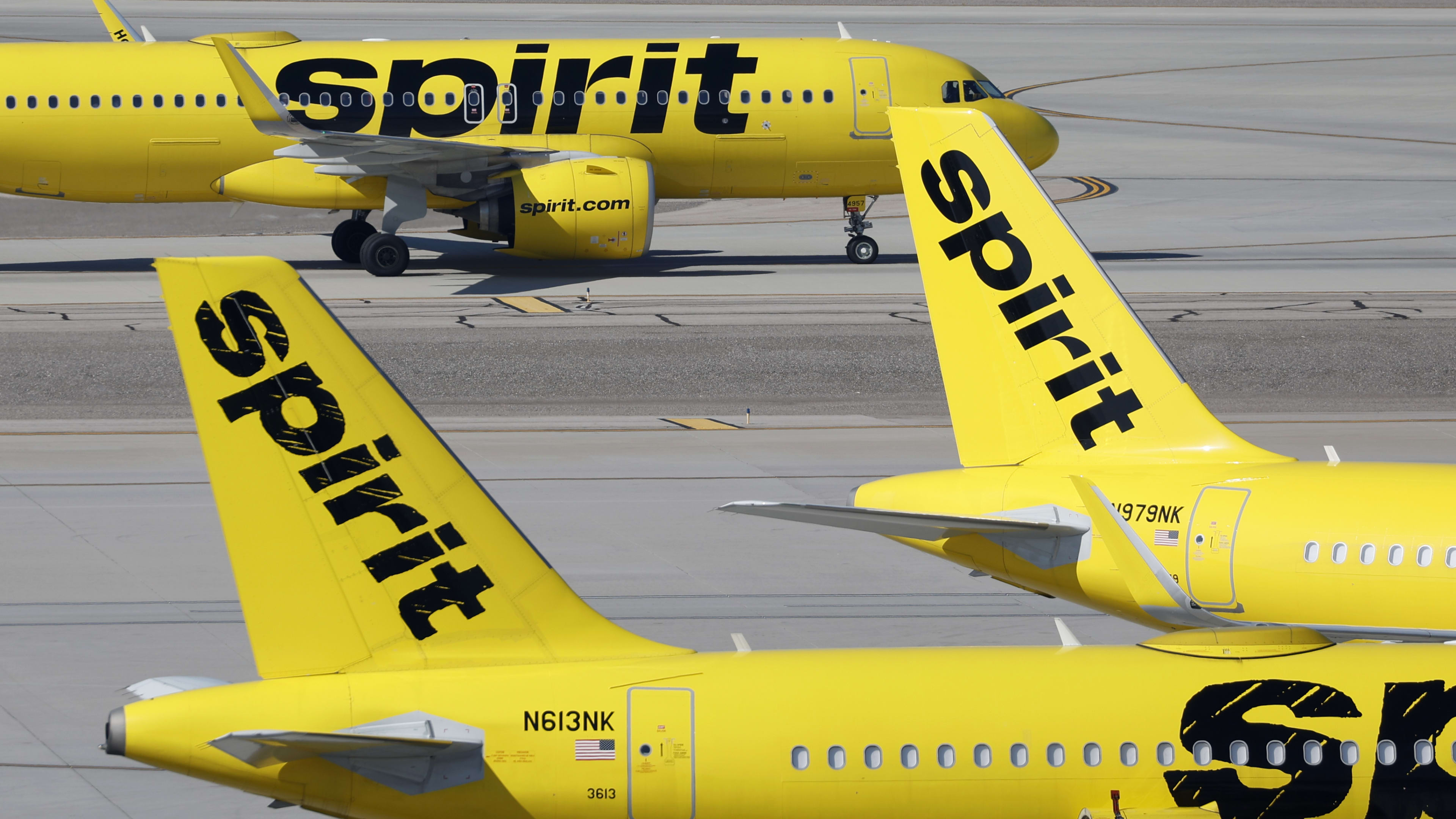
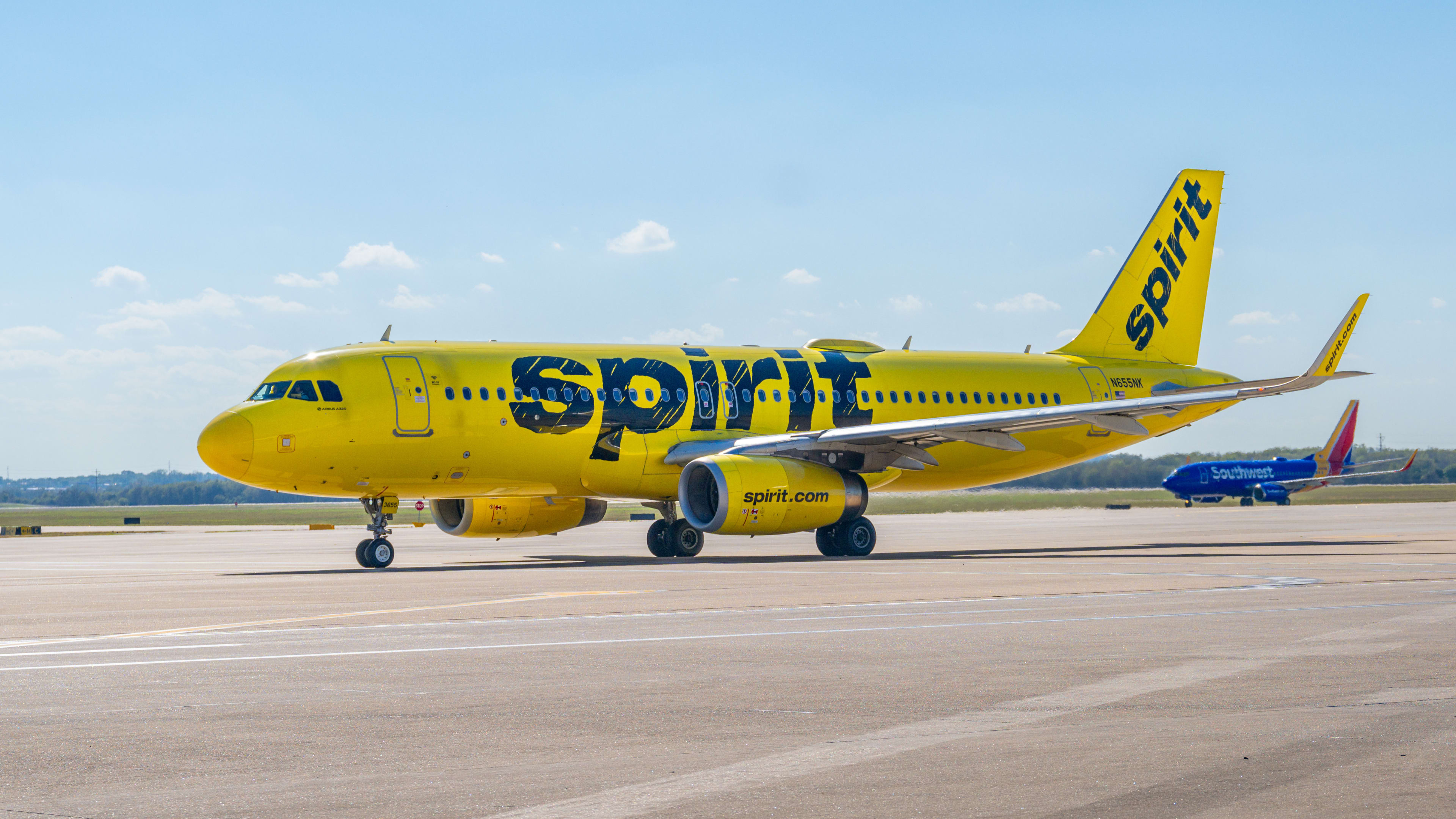
The ultra-low-cost carrier (ULCC) business model is facing an unprecedented stress test as Spirit Airlines approaches a critical financial precipice. With a high-stakes $100 million debtor-in-possession (DIP) financing deadline on December 13, the airline represents a potential canary in the coal mine for budget aviation strategies that have long promised affordable travel but struggled with sustainable economics.
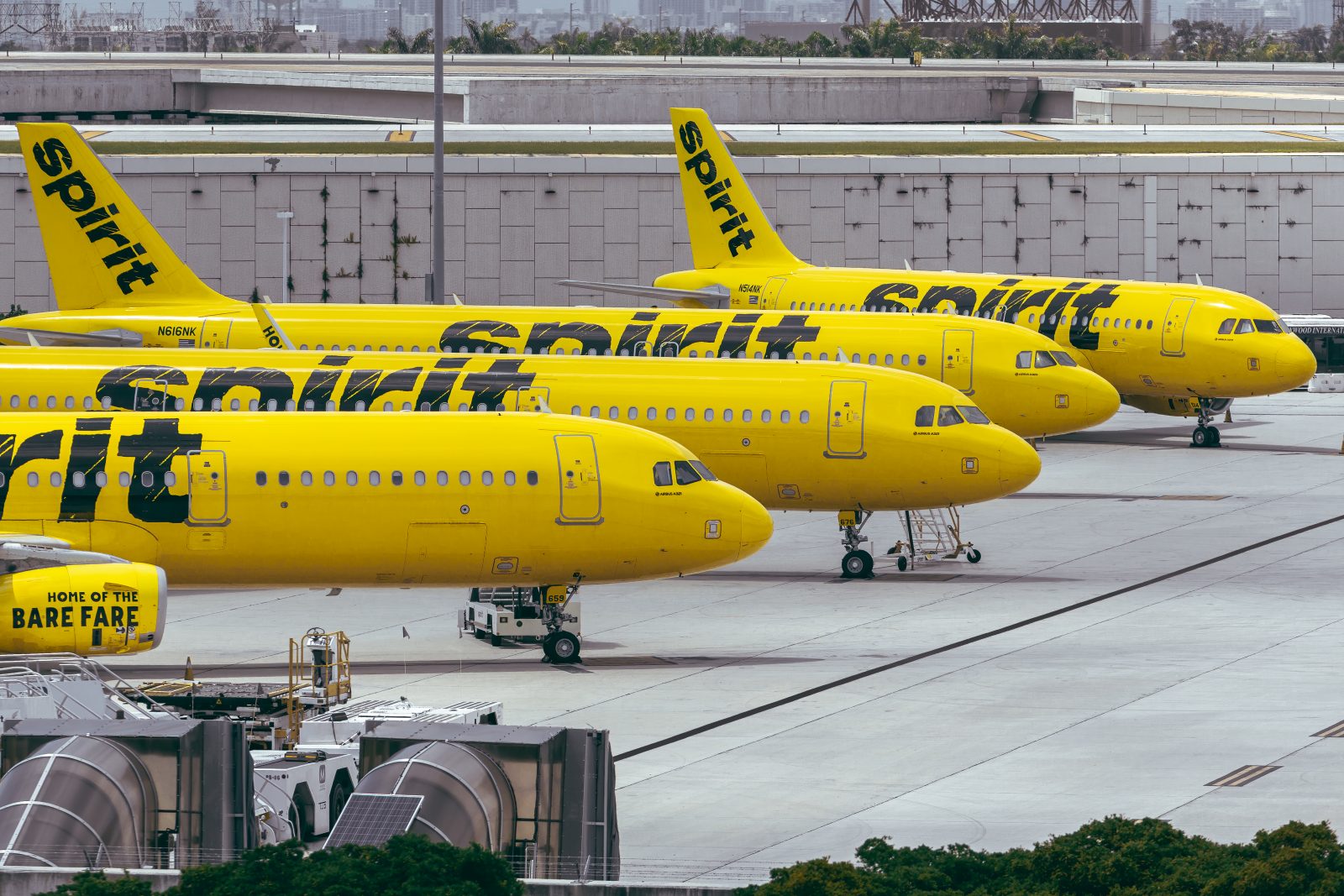
Structural vulnerabilities in the ULCC model are becoming starkly apparent. Spirit's second Chapter 11 bankruptcy within a year exposes fundamental challenges: razor-thin margins, intense fare competition, and limited ability to generate meaningful ancillary revenue. The airline's operational contraction—including fleet reductions, destination cuts, and significant workforce furloughs—demonstrates the precarious balance these carriers must maintain.
The competitive landscape is already preparing for potential disruption. Major airlines are quietly developing contingency plans to absorb Spirit's routes, signaling both the expected nature of this potential collapse and the industry's ruthless efficiency in reallocating market opportunities. United Airlines' CEO has publicly questioned the viability of deep-discount carriers, suggesting a broader strategic reassessment of the ULCC model.
For travelers and investors, Spirit's situation represents more than an isolated corporate drama. It's a referendum on an entire business strategy that promised democratized air travel through ultra-low pricing. The core challenge remains: can these carriers generate sufficient revenue beyond base fares to cover increasingly complex operational costs? With 3,138 flights potentially at risk and significant market uncertainty, the answer appears increasingly negative.
The implications extend far beyond Spirit. Regulators and policymakers are now confronting potential reductions in low-fare travel options and the risk of accelerated market consolidation. Budget-conscious travelers might soon face a dramatically altered competitive landscape where affordable air travel becomes less accessible.
Questions 3
What strategic moves are competitors making in response to Spirit's financial instability?
Major airlines are preparing contingency plans to quickly absorb Spirit's routes and rescue stranded passengers. This includes scheduling replacement flights and offering rescue fares, demonstrating the industry's readiness to rapidly reallocate market opportunities in the event of Spirit's potential bankruptcy.
How might Spirit's potential collapse impact travelers and the broader airline market?
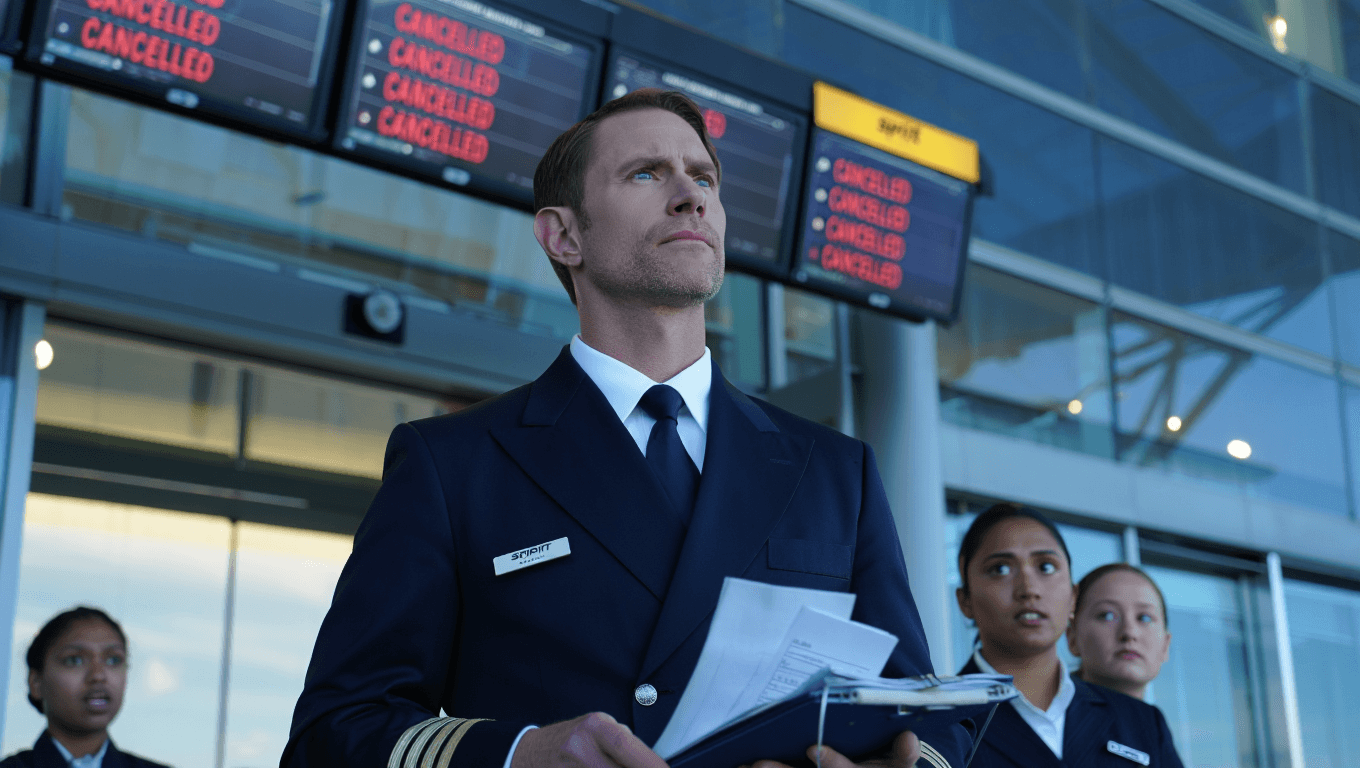
An abrupt Spirit shutdown could disrupt over 3,138 scheduled flights, potentially stranding passengers during a peak travel period. The collapse would also signal broader challenges for ultra-low-cost carriers, potentially accelerating market consolidation and reducing affordable travel options.