


Agricultural Input Crisis Reshapes US Food Supply Chain | Seller Logistics & Commodity Pricing Impact
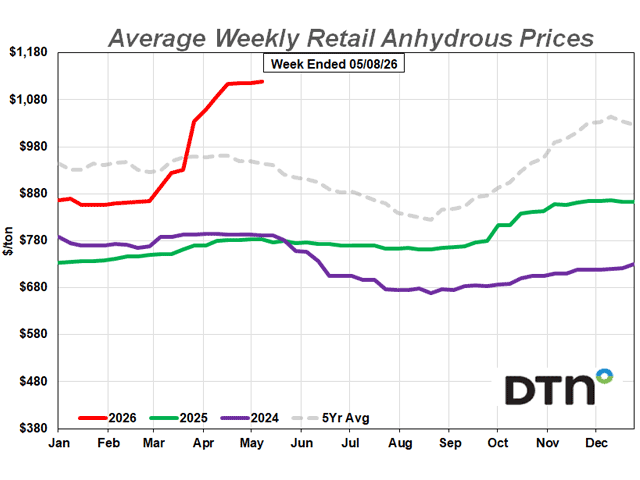
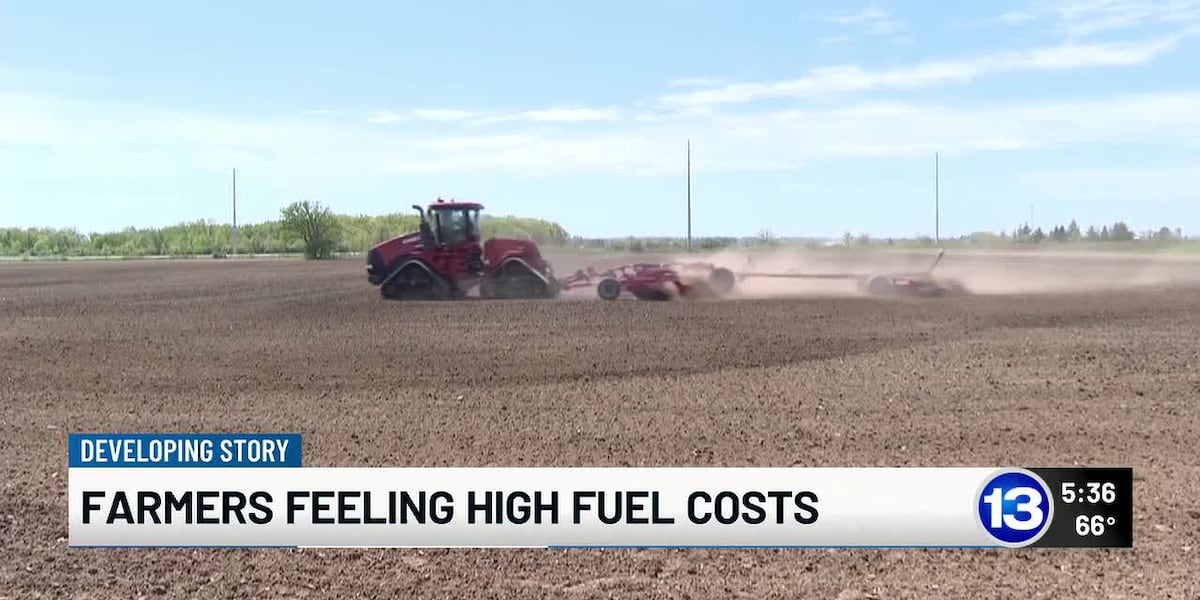
- Fertilizer prices surge 50% ($400→$600/ton), diesel +60% ($5.67/gal), affecting 70% of US farmers; beef prices +19% ($6.90/lb); wheat yields at decade lows; supply chain disruptions persist through 2027


















Overview
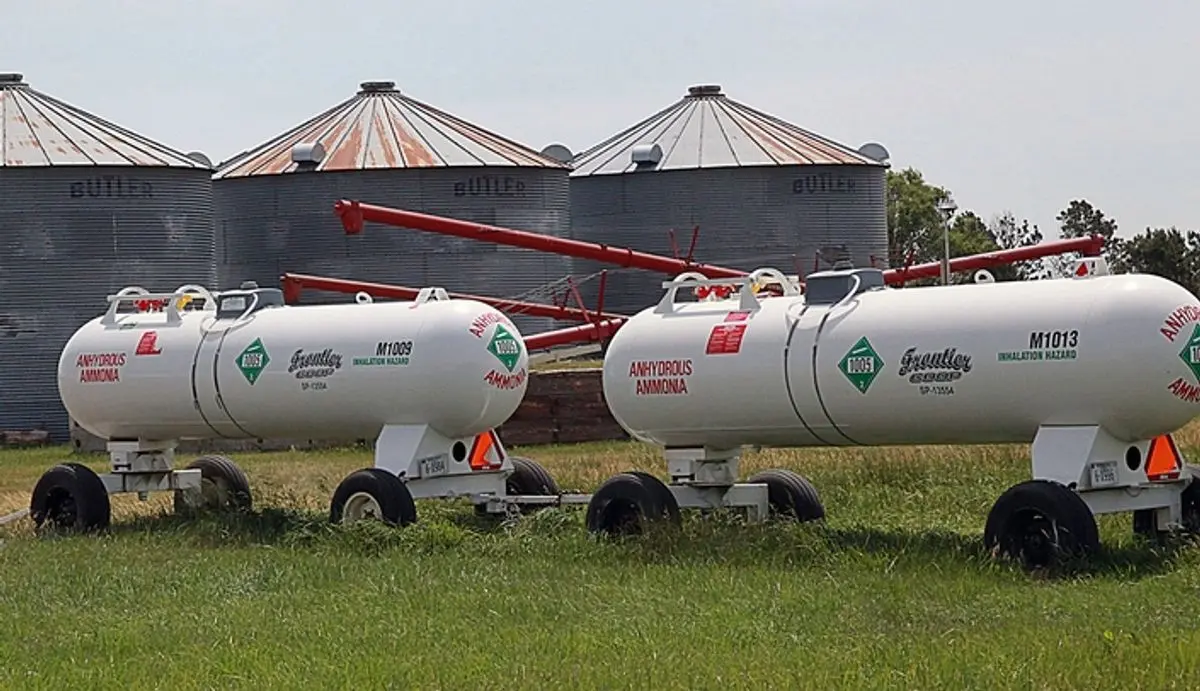
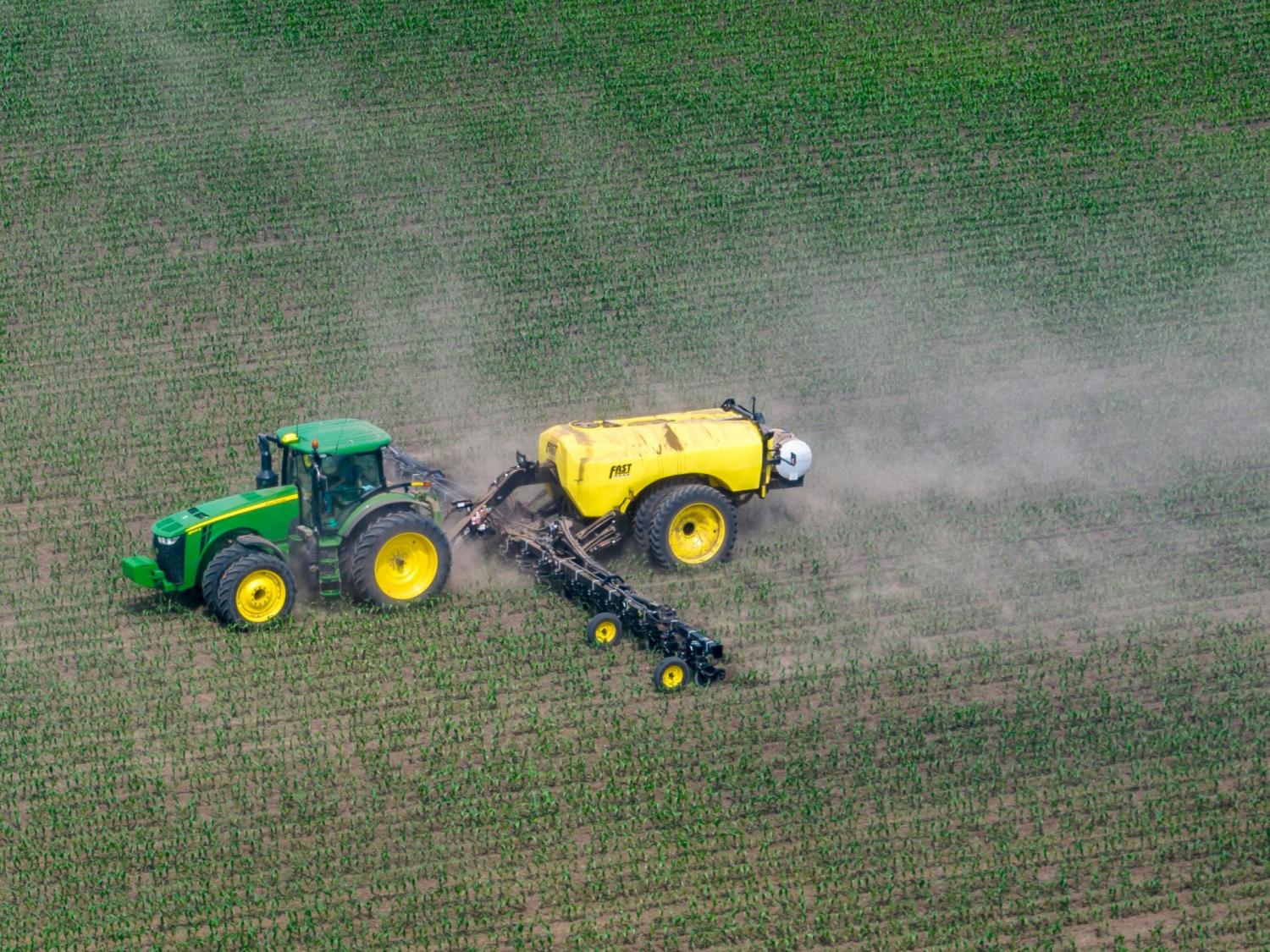
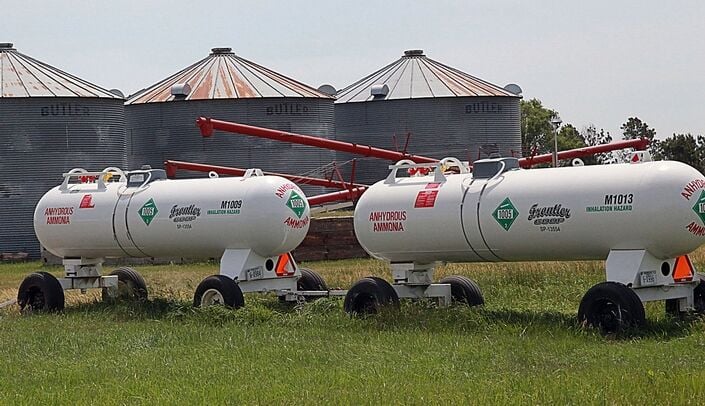
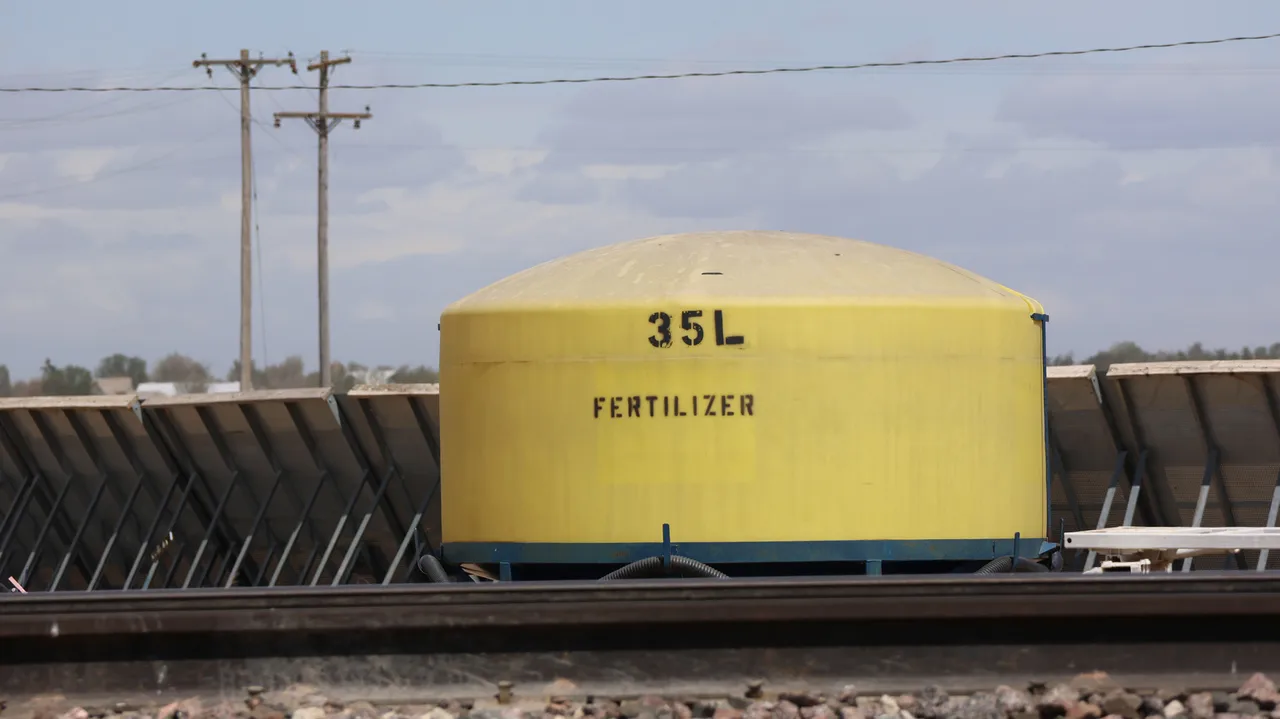
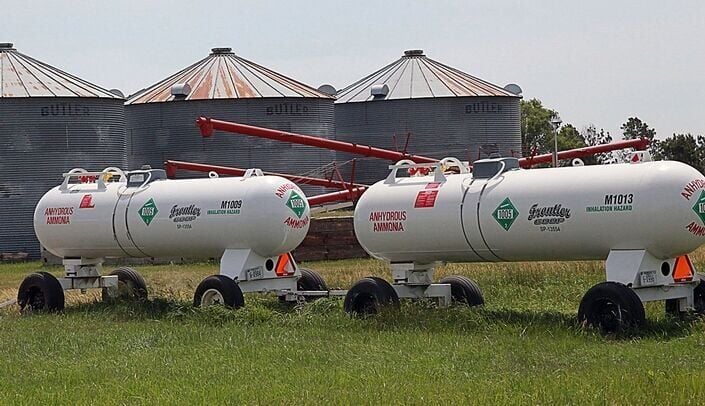
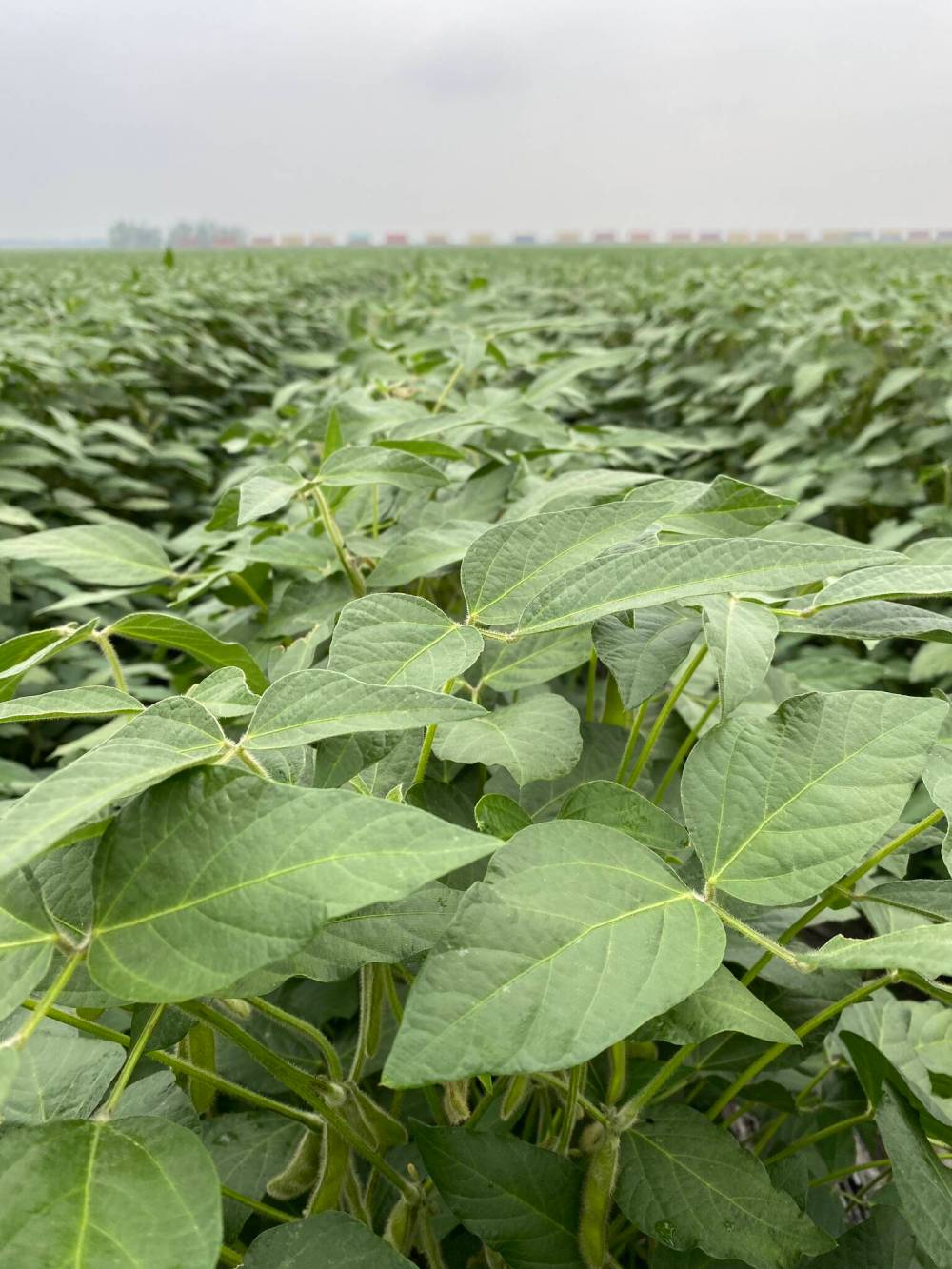
The Iran-Hormuz geopolitical crisis has triggered a cascading agricultural supply shock with direct implications for cross-border e-commerce logistics, consumer purchasing power, and food product sourcing. The Strait of Hormuz disruption has cut off 50% of global nitrogen fertilizer supply and 30% of ammonia exports, driving fertilizer prices from $400/ton (February 2026) to $600/ton (March 2026) and beyond. Simultaneously, diesel fuel costs have surged 60% year-over-year to $5.67/gallon as of May 14, 2025, creating a dual-shock scenario for agricultural producers and logistics providers. According to the American Farm Bureau Federation, 70% of US farmers cannot afford necessary fertilizer supplies, with the Southeastern US particularly impacted (78% unable to afford supplies). This crisis directly affects e-commerce sellers through three critical mechanisms: (1) Logistics Cost Inflation: Container costs have increased 30% (Ohio farmer data), directly impacting 3PL fulfillment fees and cross-border shipping rates. Sellers using FBA or third-party logistics will see 8-15% increases in per-unit fulfillment costs through 2027. (2) Food Product Pricing Volatility: Beef prices averaged $6.90/pound in April—19% above year-earlier levels—with the US cattle herd at its lowest level in decades. Wheat yields are experiencing their worst performance in decades, signaling significant price increases in bread and grain products by late 2025. Sellers in the grocery, specialty foods, and meal kit categories face margin compression of 12-18% as commodity input costs rise. (3) Rural Consumer Purchasing Power Decline: Lower-income households, already spending disproportionate budget shares on food, face additional pressure from SNAP benefit cuts. This reduces discretionary spending in rural markets (Midwest, Southeast) where agricultural communities represent 15-20% of regional e-commerce demand. The crisis compounds existing pressures from Trump's tariffs and Chinese import restrictions, creating a perfect storm for supply chain management. Government relief—including Agriculture Secretary Brooke Rollins' $900 million fertilizer company grants and Trump's $11 billion "bridge payment" (with $9.7 billion disbursed to 510,520 farmers)—provides temporary support but does not address underlying logistics cost inflation. Industry experts warn that fertilizer prices will remain elevated through at least 2027, with new ammonia production facilities requiring 3-4 years to build and not reaching capacity until 2029. Farmers are responding by switching approximately 4 million acres from corn to less fertilizer-intensive soybean crops, fundamentally altering commodity supply dynamics and creating sourcing opportunities for sellers focused on alternative agricultural products and sustainable food sourcing.
Questions 8
What immediate actions should sellers take to mitigate agricultural supply chain risks?
Sellers should immediately: (1) Lock in 3PL contracts before further rate increases (30% container cost increases already documented); (2) Audit supplier contracts for price escalation clauses and renegotiate terms; (3) Diversify sourcing away from fertilizer-intensive agricultural regions; (4) Shift inventory toward less commodity-intensive product lines; (5) Monitor USDA and agricultural policy announcements for relief programs; (6) Reduce per-unit logistics costs through inventory consolidation and regional fulfillment optimization; (7) Adjust pricing strategies to reflect 8-15% logistics cost increases while maintaining competitiveness. Sellers in food/grocery categories should prioritize margin protection through supplier negotiations and product mix optimization. Rural-focused sellers should prepare for 10-15% demand decline and shift marketing toward value-oriented categories.
How does the Strait of Hormuz fertilizer shortage affect e-commerce logistics costs?
The Hormuz disruption has cut 50% of global nitrogen fertilizer supply, driving prices from $400/ton to $600/ton and creating cascading logistics inflation. Container costs have increased 30% (Ohio farmer data), directly raising 3PL fulfillment fees by 8-15% through 2027. Diesel fuel costs surged 60% to $5.67/gallon, increasing per-unit shipping costs for all cross-border sellers. Amazon FBA sellers will experience higher storage and fulfillment fees as logistics providers pass through increased fuel and transportation costs. Sellers should lock in 3PL contracts immediately and consider inventory consolidation to reduce per-unit logistics expenses.