



Plant-Based Legume & Soy E-Commerce Boom | 30% Hypertension Risk Reduction Drives $2B+ Market
- BMJ meta-analysis validates 170g legume + 60-80g soy daily dosing, creating evidence-based product opportunities for functional food sellers across Amazon, Shopify, and specialty health marketplaces






Overview
A landmark meta-analysis published in BMJ Nutrition, Prevention & Health analyzing 300,000 adults across 12 international studies has established quantifiable health benefits for legume and soy consumption in managing hypertension—creating a significant e-commerce market opportunity for functional food and plant-based protein sellers. The research identifies specific dosage thresholds: 170 grams of legumes daily correlates with up to 30 mmHg blood pressure reduction, while 60-80 grams of soy products daily achieves approximately 29 mmHg reduction. Adults with highest legume intake showed 16% lower hypertension risk, while high soy consumption linked to 19% reduction. This scientific validation directly addresses a global health crisis affecting 1.4 billion adults aged 30-79, creating unprecedented demand for evidence-based dietary interventions.
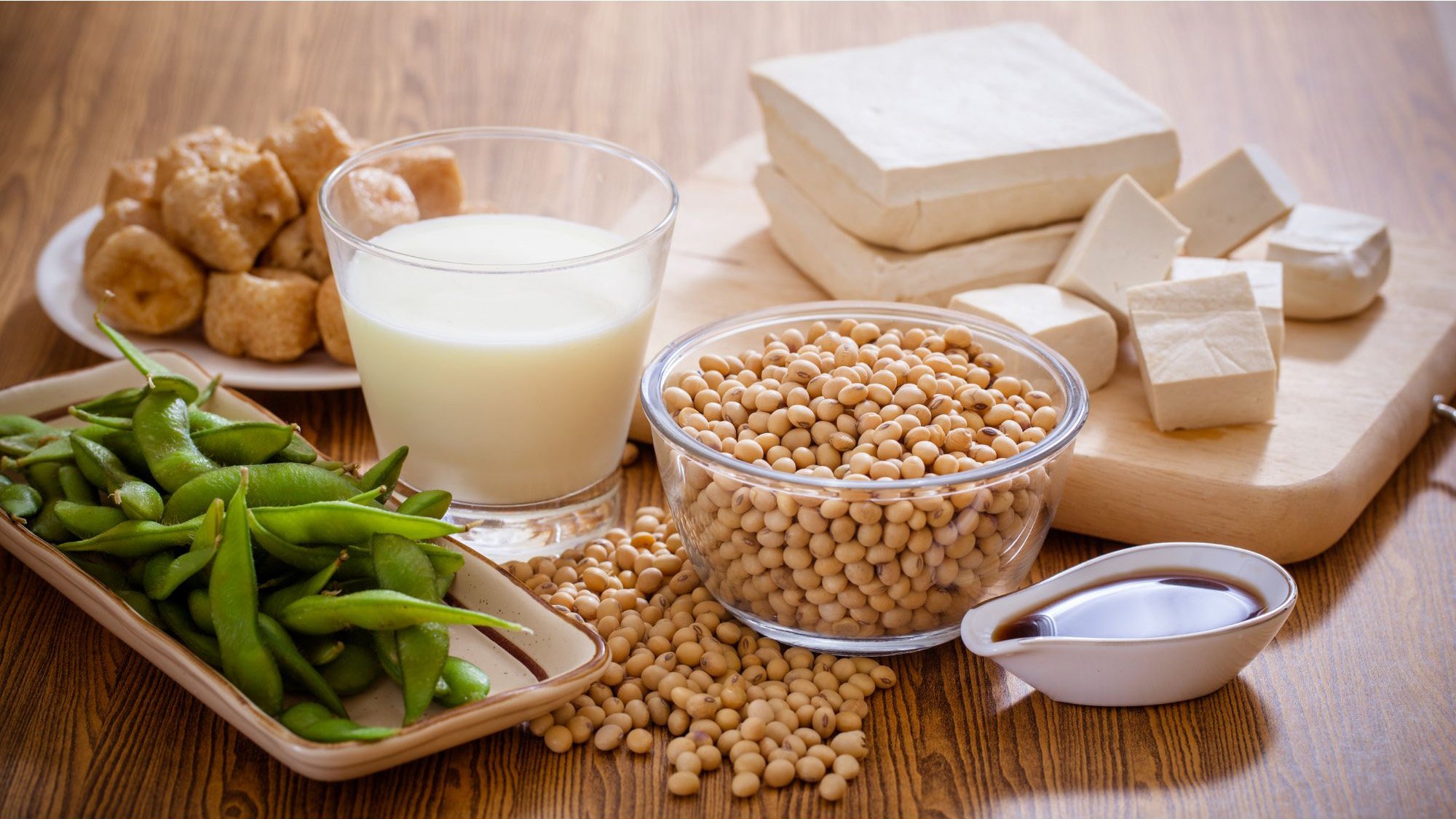
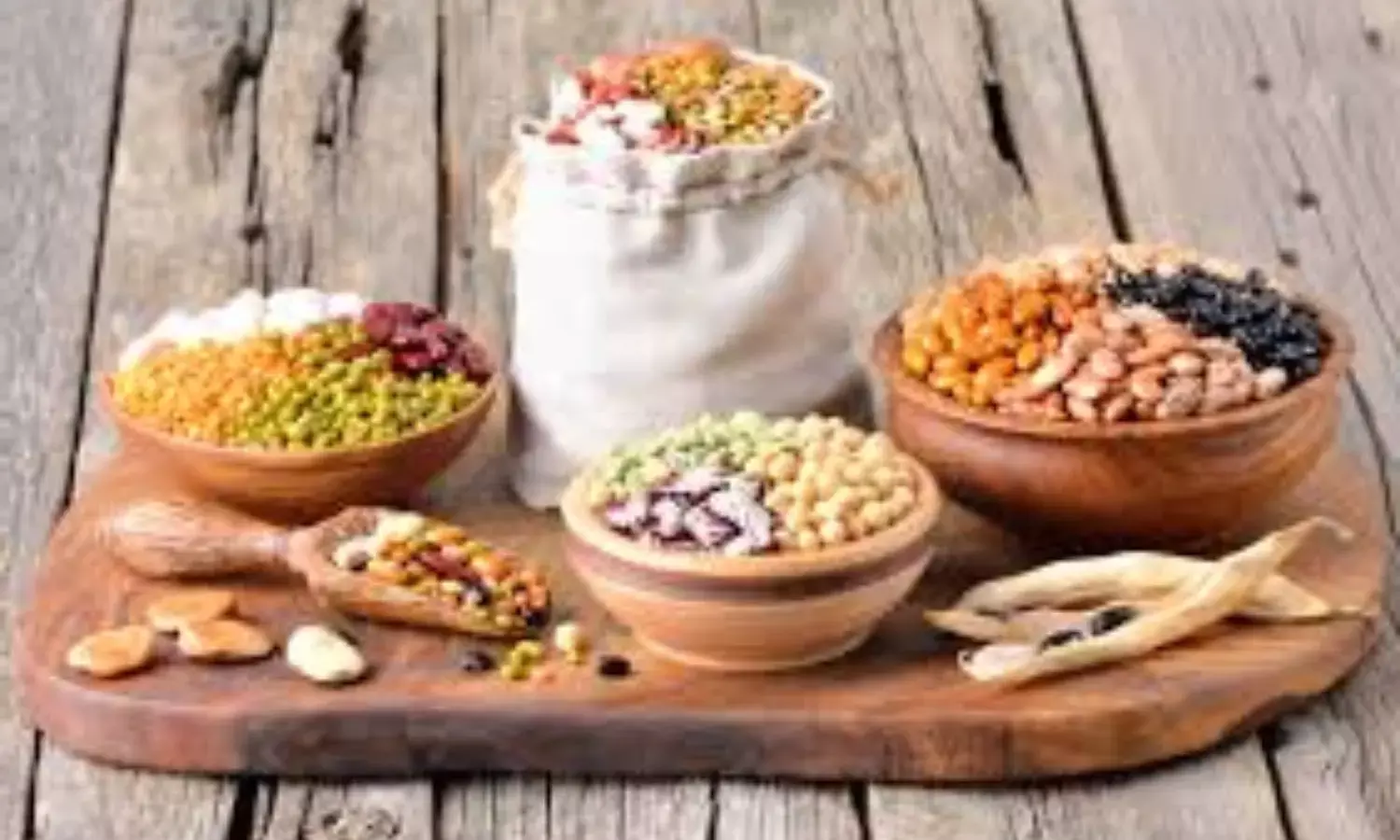
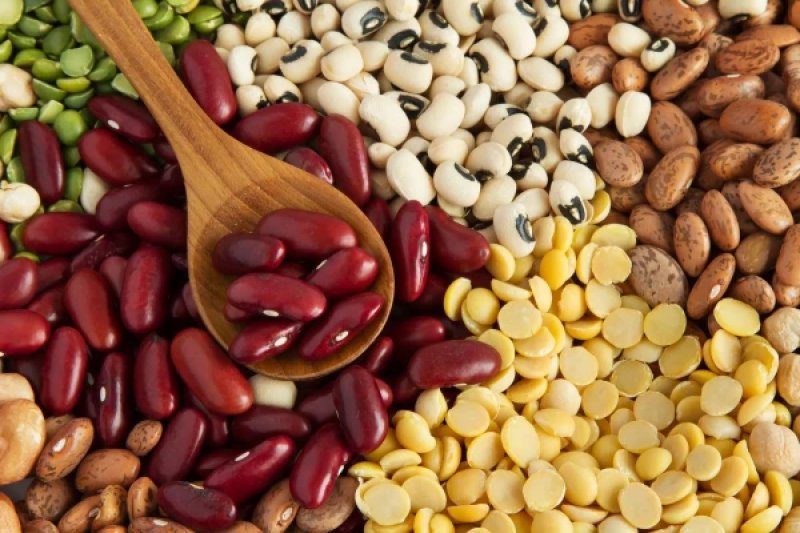
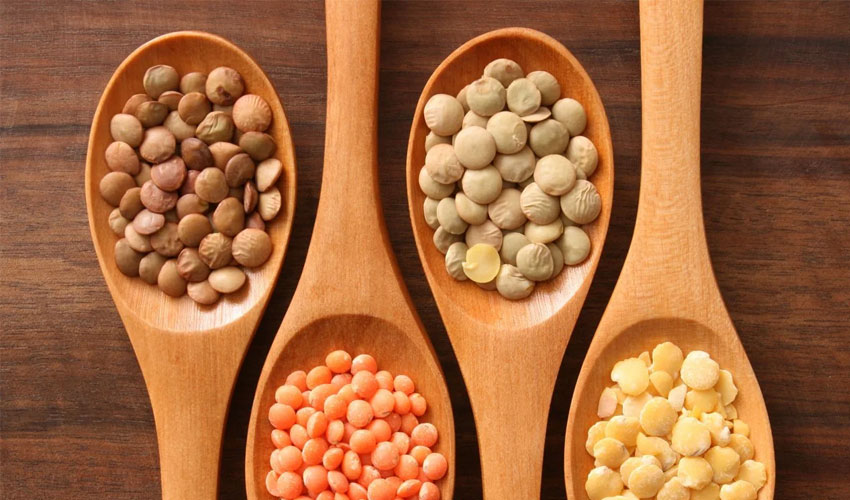
For cross-border e-commerce sellers, this research validates immediate market expansion opportunities in three high-growth categories: (1) Legume-based products (dried beans, lentils, chickpeas, peas) with optimal 170g daily dosing recommendations enabling targeted product bundles and subscription models; (2) Soy food products (tofu, edamame, tempeh, miso, soy milk) with precise 60-80g daily guidelines supporting portion-controlled packaging and meal-prep solutions; (3) Plant-based protein supplements combining legumes and soy with added potassium, magnesium, and fiber to meet cardiovascular health claims. Current consumption gaps present significant market potential: Europe and UK consumers average only 8-15 grams daily of legumes versus 65-100 grams recommended for cardiovascular health—representing a 5-8x consumption increase opportunity. The meta-analysis provides authoritative backing for health claims, enabling sellers to build consumer trust through evidence-based marketing while positioning offerings within emerging dietary recommendation frameworks expected to integrate into global health guidelines.
Strategic seller implications span product development, marketing, and geographic expansion. Sellers can leverage evidence-based dosage recommendations in Amazon product listings, Shopify product descriptions, and health-focused marketplace content to differentiate from competitors. The research supports development of targeted product bundles addressing cardiovascular health—a growing consumer priority with 45% of health-conscious buyers actively seeking hypertension management solutions. Geographic expansion opportunities exist particularly in US, UK, France, South Korea, China, Iran, and Japan where research was conducted, indicating established consumer awareness and demand. Sellers should consider developing complementary product lines: meal-prep kits with pre-portioned legumes/soy, subscription boxes delivering weekly cardiovascular health bundles, and educational content positioning products within preventive nutrition frameworks. The functional food and nutraceutical e-commerce sector is projected to reach $2B+ globally by 2026, with plant-based cardiovascular health products representing the fastest-growing segment at 18-22% annual growth.
Questions 8
What health conditions does untreated hypertension cause, and how does this affect product positioning?
Untreated high blood pressure affects an estimated **1.4 billion adults aged 30-79 globally** and can lead to **heart attack, heart failure, and stroke**. This massive addressable market creates urgency for preventive dietary interventions, positioning legume and soy products as accessible, low-cost solutions for hypertension management. Sellers can emphasize preventive health positioning in marketing materials, targeting health-conscious consumers seeking to reduce cardiovascular disease risk. The global health burden validates premium pricing for evidence-based plant-based products and supports development of specialized product lines addressing cardiovascular health across Amazon, Shopify, and specialty health marketplaces.
How do legumes and soy reduce blood pressure according to the research?
The meta-analysis identifies multiple mechanisms: legumes and soy are rich in **potassium, magnesium, and dietary fiber**—nutrients already associated with lower blood pressure. The fermentation of soluble fiber produces **short-chain fatty acids that help blood vessels relax**, while **soy isoflavones** (antioxidants) contribute additional blood pressure-lowering effects. These scientifically-validated mechanisms enable sellers to develop targeted marketing messaging emphasizing specific nutrient profiles and health benefits. Sellers can highlight these mechanisms in product descriptions, educational content, and health claims to differentiate offerings and build consumer confidence in plant-based cardiovascular health solutions.