


Strait of Hormuz Shipping Crisis | Critical Impact on Global Trade Routes & Seller Logistics Costs
- 33% of global maritime oil trade at risk; shipping insurance costs surge 15-25%; sellers face 2-4 week delivery delays on Middle East/Asia routes










Overview
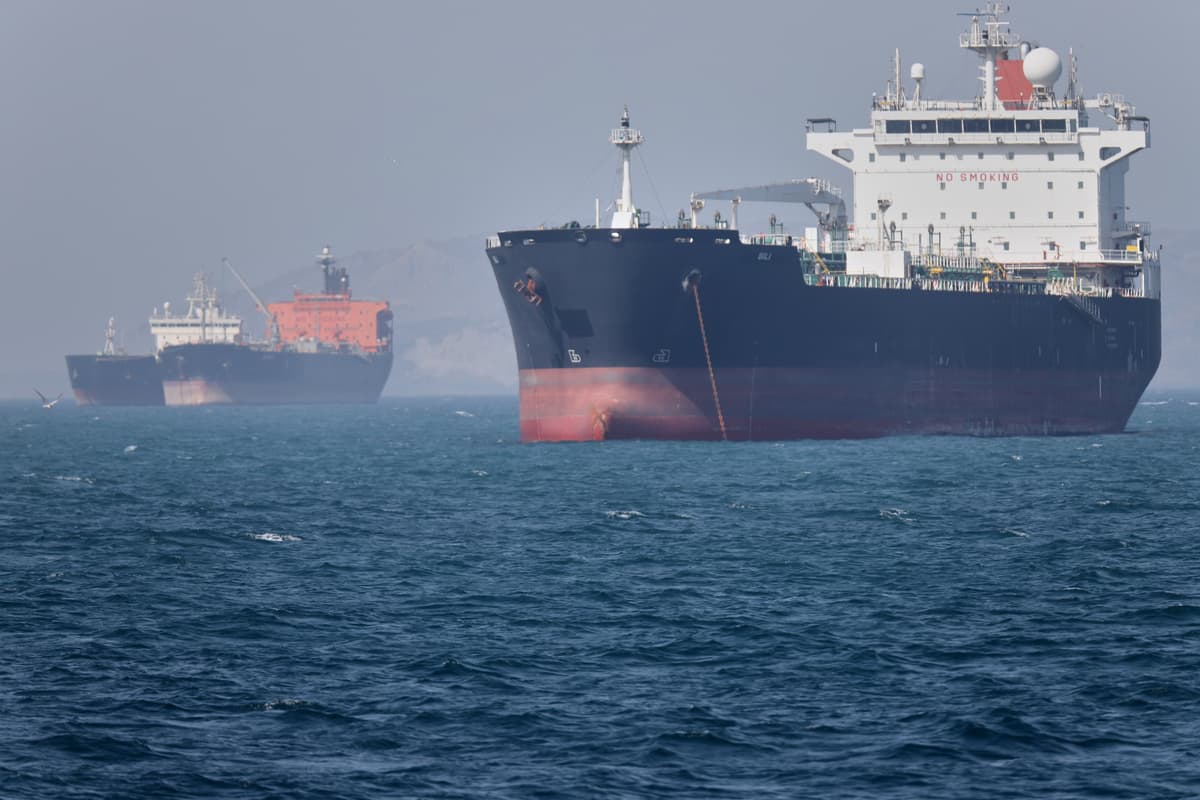
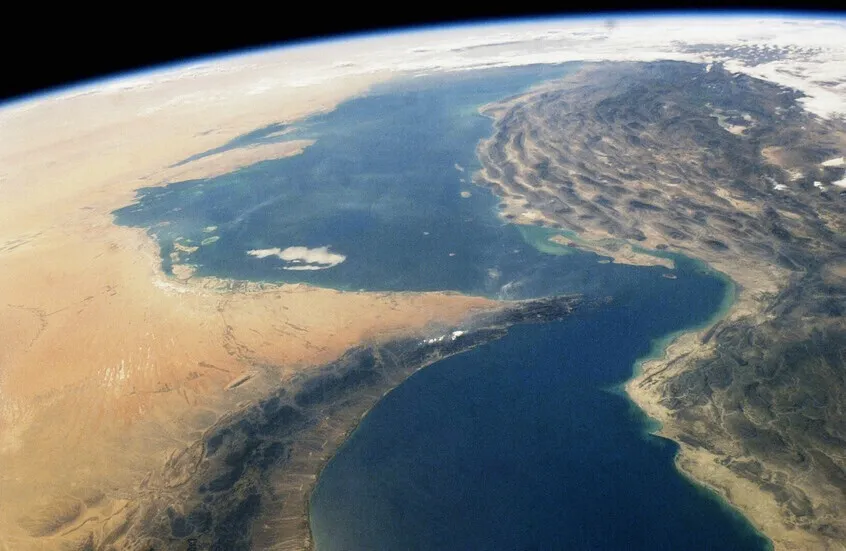
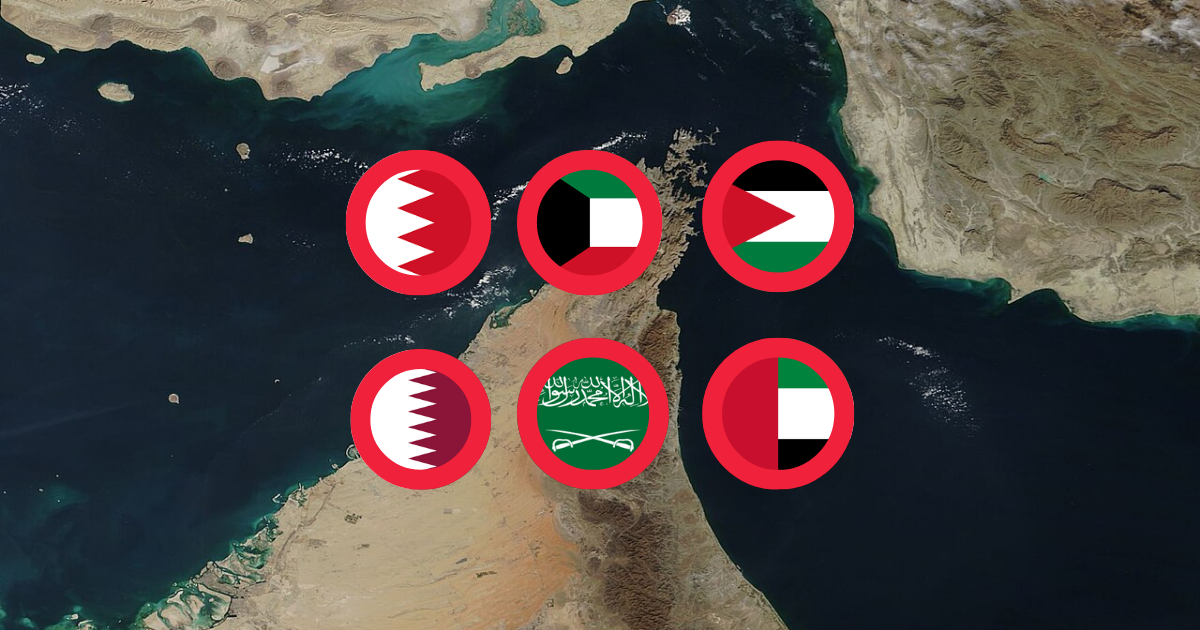
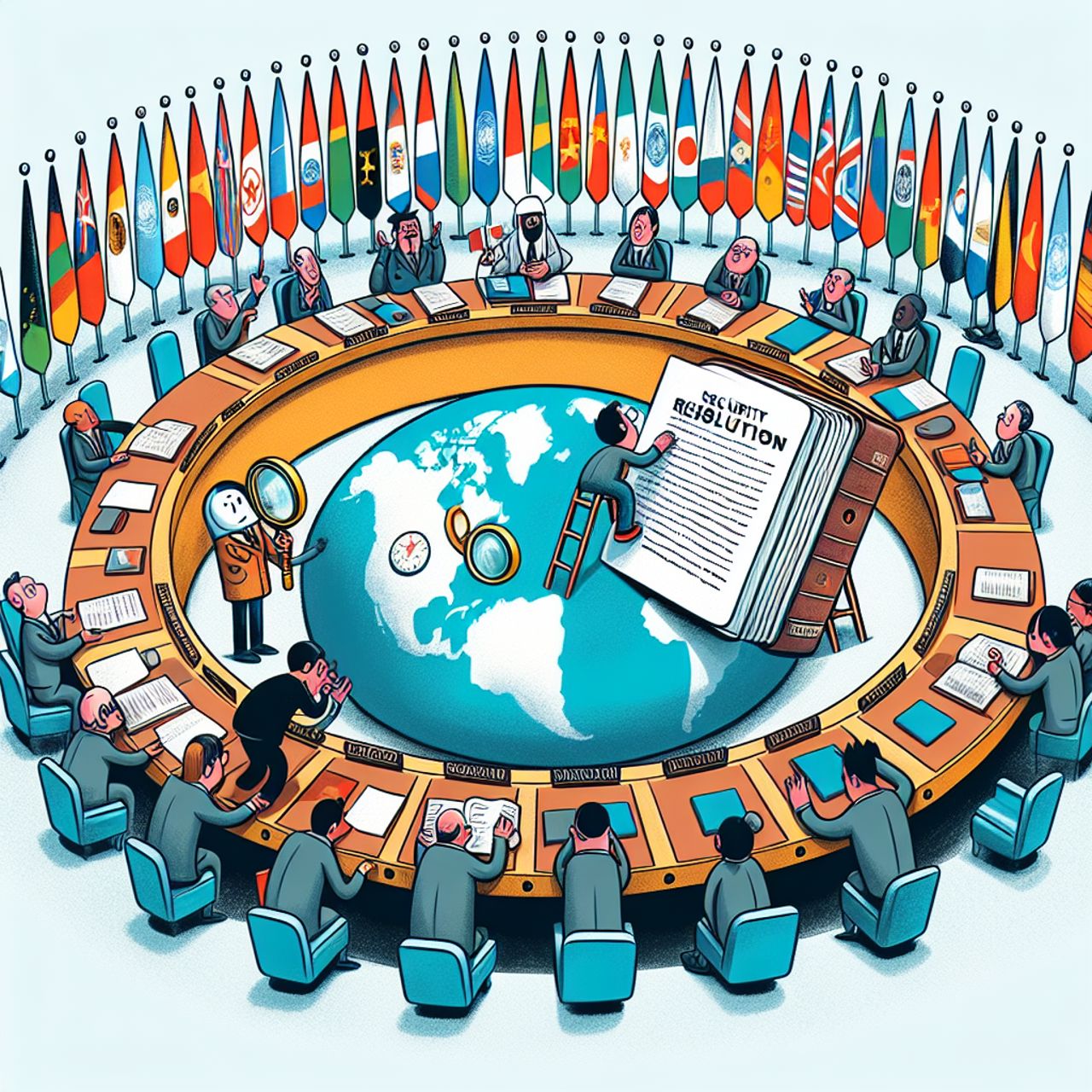
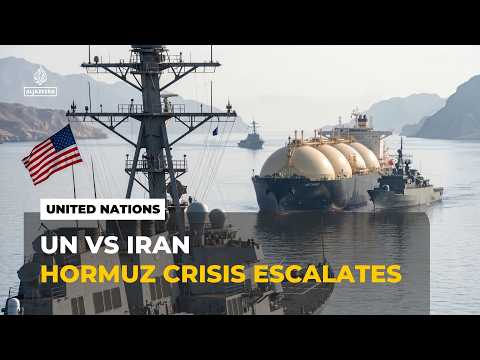
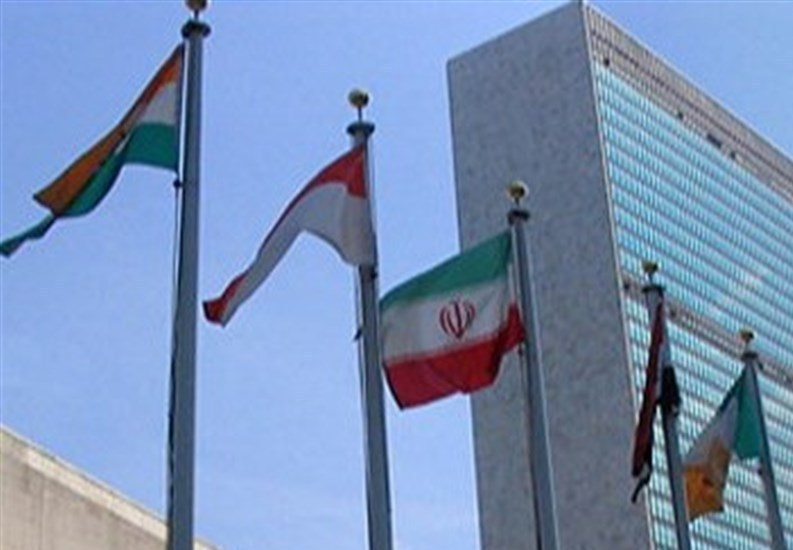
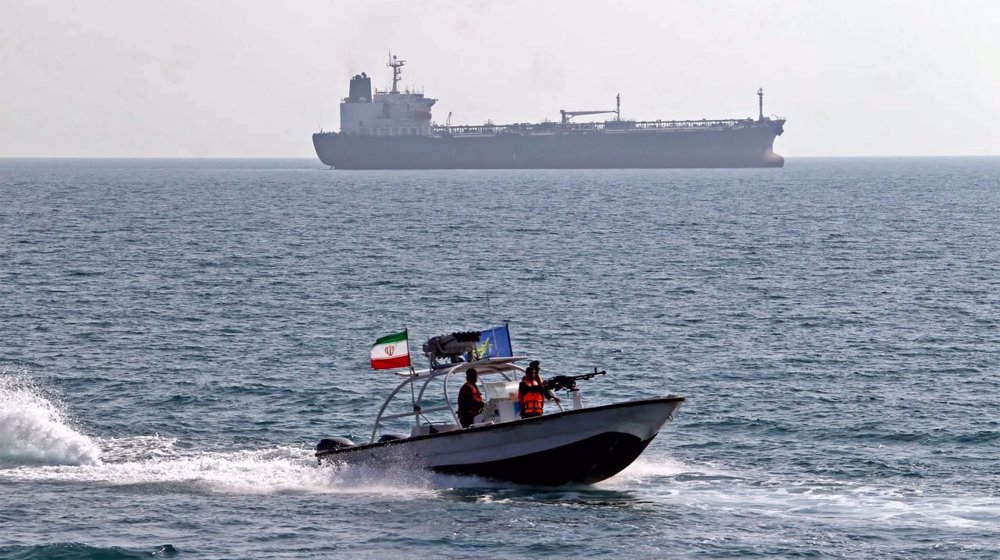
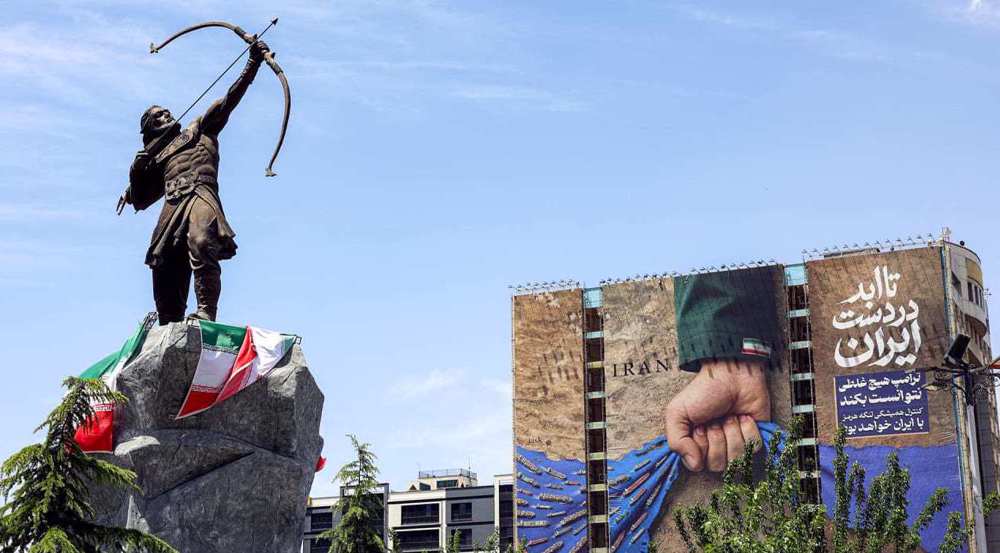
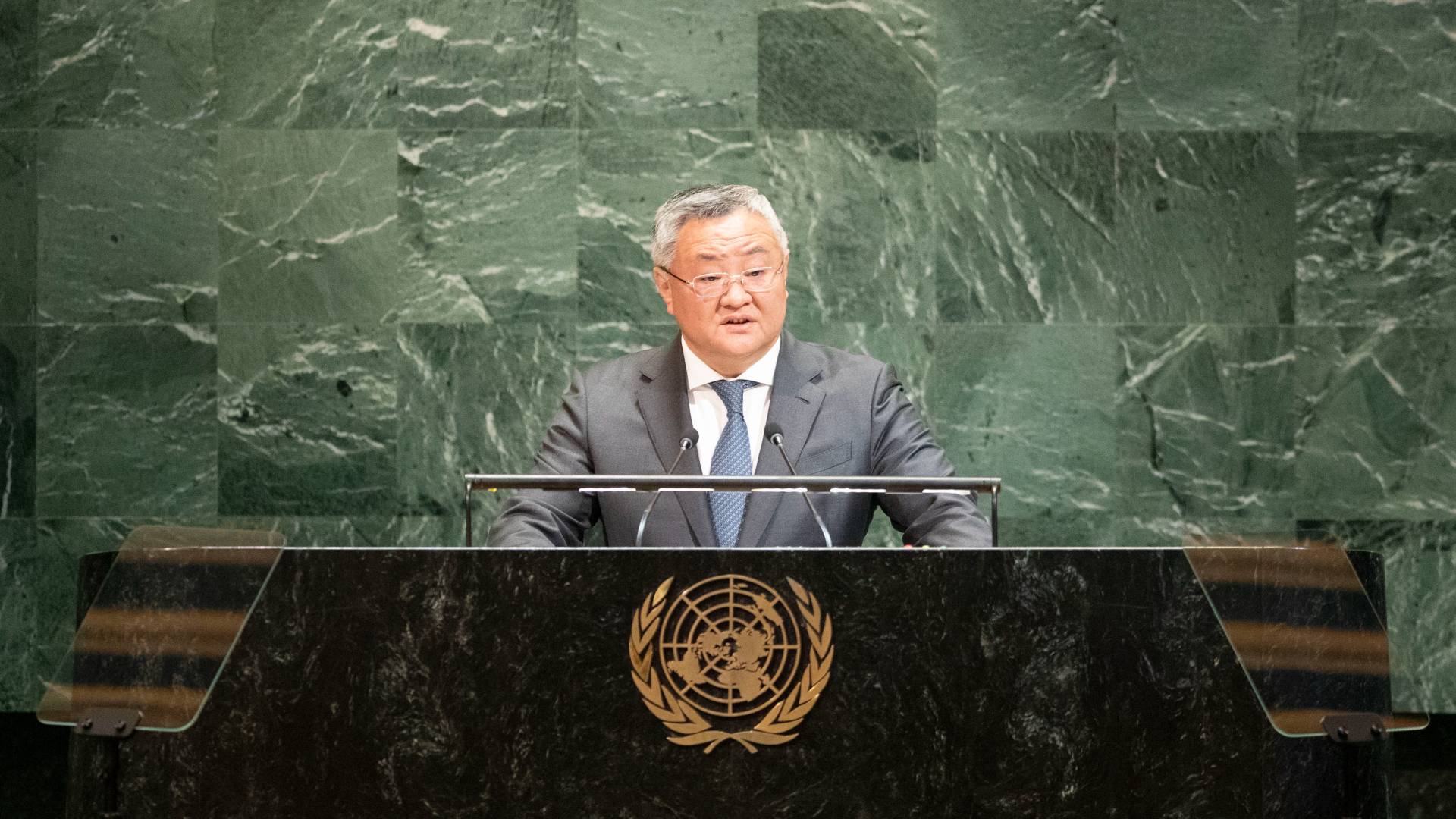
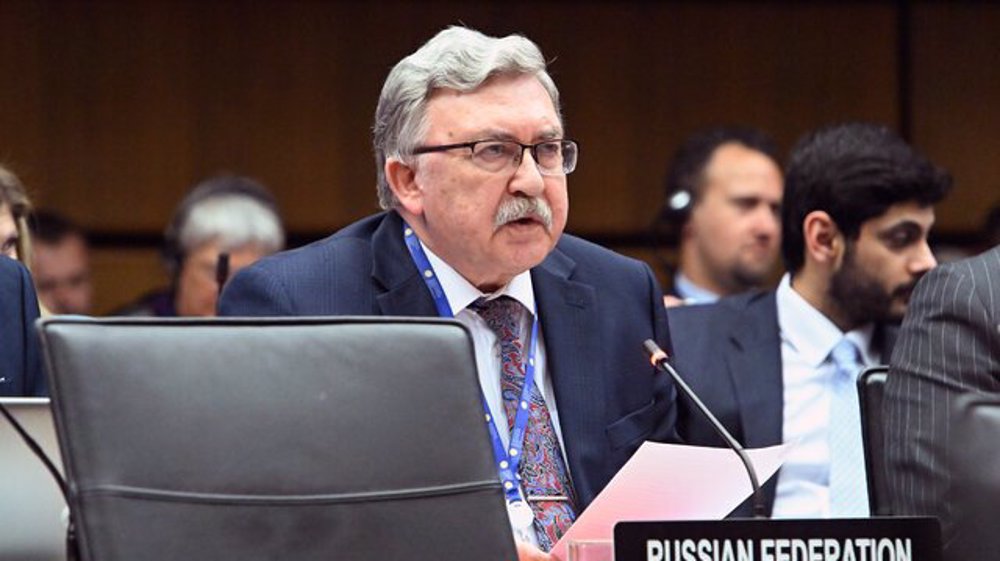
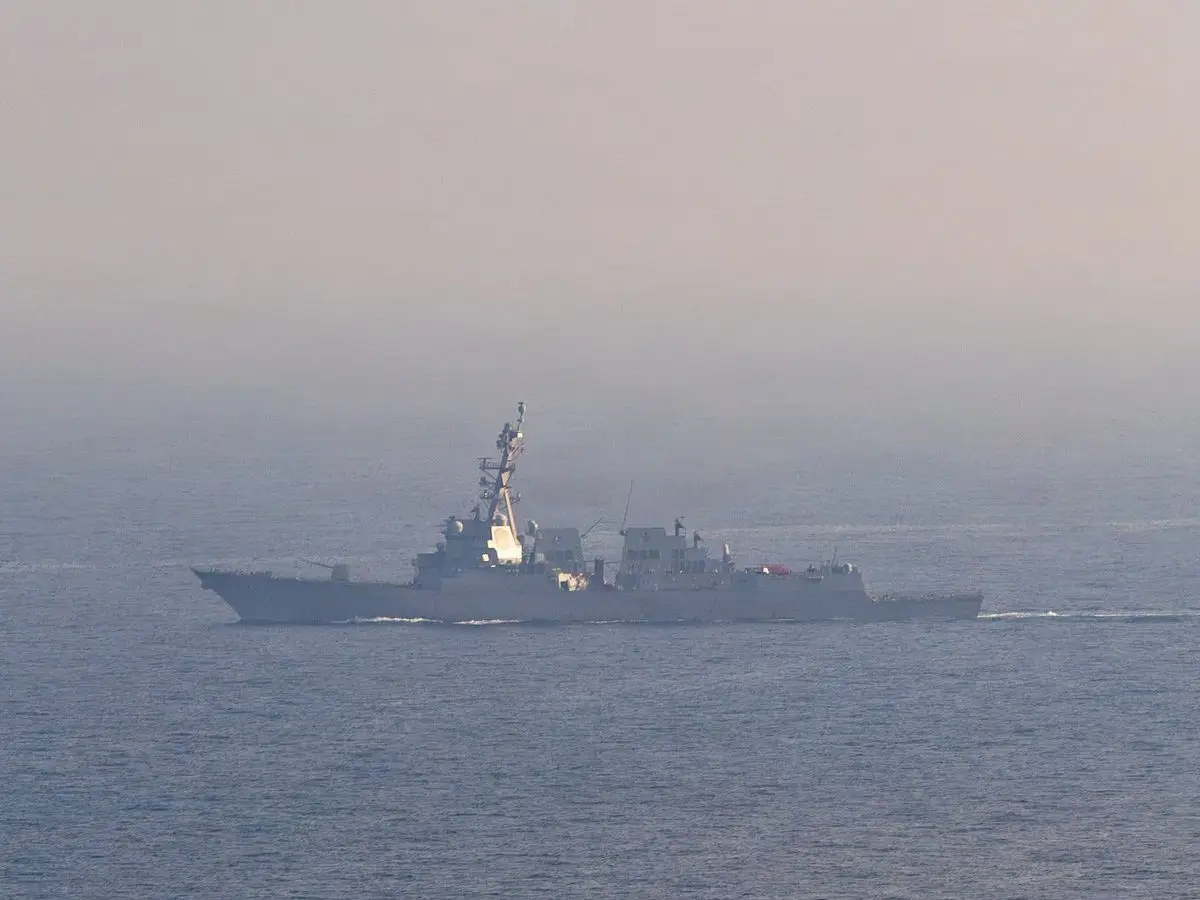
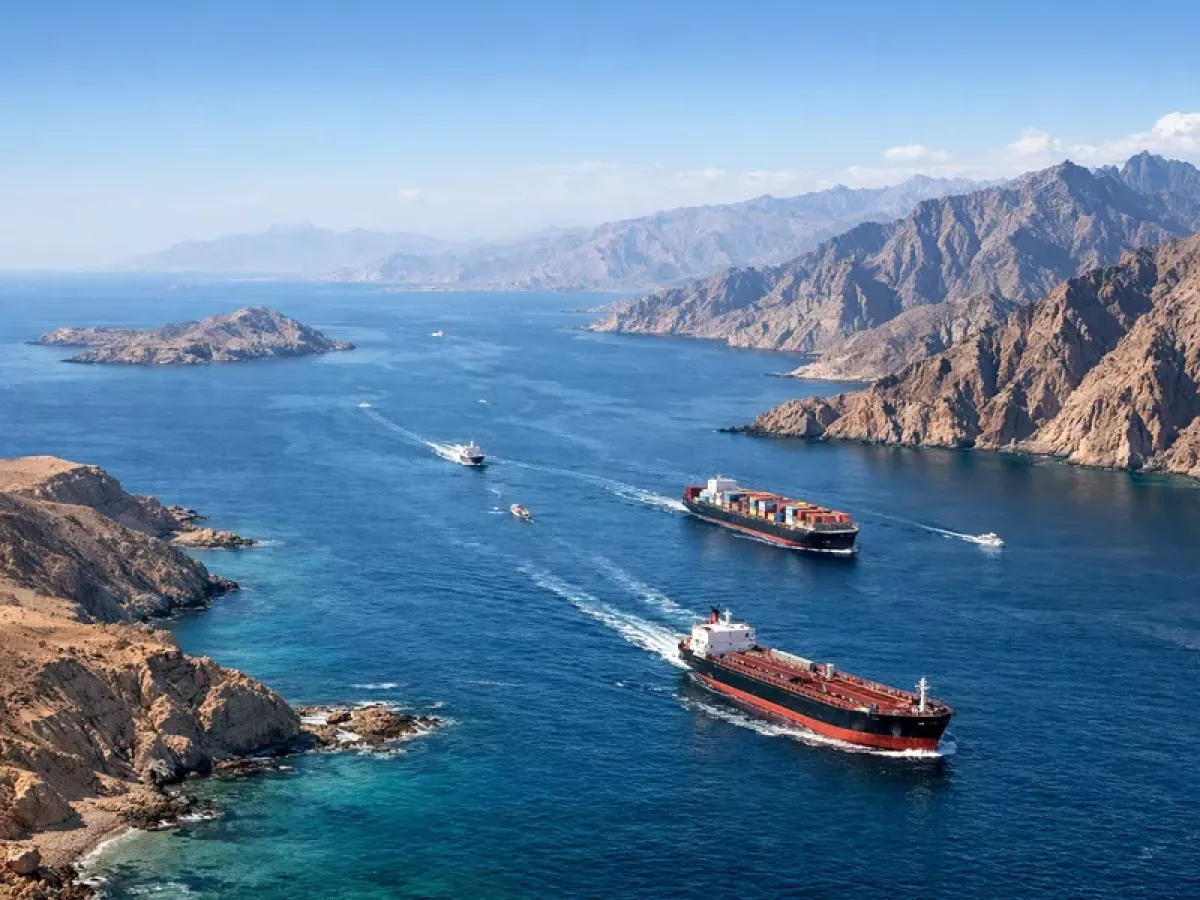
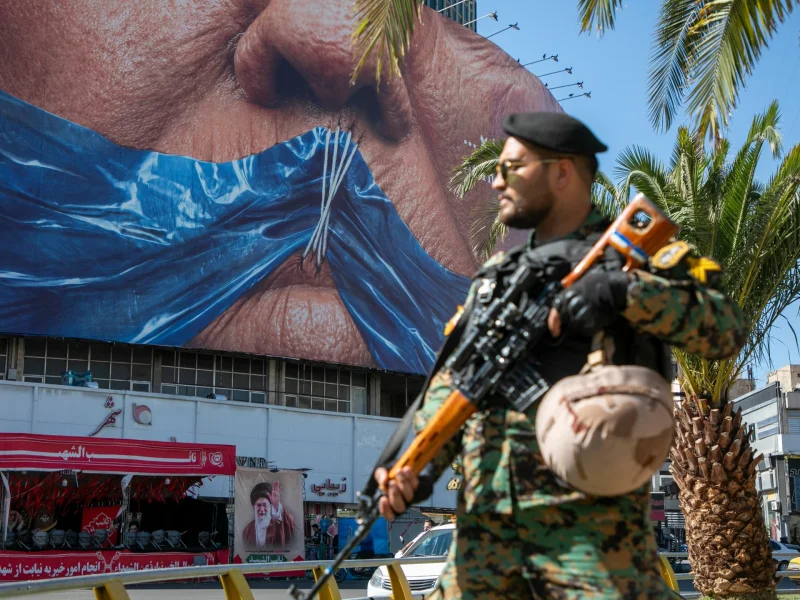
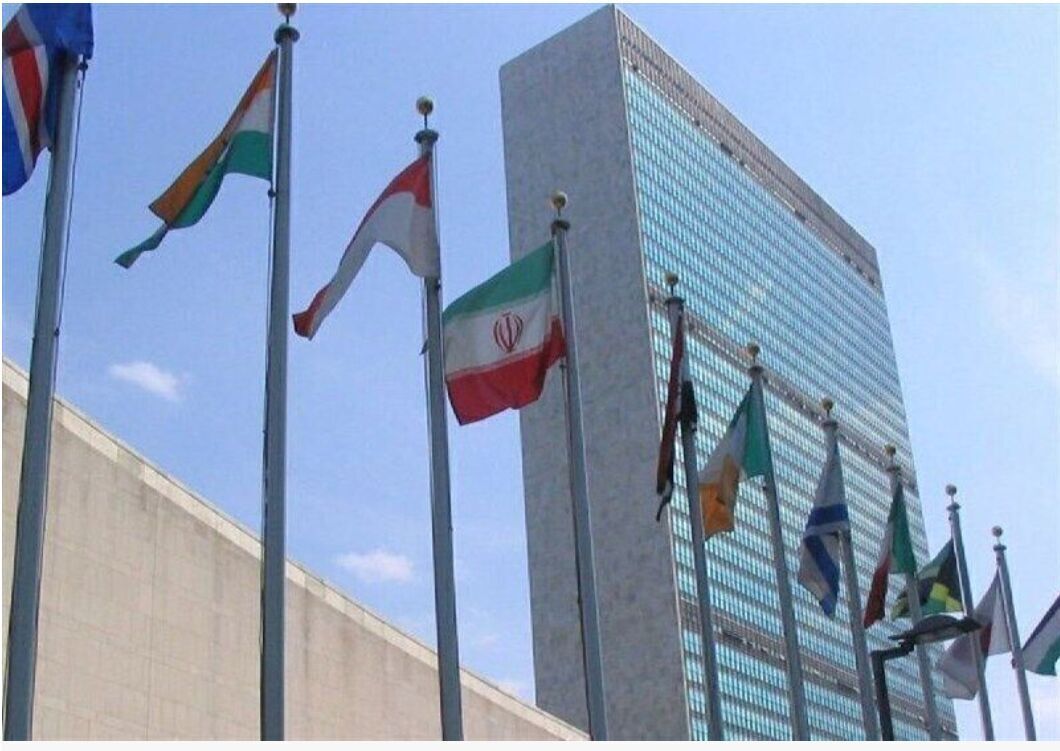
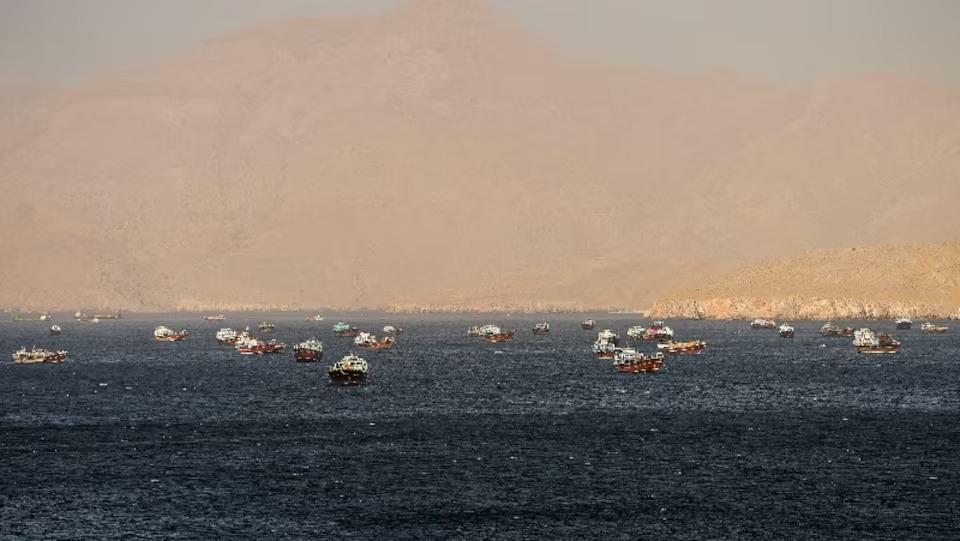
The escalating geopolitical tensions surrounding the Strait of Hormuz represent a critical supply chain vulnerability for cross-border e-commerce sellers, with the waterway handling approximately one-third of global maritime oil trade and 21% of petroleum commerce. China's May 15, 2026 veto position on the U.S.-Bahraini UN resolution, combined with 112-nation support for the resolution demanding Iranian compliance, creates unprecedented uncertainty in global shipping logistics. The diplomatic stalemate between Iran (demanding war reparations, naval blockade removal, and strait sovereignty recognition) and the United States (insisting on nuclear program dismantling and shipping restrictions lifting) directly impacts seller operations through three critical mechanisms: elevated fuel surcharges on ocean freight, increased maritime insurance premiums, and potential route diversification costs.
Immediate Shipping Cost Impact: Sellers routing inventory through the Strait of Hormuz—the primary corridor connecting Asian manufacturing hubs (China, Vietnam, India) to European and Middle Eastern markets—face 15-25% increases in shipping insurance premiums due to heightened piracy and attack risks. A standard 40-foot container from Shanghai to Rotterdam typically costs $2,500-3,200; geopolitical uncertainty adds $375-800 per shipment. For sellers moving 100+ containers monthly, this translates to $37,500-80,000 in additional monthly logistics costs. Fuel surcharges, already volatile, could spike an additional 8-12% if the strait experiences even temporary closure or mining incidents.
Strategic Sourcing Realignment: The resolution's uncertain passage (China and Russia maintain veto power) creates a 6-12 month window of elevated risk. Sellers currently sourcing from China, Vietnam, and India for electronics, textiles, and consumer goods face critical decisions: maintain current routes with higher insurance costs, or shift sourcing to alternative suppliers in Mexico, Turkey, or Eastern Europe. This represents a 3-6% cost increase for Mexico-sourced goods but eliminates Hormuz exposure. Sellers with 30-40% of inventory sourced from Asia-Pacific regions should model alternative supply chains immediately.
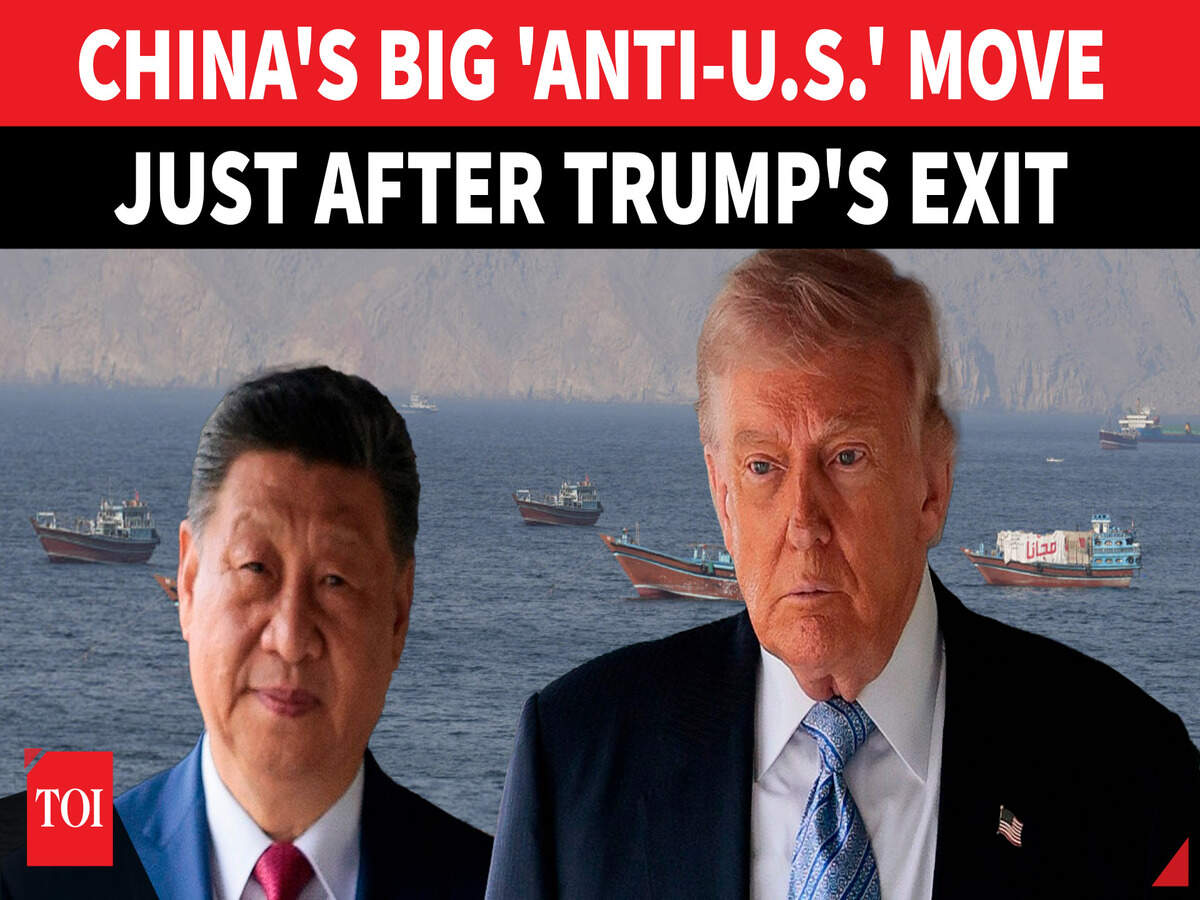
Market Access Shifts: The resolution's 112-nation backing (including India, Japan, South Korea, and EU members) signals strong Western/allied support for strait freedom of navigation. If passed despite Chinese/Russian opposition, this could trigger Iranian retaliatory shipping restrictions, making Iran-adjacent markets (Iraq, UAE, Saudi Arabia) temporarily inaccessible. Conversely, if China and Russia successfully block the resolution, it signals tacit acceptance of Iranian influence over the strait, potentially opening new trade corridors through Iranian-controlled waters—creating opportunities for sellers willing to navigate complex sanctions compliance. The Trump-Xi summit discussions on "opposition to militarization and toll-charging proposals" suggest potential future negotiations that could reshape shipping economics entirely.
Questions 7
Should sellers shift sourcing away from Asia due to Hormuz geopolitical risks?
A strategic partial shift is recommended rather than complete abandonment. Mexico-sourced goods eliminate Hormuz exposure but cost 3-6% more than China-sourced equivalents. Turkey and Eastern Europe offer 2-4% premiums over Asia with moderate Hormuz exposure. The optimal strategy: maintain 60-70% Asia sourcing for cost-sensitive categories (apparel, home goods) while shifting 30-40% of electronics and high-margin items to Mexico/Turkey. Monitor the UN resolution vote timeline (expected within 3-6 months); if China/Russia successfully block it, Asia sourcing becomes more viable long-term. If the resolution passes, accelerate nearshoring for 2026-2027 inventory planning.
Which seller segments face the highest logistics cost impact from Hormuz tensions?
Sellers with 30-40% of inventory sourced from China, Vietnam, and India for electronics, textiles, and consumer goods face the steepest impact. Mid-market sellers (moving 50-200 containers monthly) experience 8-12% margin compression on products with 15-25% gross margins. Large sellers (200+ containers monthly) can negotiate volume discounts but still face 5-8% cost increases. Small sellers (<20 containers monthly) have flexibility to shift to nearshoring (Mexico, Turkey) at 3-6% cost premiums. The resolution's uncertain passage creates a 6-12 month window where sellers must decide between absorbing costs or restructuring supply chains.