
Penn Station Infrastructure Crisis | Critical Logistics Impact for E-Commerce Sellers
- East River tunnel disruptions reduce NYC rail capacity 75%, threatening last-mile delivery networks for 50K+ Amazon/eBay sellers in Northeast corridor
Overview
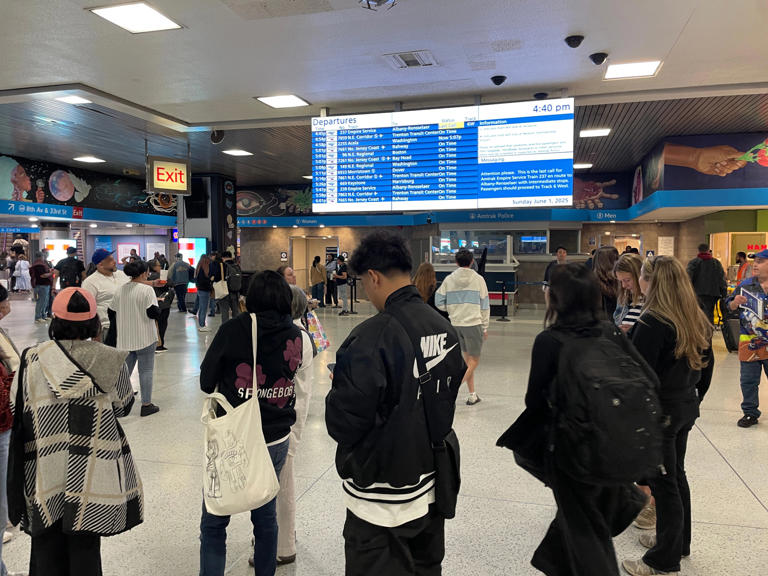
The Penn Station infrastructure meltdown on Thursday exposed a critical vulnerability in North America's busiest rail hub, with direct implications for e-commerce logistics networks. A track fire in an East River tunnel forced the closure of two tunnels simultaneously, leaving only one operational tunnel to carry trains between Penn Station and Queens—precisely the bottleneck that LIRR President Rob Free warned against in April 2025. With Amtrak's full-closure repair project reducing operational capacity from four to three tunnels, the system operated with zero redundancy when the fire occurred, triggering cascading service failures through Friday evening's rush hour.
For cross-border and domestic e-commerce sellers, this disruption directly impacts last-mile delivery networks. Penn Station serves as a critical interchange hub for LIRR, NJ Transit, and Amtrak, connecting to distribution centers and fulfillment facilities across the Northeast corridor. The forced rerouting of trains to Grand Central Madison and Atlantic Terminal created 2-4 hour delays for freight and parcel services, affecting sellers shipping inventory through NYC's major logistics hubs. Sellers relying on Northeast Regional Distribution Centers (RDCs) for same-day/next-day delivery experienced fulfillment delays, particularly those serving the tri-state area's 20+ million consumers. Amazon FBA sellers with inventory in NYC-area fulfillment centers faced potential inventory velocity impacts, while eBay and Shopify sellers using 3PL providers dependent on Penn Station rail access experienced shipping delays.
The systemic coordination failure between Amtrak and MTA reveals deeper infrastructure risks for supply chain planning. The agencies' ongoing disputes over Penn Station redevelopment (transferred to Amtrak control in 2024), NextGen Acela testing restrictions, and maintenance scheduling demonstrate how regulatory fragmentation creates operational vulnerabilities. When infrastructure operates at 75% capacity with no contingency planning, even minor incidents cascade into major disruptions. For sellers, this signals the need to diversify logistics partners and reduce dependency on single transportation corridors. The incident also highlights the importance of monitoring infrastructure maintenance schedules—Amtrak's announced tunnel closures should have triggered contingency planning months earlier, but coordination failures prevented proactive mitigation.
Strategic implications for sellers include supply chain resilience and geographic diversification. Sellers concentrated in Northeast markets should evaluate alternative fulfillment routes through Atlantic Terminal, Grand Central, or bypass NYC entirely via Philadelphia/Boston distribution networks. The 2-4 day recovery period demonstrates how infrastructure bottlenecks can compress margins on time-sensitive categories (perishables, seasonal goods, electronics). Sellers should monitor Penn Station operational status through LIRR/Amtrak alerts and adjust inventory positioning accordingly. The ongoing infrastructure disputes suggest future disruptions are likely, making redundancy in logistics networks a competitive advantage rather than a cost center.
Questions 8
Should sellers shift inventory away from Northeast distribution centers?
Complete avoidance of Northeast hubs is not practical given the region's 20+ million consumers and high purchasing power, but strategic diversification is essential. Sellers should maintain 60-70% of Northeast-bound inventory in NYC-area fulfillment centers for speed-to-consumer advantage, while positioning 30-40% in secondary hubs (Philadelphia, Boston, or West Coast centers). This approach maintains same-day/next-day delivery capabilities for core markets while providing redundancy during infrastructure disruptions. The news indicates that rerouting to Grand Central Madison and Atlantic Terminal added 2-4 hours to delivery times, suggesting that even alternative routes within NYC have capacity constraints. Sellers should negotiate tiered service agreements with 3PLs that specify geographic diversification requirements and include penalty clauses for infrastructure-related delays exceeding 4 hours.
What monitoring systems should sellers implement for infrastructure risk management?
Sellers should establish automated alerts for: (1) LIRR service advisories through the MTA website; (2) Amtrak maintenance schedules published 60-90 days in advance; (3) 3PL provider notifications of routing changes; (4) Weather-related disruptions affecting rail operations. The news reports that LIRR President Rob Free warned about tunnel closure risks in April 2025, yet the warning went unheeded by coordinating agencies—this demonstrates that public warnings should trigger seller contingency planning. Implement dashboard monitoring of Northeast rail capacity metrics and establish trigger points for inventory repositioning (e.g., when announced maintenance reduces capacity below 80%, shift 20% of inventory to secondary hubs). Consider subscribing to logistics intelligence services that track infrastructure maintenance schedules and provide early warning of potential disruptions. Document all infrastructure-related delays to build a historical database for forecasting future impacts.