





Tech Layoffs 2026 Surge 100K+ Workers | E-Commerce Talent & Tool Opportunities
- 81,700 Q1 2026 layoffs create talent pool for seller automation tools; AI investment focus signals platform feature acceleration

























Overview
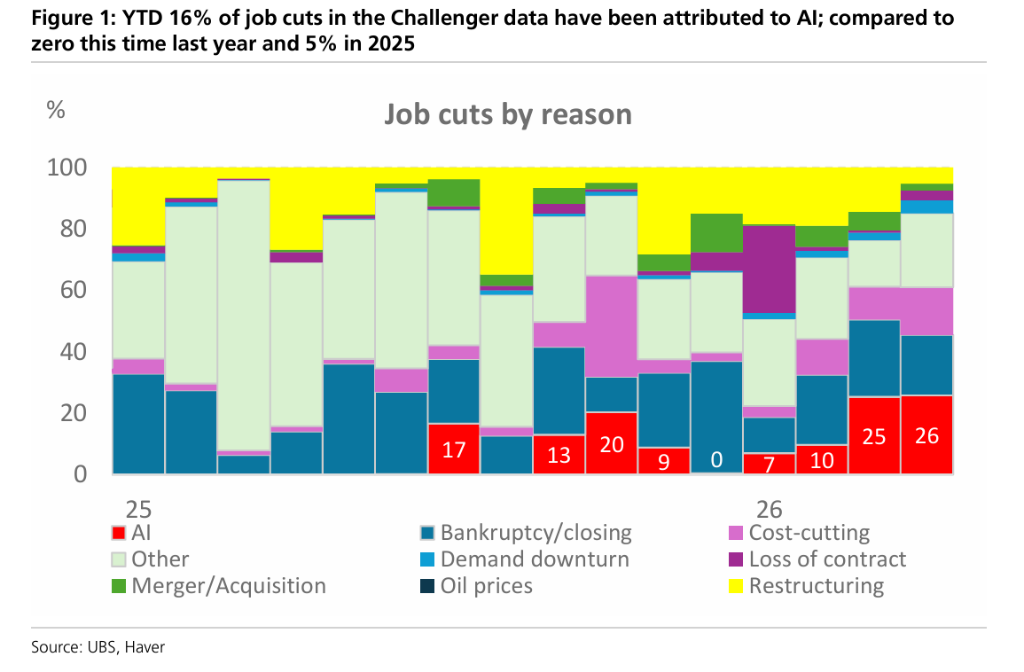
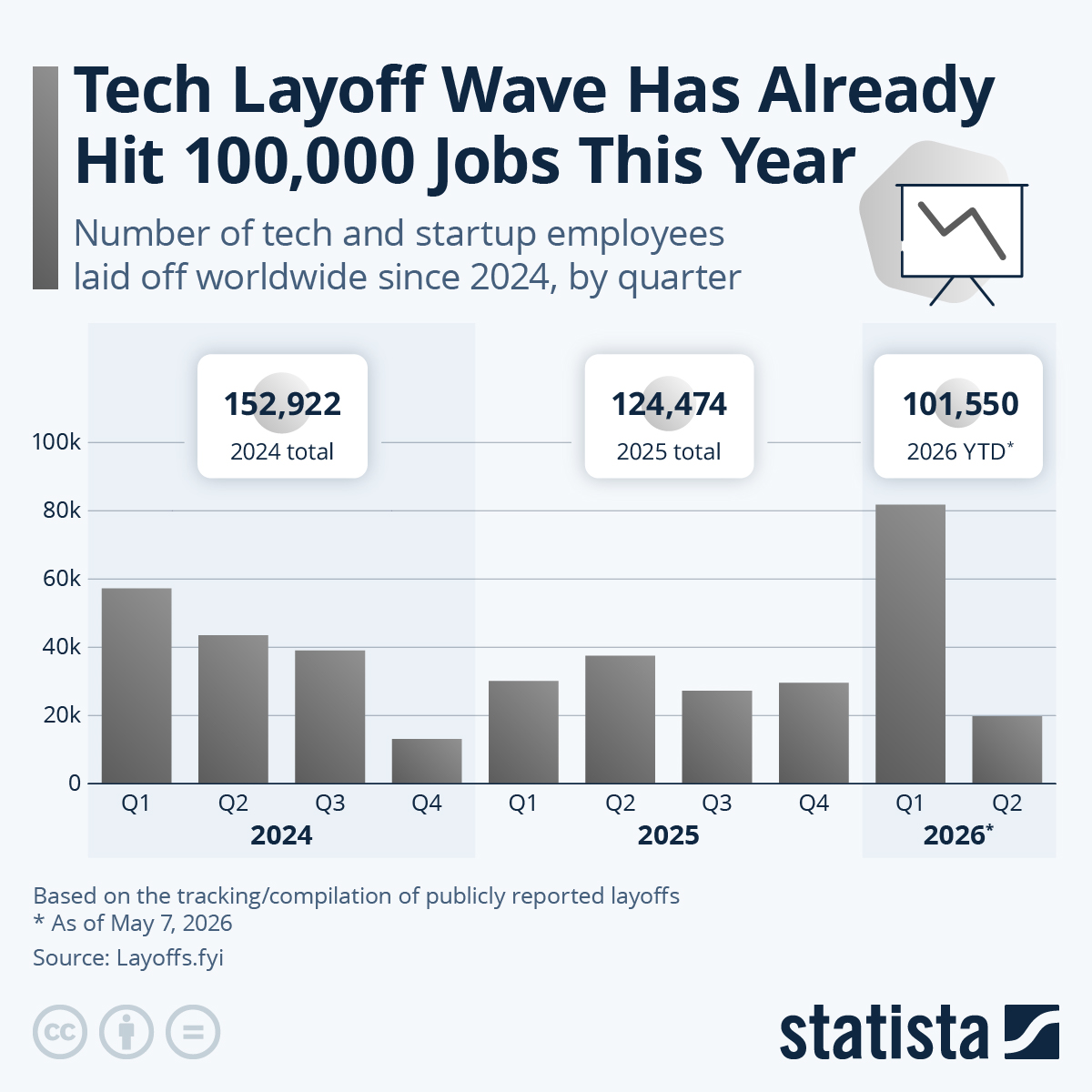
The tech sector is experiencing a significant restructuring wave with over 100,000 layoffs in 2026 alone, according to Layoffs.fyi data cited in May 2026 Statista reports. Q1 2026 recorded approximately 81,700 layoffs—the highest quarterly figure since early 2023—with an additional 20,000 layoffs in the first six weeks of Q2. This surge is primarily driven by corporate restructuring focused on artificial intelligence investment, as major companies including Meta, Salesforce, and Oracle reallocate resources toward AI capabilities.
For e-commerce sellers, this tech sector disruption creates multiple strategic opportunities. First, talent acquisition advantage: The displaced tech workforce—including product managers, engineers, and data scientists—represents an untapped talent pool for sellers building in-house automation capabilities. Sellers can now hire experienced AI/ML engineers at reduced rates to develop custom pricing algorithms, inventory forecasting systems, and customer service automation. A mid-level engineer previously earning $180K+ at Meta or Salesforce may now accept $120-140K roles at high-growth seller operations, reducing development costs by 30-40%.
Second, AI tool acceleration: The massive capital reallocation toward AI by major tech companies signals accelerated development of AI-powered e-commerce tools. Expect rapid feature releases in Amazon Seller Central (predictive analytics, dynamic pricing), Shopify (AI copywriting, product recommendations), and emerging platforms. Sellers who adopt these tools early gain 2-4 quarter competitive advantages before market saturation. Early adopters typically see 15-25% conversion rate improvements and 20-30% reduction in manual content creation time.
Third, market consolidation opportunity: Smaller tech companies and AI startups serving e-commerce will face funding pressure and acquisition activity. Sellers should audit their current tool stack—PPC management, inventory optimization, customer service platforms—and consolidate around winners likely to survive consolidation. Tools from well-funded companies (Databricks, Scale AI, Anthropic) are safer bets than venture-backed startups facing runway pressure.
Fourth, consumer spending patterns: Tech sector layoffs typically reduce discretionary spending 6-12 months post-layoff. Sellers in premium categories (electronics, luxury goods, high-end apparel) should prepare for 8-15% demand softening in Q3-Q4 2026 in tech-heavy regions (San Francisco Bay Area, Seattle, Austin). Conversely, value-oriented categories (budget electronics, home goods, essentials) typically see 5-10% uplift as displaced workers trade down.
The 2026 trajectory rivals the 2023 downturn when 160,000+ workers were laid off in Q1 alone, suggesting this restructuring will persist through 2026-2027. Sellers should view this as a 12-18 month window to build competitive advantages through AI talent acquisition and tool adoption before the market normalizes.
Questions 8
How will tech layoffs impact consumer spending in e-commerce categories?
Tech sector layoffs typically reduce discretionary spending 6-12 months post-layoff. Sellers in premium categories (electronics, luxury goods, high-end apparel) should prepare for 8-15% demand softening in Q3-Q4 2026 in tech-heavy regions like San Francisco Bay Area, Seattle, and Austin. Conversely, value-oriented categories (budget electronics, home goods, essentials) typically see 5-10% uplift as displaced workers trade down. The 2026 trajectory rivals the 2023 downturn (160,000+ Q1 layoffs), suggesting this spending shift will persist through 2026-2027. Adjust inventory allocation and marketing spend accordingly by region and category.
Which e-commerce categories benefit most from tech worker displacement?
Value-oriented categories see 5-10% demand uplift as displaced workers reduce spending: budget electronics, home goods, essentials, discount apparel, and DIY/home improvement products. Conversely, premium categories face 8-15% demand softening: luxury goods, high-end electronics, designer apparel, and discretionary services. Sellers should shift inventory 20-30% toward value categories in Q2-Q3 2026 and reduce premium category stock. Historical data from 2023 layoffs shows this pattern persists for 12-18 months, creating a predictable demand window for strategic sellers.