


Central Africa Ebola Crisis Disrupts Regional Supply Chains | PPE & Health Product Demand Surge
- 87+ deaths in DRC Ituri province trigger cross-border health emergency; creates urgent demand for PPE, medical supplies, and health-related products across East Africa region








Overview
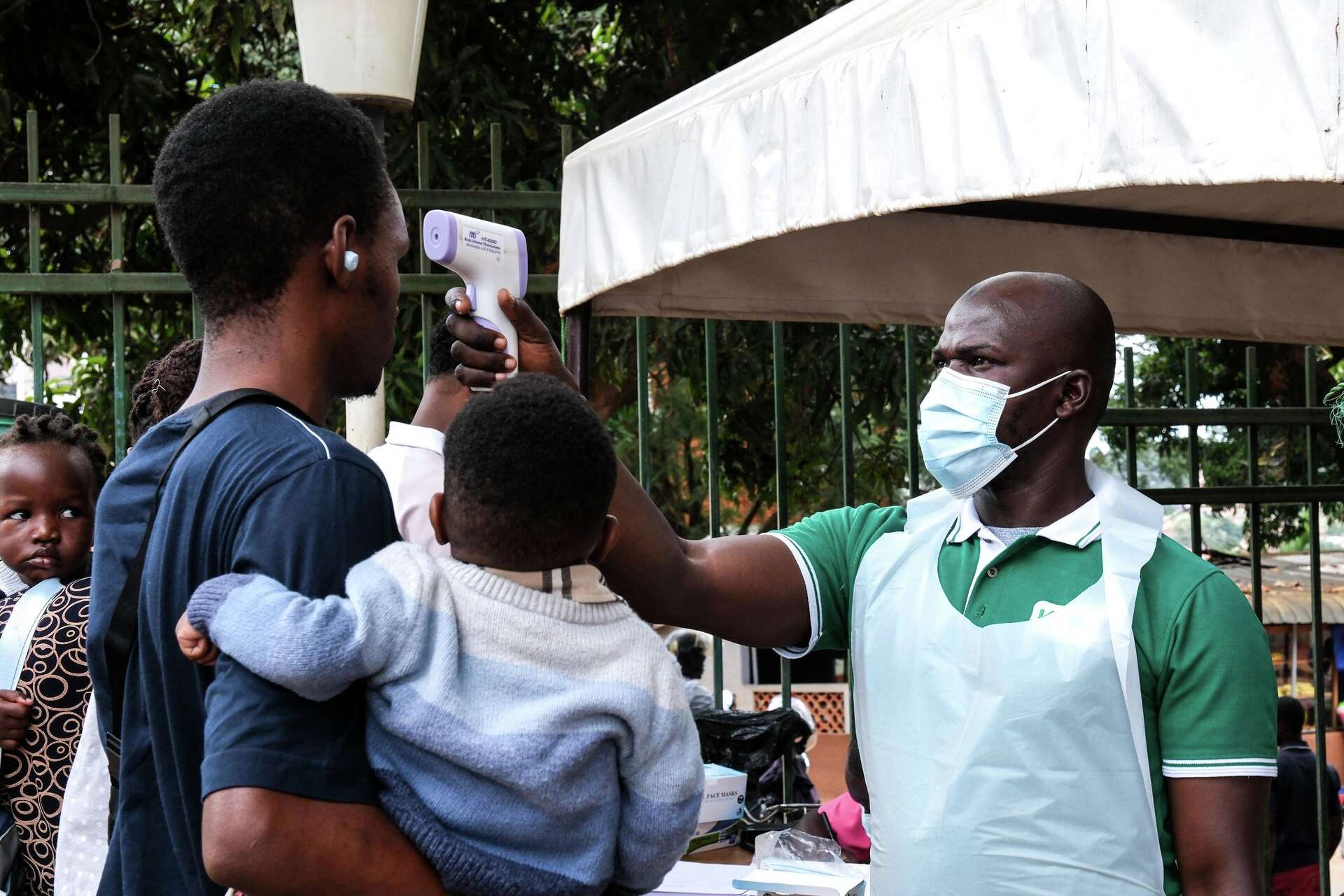
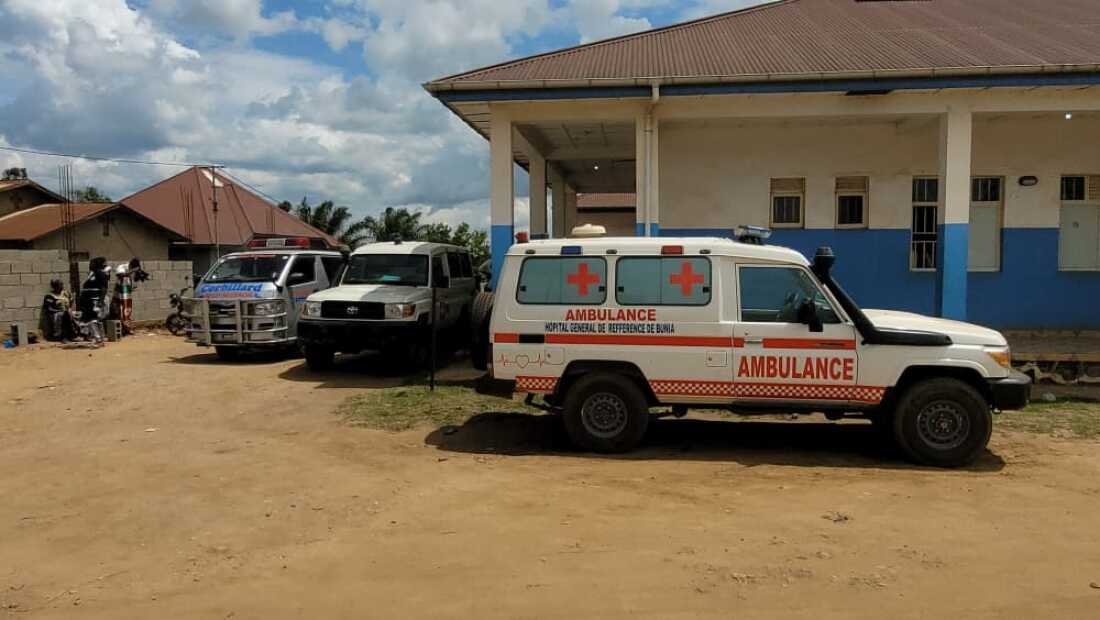
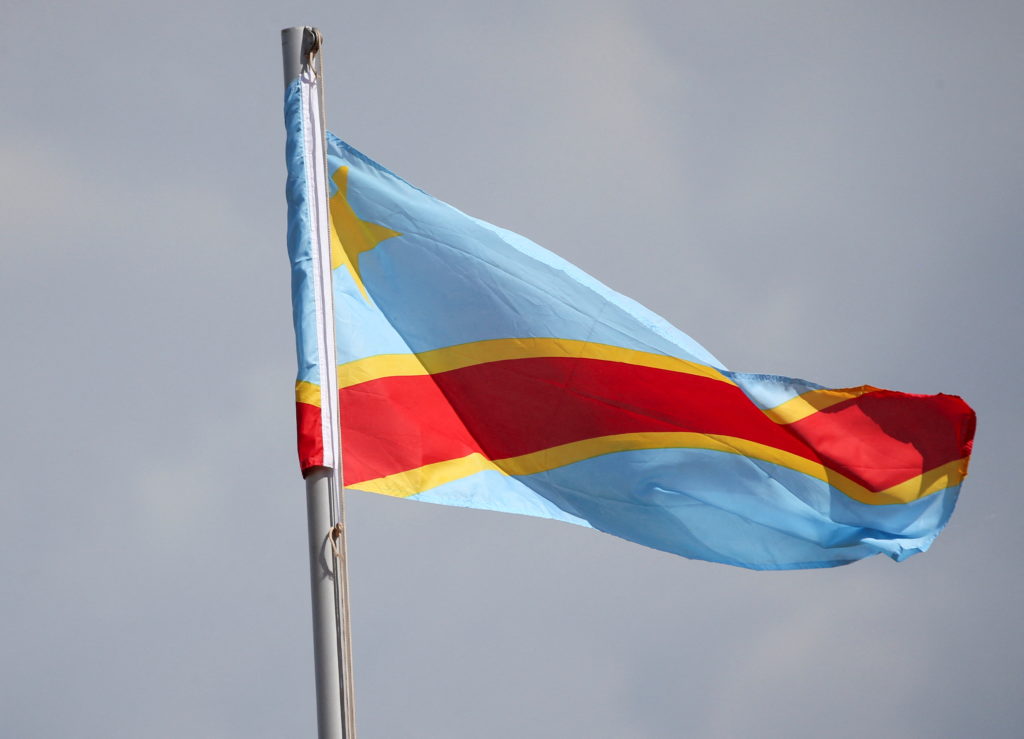
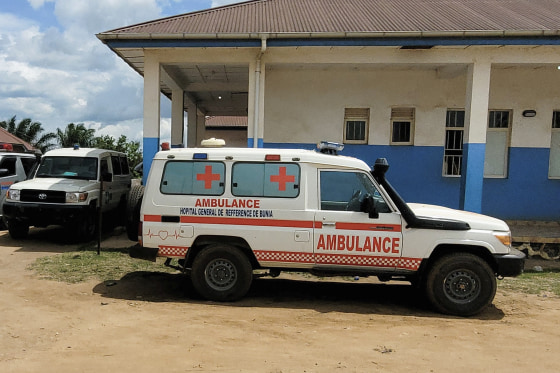
The Democratic Republic of Congo faces a critical public health emergency with an Ebola outbreak in Ituri province that has claimed 87+ lives among 336 suspected cases as of May 16, 2026. The Bundibugyo strain—a less common variant with 50% lethality and no available vaccine—originated from a nurse in Bunia on April 24 and has spread across three health zones (Bunia, Rwampara, Mongwalu). Cross-border transmission is confirmed, with Uganda reporting one death in Kampala on May 14 after a patient traveled via public transportation, while Kenya has strengthened border surveillance. This represents Congo's 17th Ebola outbreak since 1976.
Supply Chain & Logistics Impact: The outbreak creates immediate disruptions in Central African commerce. Ituri province sits 1,000 kilometers from capital Kinshasa and faces ongoing ISIS-backed militant violence, severely hampering response logistics. Only 13 blood samples have been tested at the National Institute of Biomedical Research, with 8 confirming Bundibugyo—revealing critical infrastructure gaps. The Africa CDC warns of rapid spread potential due to high population density in Ituri towns, proximity to Uganda and South Sudan borders, and significant cross-border travel volumes. These factors directly threaten regional supply chains and cross-border commerce networks.
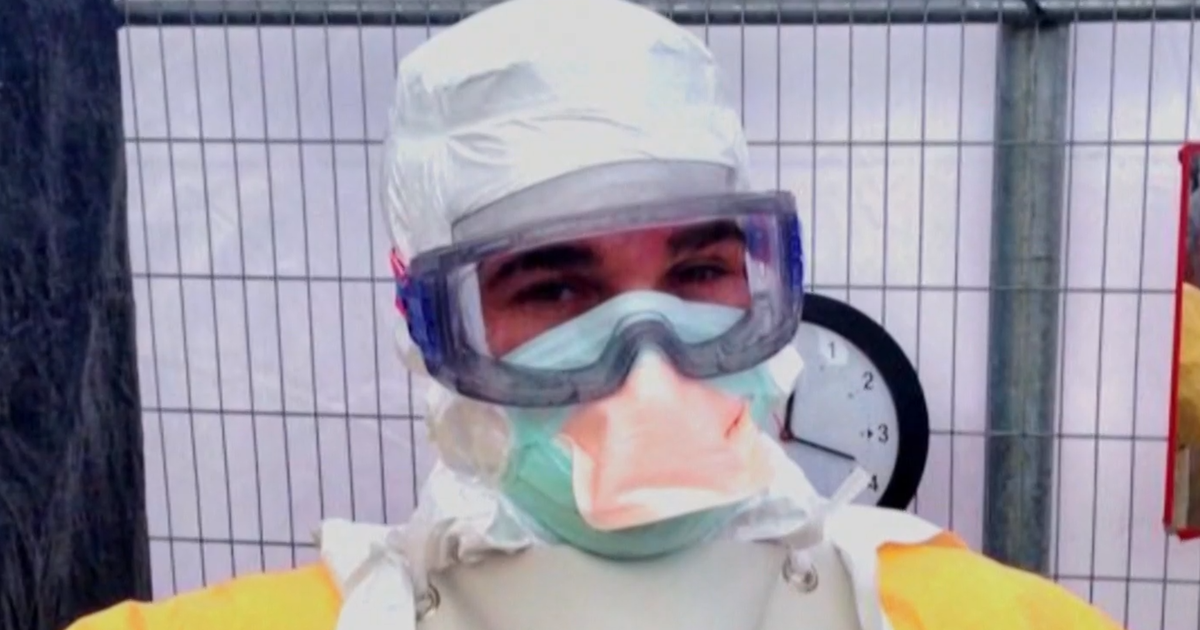
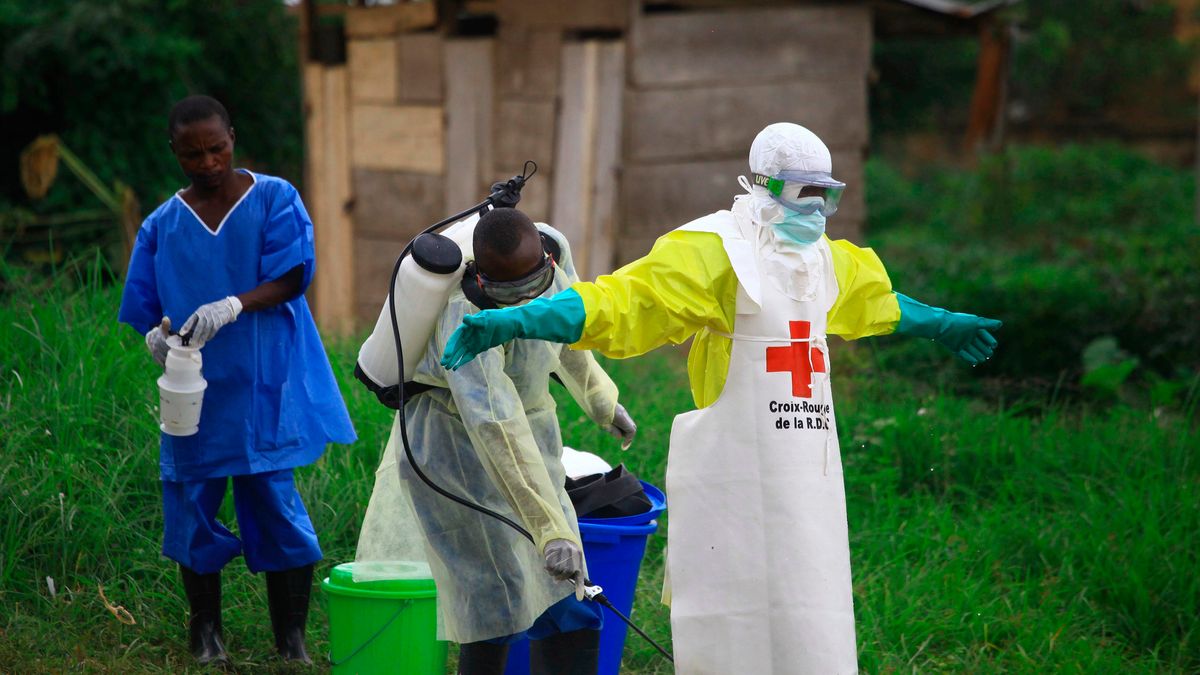
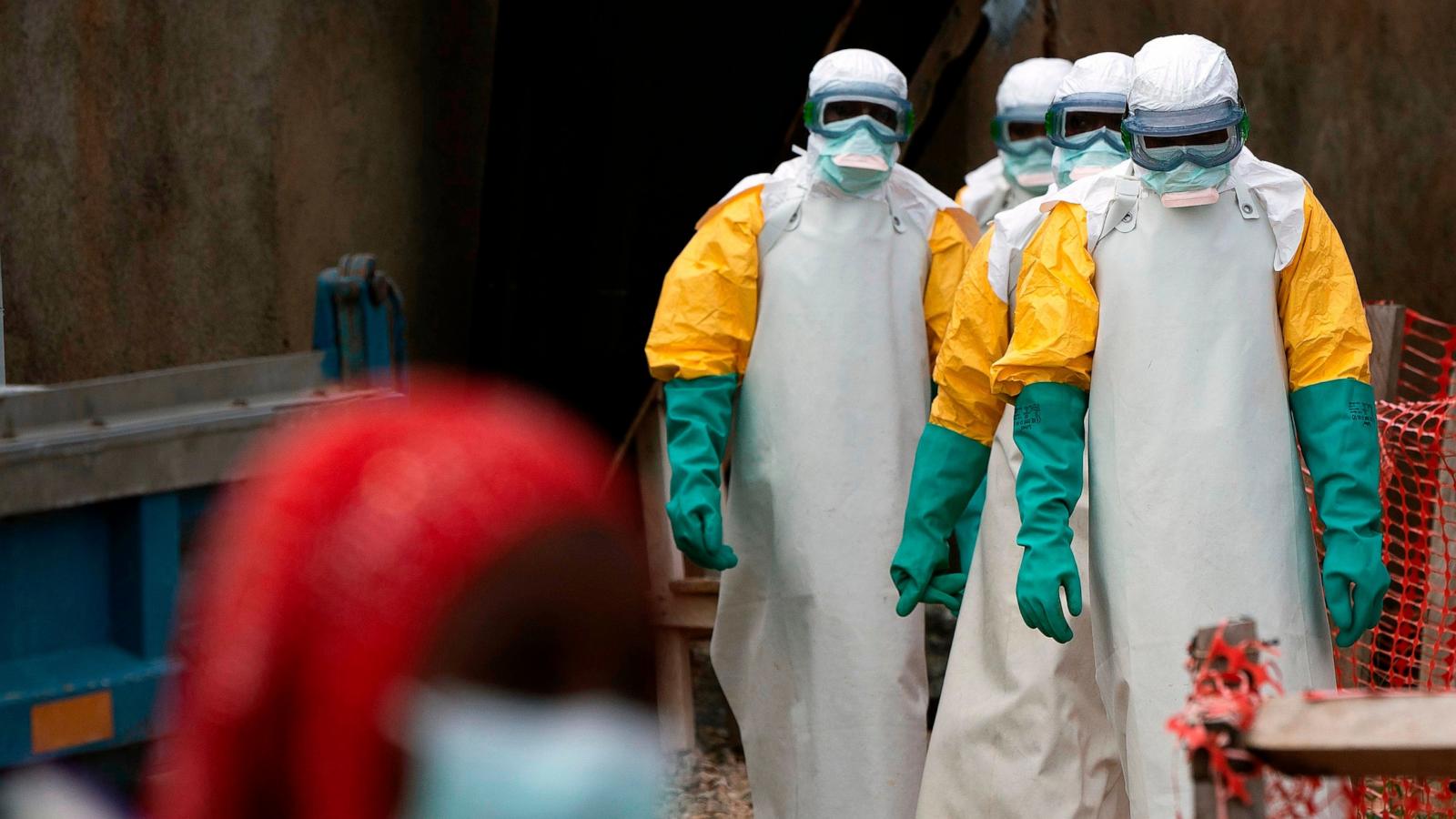
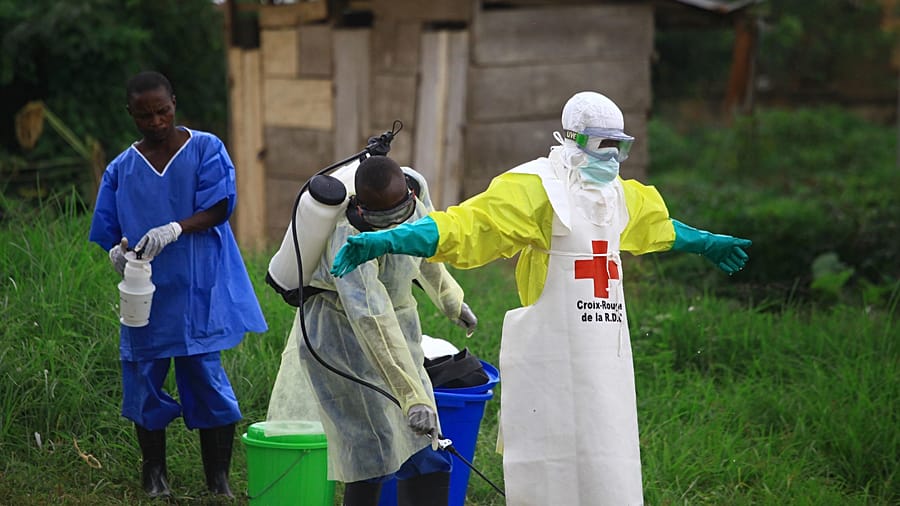
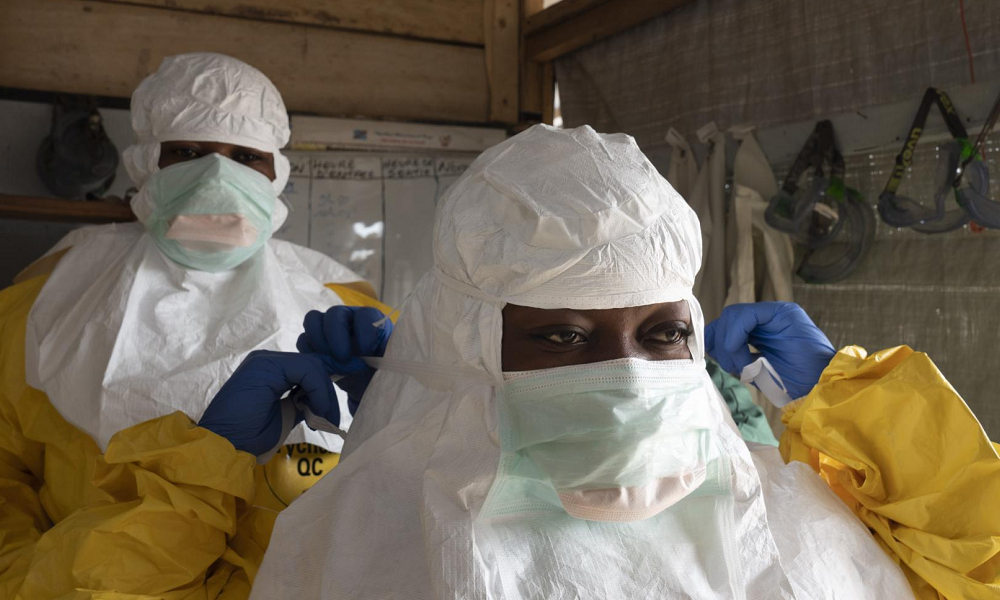
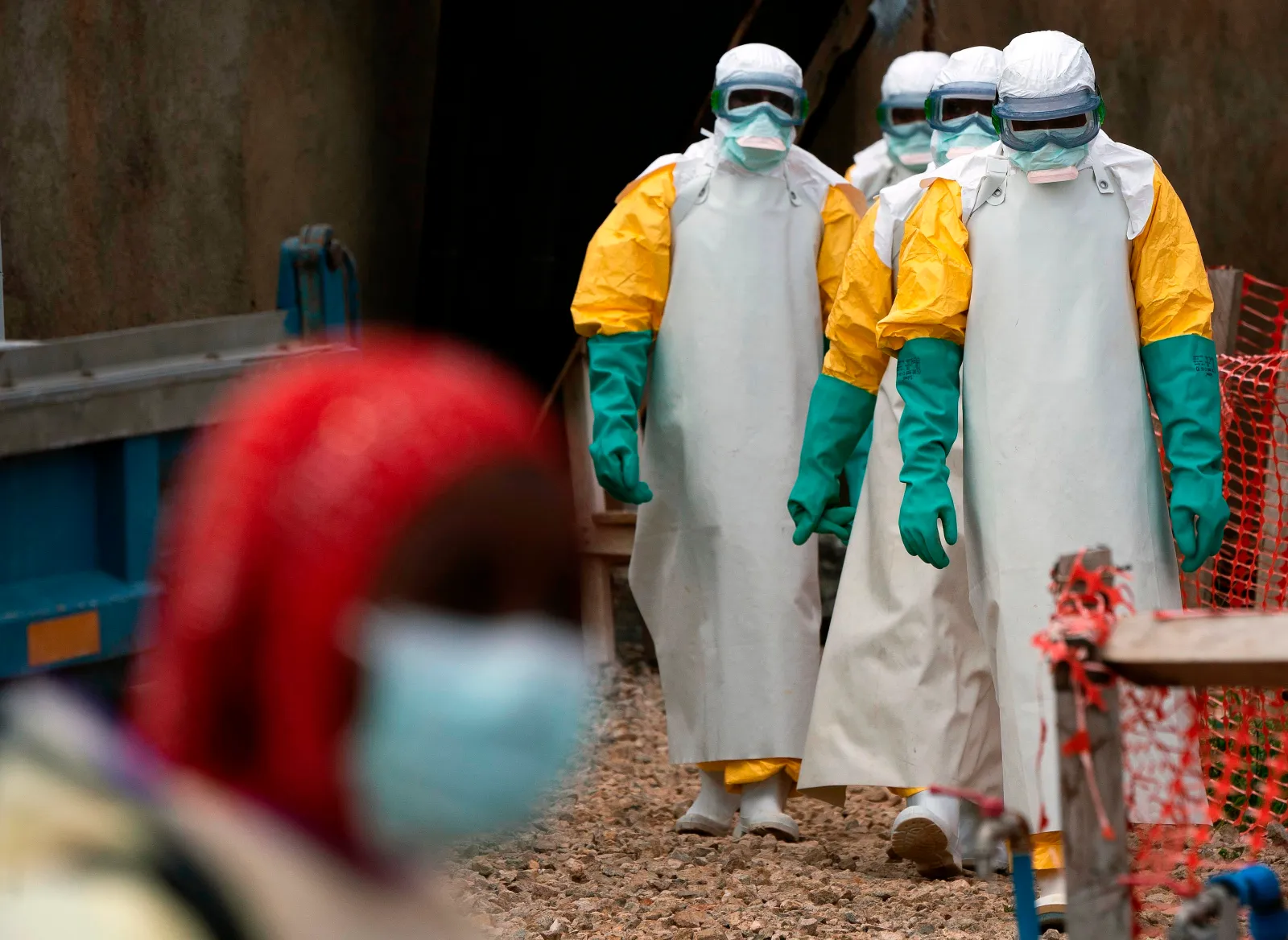
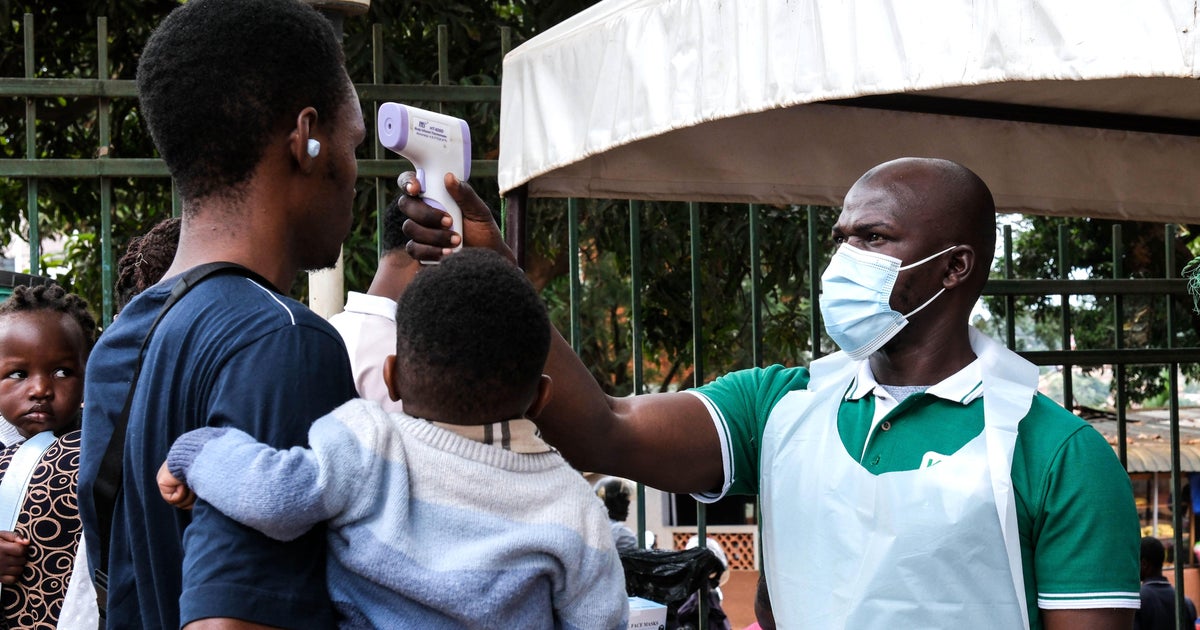
Product Opportunity & Demand Surge: The outbreak triggers urgent demand for personal protective equipment (PPE) across East Africa. Health officials emphasize critical need for head coverings, goggles, masks, faceshields, gloves, gowns, and rubber boots for healthcare workers. Dr. Jean Kaseya of the Africa CDC noted significant challenges in PPE manufacturing and funding constraints—creating a supply gap that cross-border sellers can address. International organizations including Doctors Without Borders (MSF) and the International Federation of Red Cross and Red Crescent Societies (IFRC) are actively responding, signaling institutional procurement opportunities. Additionally, sellers can capitalize on consumer demand for health monitoring products, disinfectants, and wellness items across the region as populations respond to outbreak fears.
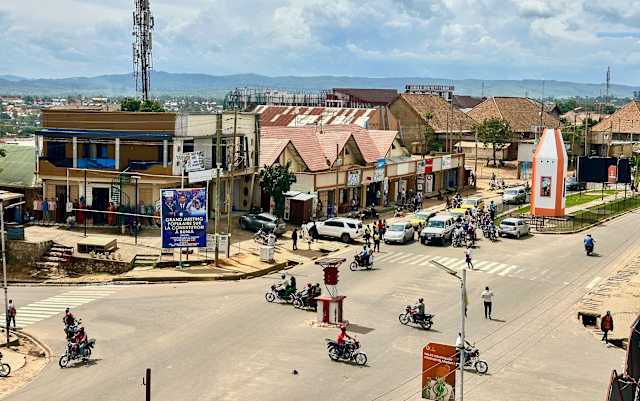
Market Context & Seller Opportunities: Despite the health crisis, business activities in Bunia appeared normal on Friday, indicating continued consumer spending and market access. However, residents expressed concerns about rapid disease spread and called for stronger government intervention—suggesting heightened consumer anxiety and willingness to purchase preventive health products. The WHO is providing emergency funding and technical support, with Director-General Tedros Adhanom Ghebreyesus acknowledging Congo's strong outbreak response track record. This institutional support creates procurement channels for medical suppliers and health product vendors. Sellers specializing in PPE, medical supplies, health monitoring devices, and wellness products should prioritize East African markets (Kenya, Uganda, DRC) for the next 6-12 months as regional health authorities and international organizations scale response efforts.
Questions 7
How does the Ebola outbreak affect cross-border commerce in East Africa?
The outbreak creates significant supply chain disruptions in Central Africa. Ituri province, located 1,000 kilometers from capital Kinshasa and affected by ISIS-backed militant violence, faces severe logistical challenges that impede response efforts and disrupt regional commerce. Kenya has strengthened border surveillance and established an Ebola preparedness team, while Uganda confirmed one imported case on May 14 after a patient traveled via public transportation from DRC. The Africa CDC warns of rapid spread potential due to high population density in Ituri towns and significant cross-border travel volumes. These factors directly threaten regional supply chains, though business activities in Bunia appeared normal on Friday, indicating continued market access for sellers willing to navigate heightened health protocols.
What PPE products are in highest demand during the DRC Ebola outbreak?
Health officials emphasize critical need for head coverings, goggles, masks, faceshields, gloves, gowns, and rubber boots for healthcare workers responding to the Bundibugyo outbreak. Dr. Jean Kaseya of the Africa CDC noted significant challenges in PPE manufacturing and funding constraints affecting response efforts, indicating supply shortages across the region. Sellers offering medical-grade PPE can target healthcare facilities, NGOs like Doctors Without Borders (MSF) and the International Federation of Red Cross and Red Crescent Societies (IFRC), and government health ministries in Kenya, Uganda, and DRC. The outbreak affects three health zones (Bunia, Rwampara, Mongwalu) with confirmed cross-border cases, creating sustained demand for 6-12 months as response efforts scale.