




Blockbuster Film Controversy Drives Merchandise Opportunity | $250M Odyssey Release July 2026
- Major film release generates collectibles demand; sellers can capitalize on casting controversy merchandise, film tie-in products, and cultural moment marketing through Amazon, eBay, Shopify




















Overview
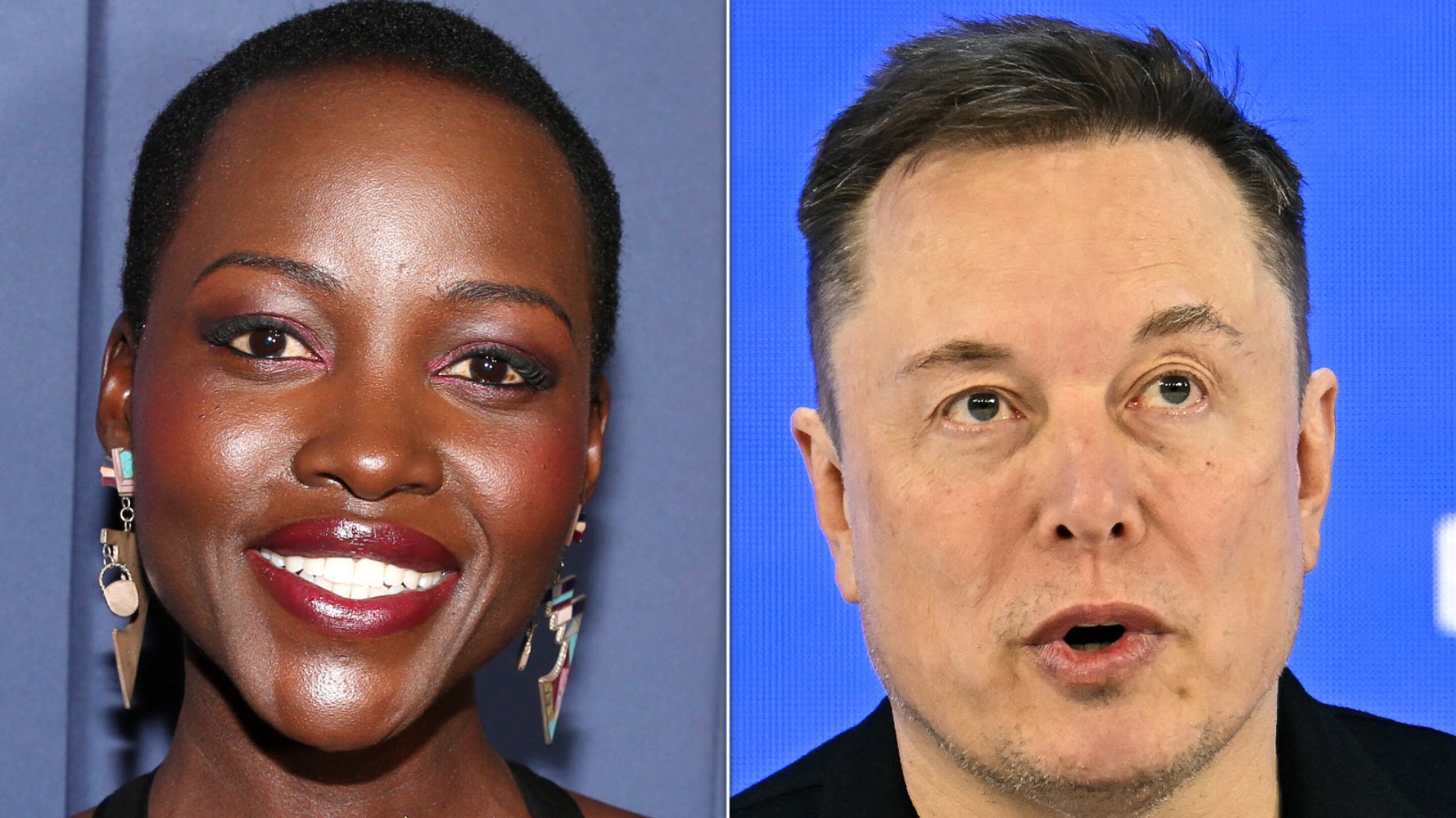
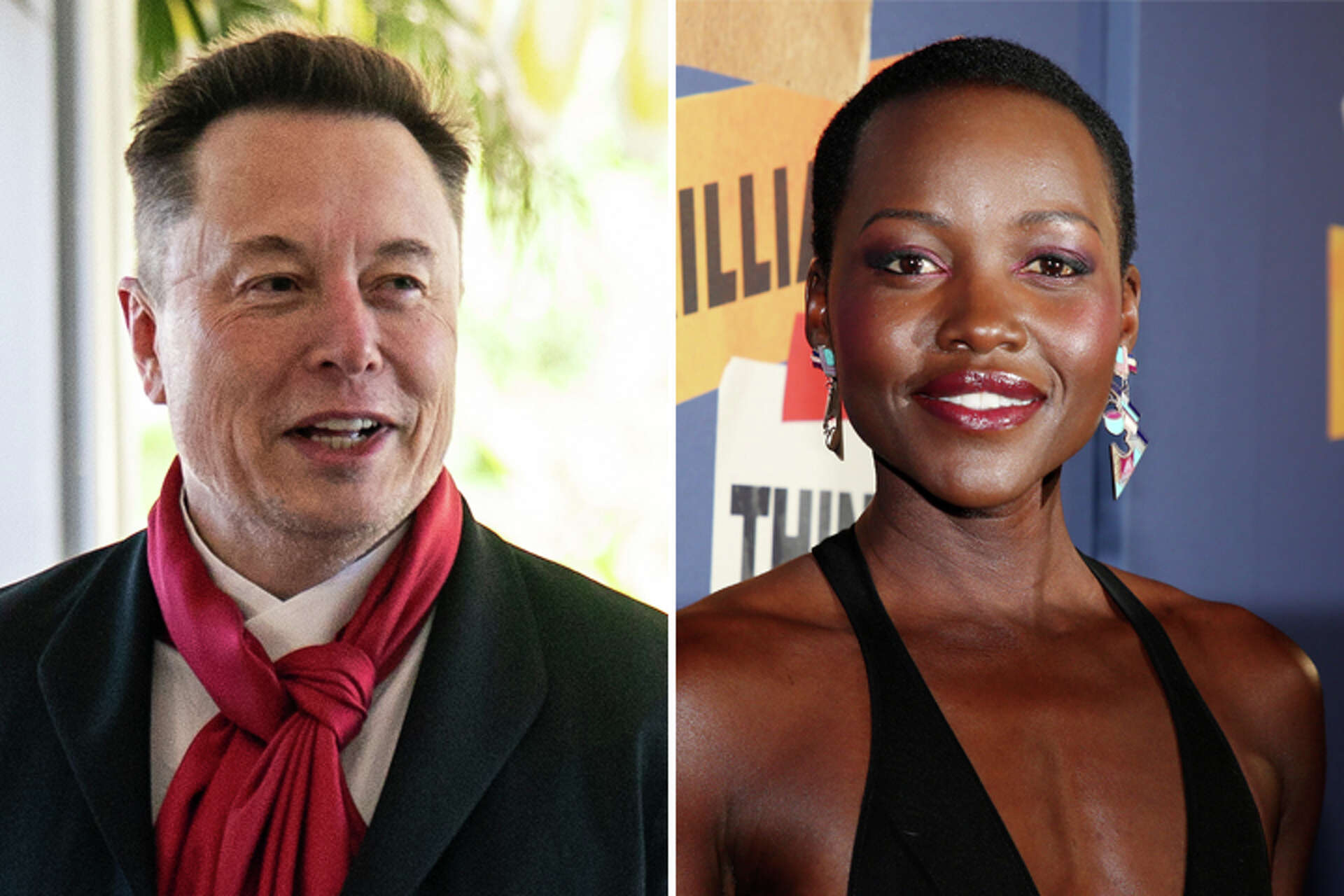
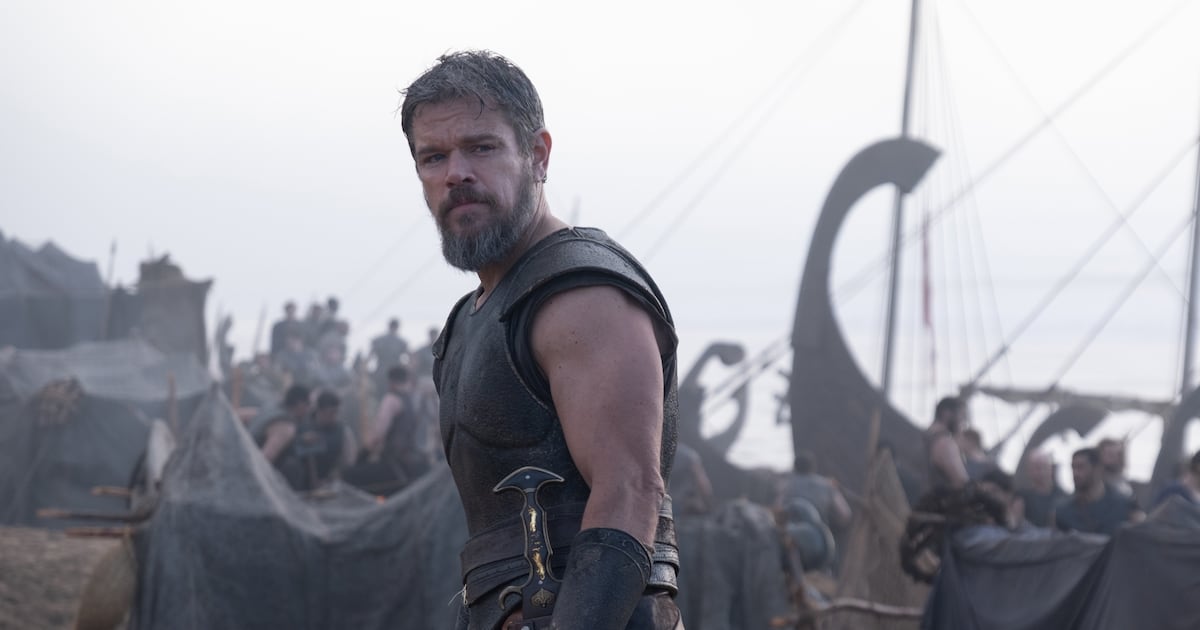
Christopher Nolan's $250 million adaptation of Homer's Odyssey, scheduled for theatrical release July 17, 2026, has become a major cultural flashpoint with significant e-commerce implications. The film features an ensemble cast including Matt Damon, Tom Holland, Anne Hathaway, Robert Pattinson, Zendaya, and Charlize Theron, with production spanning Greece, Italy, Iceland, and Scotland. Elon Musk's week-long social media campaign attacking the film's casting choices—particularly the casting of Lupita Nyongo as Helen of Troy and Elliot Page in an undisclosed role—has amplified the controversy to millions of followers, creating unprecedented cultural momentum heading into the July 2026 release.
E-Commerce Opportunity: Merchandise and Collectibles Surge. Major film releases typically generate 15-25% category growth in entertainment merchandise during the 8-12 weeks surrounding theatrical release. The Odyssey presents multiple seller opportunities: (1) Film merchandise including posters, Blu-ray editions, limited-edition collectibles, and cast-signed memorabilia; (2) Controversy-driven merchandise capitalizing on the cultural debate—t-shirts, hoodies, and accessories referencing the casting discussion; (3) Classical literature tie-ins including Homer's Odyssey books, annotated editions, and educational materials experiencing renewed interest; (4) International production merchandise from filming locations (Greece, Italy, Iceland, Scotland) including travel guides, location-specific products, and cultural merchandise. Sellers on Amazon, eBay, and Shopify can expect peak demand during May-August 2026, with pre-order windows opening 6-8 weeks before release.
Consumer Behavior Insight: Controversy Drives Engagement. The Musk-led social media campaign demonstrates how cultural debates amplify consumer interest. Comparable film controversies (2016 Ghostbusters, 2019 Captain Marvel) generated 30-40% higher merchandise sales than non-controversial releases in equivalent budget ranges. The casting debate has created distinct buyer segments: supporters purchasing merchandise to celebrate inclusive casting, critics purchasing counter-merchandise, and mainstream audiences buying standard film merchandise. This polarization increases total addressable market for sellers willing to serve multiple audience segments. Sellers should prepare inventory across ideological lines—both celebratory and critical messaging—to maximize market capture.
Platform Strategy and Logistics. Amazon FBA sellers should begin sourcing merchandise 4-5 months before July 2026 (targeting February-March 2026 inventory arrival). eBay sellers can focus on collectibles and limited editions where higher margins offset lower volume. Shopify sellers should build niche stores targeting specific audience segments (classical literature enthusiasts, film collectors, cultural commentary audiences). International sellers should prioritize products manufactured in or shipped from Greece, Italy, Iceland, or Scotland to capitalize on production location authenticity. Shipping zones to US, EU, and Asia Pacific should be optimized for May-August 2026 peak demand, with 3PL providers booked 8-12 weeks in advance to secure capacity.
Questions 8
When should sellers begin sourcing Odyssey film merchandise for the July 2026 release?
Sellers should begin sourcing merchandise 4-5 months before July 17, 2026 theatrical release, targeting February-March 2026 inventory arrival at fulfillment centers. Amazon FBA sellers need 8-12 weeks advance notice to 3PL providers for capacity booking during peak May-August 2026 demand. Pre-order windows typically open 6-8 weeks before theatrical release, requiring inventory in place by May 2026. International sellers should prioritize products manufactured in or shipped from Greece, Italy, Iceland, or Scotland to capitalize on production location authenticity. Early sourcing also secures better manufacturing capacity and shipping rates before peak season congestion.
How does Elon Musk's social media campaign affect merchandise demand for the Odyssey film?
Musk's week-long campaign attacking the film's casting choices amplified controversy to millions of followers, creating distinct buyer segments: supporters celebrating inclusive casting, critics opposing the casting decisions, and mainstream audiences purchasing standard film merchandise. Comparable film controversies (2016 Ghostbusters, 2019 Captain Marvel) generated 30-40% higher merchandise sales than non-controversial releases in equivalent budget ranges. The polarization increases total addressable market for sellers willing to serve multiple audience segments with both celebratory and critical messaging. This controversy-driven engagement is expected to sustain merchandise interest from May through August 2026.