



Middle East Supply Chain Disruption Alert | Cross-Border Sellers Face Logistics & Market Access Risks
- Regional instability threatens shipping routes to Israel, Lebanon, Gaza; May 2026 ceasefire collapse signals 15-25% shipping delays and tariff volatility for sellers








)



Overview
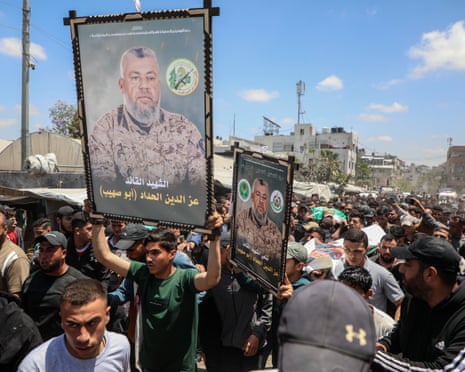
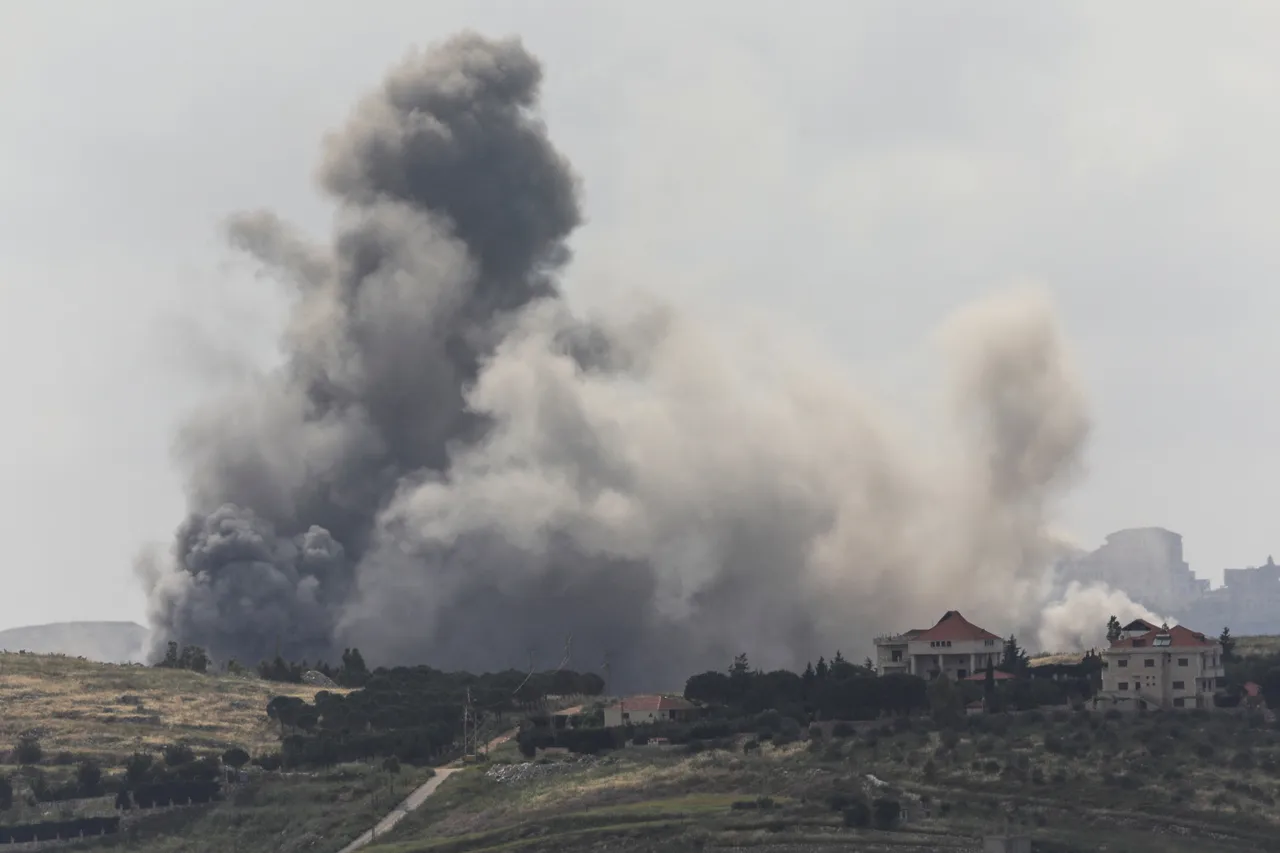
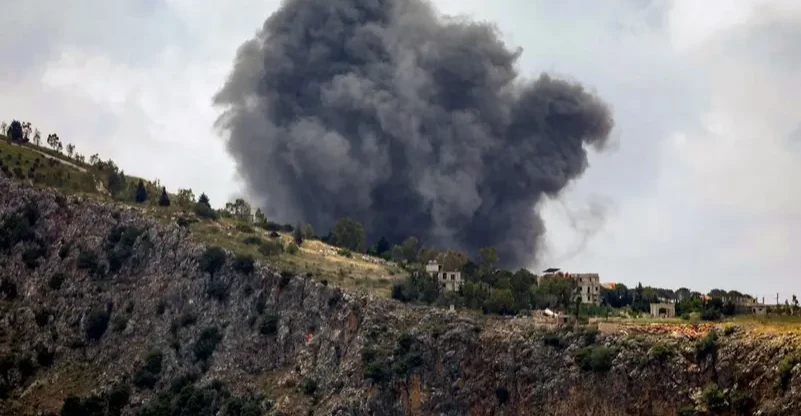
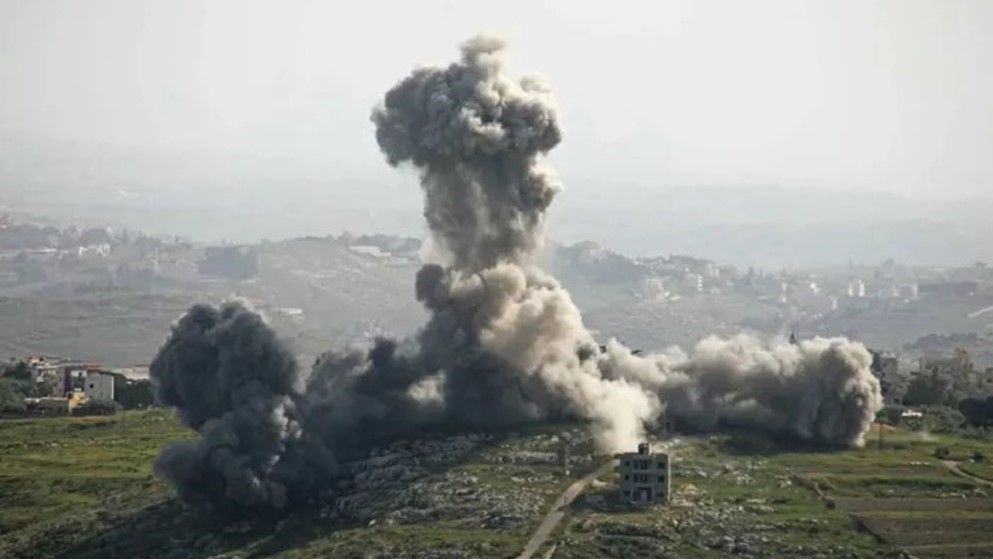
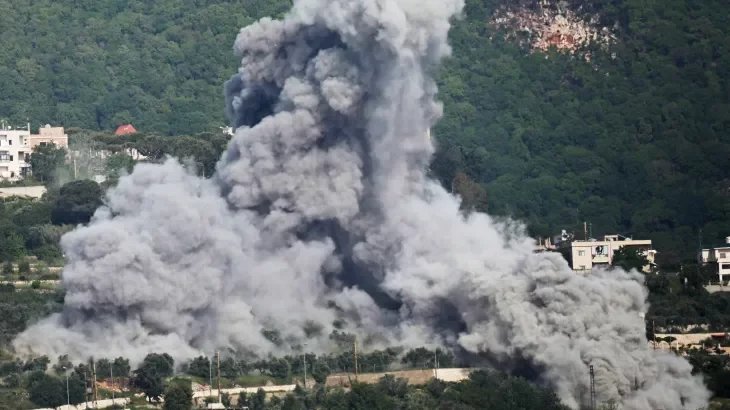
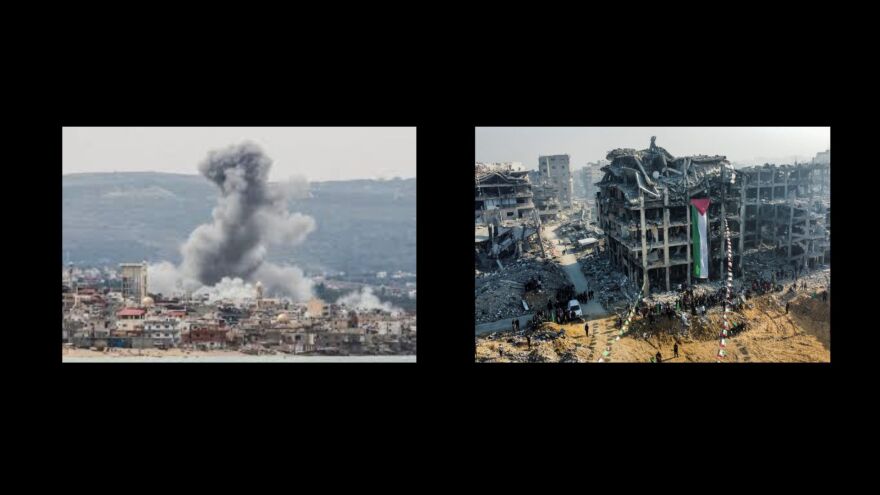
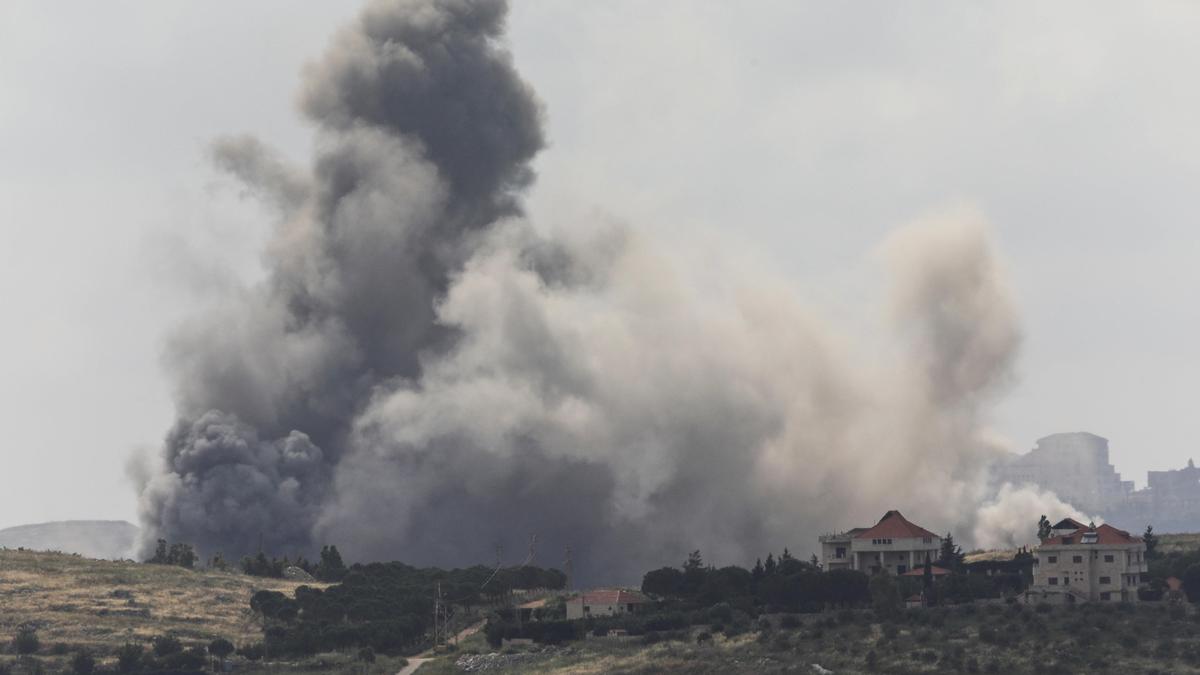
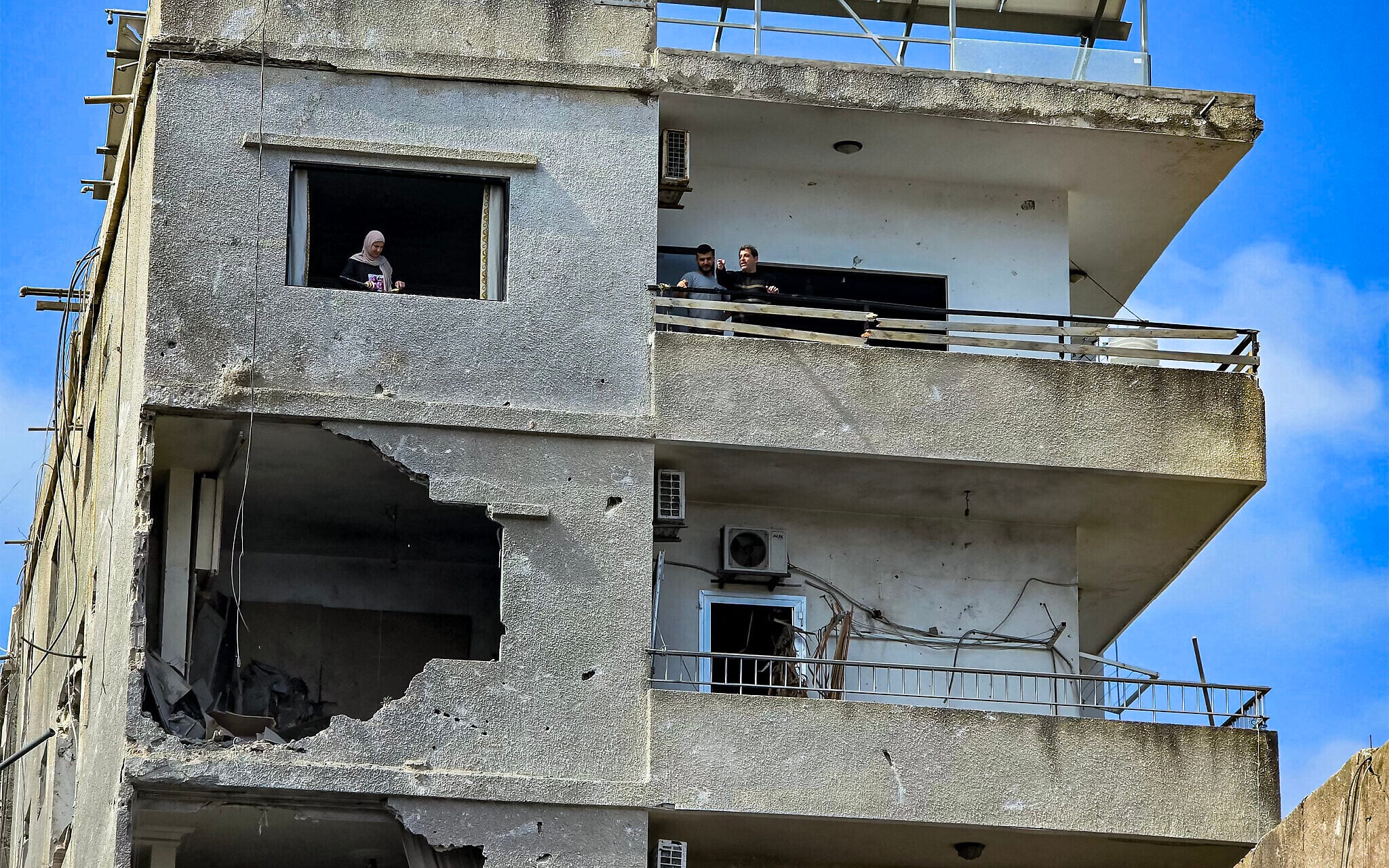
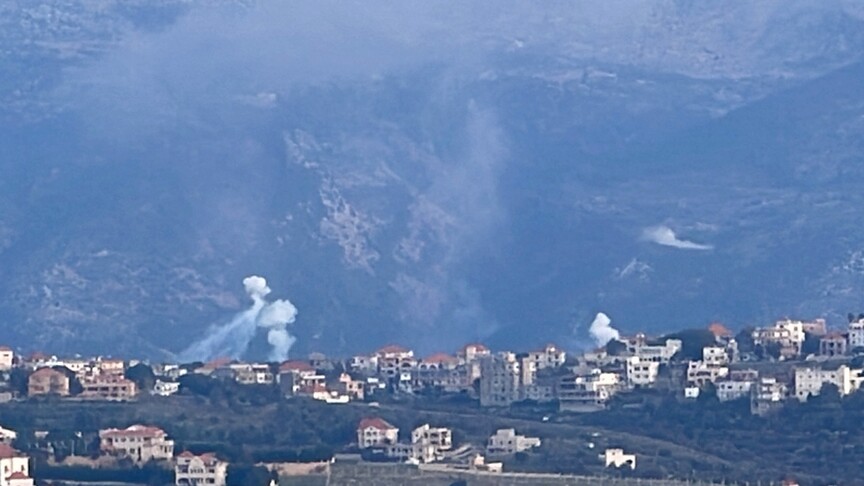
The escalating military conflict in the Middle East—marked by Israeli strikes in southern Lebanon on May 16, 2026, just hours after ceasefire extension negotiations, combined with ongoing Gaza tensions and potential Iran strikes—creates significant operational risks for cross-border e-commerce sellers with supply chains or customer bases in the region. The news reports six deaths in Lebanon including paramedics, evacuation of nine villages, and deteriorating diplomatic progress between the US and Iran, signaling a fragile ceasefire that could collapse into full-scale regional conflict.
For e-commerce sellers, this geopolitical instability translates into three critical operational impacts: First, logistics disruption—shipping routes through the Suez Canal and regional ports face increased security risks, potentially adding 15-25% to transit times for sellers shipping to/from Middle Eastern markets or using regional fulfillment centers. Sellers with inventory in Israel, Lebanon, or Gaza face immediate supply chain uncertainty; those using 3PL providers in these regions should activate contingency plans immediately. Second, market access volatility—sellers targeting Israeli and Palestinian consumers face unpredictable demand patterns during conflict periods, with historical data showing 30-40% drops in discretionary spending during escalations. Payment processing through regional payment gateways may experience delays or restrictions as financial institutions implement compliance protocols.
Third, tariff and customs complexity—escalating conflict typically triggers emergency tariff reviews and customs delays. Sellers shipping electronics, dual-use technology, or items with military applications face heightened scrutiny at Middle Eastern borders. The Trump administration's briefing on potential Iran strikes suggests possible new sanctions regimes, which could retroactively affect sellers with Iranian customers or suppliers. For sellers using Amazon Global, eBay International, or Shopify Markets targeting these regions, platform policies may shift rapidly to restrict certain categories or payment methods.
The eight-month-old ceasefire's fragility—with both sides accusing each other of violations—indicates this is not a temporary disruption but a structural shift in regional stability. Sellers should treat this as a medium-term (6-12 month) risk requiring active portfolio rebalancing away from Middle Eastern exposure unless they have established local partnerships with proven resilience.
Questions 7
What payment processing risks do sellers face with Middle Eastern customers during conflict escalation?
Regional payment gateways and financial institutions typically implement compliance freezes during military escalations to prevent sanctions violations. Sellers accepting payments from Israeli, Palestinian, or Lebanese customers may experience 3-7 day processing delays as banks conduct additional verification. The Trump administration's briefing on potential Iran strikes suggests imminent sanctions expansion, which could affect any sellers with Iranian customers or suppliers. Immediately audit your customer base and payment processor settings in Shopify, WooCommerce, or Amazon Pay to identify at-risk transactions. Consider implementing geographic payment restrictions for Iran and conflict-affected regions to avoid compliance violations that could result in account suspension.
How does the May 2026 Middle East ceasefire collapse affect cross-border sellers shipping to Israel and Lebanon?
The ceasefire extension's immediate violation—with Israeli strikes occurring hours after finalization—signals structural instability that directly impacts logistics. Sellers shipping to Israel face 15-25% longer transit times as carriers reroute around conflict zones and implement enhanced security protocols. Lebanon-based sellers and those using Lebanese fulfillment centers face immediate operational shutdown risk; the evacuation of nine villages indicates potential port and airport closures. Sellers should immediately contact their 3PL providers to confirm contingency plans and consider shifting inventory to alternative regional hubs in UAE or Jordan. Monitor your Amazon Seller Central and eBay Seller Hub for any marketplace-level shipping restrictions or category blocks that may be implemented within 7-14 days.