



Strait of Hormuz Toll System & Blockade Impact | Cross-Border Shipping Costs Rise 8-15%
- Iran's Hormuz toll plan and US blockade increase fuel surcharges for Asia-to-Europe/North America routes; sellers face 8-15% shipping cost increases and supply chain delays through Q3 2026





Overview
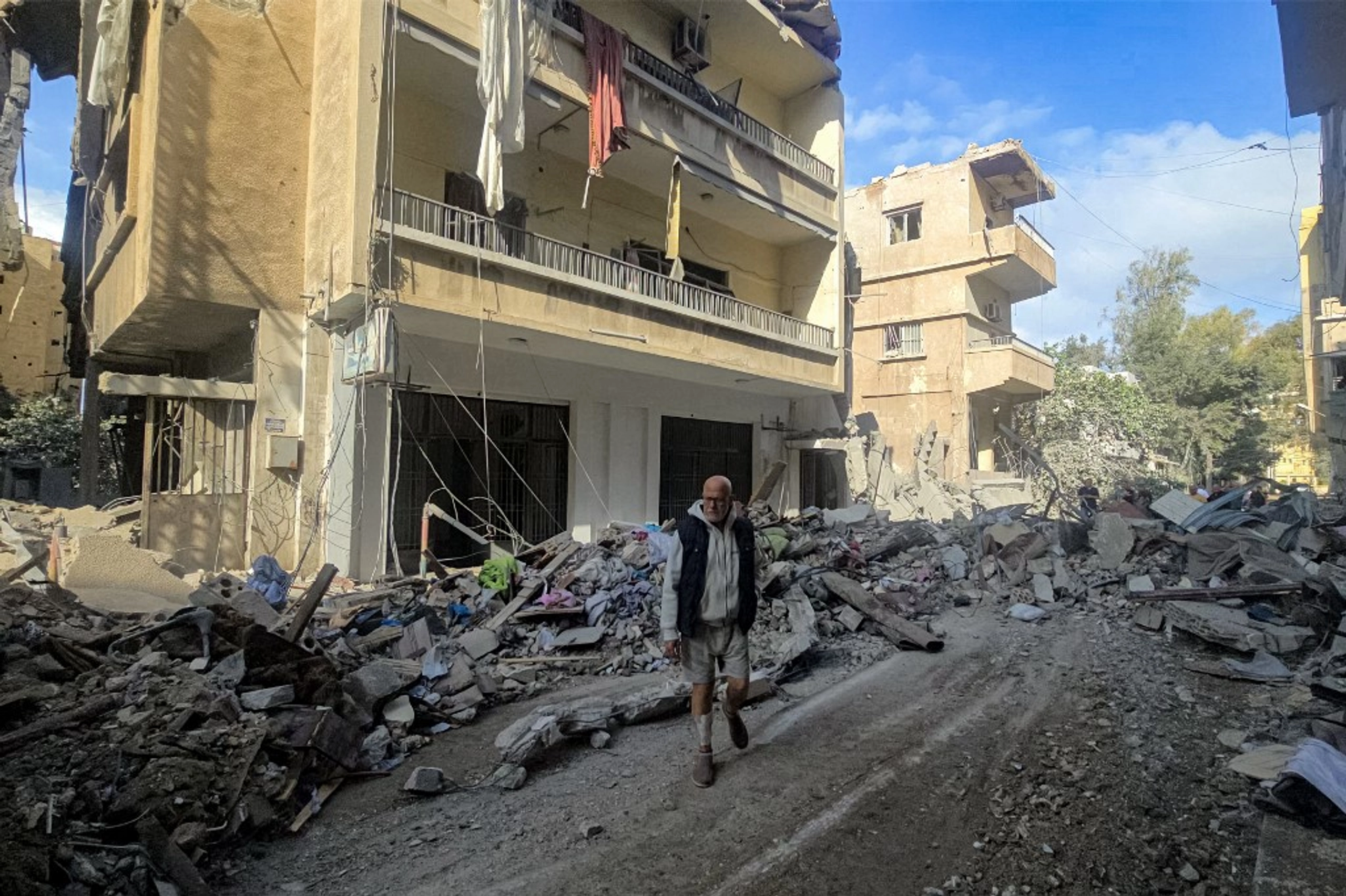
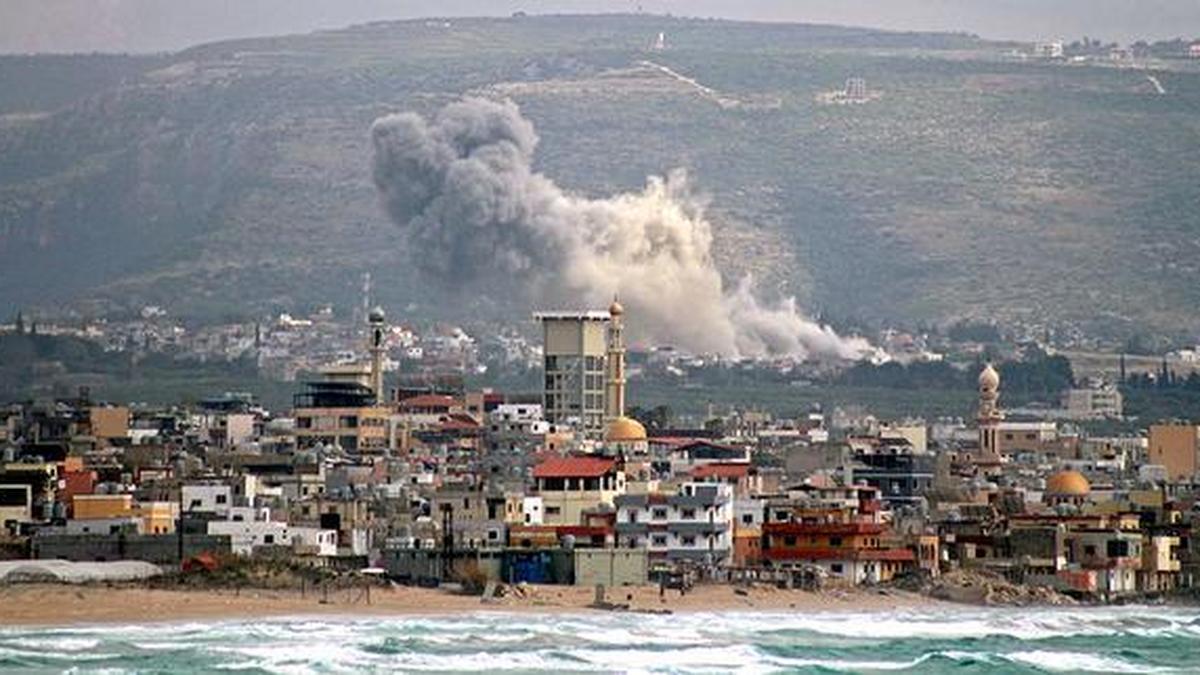
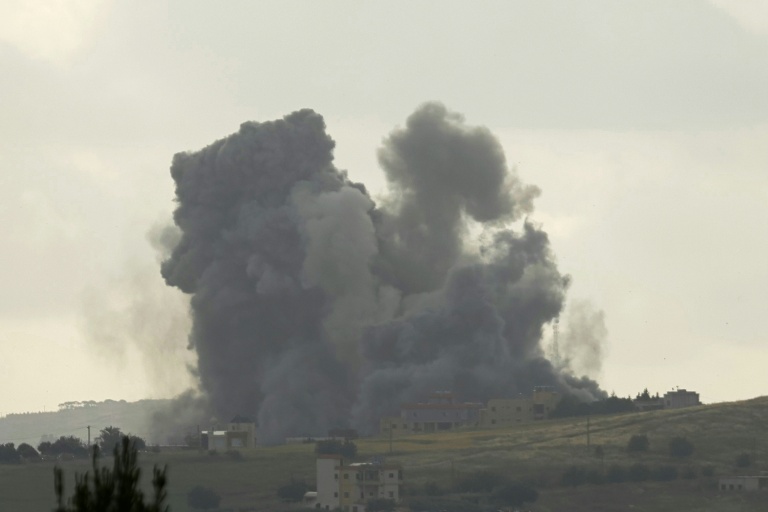
The Strait of Hormuz crisis represents a critical supply chain inflection point for cross-border e-commerce sellers. As of May 2026, Iran's announced toll system for the Strait of Hormuz—through which 21% of global petroleum transits—combined with ongoing US naval blockades, is creating immediate cost pressures on sellers relying on Asia-to-Europe and Asia-to-North America maritime routes. Iraq's oil shipments through the strait collapsed from 93 million barrels to 10 million barrels in April 2026, signaling severe disruption. The USS Gerald R. Ford's 11-month deployment and US military redirection of 78 commercial vessels underscore the operational reality: fuel surcharges are accelerating, and logistics providers are implementing emergency pricing.
For cross-border sellers, the operational impact manifests across three critical dimensions. First, shipping cost volatility: Sellers shipping electronics, apparel, and consumer goods from China, Vietnam, and India to EU/US markets face 8-15% fuel surcharge increases on maritime freight. A typical 40-foot container from Shanghai to Rotterdam (standard Asia-Europe route) costs $3,500-4,200 base freight; fuel surcharges now add $400-600 monthly premiums. Small-to-medium sellers (SMEs) shipping 500-2,000 units monthly absorb $2,000-8,000 in additional monthly logistics costs. Second, route diversification pressure: The UAE's acceleration of Fujairah export capacity signals a strategic bypass of Hormuz, but alternative routes (Suez Canal, longer Indian Ocean passages) add 7-14 days transit time and require renegotiation with 3PL providers. European countries' ongoing negotiations with Iran's Revolutionary Guards navy suggest potential corridor openings, but timelines remain uncertain through Q3 2026. Third, inventory management complexity: The fragile 45-day ceasefire extension between Israel and Lebanon creates planning uncertainty; sellers must balance inventory positioning between safety stock (higher carrying costs) and just-in-time models (higher disruption risk).
Strategic sourcing shifts are already underway. Sellers previously dependent on single-source China manufacturing are accelerating Vietnam and India diversification—countries with alternative maritime routes avoiding Hormuz entirely. However, this transition requires 60-90 days for supplier qualification, tooling adjustments, and quality validation. The ISW analysis indicates Iran may deprioritize toll collection to encourage cooperation from China, suggesting potential negotiation windows for sellers with Chinese suppliers. Simultaneously, visa complications for Iranian sellers and importers (illustrated by Iran's national football team delays obtaining US visas) indicate broader diplomatic friction affecting business travel and direct supplier relationships. The absence of US-Iran diplomatic relations since 1980 continues complicating commercial arrangements for sellers attempting to access Iranian markets or source from Iranian suppliers—a segment representing approximately 2-3% of cross-border e-commerce volume but growing in niche categories (textiles, handicrafts, specialty foods).
Questions 8
How much will Strait of Hormuz disruptions increase my shipping costs?
Sellers shipping from Asia to Europe/North America face 8-15% fuel surcharge increases on maritime freight. A standard 40-foot container from Shanghai to Rotterdam costs $3,500-4,200 base freight; current fuel surcharges add $400-600 monthly premiums. For SMEs shipping 500-2,000 units monthly, this translates to $2,000-8,000 in additional monthly logistics costs. The USS Gerald R. Ford's 11-month deployment and US military redirection of 78 commercial vessels indicate sustained operational pressure through at least Q3 2026. Monitor your 3PL provider's fuel surcharge announcements weekly and consider locking in rates with long-term contracts if available.
Can I still source from or sell to Iran given US sanctions and blockades?
US sanctions and naval blockades severely restrict Iran commerce. The US military reported disabling four vessels and redirecting 78 commercial ships during ongoing blockade operations. Visa complications for Iranian business travelers (illustrated by Iran's national football team delays obtaining US visas) indicate broader diplomatic friction affecting direct supplier relationships. For sellers: (1) avoid sourcing from Iran entirely due to OFAC sanctions compliance risk; (2) Iranian market access is extremely limited—only 2-3% of cross-border e-commerce volume; (3) if you have Iranian customers, use compliant payment processors and document all transactions for OFAC audit trails. Consult legal counsel before any Iran-related commerce.