

Apple's Staggered iPhone 18 Launch Creates 18-Month Accessory Boom | Seller Opportunity
- Extended iPhone 17 sales cycle through spring 2027 opens unprecedented accessory market window; Pro models launch late 2026, base models spring 2027; sellers can capitalize on 120Hz refresh rate, camera upgrades, and new burgundy-coffee color demand



Overview
Apple's historic split-launch strategy for the iPhone 18 series—with Pro models launching late 2026 and base models in spring 2027—creates an 18-month extended sales window for the iPhone 17 that fundamentally reshapes the smartphone accessory market for cross-border sellers. This represents the first time Apple has staggered a flagship release, signaling a strategic pivot toward maximizing revenue from extended product lifecycles rather than annual upgrade cycles. The decision directly stems from Apple's need to extend iPhone 17 sales through critical shopping periods like China's Double 11 festival, stabilize manufacturing amid tariff volatility, and reduce production costs through component reuse across product tiers.
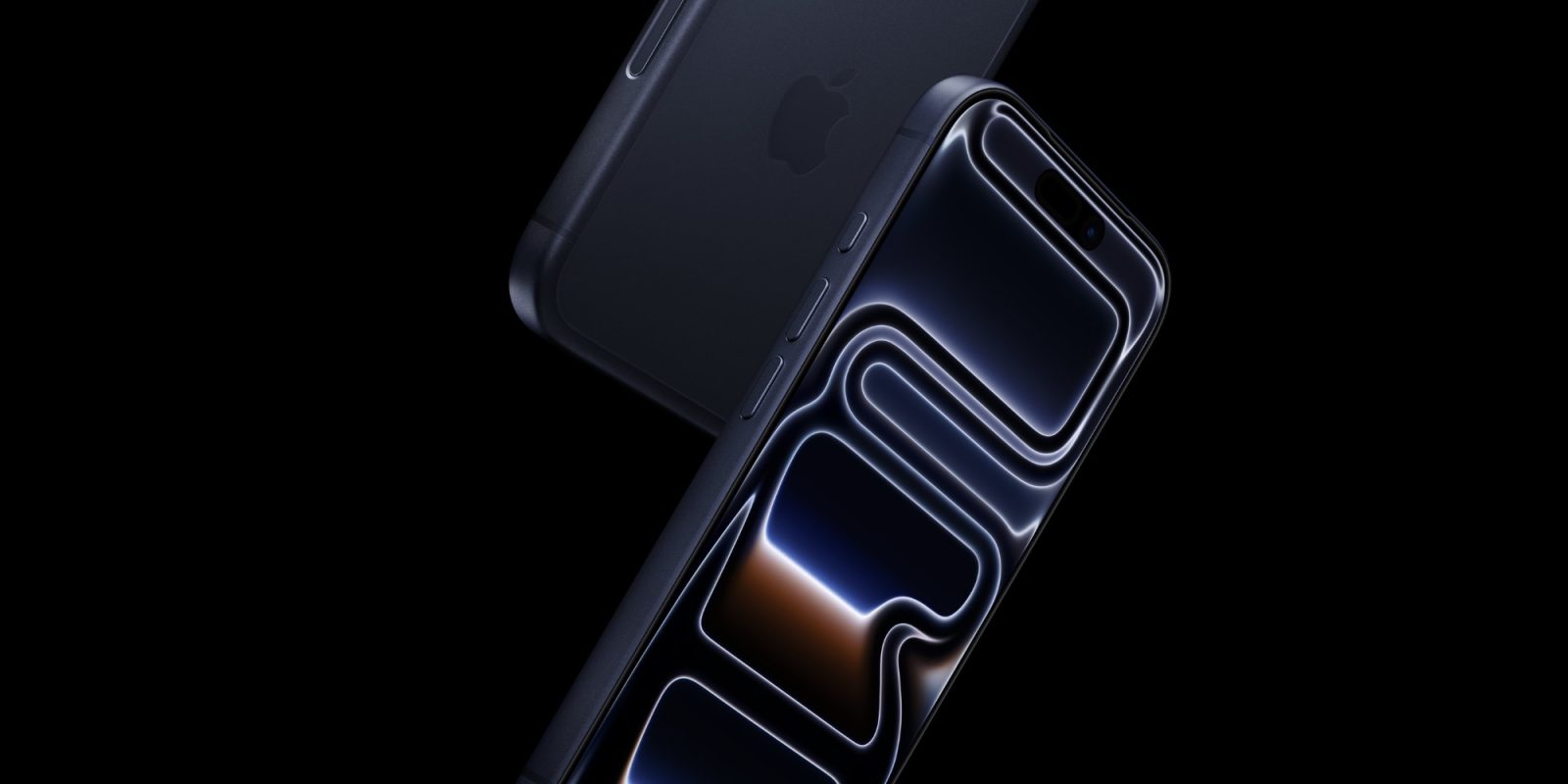
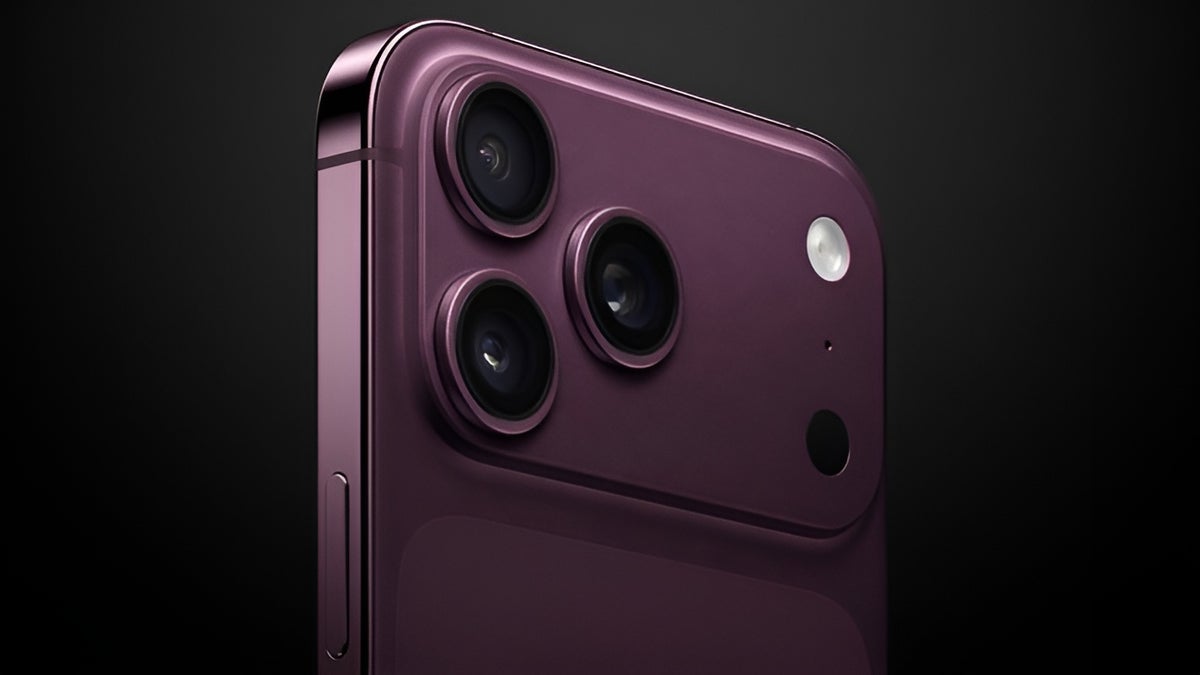
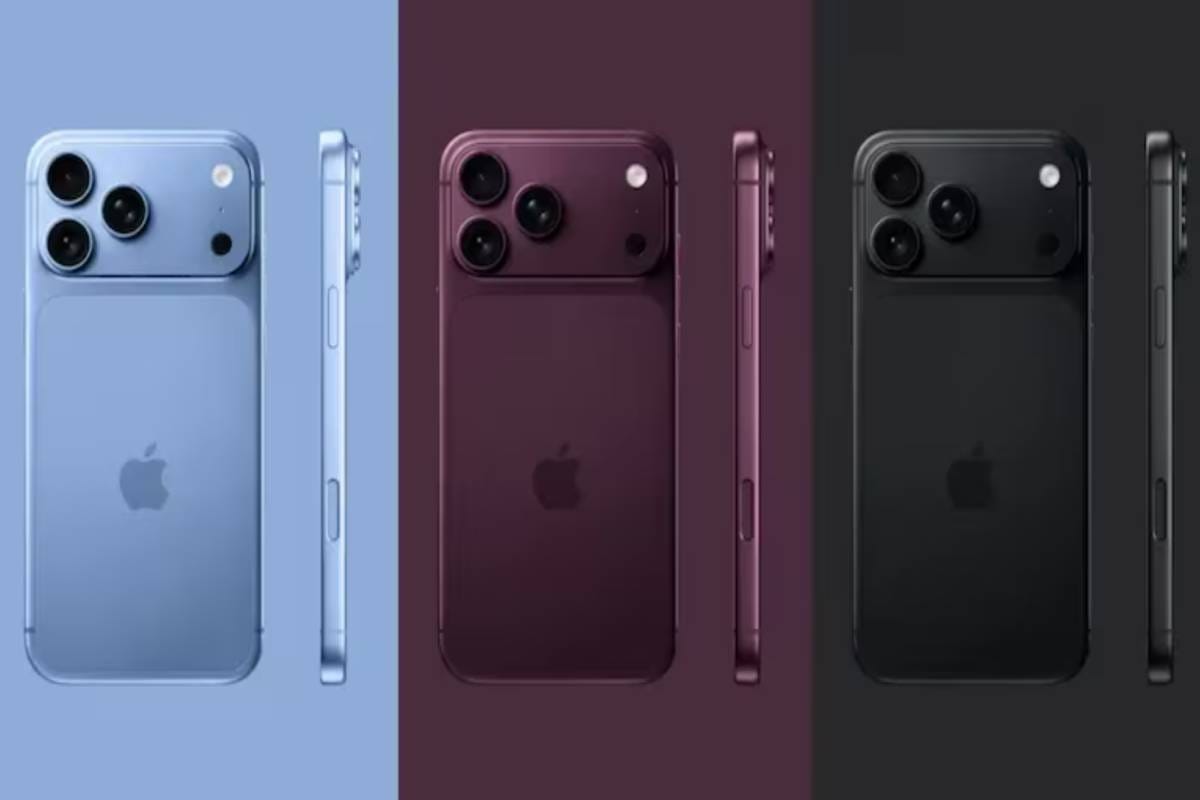
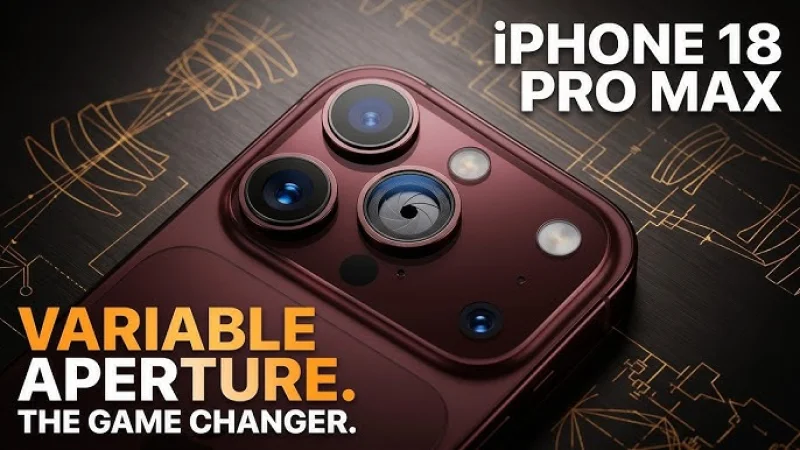
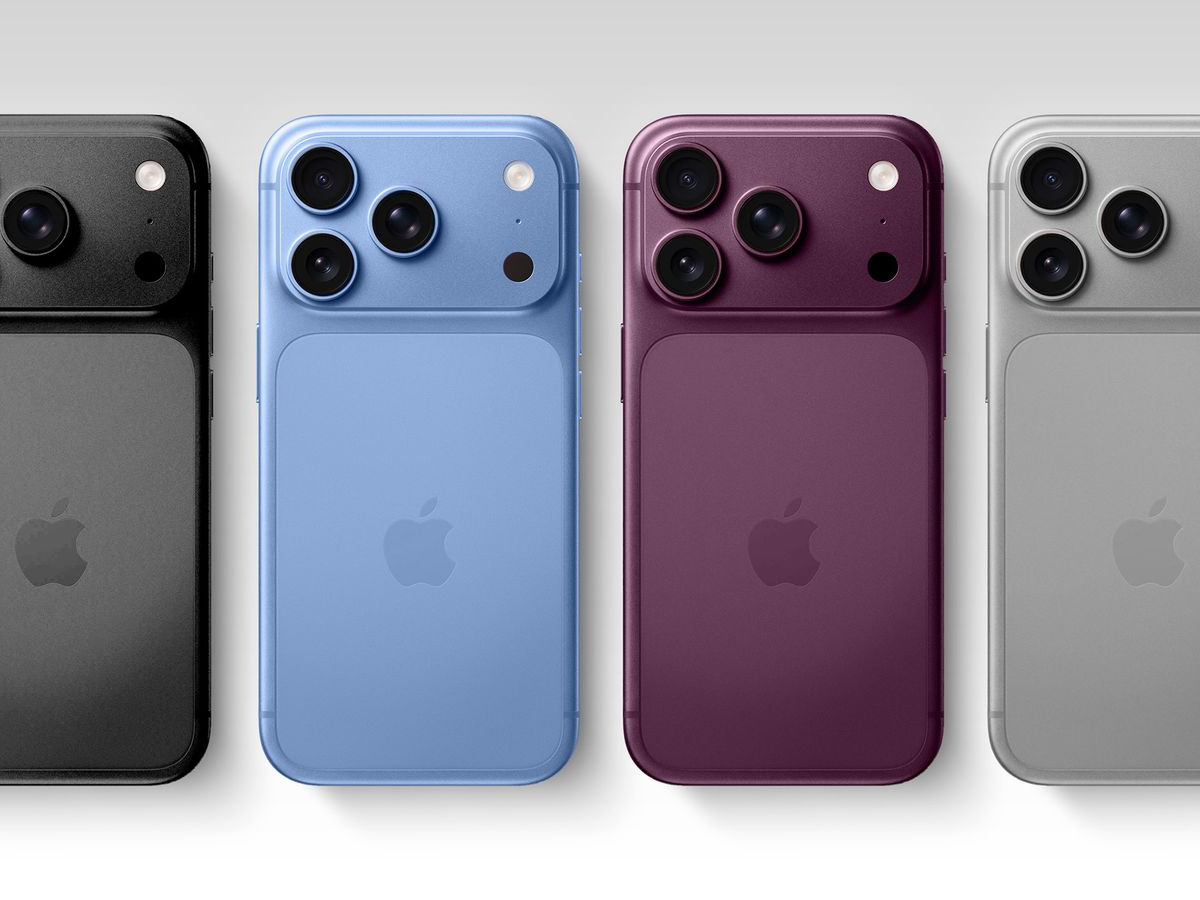
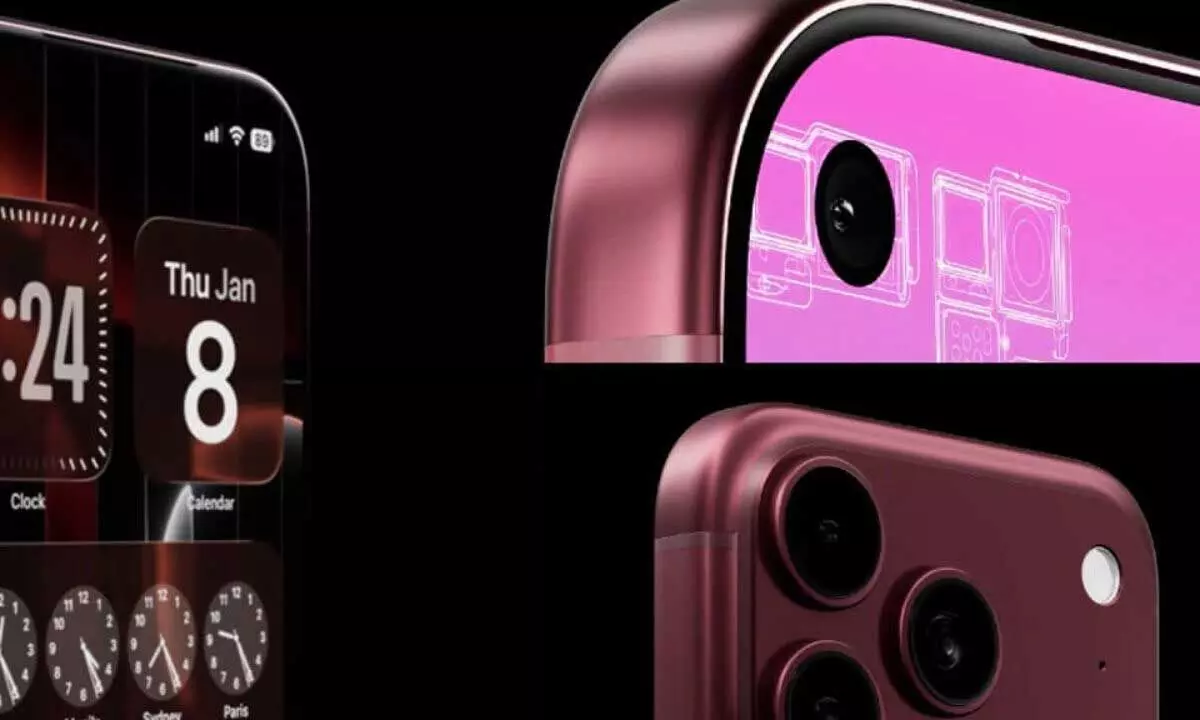
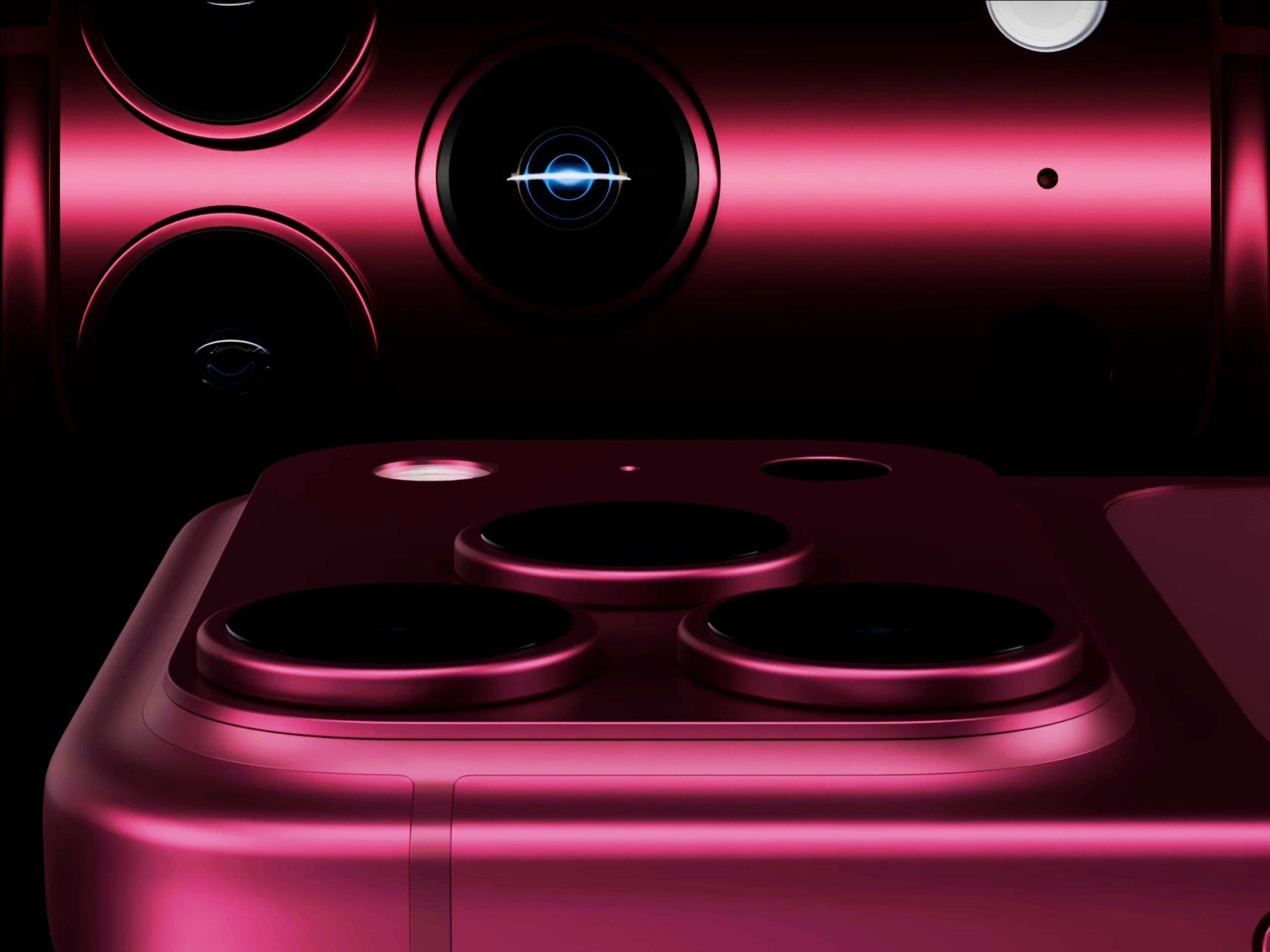
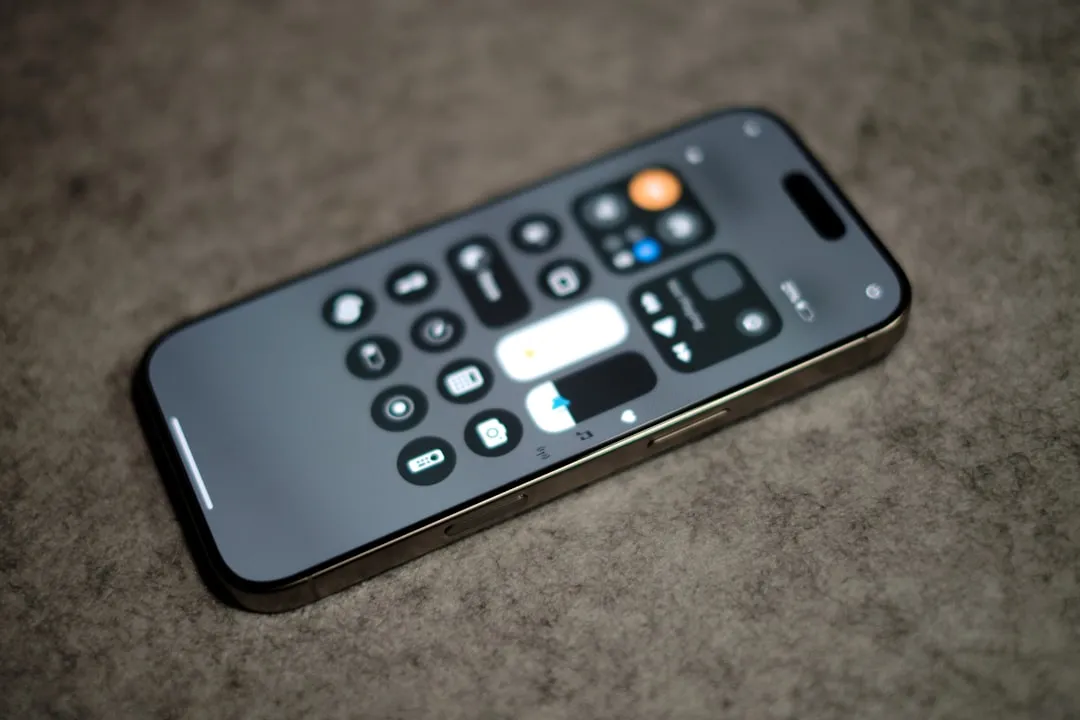
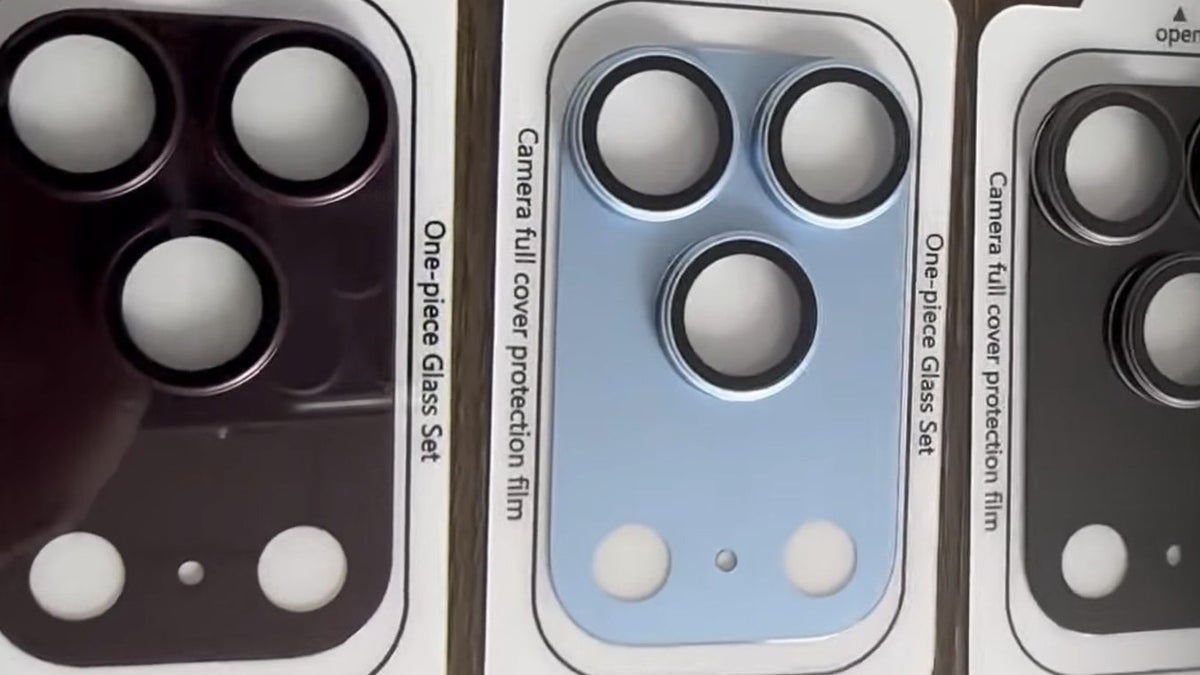
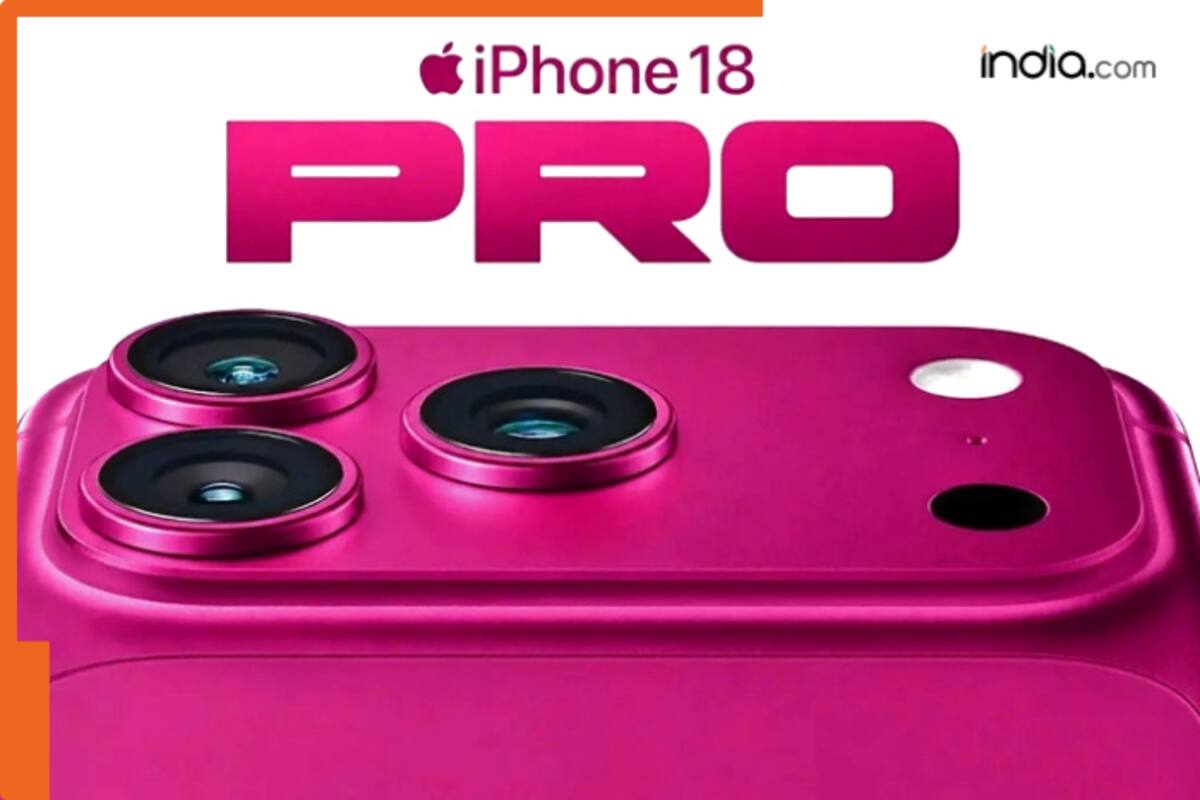
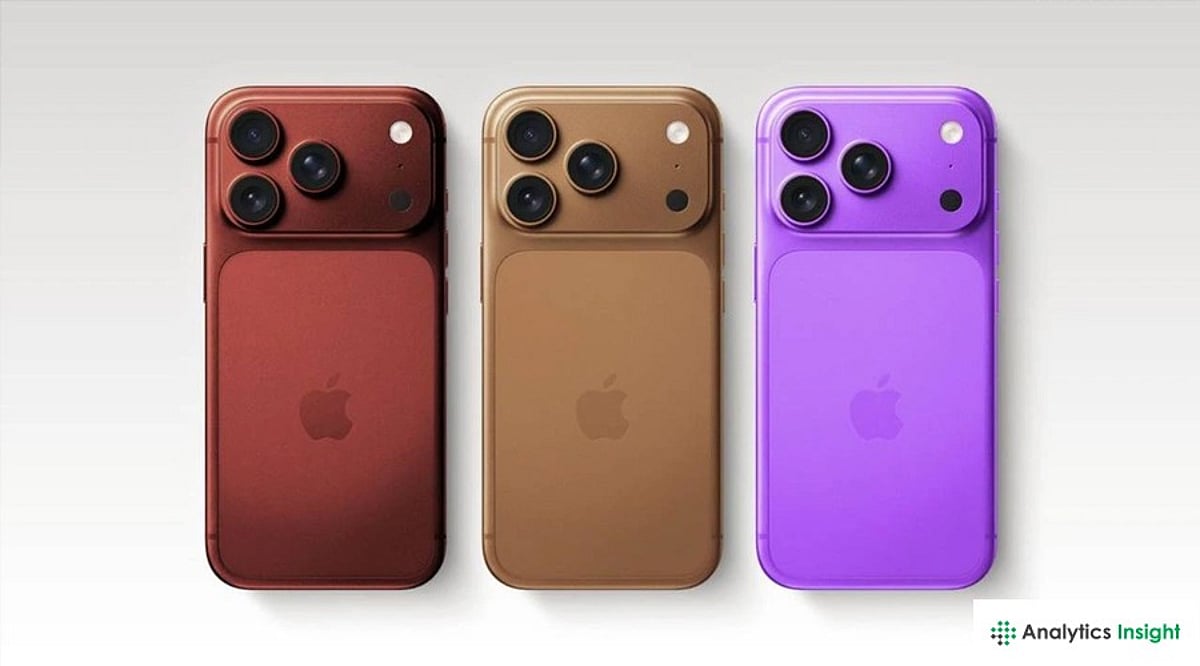
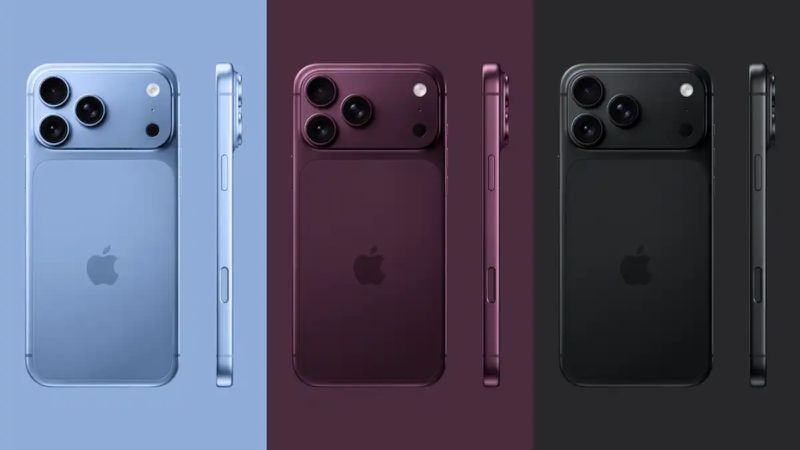
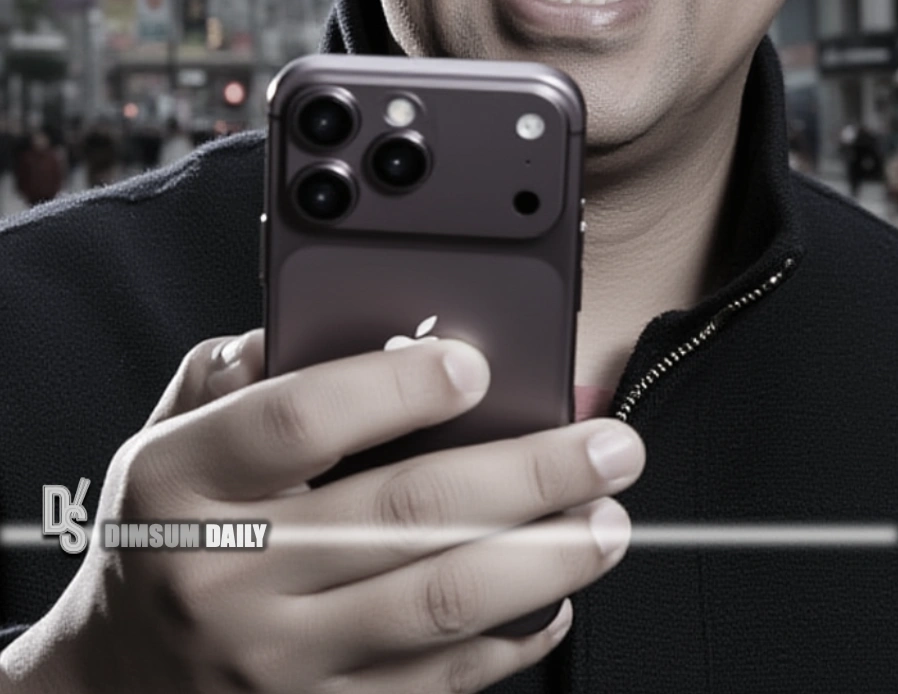
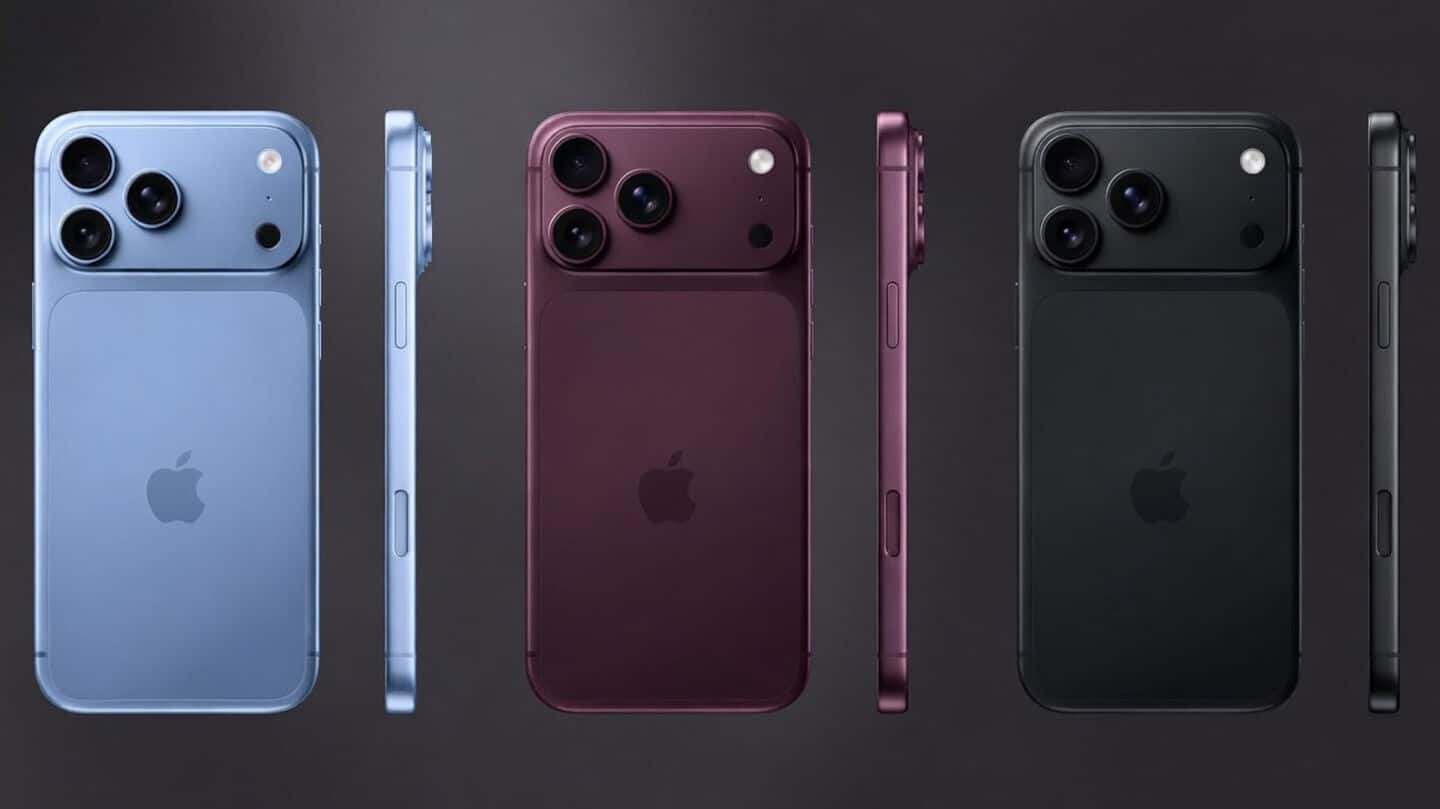
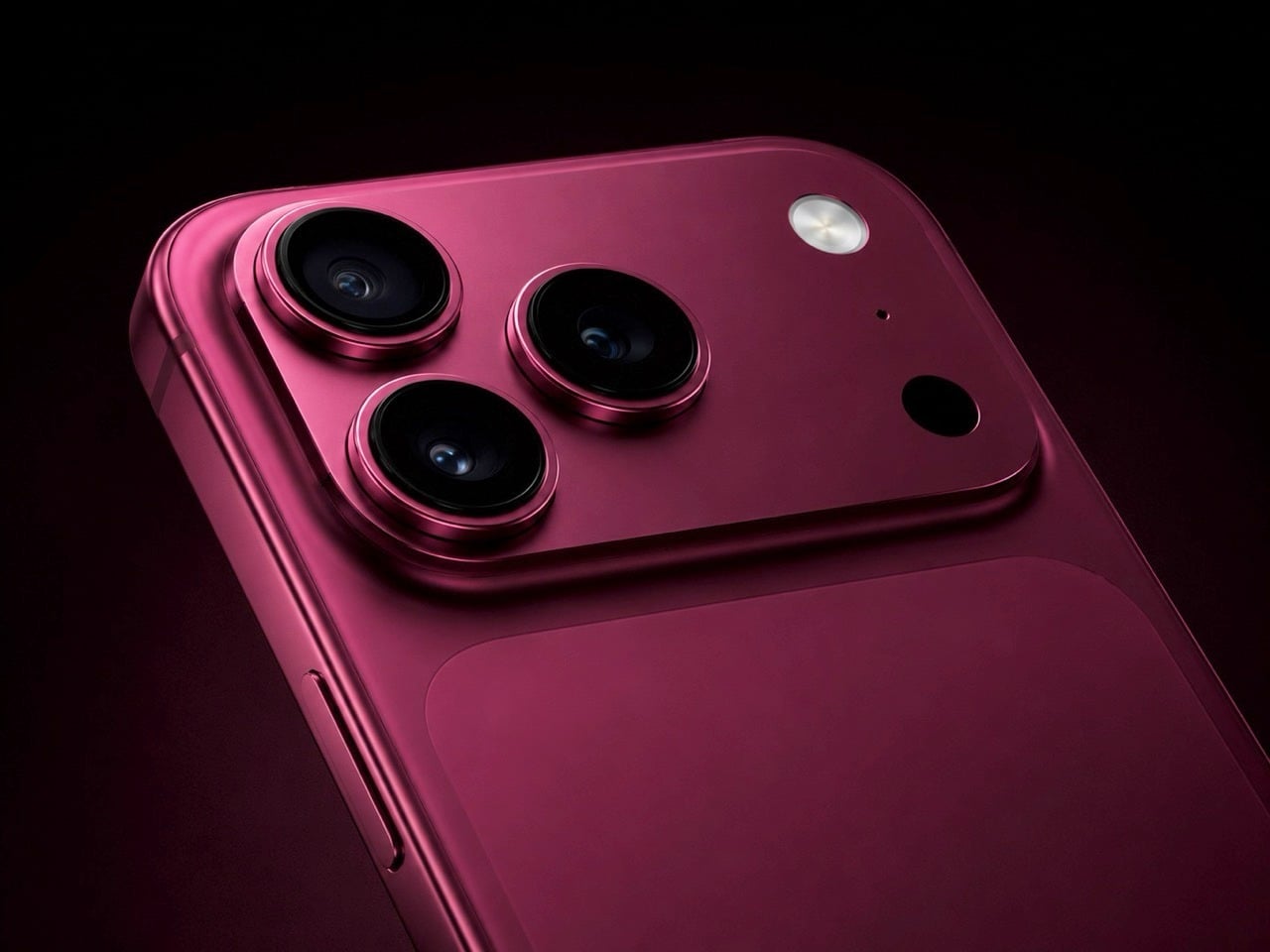
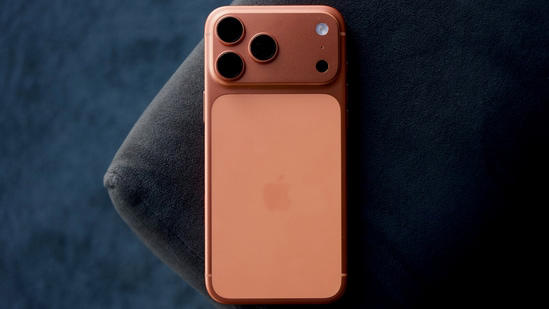
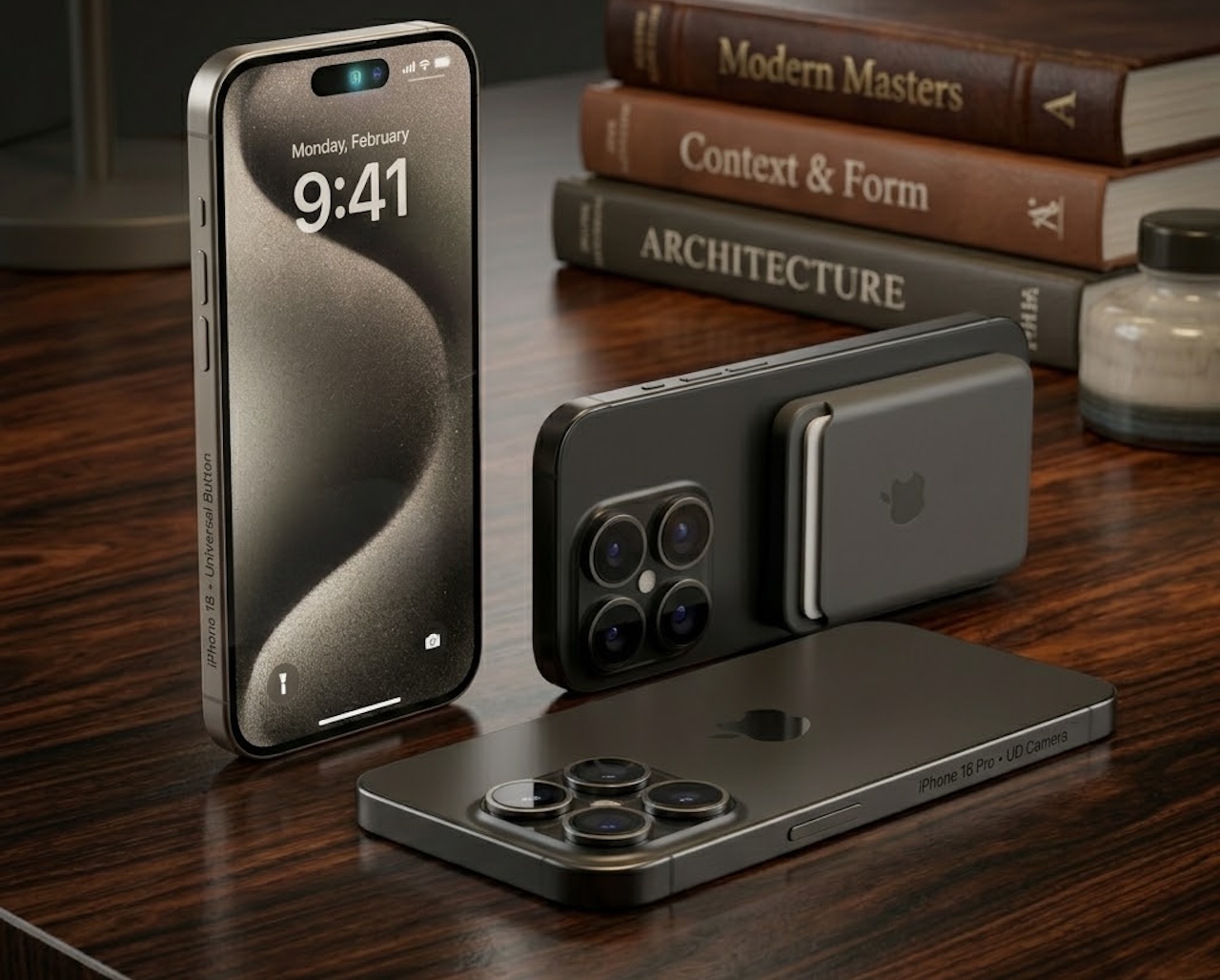
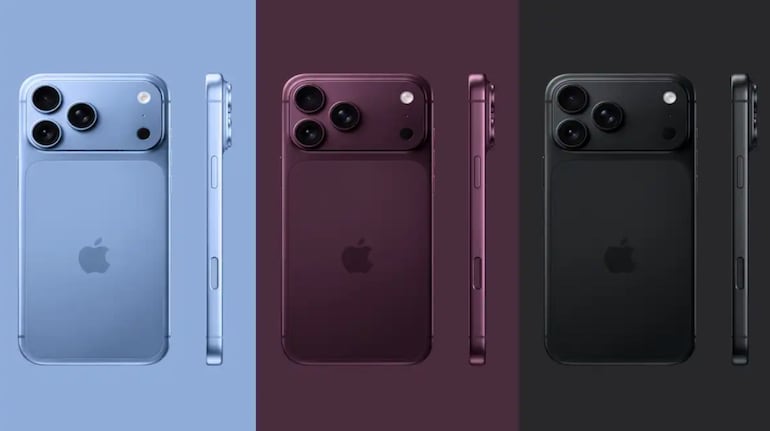
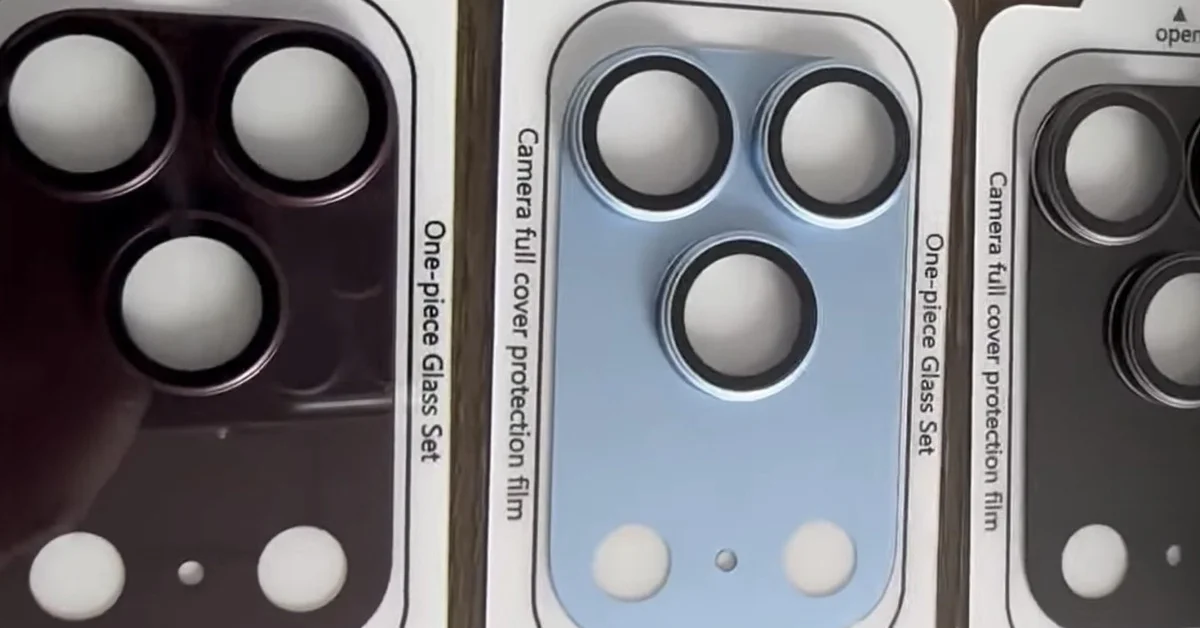
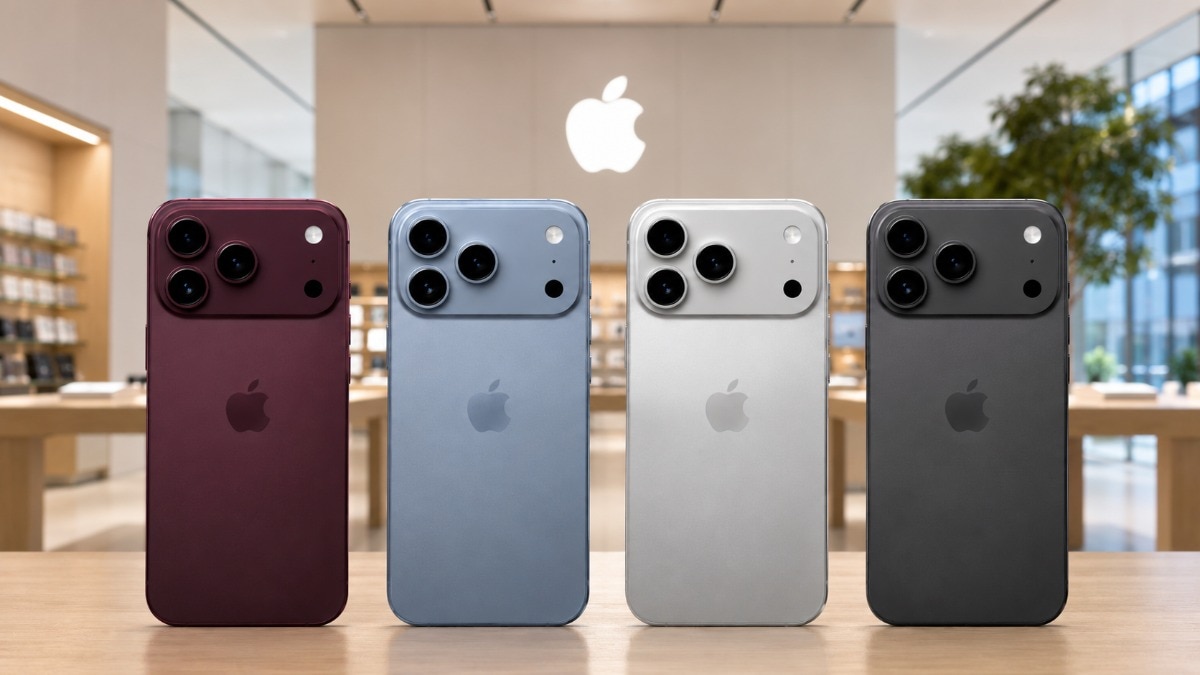
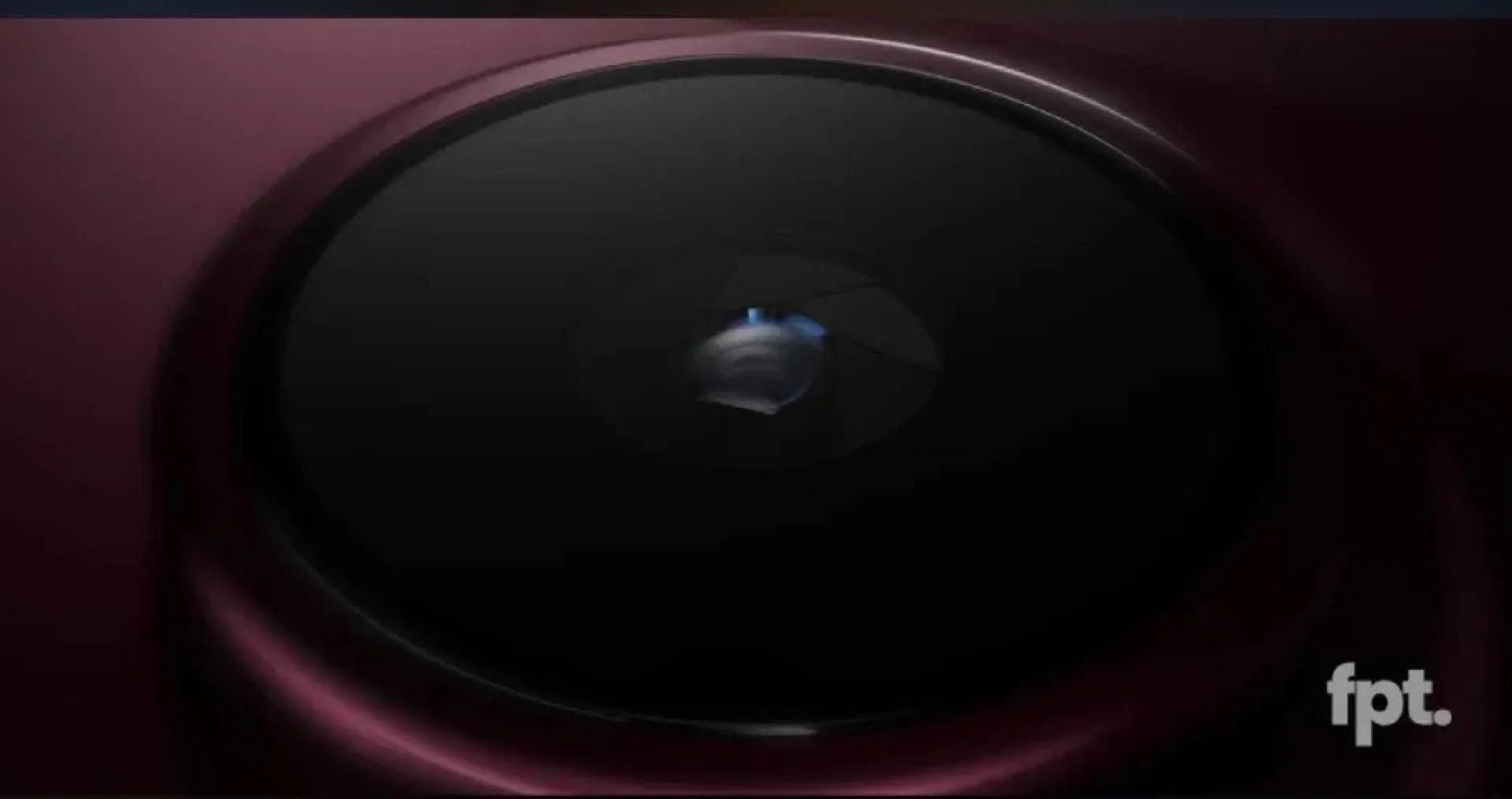
For e-commerce sellers, this creates a dual-market opportunity spanning two distinct consumer segments. The iPhone 17 extended availability (featuring 120Hz refresh rate, expanded storage, and improved camera capabilities) will drive sustained demand for protective cases, screen protectors, charging solutions, and camera lens protectors through spring 2027—a 12+ month window compared to typical 6-month accessory peaks. Simultaneously, the iPhone 18 Pro launch in late 2026 introduces new design elements including a burgundy-coffee-deep purple flagship color, 35% smaller Dynamic Island, variable aperture camera technology, and enhanced battery capacity, creating immediate accessory demand for color-matched cases, new MagSafe mount configurations, and specialized camera protection for advanced telephoto capabilities.
Platform-specific opportunities emerge across Amazon, eBay, and Shopify. Sellers can segment inventory strategy: maintain iPhone 17 accessory stock (cases, screen protectors, charging cables) through Q2 2027 to capture extended lifecycle demand, while simultaneously launching iPhone 18 Pro-specific product lines (premium cases featuring new color options, advanced camera protection, Dynamic Island-optimized accessories) starting Q4 2026. The split-launch timing aligns with major shopping events—China's Double 11 (November), Black Friday/Cyber Monday (November), and Chinese New Year (February)—creating predictable demand spikes across 18 months rather than compressed annual cycles. This extended window reduces inventory risk for smaller sellers while allowing larger 3PL operators to maintain consistent stock rotation without the typical post-launch inventory clearance pressure.
Supply chain implications favor sellers with flexible sourcing. Apple's emphasis on component reuse and stabilized production practices suggests more predictable component availability for accessory manufacturers. Sellers sourcing from Shenzhen, Dongguan, and other Chinese electronics hubs can negotiate longer production runs at lower per-unit costs, improving margins on high-volume items like cases and screen protectors. The extended iPhone 17 lifecycle also reduces competitive pressure from sellers launching iPhone 18-exclusive products, creating a 6-month window (spring 2026 to fall 2026) where iPhone 17 accessories face minimal cannibalization from newer product lines.
Questions 8
How does Apple's split iPhone 18 launch affect accessory seller inventory planning?
Apple's staggered launch—iPhone 18 Pro in late 2026, base models in spring 2027—extends the iPhone 17 sales cycle through spring 2027, creating an 18-month accessory demand window instead of the typical 6-month peak. Sellers should maintain iPhone 17 protective cases, screen protectors, and charging solutions through Q2 2027, while simultaneously launching iPhone 18 Pro-specific products (burgundy-coffee color cases, Dynamic Island accessories, advanced camera lens protectors) starting Q4 2026. This dual-inventory strategy reduces clearance pressure and allows sellers to capture demand across two distinct product cycles without typical post-launch inventory collapse.
When should sellers launch iPhone 18 Pro-specific product lines to maximize sales?
Optimal launch timing is Q3 2026 (July-September), 3 months before the iPhone 18 Pro's late 2026 release. This allows sellers to build inventory, establish product listings, and capture early-adopter demand during the pre-launch hype cycle. The burgundy-coffee-deep purple flagship color and 35% smaller Dynamic Island represent significant design changes that require new case molds and accessory configurations. Sellers should begin sourcing from Chinese manufacturers (Shenzhen, Dongguan) by Q1 2026 to secure production capacity, as competing sellers will simultaneously launch similar products. Early movers can capture 20-30% higher margins before price compression occurs.