

Financial Services Compliance Pressure | $2.25M Settlement Signals Stricter Fee Transparency Standards
- Bank of America settles duplicate ATM fee charges affecting thousands of customers; reveals regulatory trend toward stricter fintech compliance and fee disclosure requirements that will reshape payment processing for e-commerce sellers





Overview
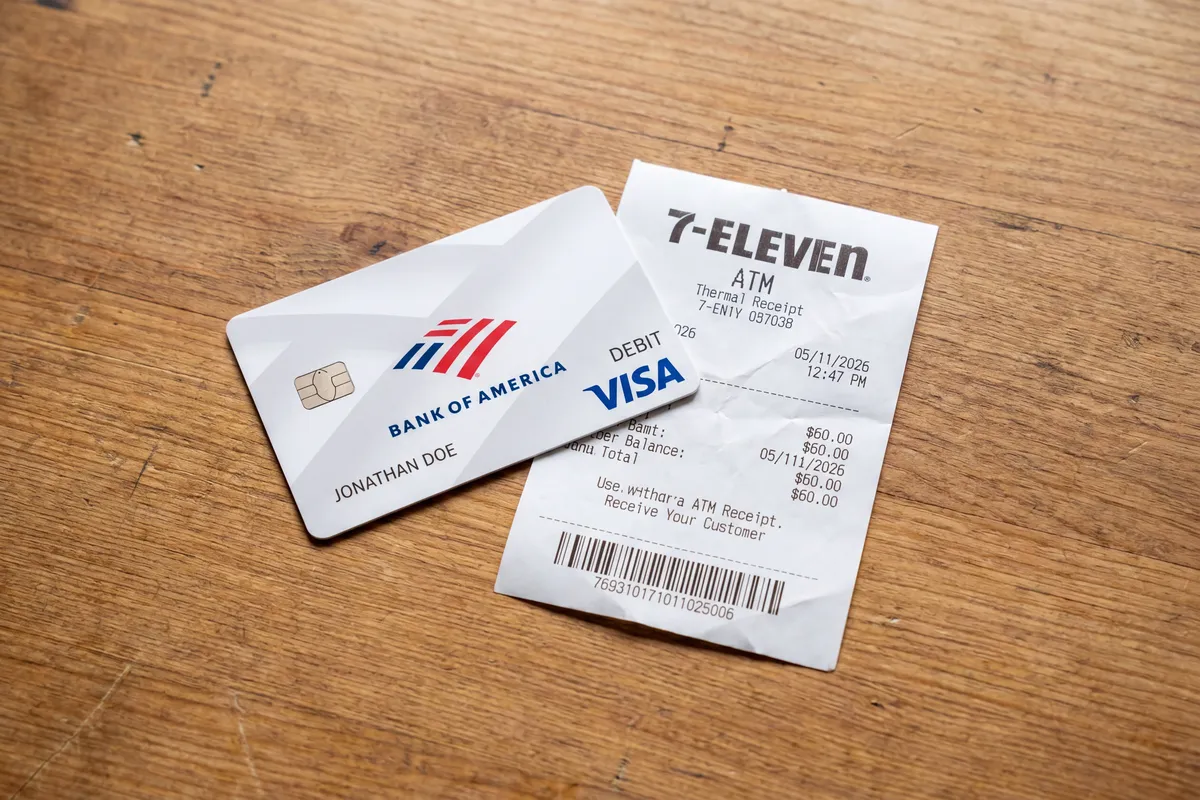
The $2.25 million Bank of America settlement (Schertzer v. Bank of America, Case No. 3:19-cv-00264-DMS-MSB, Southern District of California) represents a critical regulatory inflection point for financial services compliance that directly impacts e-commerce sellers' payment processing infrastructure. Between May 2018 and November 2021, Bank of America charged customers duplicate out-of-network balance inquiry fees at FCTI-owned ATMs in 7-Eleven locations—a billing practice that violated contract terms and triggered class action litigation. Although Bank of America denied wrongdoing, the settlement demonstrates that courts and regulators are aggressively scrutinizing hidden fees and billing transparency, establishing precedent that will reshape how payment processors, fintech platforms, and merchant service providers structure their fee disclosures.
For e-commerce sellers, this settlement signals three critical compliance shifts: First, payment processors and merchant acquirers face heightened liability for opaque fee structures. Sellers using third-party payment gateways (Stripe, Square, PayPal, 2Checkout) must audit their fee disclosures to ensure they match advertised rates—duplicate or hidden charges now carry class action risk. The settlement's proportional distribution model (based on valid claims filed) suggests courts will favor broad class definitions, potentially affecting millions of sellers if similar fee practices are discovered in e-commerce payment processing. Second, the settlement establishes that financial institutions cannot rely on "denied wrongdoing" defenses when billing practices are demonstrably inconsistent with customer agreements. This precedent applies directly to marketplace payment holds, currency conversion fees, and cross-border transaction charges that sellers frequently dispute. Third, the 2026 claim deadline (June 29 for former customers, July 29 in some filings) and August 21 final approval hearing create a template for rapid settlement administration, suggesting future fintech settlements will move faster and affect seller operations more immediately.
The regulatory enforcement intensity is accelerating: This settlement follows the related Weiss v. FCTI settlement (2024), indicating that ATM fee practices are under sustained regulatory scrutiny. For sellers, this means payment processors will face pressure to simplify fee structures, reduce hidden charges, and provide real-time fee transparency. Sellers using merchant cash advances, high-risk payment processors, or international payment gateways should expect increased compliance audits and fee disclosure requirements. The settlement's administration by Kroll Settlement Administration (contact: 833-447-8321) demonstrates that settlement infrastructure is becoming standardized and efficient, enabling faster class action resolution and potentially lower legal barriers for future claims. Sellers should monitor their payment processor agreements for similar fee practices and prepare for potential fee restructuring as processors respond to regulatory pressure.
Questions 8
What compliance risks do sellers face with their current payment processors?
The settlement reveals that payment processors can be held liable for billing practices that contradict customer agreements, even when they deny wrongdoing. Sellers using merchant cash advances, high-risk payment processors, or international payment gateways should expect increased compliance audits. Key risk areas include: (1) undisclosed currency conversion markups on cross-border transactions, (2) payment holds that aren't clearly disclosed in merchant agreements, (3) chargeback fees that exceed industry standards, and (4) subscription-based fee structures that aren't transparently communicated. The settlement's August 21, 2026 final approval date suggests regulatory enforcement will accelerate, making fee transparency a critical compliance priority for sellers in 2025-2026.
How does the Bank of America ATM fee settlement affect e-commerce sellers' payment processing?
The $2.25 million settlement establishes legal precedent that financial institutions face class action liability for duplicate or hidden fees in payment processing. For e-commerce sellers, this means payment processors (Stripe, Square, PayPal) will face increased regulatory scrutiny of their fee structures, including transaction fees, currency conversion charges, and payment hold practices. Sellers should audit their merchant service agreements to identify any fees that don't match advertised rates, as similar class actions could target e-commerce payment gateways. The settlement's proportional distribution model suggests future fintech settlements could affect millions of sellers if hidden fees are discovered in their payment processing chains.