



Middle East Conflict Escalation May 2026 | Cross-Border Seller Risk Assessment
- Geopolitical tensions threaten supply chains and consumer demand in MENA region; 850+ Palestinian casualties since October 2025 ceasefire collapse signals market volatility for sellers







Overview
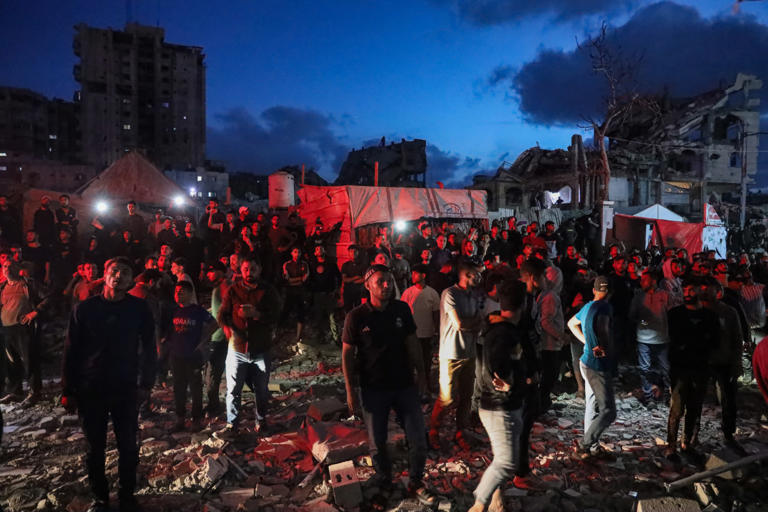
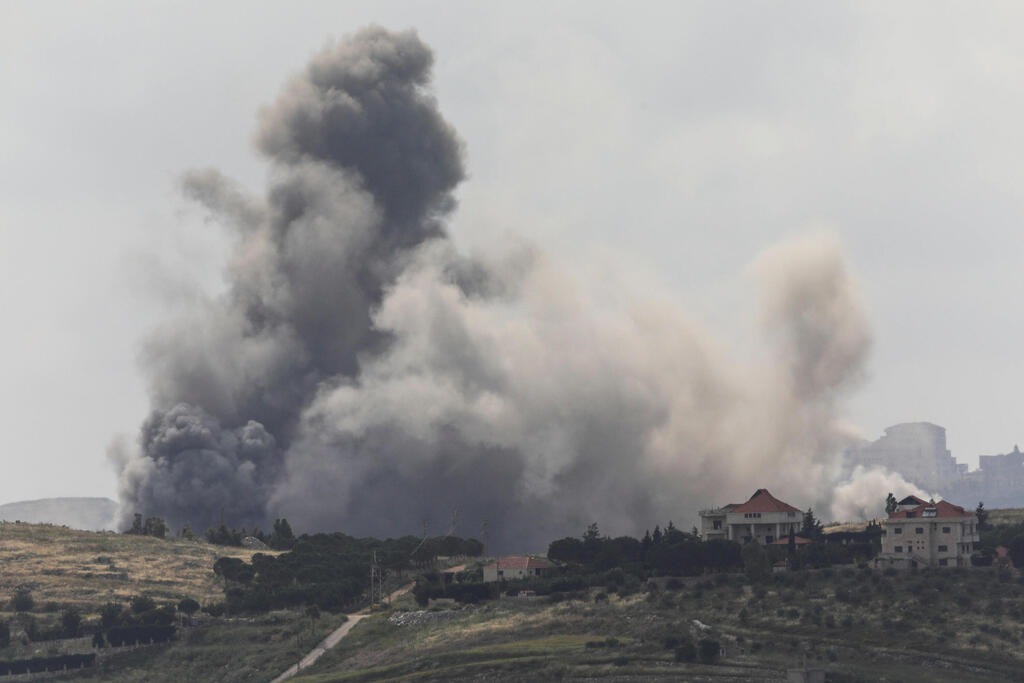
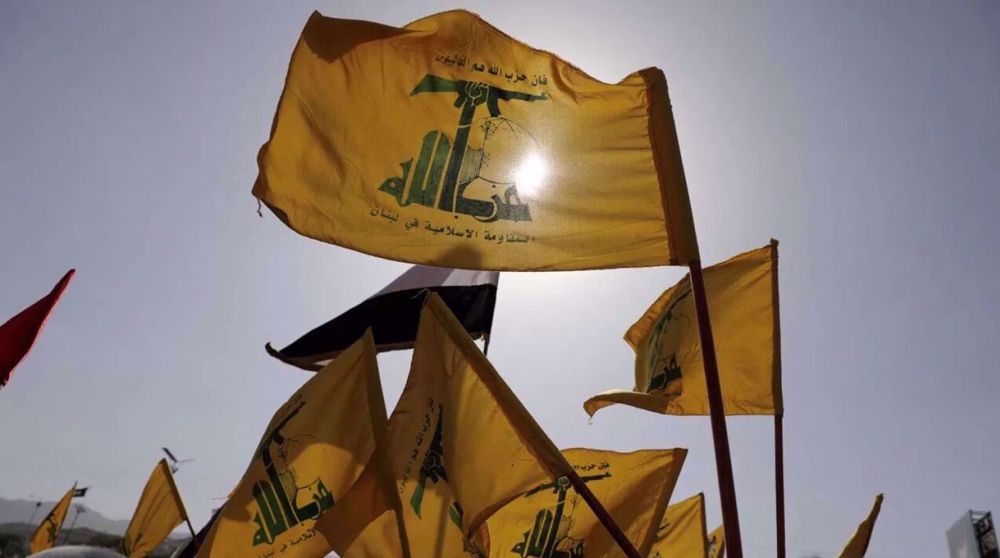
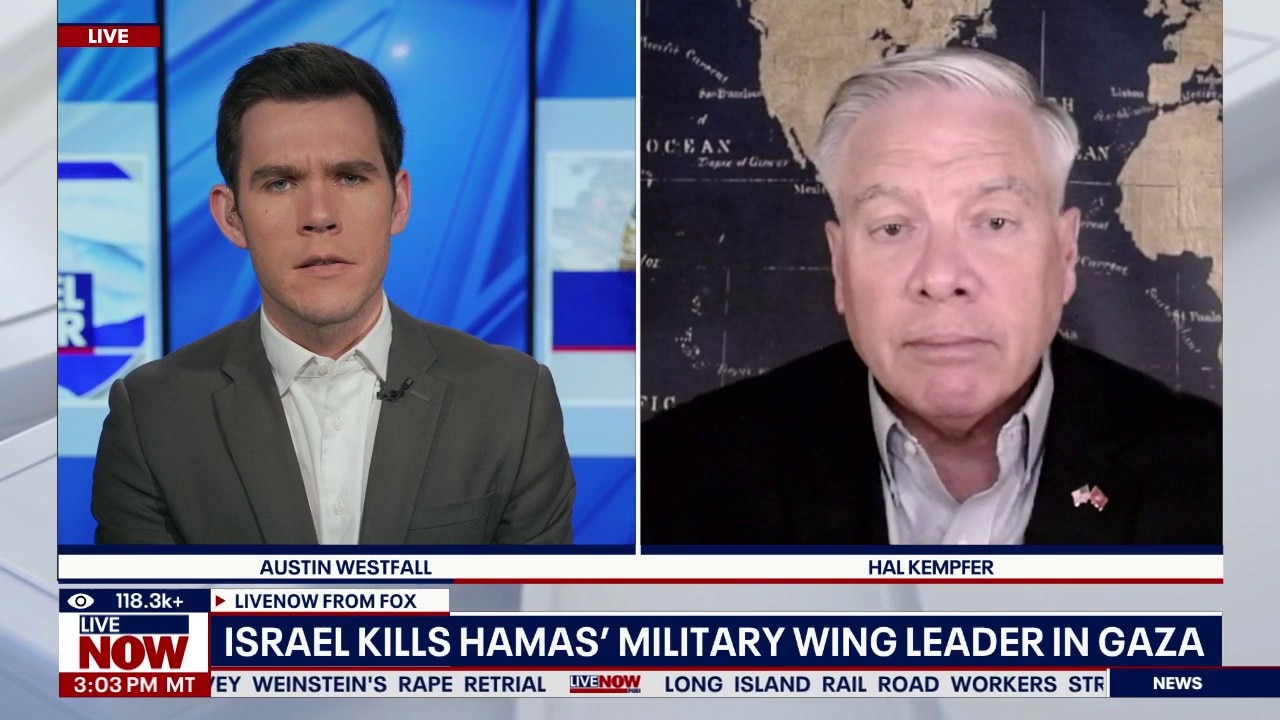
The May 16, 2026 killing of Hamas military leader Izz al-Din al-Haddad in a Gaza airstrike represents a critical escalation in Middle East conflict despite a U.S.-backed ceasefire framework that began in October 2025. The strike, which killed Haddad along with his wife and 19-year-old daughter, followed additional Saturday operations near Al Shifa Hospital and Jabalia refugee camp that killed at least three more Palestinians. Since the ceasefire's collapse, approximately 850 Palestinians have been killed in Israeli strikes while four Israeli soldiers were killed by militants—demonstrating the fragility of peace agreements in the region.
For cross-border e-commerce sellers, this escalation creates multifaceted operational and market risks. The MENA region represents a $45-50B annual e-commerce market with significant growth potential, but geopolitical instability directly impacts logistics infrastructure, consumer purchasing power, and regulatory compliance. Sellers with supply chains routing through Middle Eastern ports (particularly Jebel Ali in Dubai and Port Said in Egypt) face potential shipping delays, increased insurance costs (typically 2-4% premium increases during conflict periods), and customs clearance complications. The region's 400M+ population includes substantial consumer bases in UAE, Saudi Arabia, and Egypt—markets where political instability historically reduces discretionary spending by 15-25% during conflict escalations.
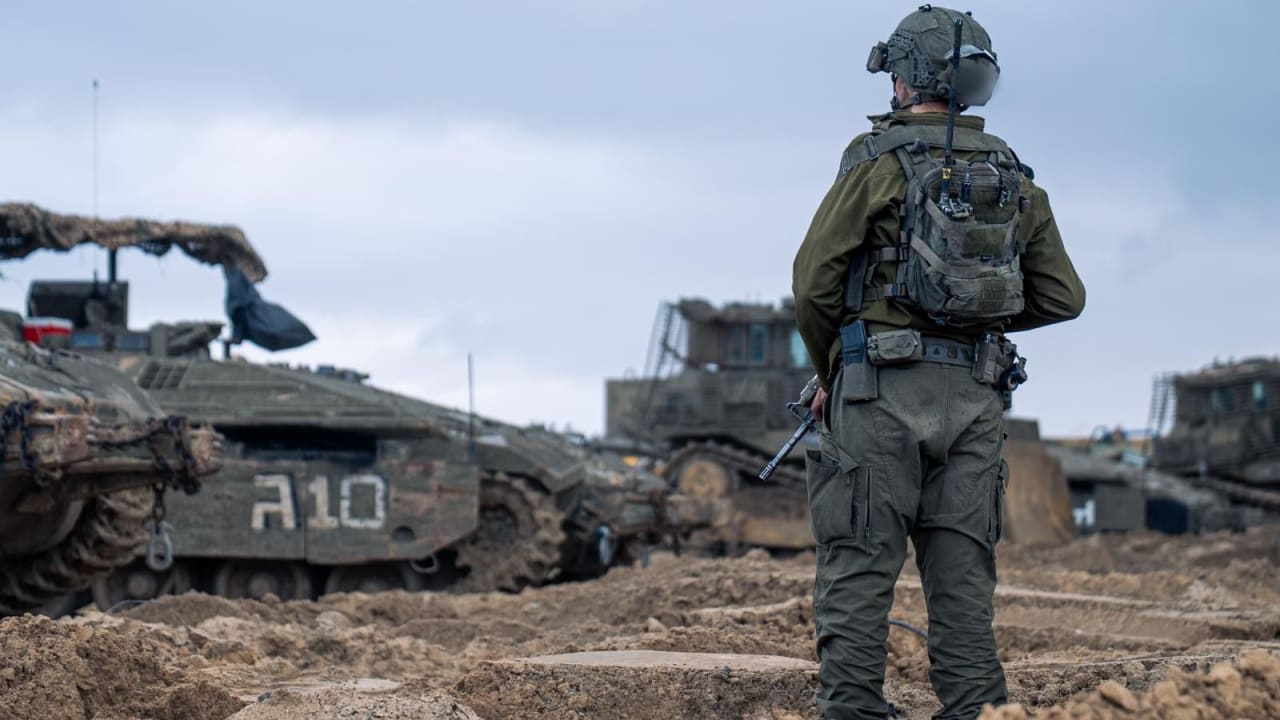
The ongoing indirect negotiations regarding U.S. President Donald Trump's post-war plan for Gaza introduce additional uncertainty. Israel's intensified military operations following the pause in joint U.S. bombing operations signal potential for further escalation, which could trigger supply chain disruptions affecting electronics, textiles, and consumer goods manufactured in or transiting through the region. Sellers sourcing products from Turkey, India, or Southeast Asia who rely on Suez Canal routing face heightened geopolitical risk premiums. Additionally, consumer sentiment in MENA markets typically shifts toward essential goods (food, hygiene, safety products) during conflict periods, while demand for discretionary items (fashion, electronics, home goods) contracts significantly.
The killing of a senior Hamas commander suggests continued Israeli military targeting of Palestinian leadership, indicating this conflict phase may extend beyond immediate ceasefire frameworks. Sellers should monitor shipping route alternatives, evaluate 3PL provider stability in the region, and prepare inventory adjustments for potential demand shifts in MENA consumer markets. Currency volatility in Israeli shekel, Palestinian Authority markets, and regional currencies may also impact pricing strategies and payment processing for sellers operating in these zones.
Questions 8
What consumer demand shifts should sellers expect in MENA markets during conflict?
Historical data shows discretionary spending (fashion, electronics, home goods) contracts 15-25% during Middle East conflict escalations, while essential categories (food, hygiene, safety products, medical supplies) see 20-40% demand increases. The 400M+ MENA population includes significant consumer bases in UAE, Saudi Arabia, and Egypt where purchasing power is sensitive to political instability. Sellers should prepare inventory adjustments: reduce fashion/luxury SKUs by 20-30%, increase essential goods allocation, and monitor currency volatility in Israeli shekel and regional currencies affecting payment processing and pricing strategies.
How does Middle East conflict escalation affect cross-border seller supply chains?
The May 2026 Gaza escalation directly impacts sellers using Suez Canal routes and MENA-based logistics hubs. Shipping delays typically increase 5-15 days during conflict periods, while insurance premiums rise 2-4% for routes through the region. Sellers sourcing from Turkey, India, or Southeast Asia who rely on Egypt's Port Said or Dubai's Jebel Ali face heightened customs scrutiny and potential rerouting costs of $500-2,000 per container. Monitor your 3PL provider's contingency plans and consider alternative routing through Cape of Good Hope (adds 10-14 days but reduces geopolitical risk).