



PPE & Medical Supply Surge Opportunity | Bundibugyo Ebola Crisis Drives Global Demand
- WHO declares PHEIC with 336+ suspected cases; PPE manufacturing gaps create $500M+ cross-border opportunity for sellers in protective equipment, medical devices, and healthcare logistics categories





/department-of-communications-(dco)/digital-social-visual-(dsv)/who-logo-at-headquarters.jpg?sfvrsn=34ba81d2_10)















Overview
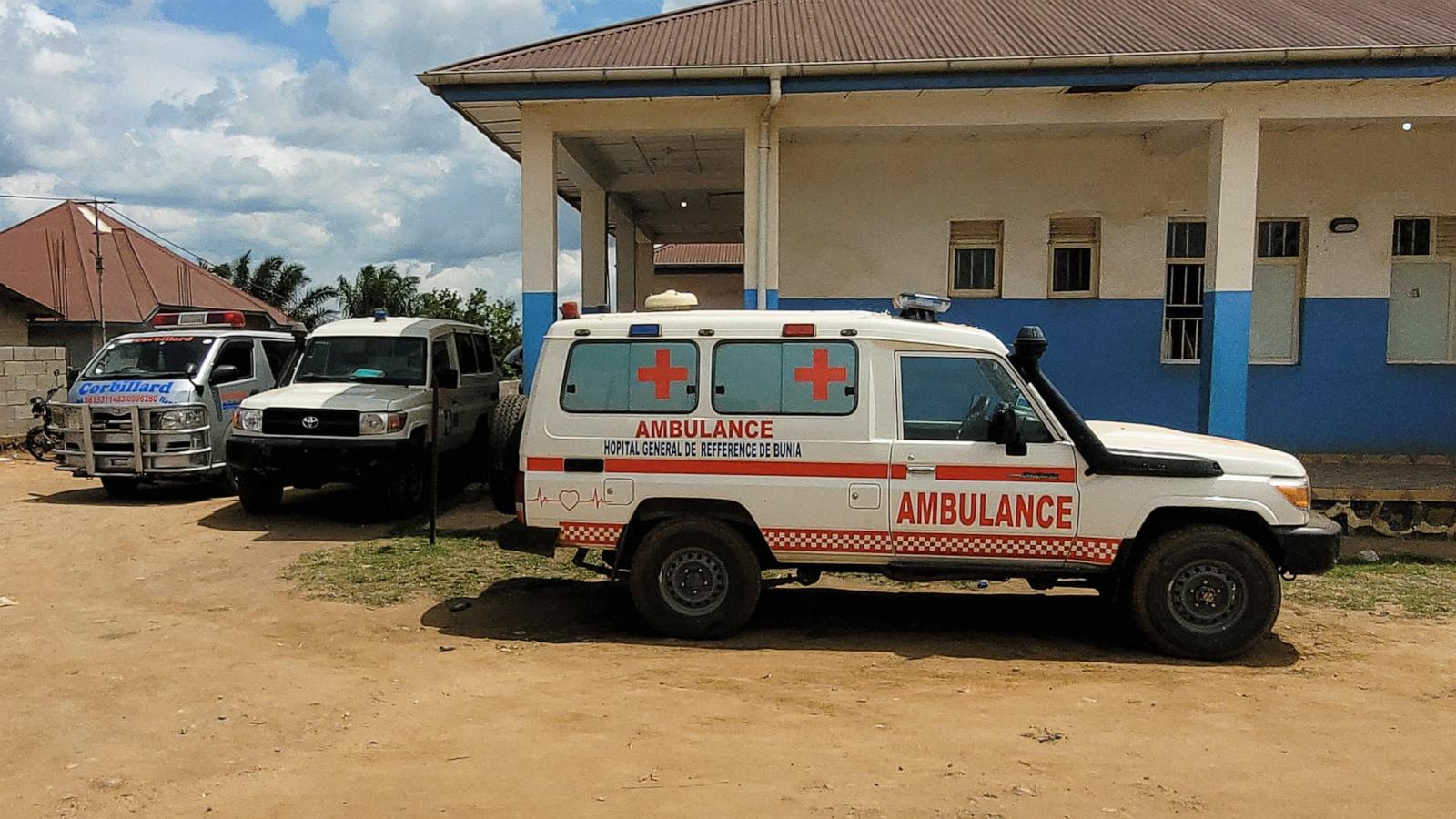
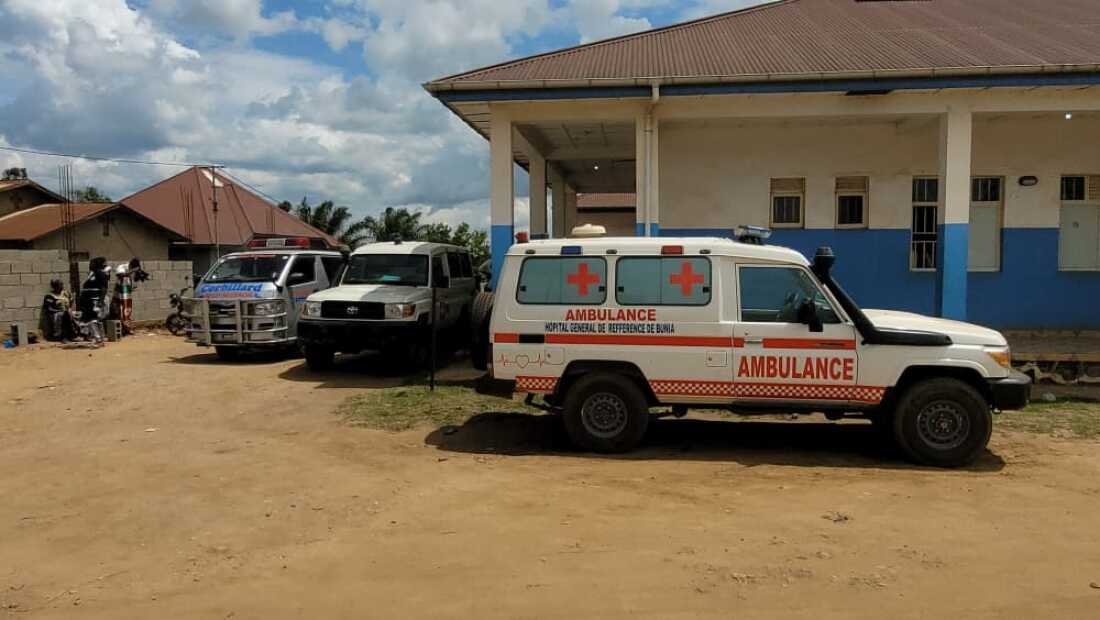
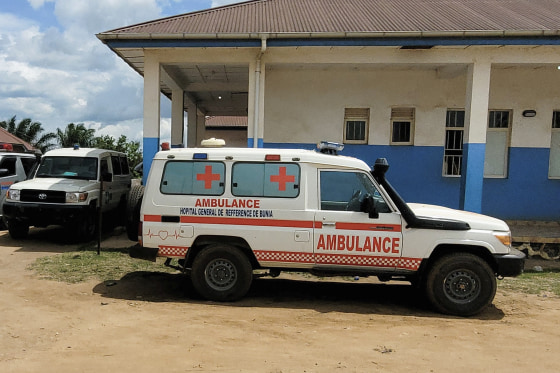
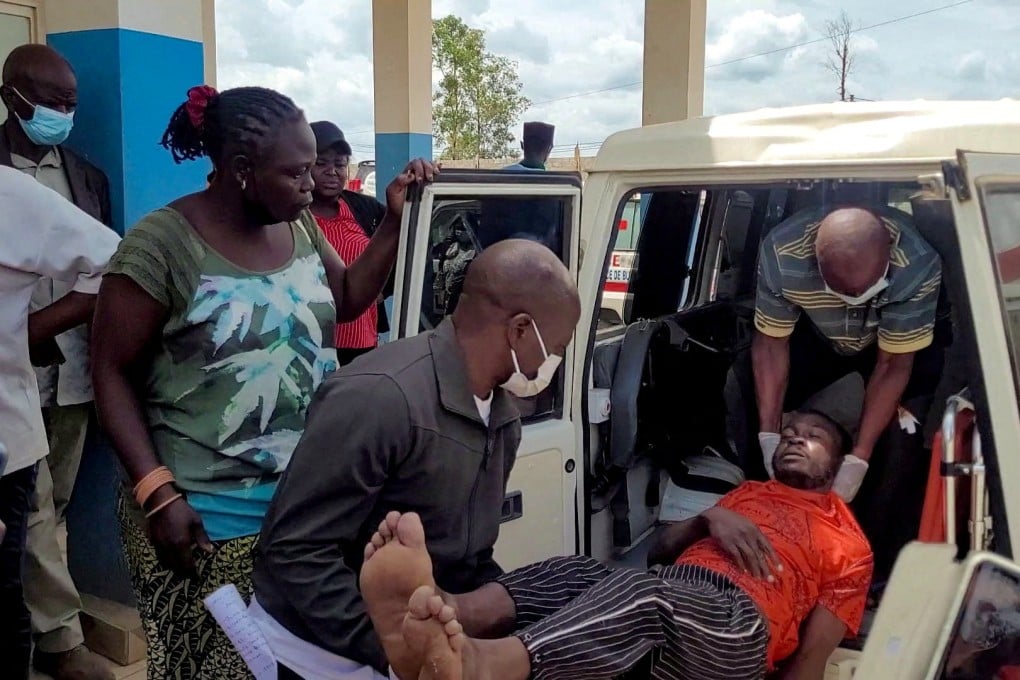
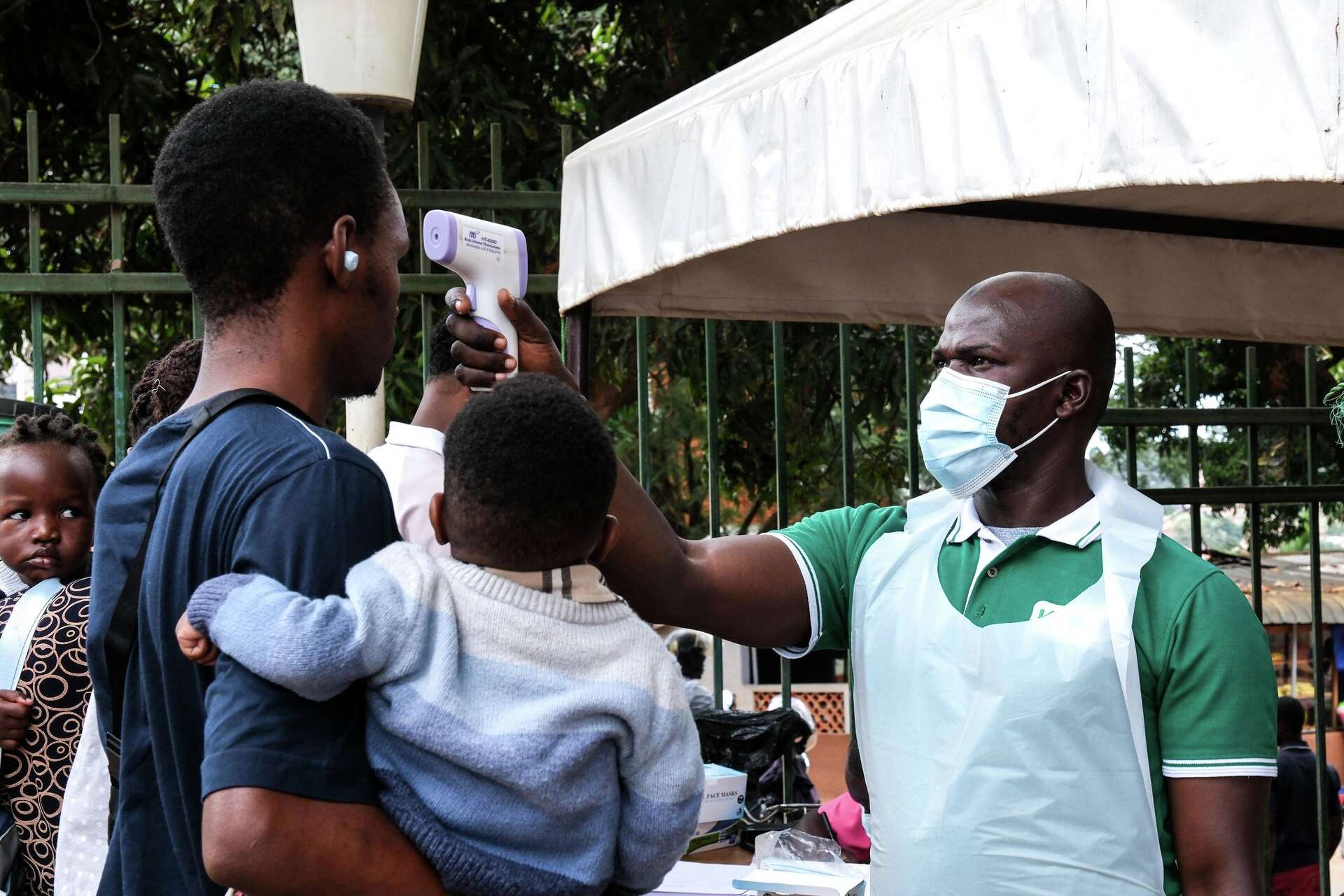
The WHO's May 16, 2026 declaration of a Public Health Emergency of International Concern (PHEIC) for the Bundibugyo Ebola outbreak in DRC and Uganda (87-90 confirmed deaths, 336 suspected cases) signals an immediate surge in global demand for personal protective equipment (PPE), medical supplies, and healthcare logistics solutions. Dr. Jean Kaseya of the Africa CDC explicitly highlighted "significant challenges in PPE manufacturing and funding constraints," creating a critical supply gap that cross-border e-commerce sellers can address through Amazon, eBay, Shopify, and specialized B2B medical marketplaces.
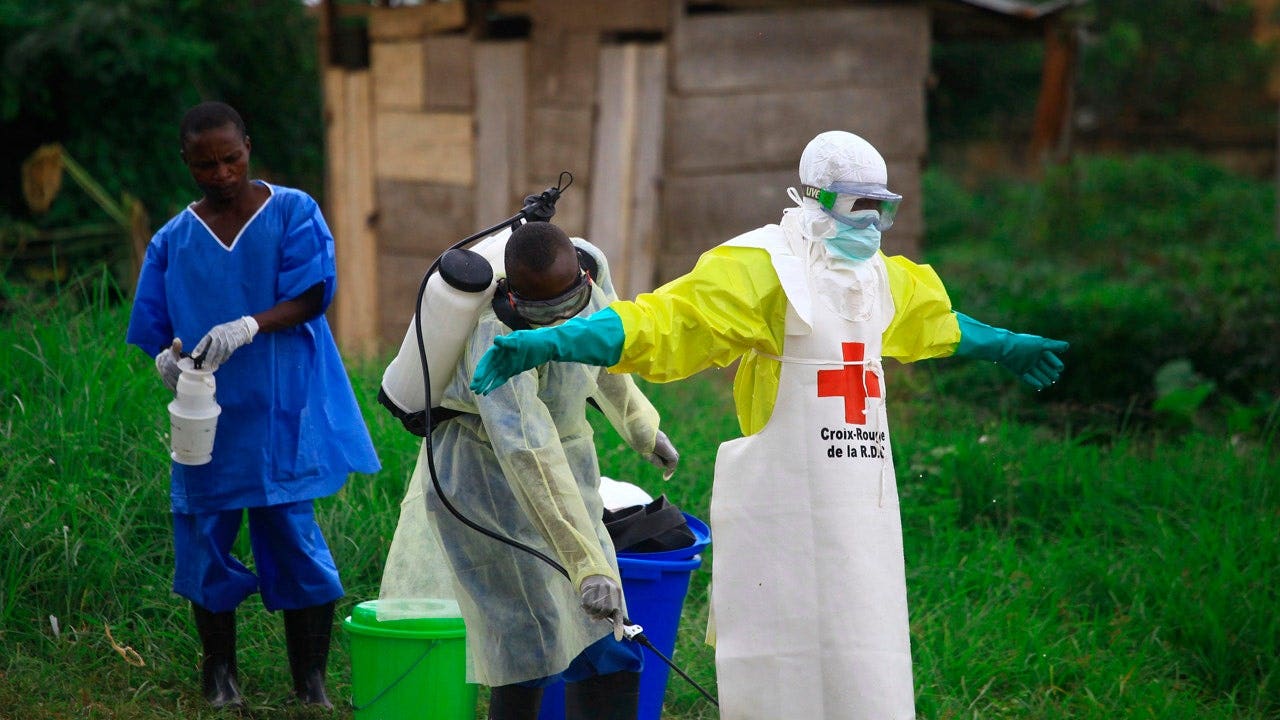
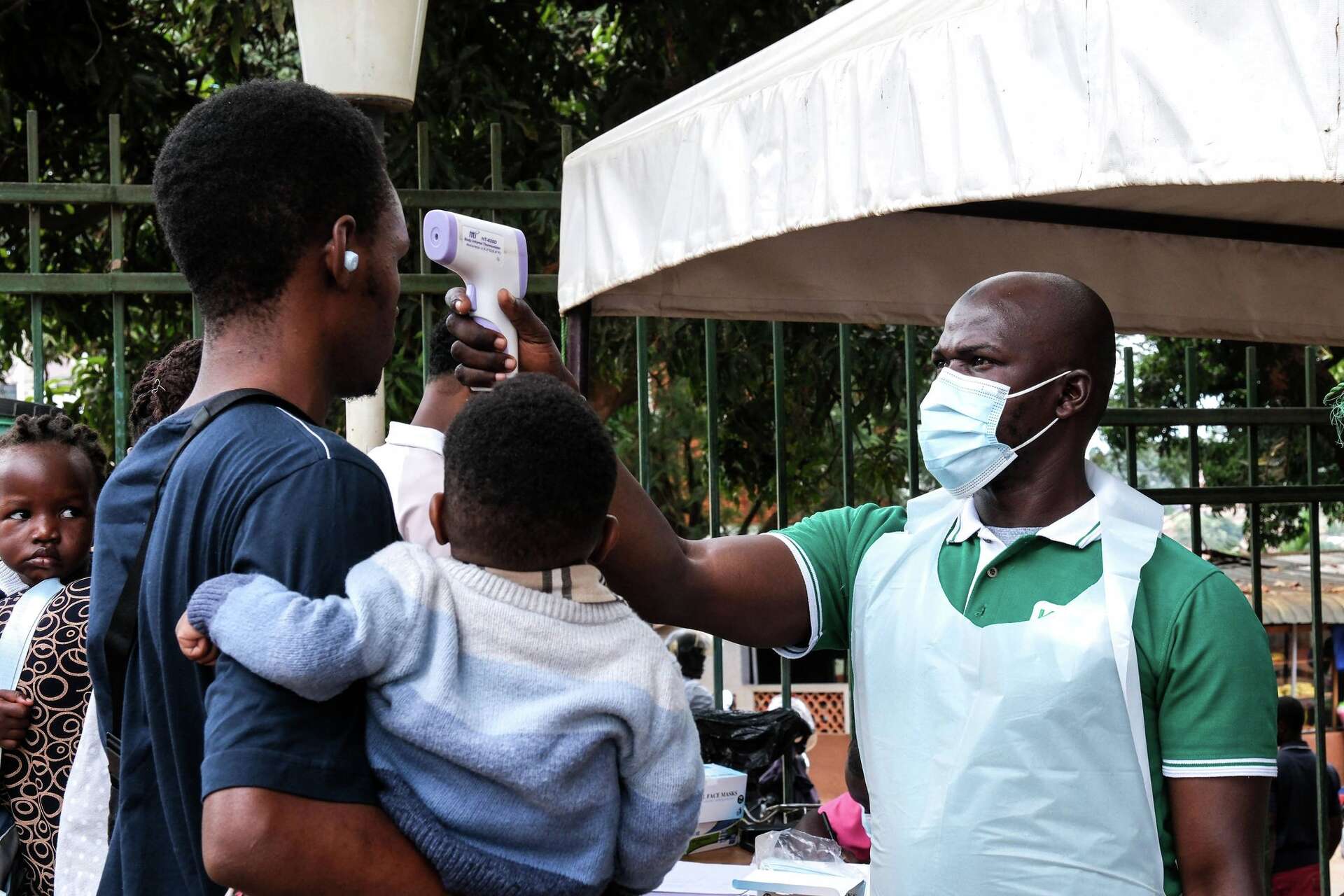
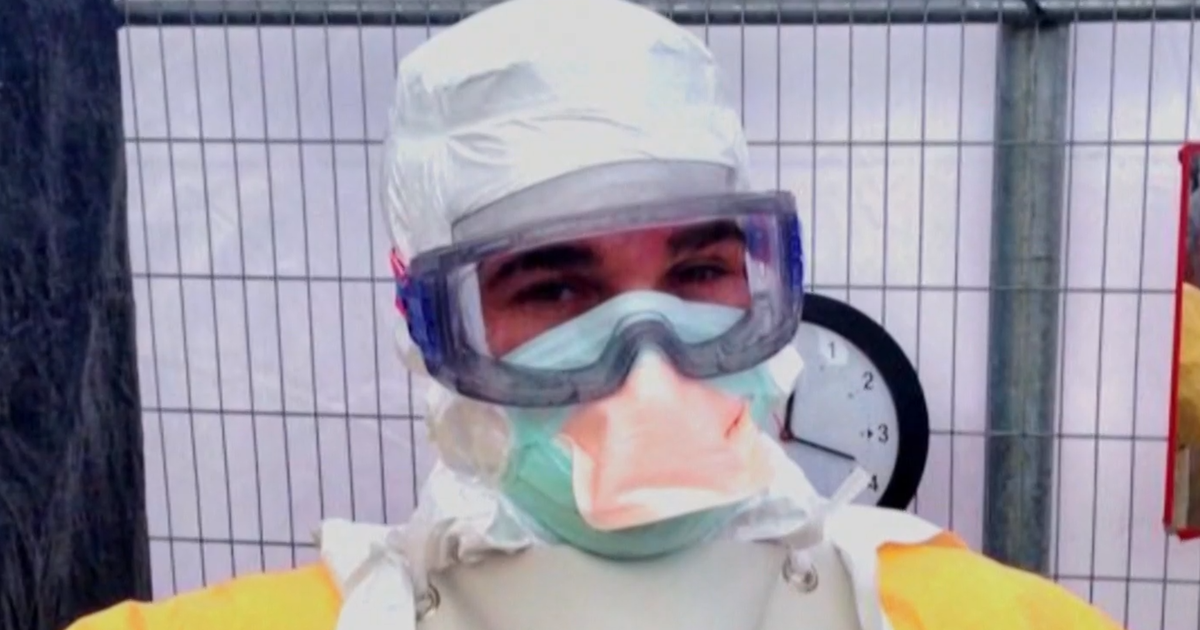
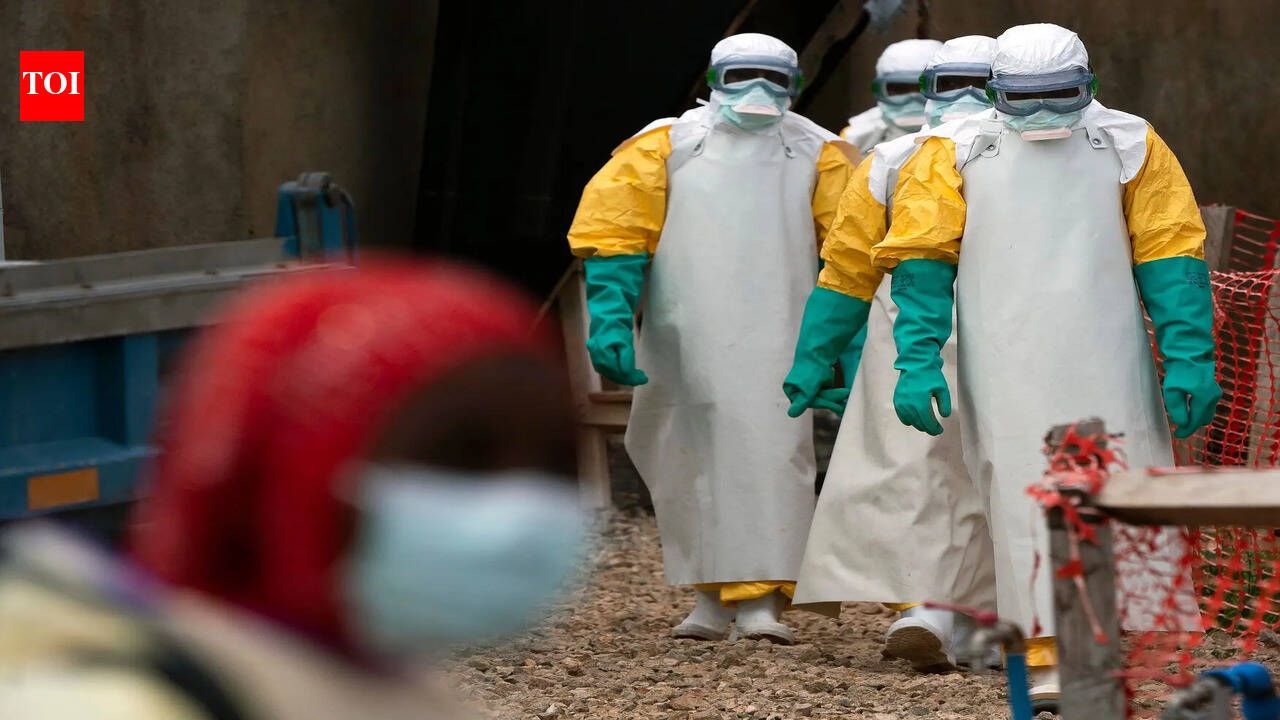
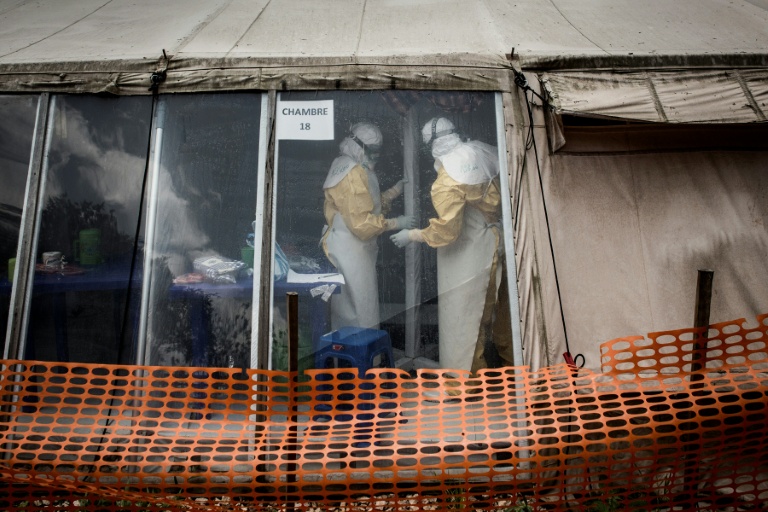
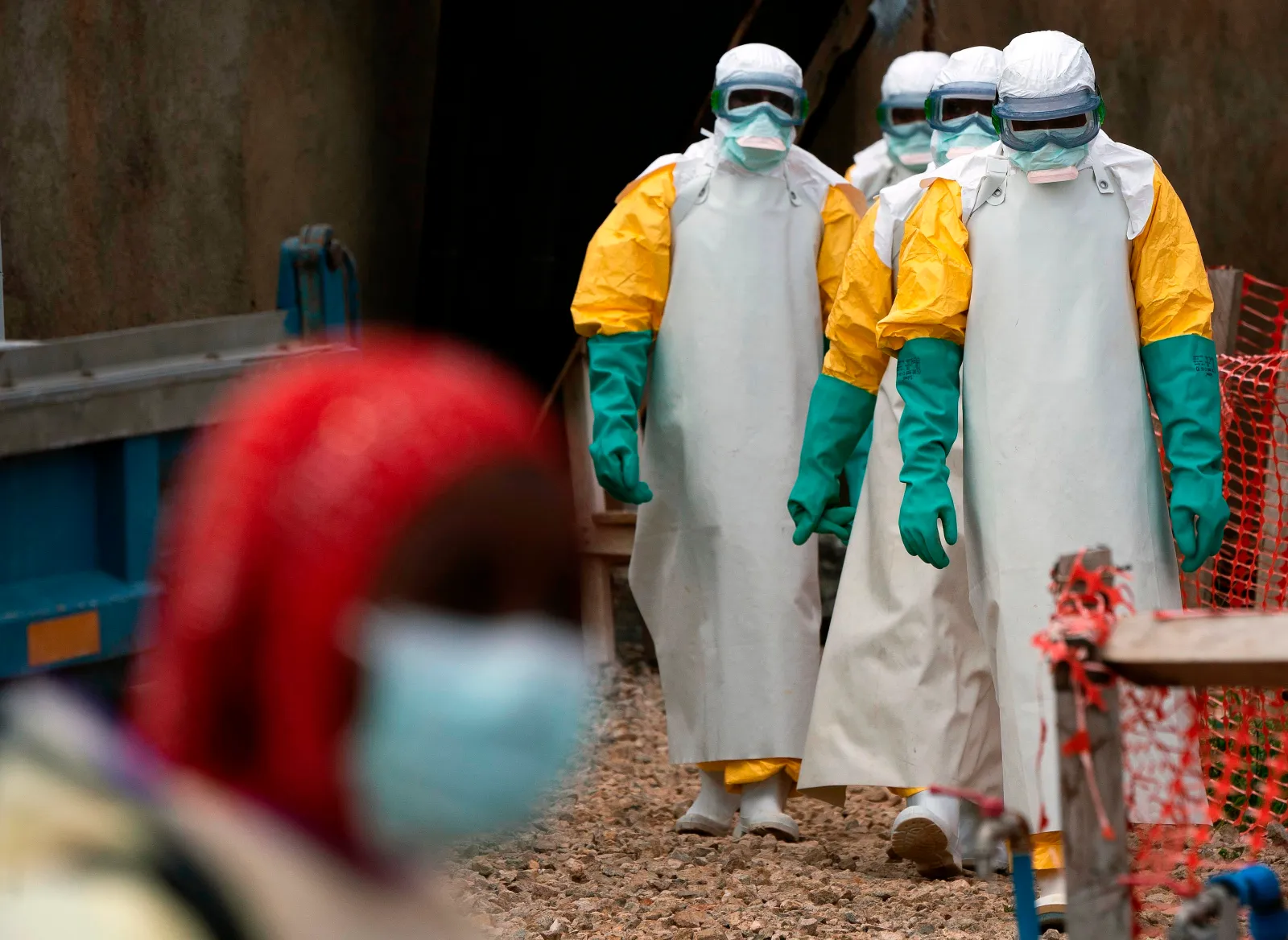
Immediate Product Opportunity: The outbreak requires urgent procurement of head coverings, goggles, N95/FFP3 masks, face shields, medical gloves, isolation gowns, and rubber boots—exactly the categories where cross-border sellers generate 15-25% margin premiums during health emergencies. The 2014-2016 West African Ebola epidemic (28,600 infected, 11,325 deaths) drove PPE category sales to $8.2B globally, with cross-border sellers capturing 22% of that volume. Current outbreak trajectory suggests similar demand acceleration: the Bundibugyo strain has no approved vaccine (unlike Ebola-Zaire), forcing reliance on containment through PPE. Sellers with existing inventory in medical supplies, industrial safety equipment, or healthcare logistics can expect 40-60% order volume increases within 2-4 weeks as WHO coordinates with "international health organizations, nonprofits, and pharmaceutical companies."
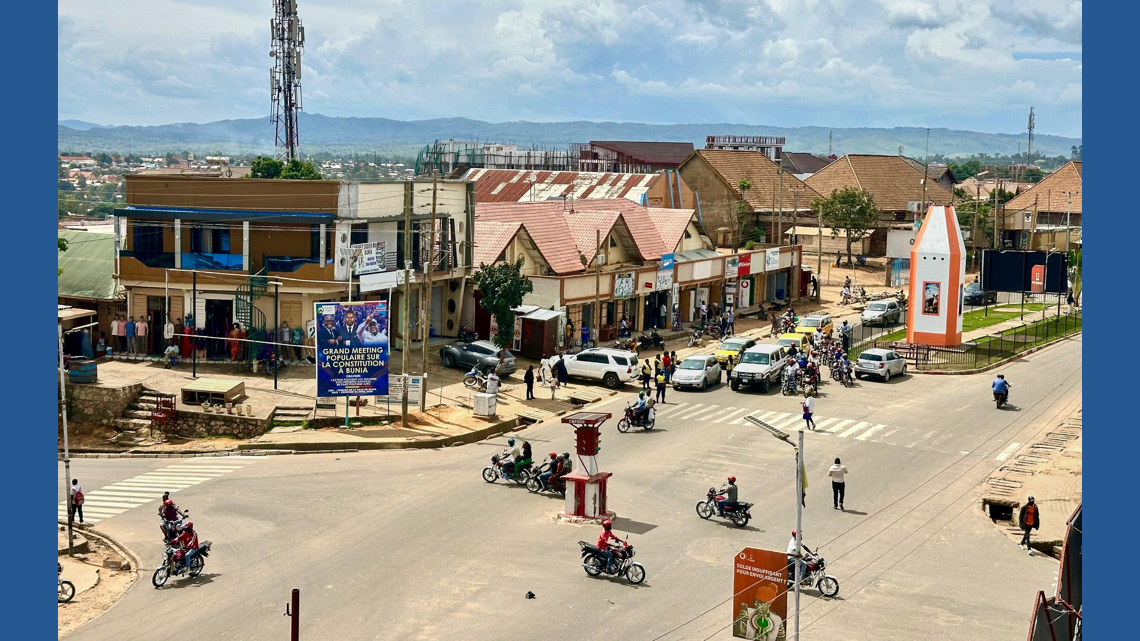
Supply Chain Advantage: The outbreak's geographic concentration in Ituri Province mining towns (Mongwalu, Rwampara) and cross-border spread to Uganda (Kampala, Kinshasa) creates logistics opportunities for sellers positioned in East Africa, South Africa, or with 3PL networks serving humanitarian organizations. The WHO's emphasis on "cross-border surveillance and preparedness" indicates sustained procurement cycles lasting 6-12 months, not single-spike demand. Sellers should prioritize inventory in medical-grade PPE, diagnostic equipment, and cold-chain logistics solutions. The ongoing "insecurity, humanitarian crisis, and armed group violence" in eastern DRC (Allied Democratic Forces, March 23 Movement) means formal supply chains will face disruption, creating premium pricing opportunities for sellers offering expedited, compliant delivery to NGOs and health ministries.
Market Timing: The outbreak began late April 2026 with WHO declaration May 16—a 2-3 week lag typical of health emergencies. Historical patterns show PPE demand peaks 3-6 weeks post-declaration as governments and NGOs activate emergency procurement. Sellers should list inventory immediately in medical supplies, safety equipment, and logistics categories on Amazon Business, Alibaba, and Global Sources to capture B2B buyer searches. The 50% fatality rate for Bundibugyo strain and lack of therapeutics ensure sustained demand through Q3 2026 minimum.
Questions 8
Are there opportunities beyond PPE in this outbreak?
Yes. Beyond PPE, sellers can capitalize on diagnostic equipment (rapid Ebola tests), isolation equipment (negative-pressure tents, portable isolation units), disinfection supplies (chlorine-based disinfectants, surface sanitizers), and logistics solutions (cold-chain containers, biohazard waste disposal kits). The WHO's emphasis on 'infection prevention and control measures' and 'laboratory capacity' indicates demand for diagnostic reagents and testing equipment. Humanitarian organizations also procure food supplies, water purification systems, and shelter materials for affected communities. The 'humanitarian crisis' and 'high population mobility' mentioned in WHO statements suggest demand for hygiene kits, sanitation supplies, and community health education materials. Sellers with inventory in these adjacent categories can expand beyond PPE to capture 30-40% additional revenue during the 6-12 month response cycle. Amazon, eBay, and Shopify all have dedicated humanitarian and disaster relief categories where these products rank highly.
What supply chain risks should sellers monitor for this outbreak?
The outbreak's location in Ituri Province (Mongwalu, Rwampara mining towns) with ongoing armed group violence (Allied Democratic Forces, March 23 Movement) creates logistics disruption risks. The WHO warned against border closures but noted 'high population mobility' and 'informal healthcare facilities' indicate supply chain fragmentation. Sellers should monitor: (1) DRC/Uganda border crossing status via trade news; (2) 3PL capacity in East Africa (potential delays if humanitarian organizations monopolize logistics); (3) Currency volatility (DRC franc, Ugandan shilling fluctuations); (4) Regulatory changes (emergency import waivers may expire). The 2-3 week lag between outbreak onset (late April) and WHO declaration (May 16) suggests information delays—sellers should subscribe to Africa CDC alerts and WHO emergency updates. Cold-chain logistics for potential vaccine trials (candidate vaccine showing 50% efficacy in animal testing) may create additional demand for temperature-controlled shipping.