




PPE Supply Crisis & Medical Equipment Surge | Cross-Border Sellers' Urgent Opportunity in Health Emergency Response
- WHO declares PHEIC with 336+ suspected cases; critical PPE shortage creates $50M+ emergency procurement demand for protective equipment sellers across Africa and international markets





/department-of-communications-(dco)/digital-social-visual-(dsv)/who-logo-at-headquarters.jpg?sfvrsn=34ba81d2_10)
















Overview
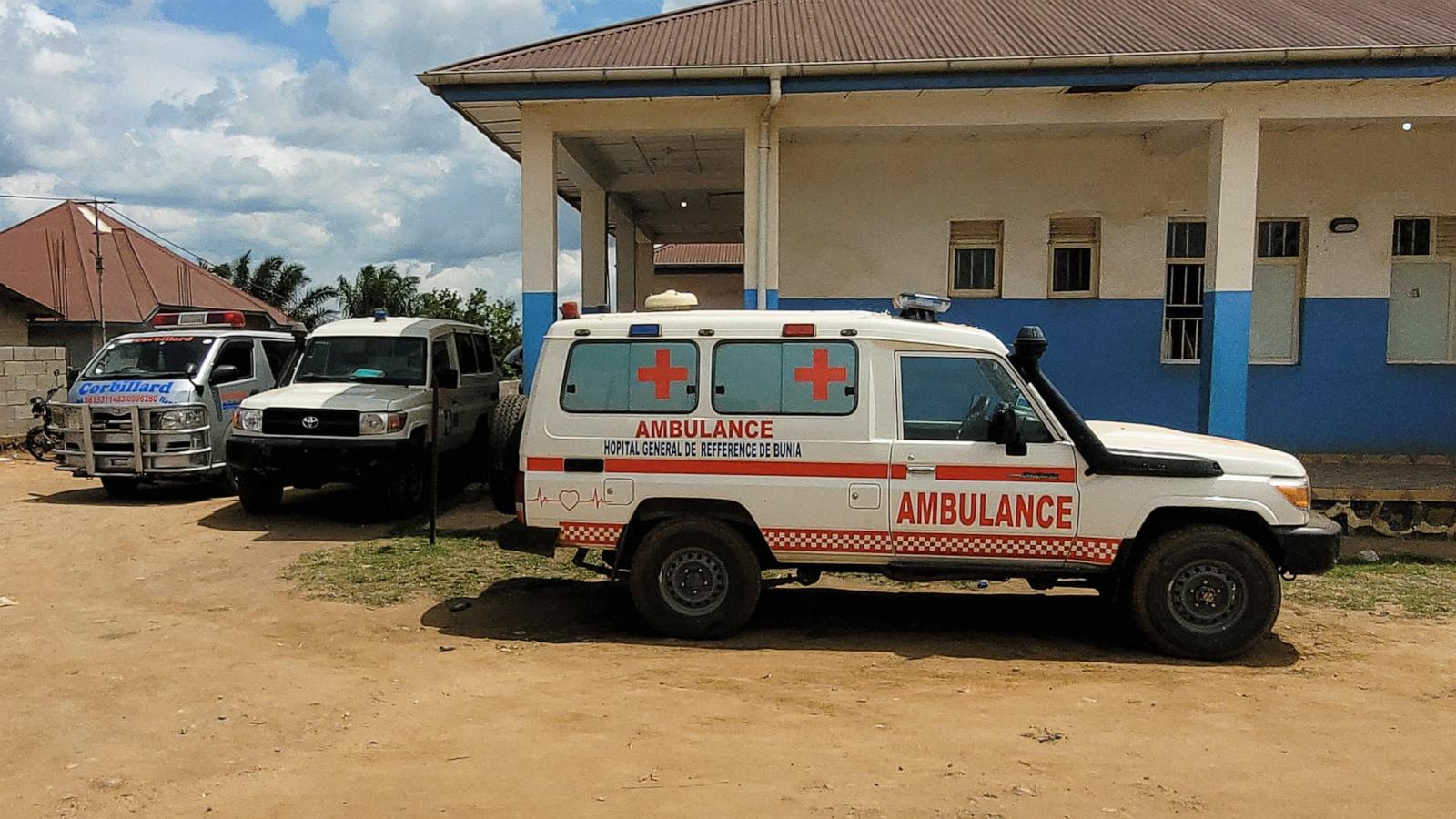
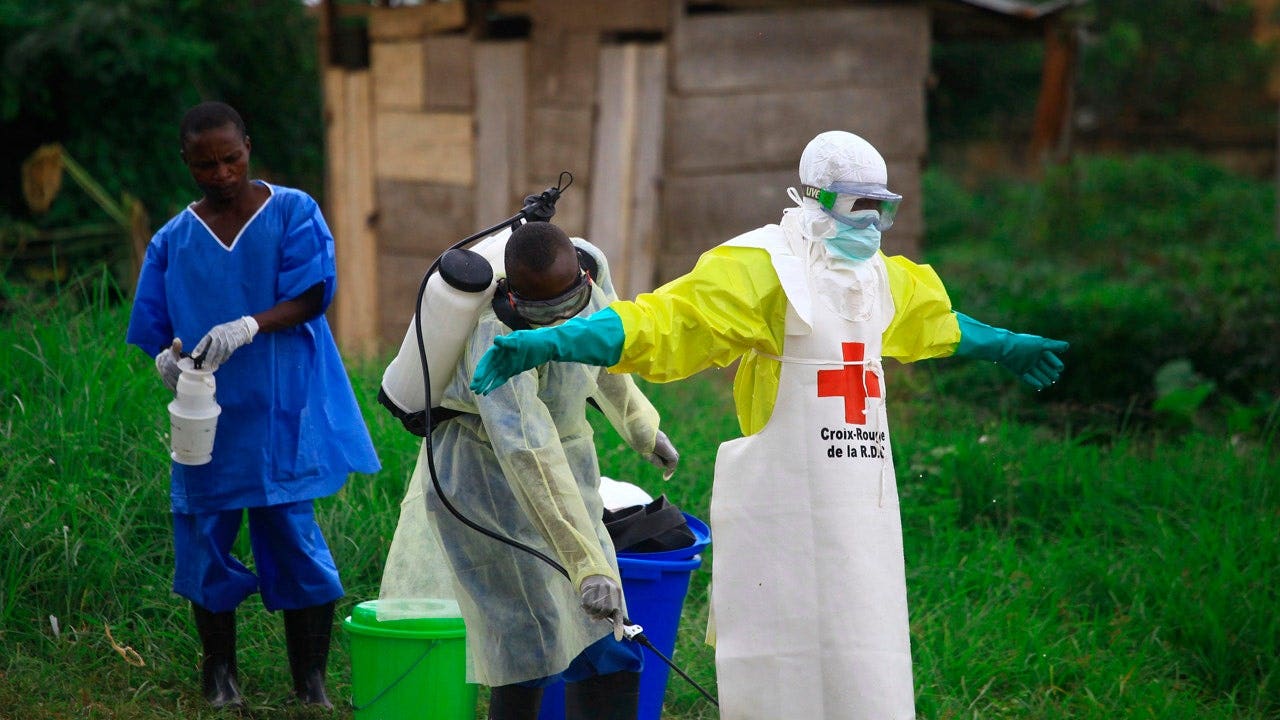
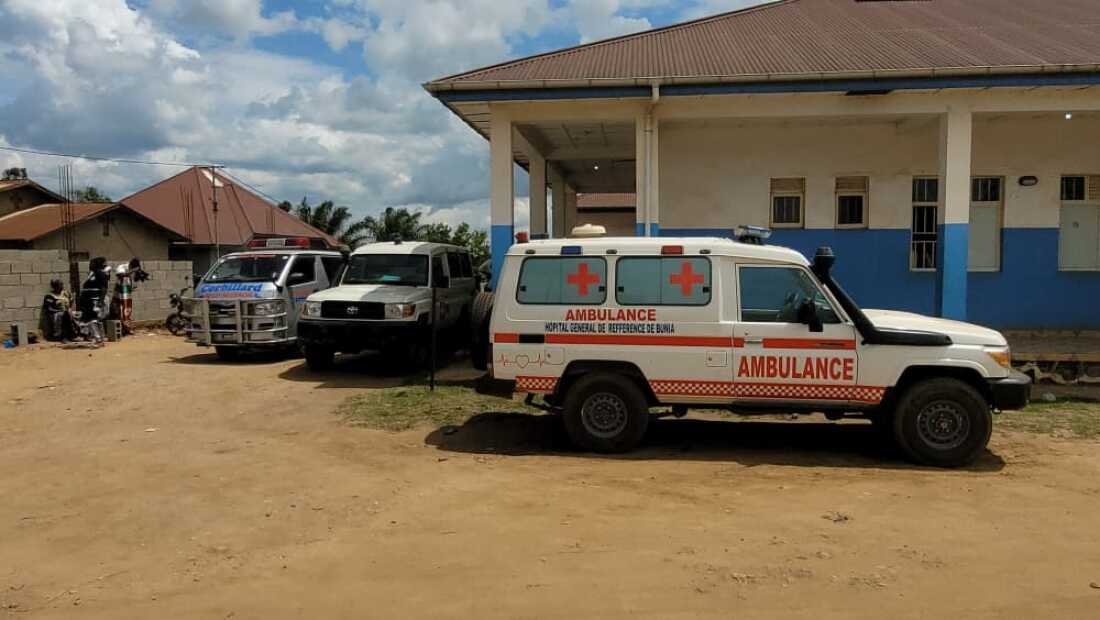
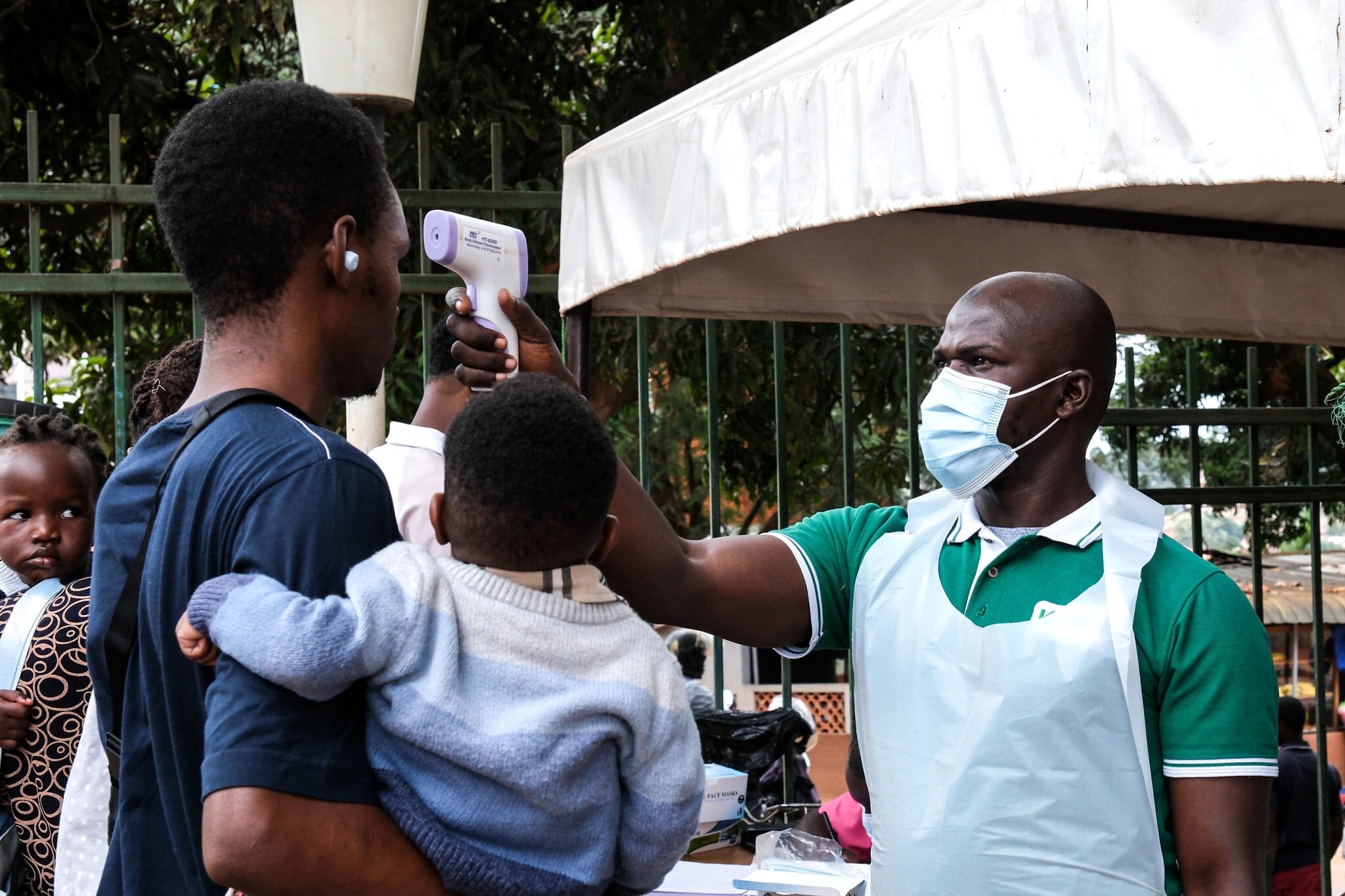
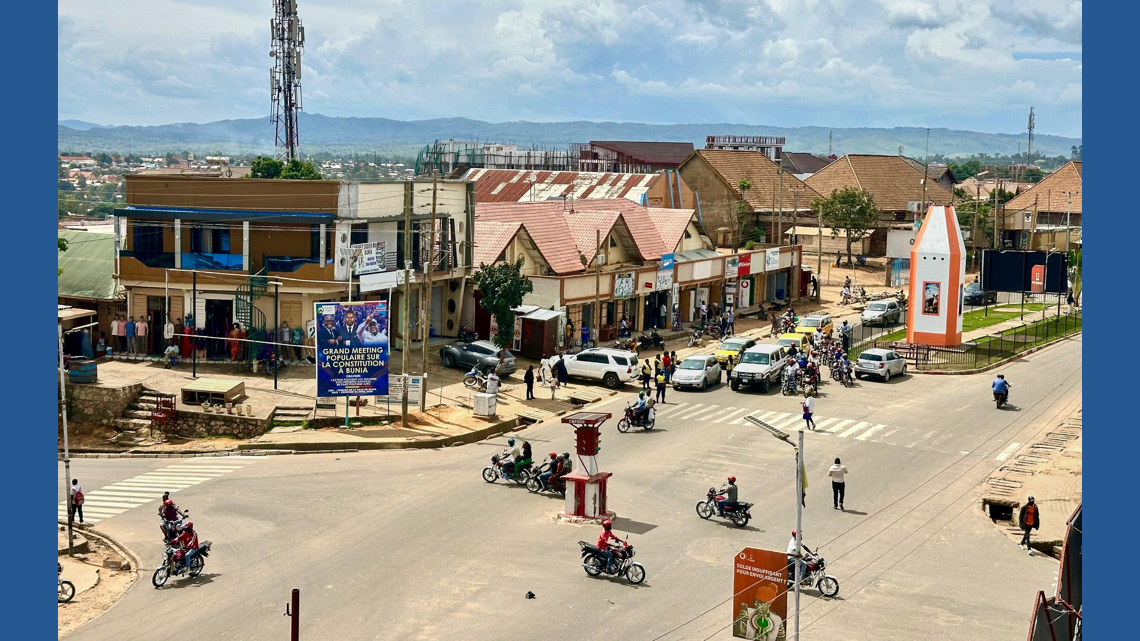
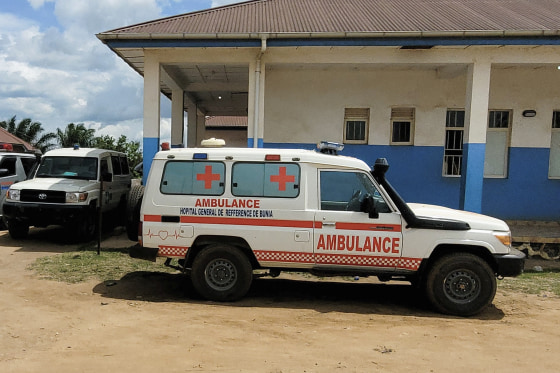
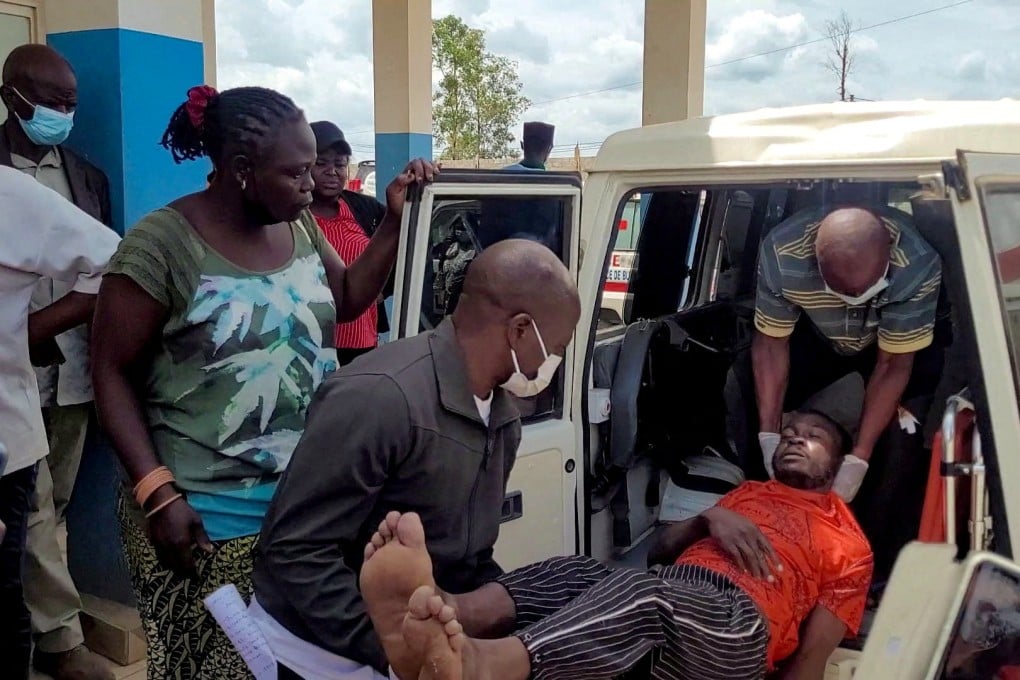
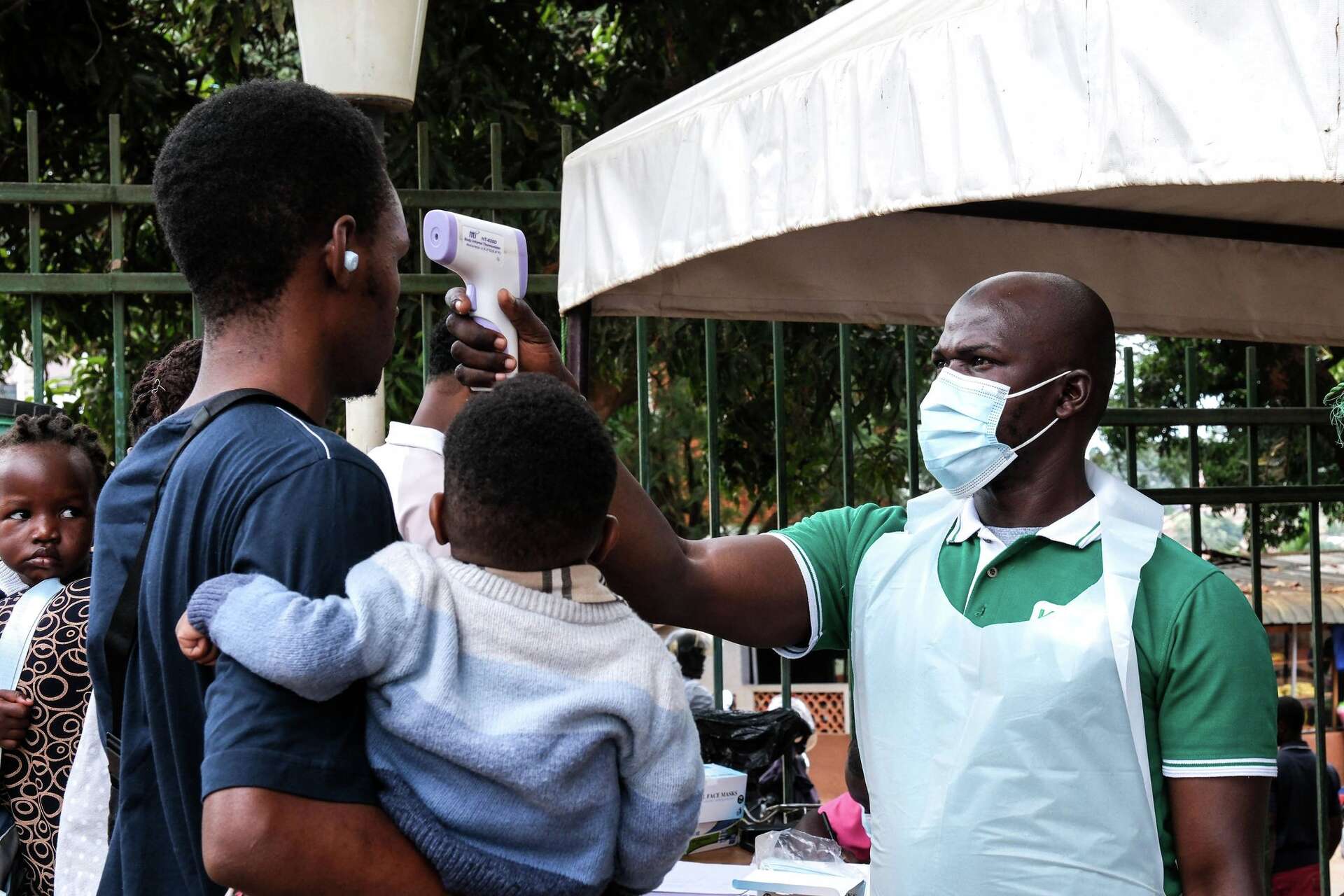
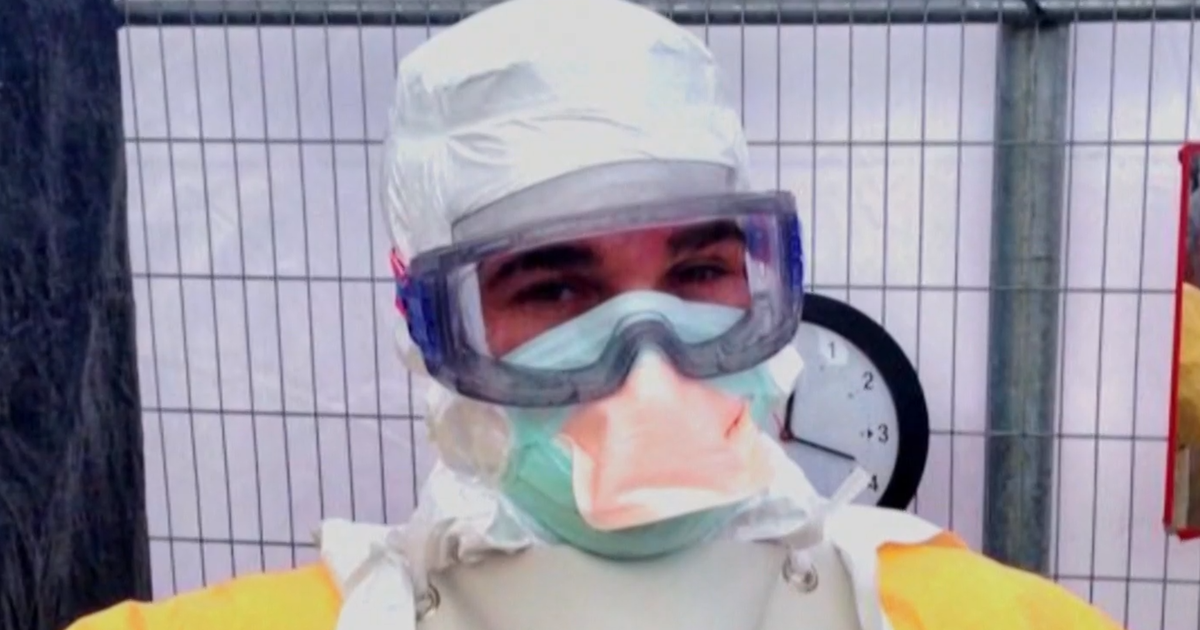
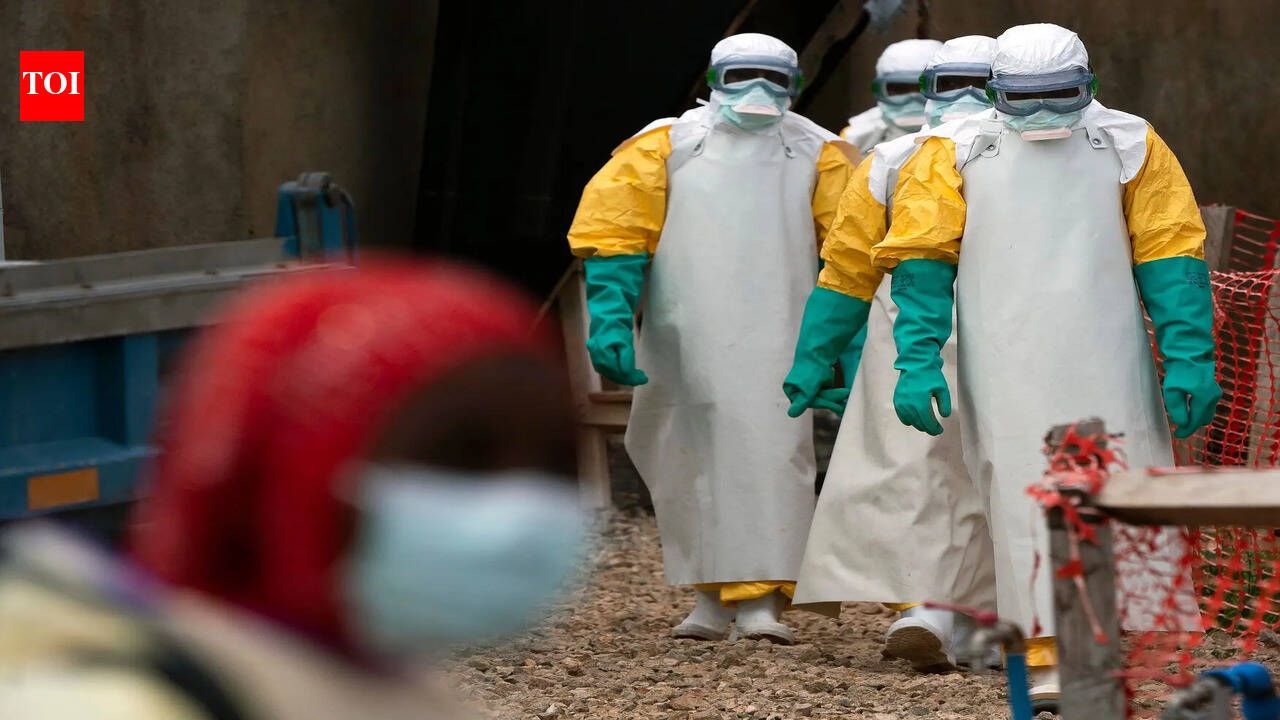
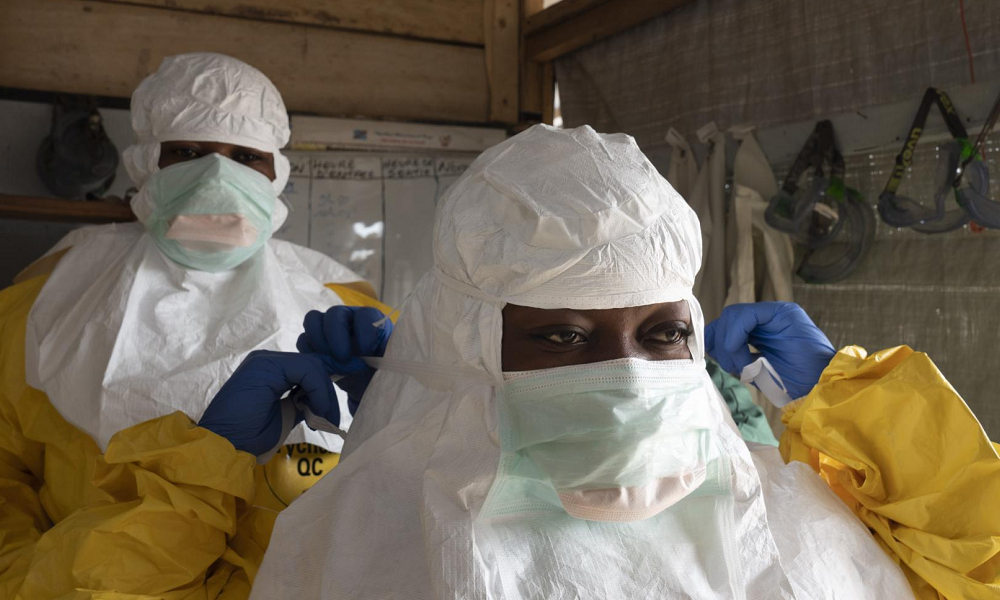
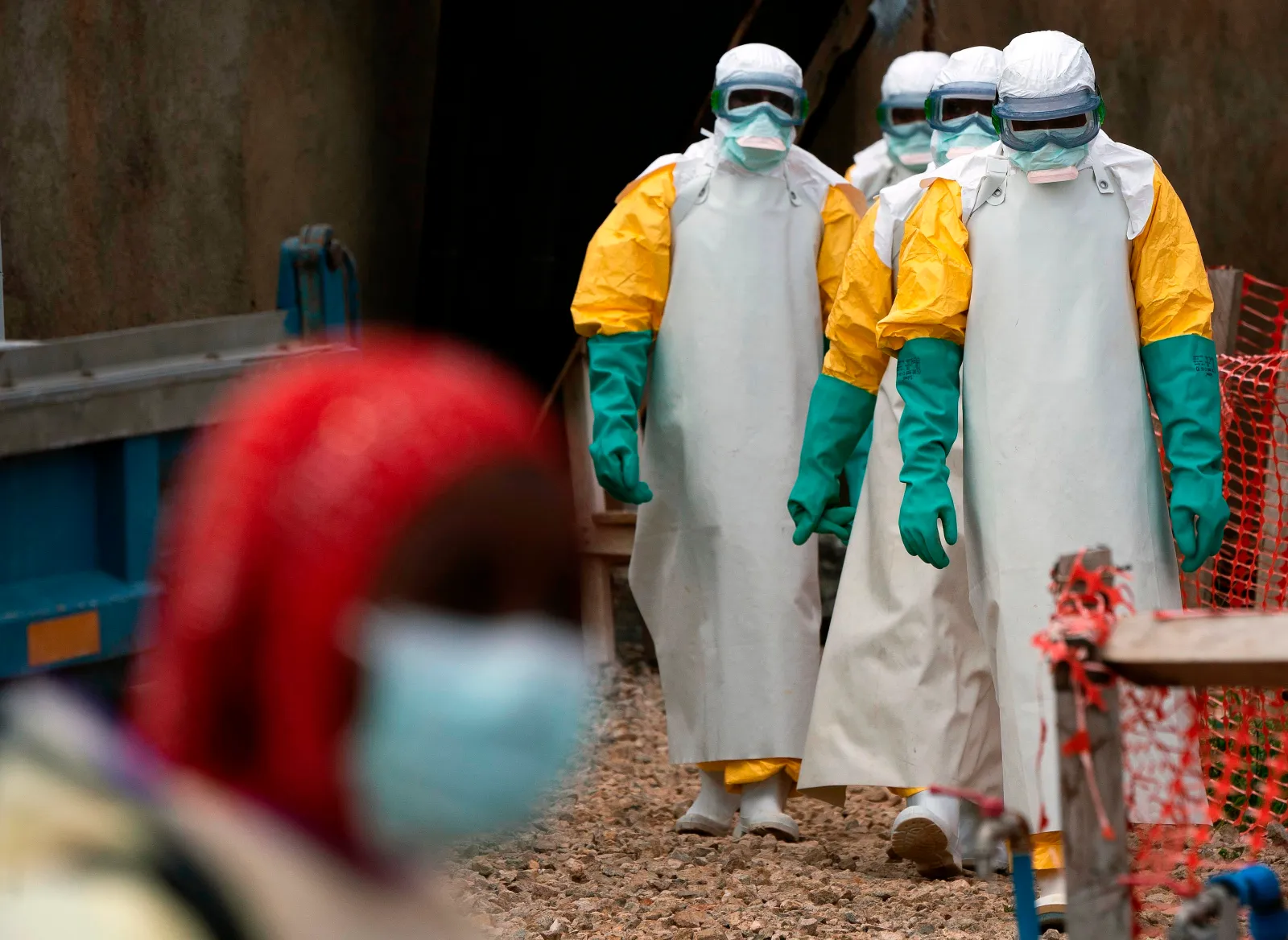
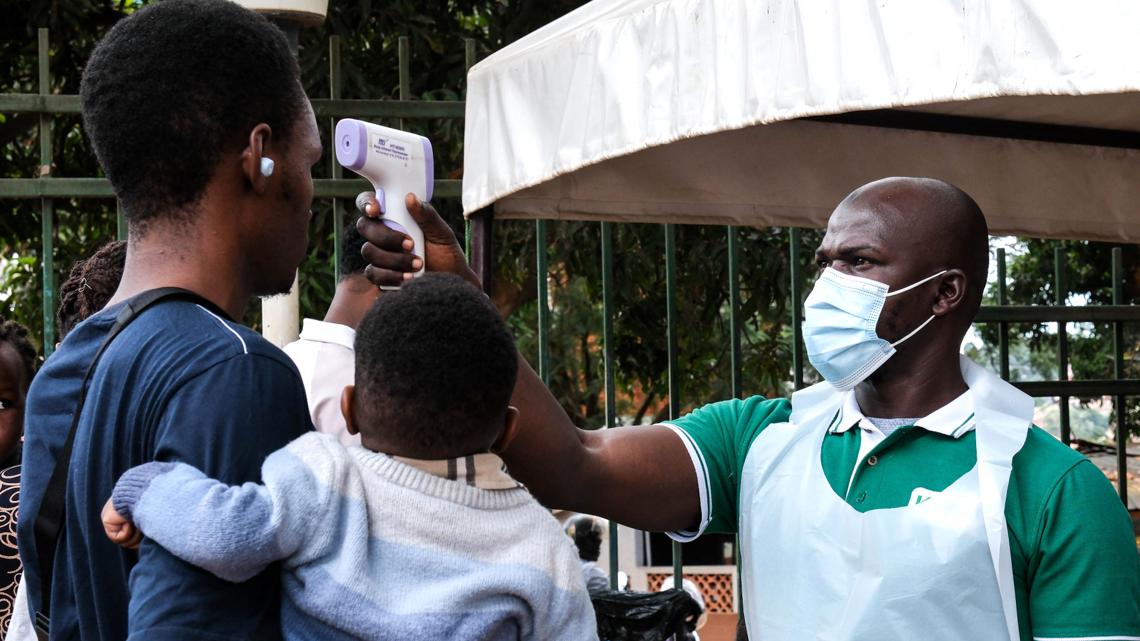
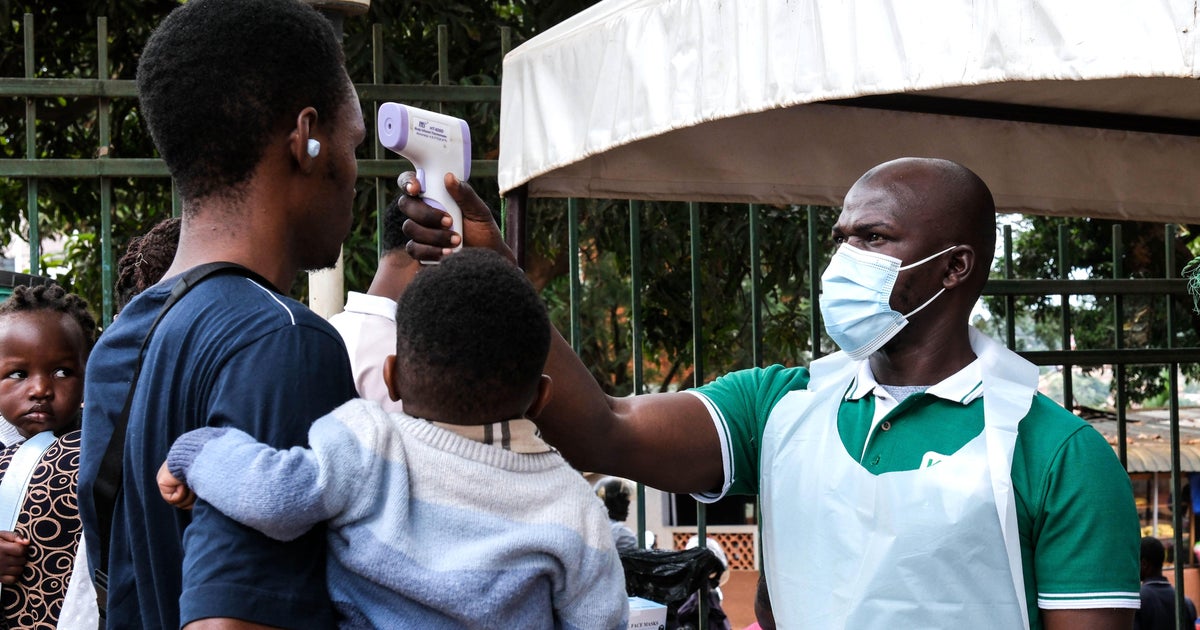
The WHO's declaration of a Public Health Emergency of International Concern (PHEIC) on May 16, 2026, regarding the Bundibugyo Ebola outbreak in DRC and Uganda represents a significant but time-sensitive opportunity for cross-border e-commerce sellers specializing in medical protective equipment, healthcare supplies, and emergency response products. With 336 suspected cases, 88 confirmed deaths, and the outbreak spreading across Ituri Province's three health zones (Bunia, Mongwalu, Rwampara) plus confirmed cases in Kampala and Kinshasa, health authorities face an acute shortage of personal protective equipment (PPE) including head coverings, goggles, masks, faceshields, gloves, gowns, and rubber boots—exactly the product categories where cross-border sellers can capture significant demand.
Critical Supply Chain Opportunity: Dr. Jean Kaseya of the Africa CDC explicitly identified "significant challenges in PPE manufacturing and funding constraints" affecting response efforts. This gap creates immediate procurement demand from healthcare facilities, NGOs (including Doctors Without Borders), and government health ministries across the affected region and neighboring countries implementing enhanced surveillance. Sellers with existing inventory of medical-grade PPE, particularly N95/FFP2 masks, nitrile gloves, protective gowns, and face shields, can access emergency procurement channels through international health organizations, USAID, and African health ministries. The 2014-2016 West African Ebola epidemic (28,600 infected, 11,325 deaths) demonstrated that PPE demand during major outbreaks can reach 10-15x normal consumption levels, translating to potential $50-100M in emergency procurement across the region.
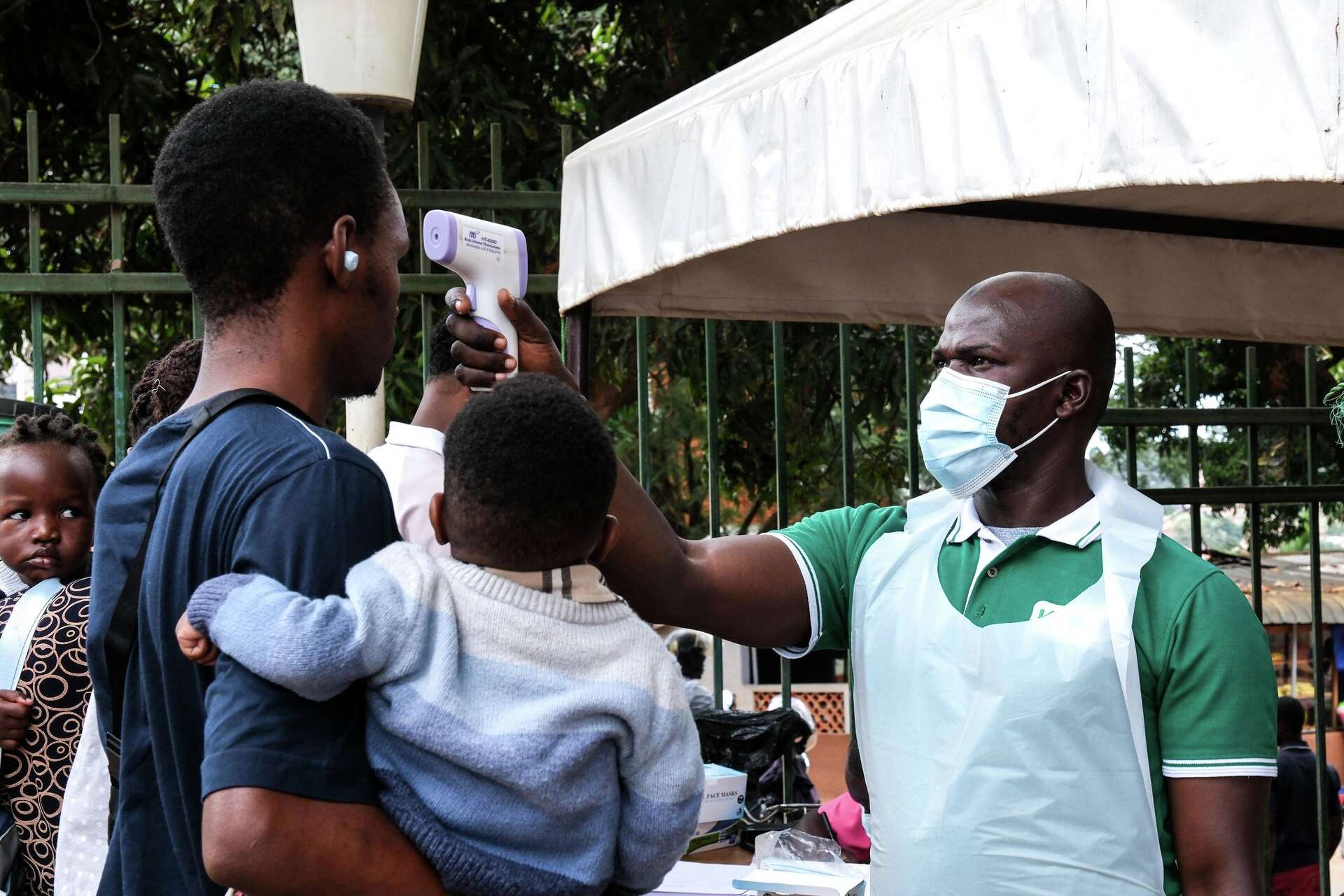
Market Dynamics & Seller Positioning: The outbreak's location in mineral-rich mining towns (Mongwalu and Rwampara) and urban centers (Kinshasa, Kampala) means affected areas have existing commercial infrastructure and payment capacity, unlike remote outbreak zones. The WHO's explicit recommendation against border closures—stating such measures "lack scientific basis"—ensures cross-border logistics remain viable for sellers shipping from South Africa, Kenya, or international suppliers. However, the 50% fatality rate of the Bundibugyo strain and ongoing armed group violence in Ituri Province create urgency: health authorities are activating emergency operation centers immediately, compressing typical procurement timelines from 60-90 days to 7-14 days. Sellers with existing relationships with medical distributors, NGOs, or government health agencies in East/Central Africa can position for rapid contract awards. Additionally, the outbreak's cross-border nature (DRC-Uganda transmission confirmed) means sellers can target procurement from both countries' health ministries and international organizations coordinating response efforts.
Regulatory & Compliance Considerations: Sellers must navigate medical device classification requirements in destination countries. PPE products typically require WHO prequalification or local regulatory approval (DRC's ANSM, Uganda's NDA) for government procurement contracts, though emergency declarations often expedite approvals. Sellers should verify product certifications (CE marking for EU-manufactured items, FDA clearance for US suppliers) and ensure compliance with destination country import requirements. The Africa CDC's emphasis on "proper" PPE specifications suggests buyers will prioritize certified, quality-assured products over generic alternatives, favoring established sellers with verifiable supply chains and quality documentation.
Questions 8
How large is the potential market opportunity for PPE sellers during this outbreak?
The 2014-2016 West African Ebola epidemic demonstrated that PPE demand during major outbreaks reaches 10-15x normal consumption levels. With 336 suspected cases and ongoing spread across three health zones plus international borders, the current outbreak could generate $50-100M in emergency procurement demand across DRC, Uganda, and neighboring countries implementing enhanced surveillance. The outbreak's location in urban centers (Kinshasa, Kampala) and mining towns with existing commercial infrastructure means affected areas have payment capacity and established procurement systems, unlike remote outbreak zones.
What PPE products are most urgently needed for the DRC Ebola outbreak response?
Health authorities specifically identified critical shortages of head coverings, goggles, N95/FFP2 masks, faceshields, nitrile gloves, protective gowns, and rubber boots. The Africa CDC emphasized that proper PPE specifications are essential for healthcare worker safety, meaning buyers prioritize certified, quality-assured products. Sellers with existing inventory of medical-grade PPE can access emergency procurement channels through health ministries, NGOs like Doctors Without Borders, and international organizations coordinating response efforts. The 50% fatality rate of the Bundibugyo strain creates urgency: procurement timelines have compressed from typical 60-90 days to 7-14 days for emergency orders.