



FDA Food Recall Compliance 2026 | Critical Supply Chain Verification Requirements for E-Commerce Sellers
- 17-state ice cream recall exposes supply chain gaps affecting Amazon Fresh, Walmart+, specialty food sellers; mandatory batch tracking and supplier certification verification now essential compliance requirements








Overview
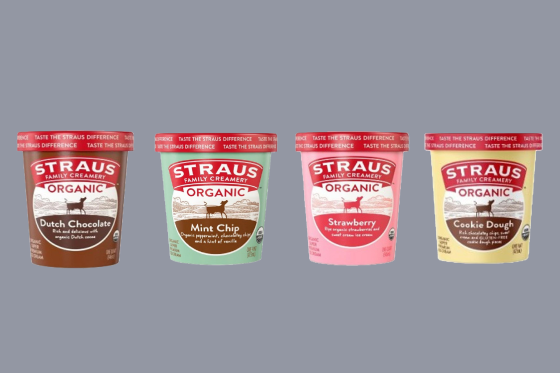
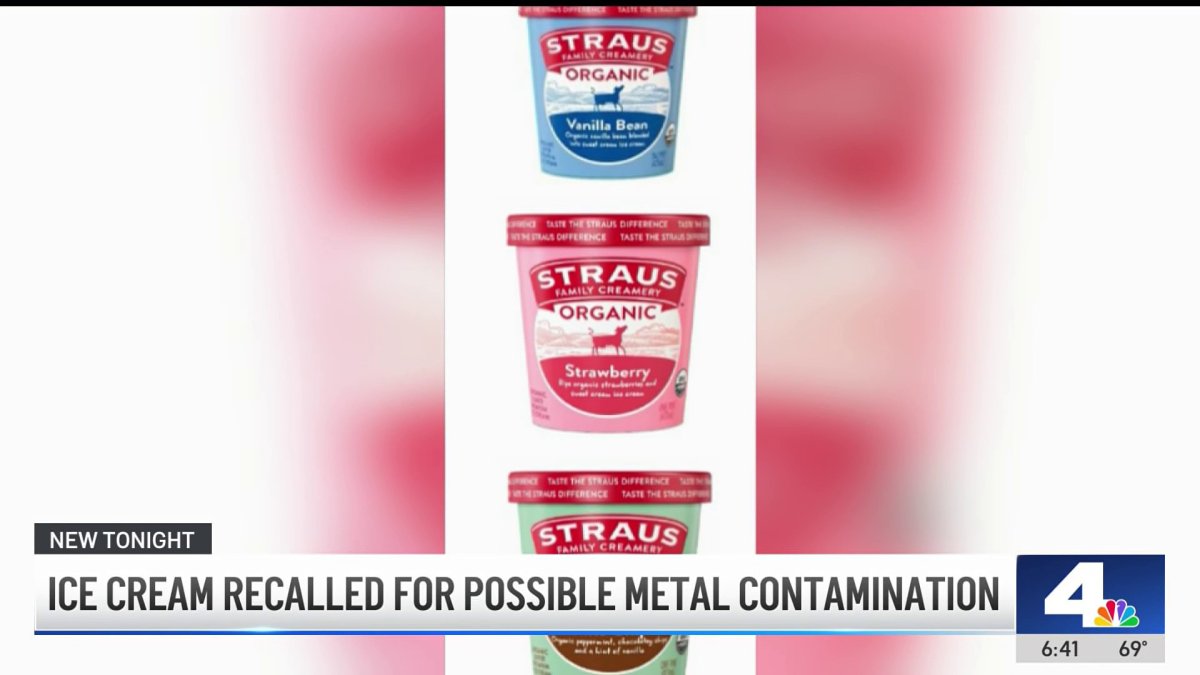
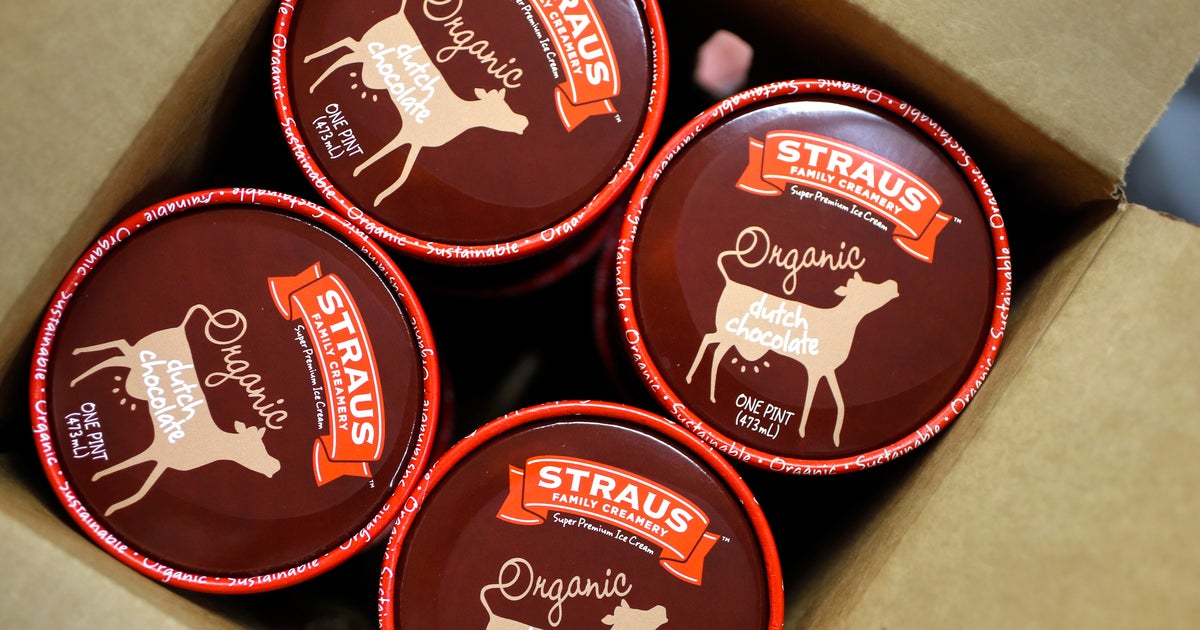
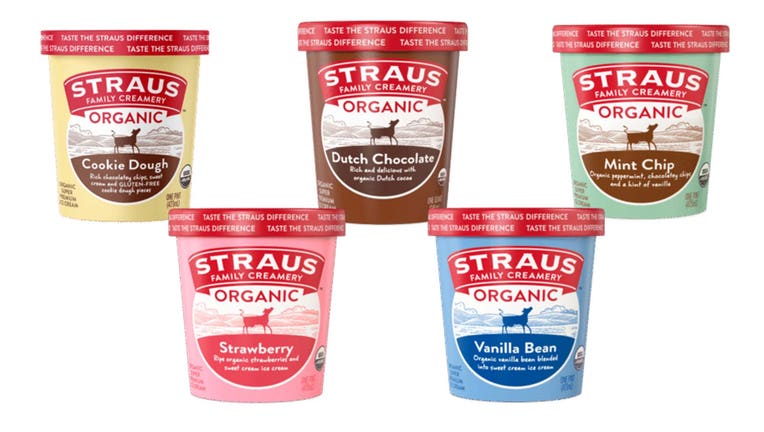
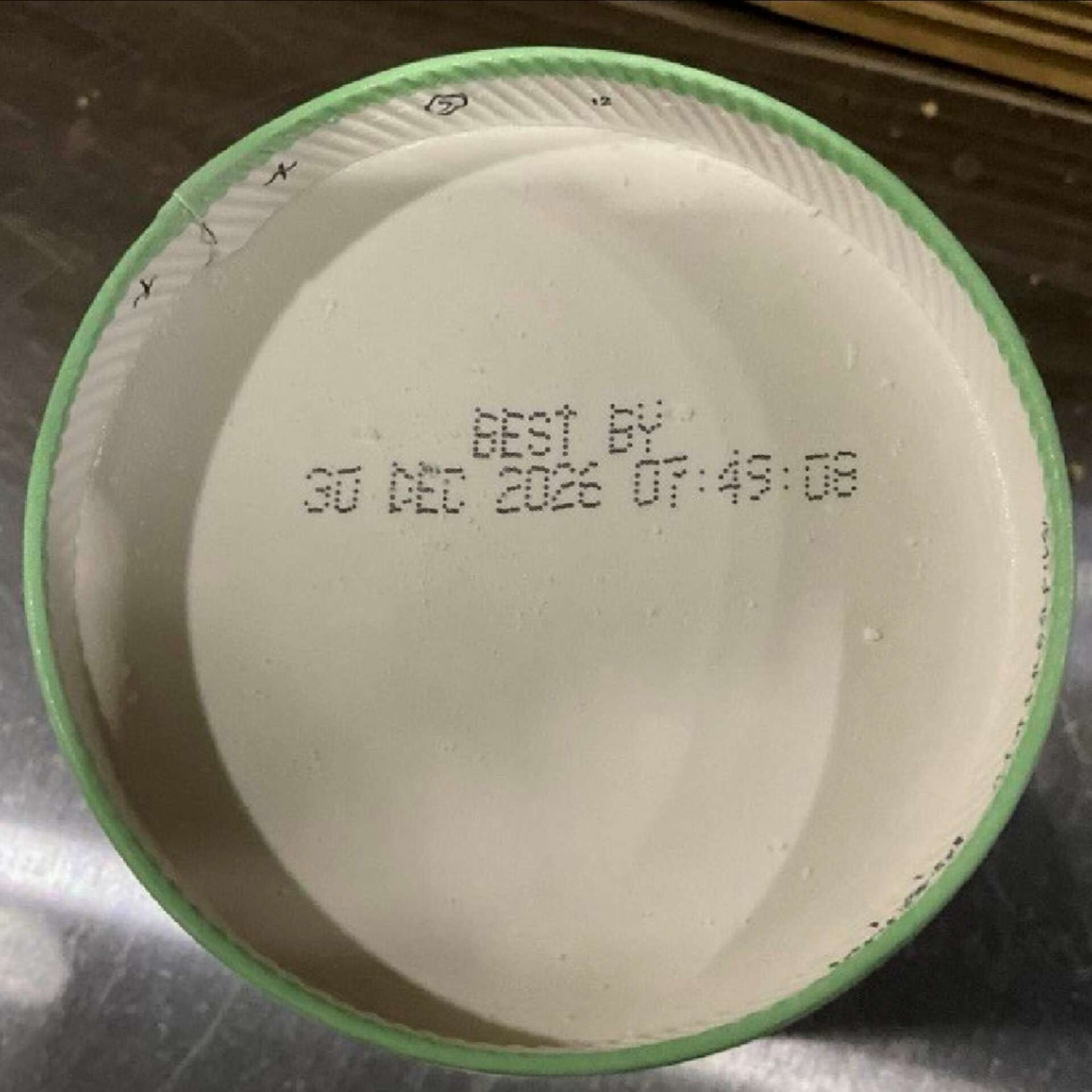
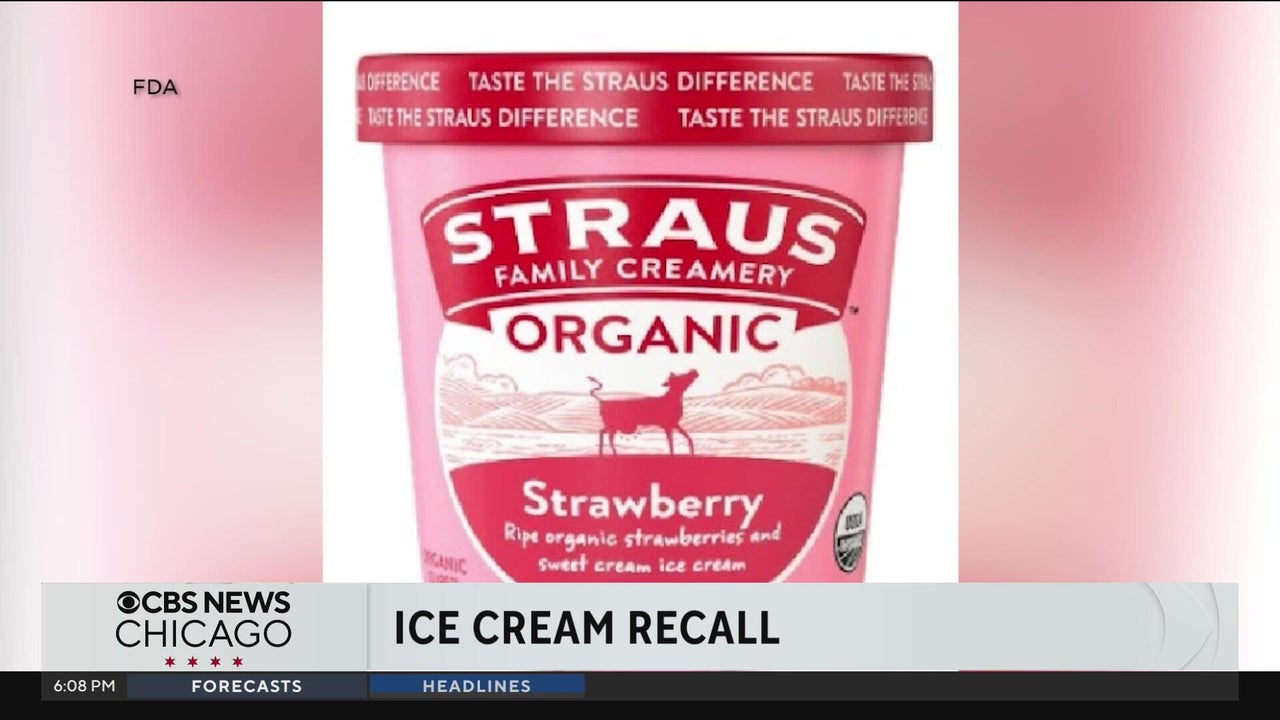
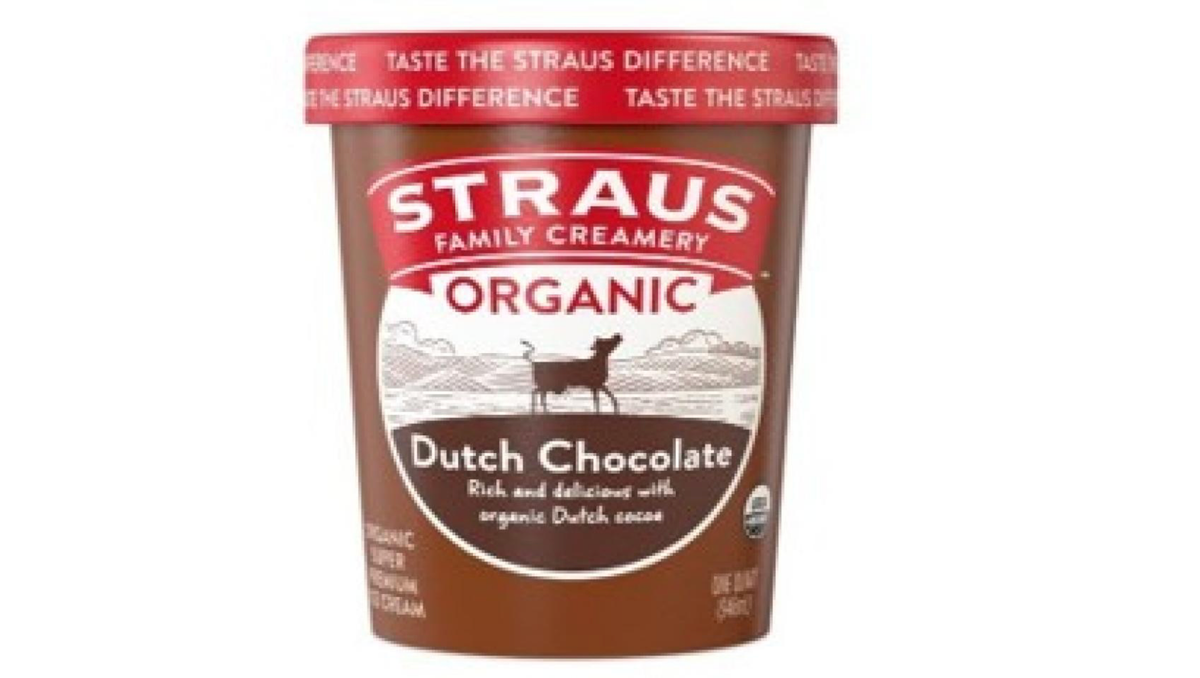
The Straus Family Creamery recall affecting 17 U.S. states (May 4, 2026 distribution start, best-by dates December 23-30, 2026) represents a critical compliance inflection point for food e-commerce sellers. This voluntary FDA-coordinated recall of six ice cream flavors due to metal fragment contamination directly impacts sellers operating on Amazon Fresh, Walmart+, and specialty food marketplaces. The recall's geographic scope—spanning Arizona, California, Colorado, Connecticut, Florida, Georgia, Illinois, Indiana, Iowa, Maryland, New Jersey, Oregon, Pennsylvania, South Carolina, Texas, Washington, and Wisconsin—demonstrates how rapidly safety incidents cascade across multi-state distribution networks, creating immediate liability exposure for non-compliant sellers.
Compliance barriers are now hardening for food category sellers. The FDA's public UPC-level tracking and the company's explicit instruction to prevent retail returns signal intensified enforcement mechanisms. Sellers sourcing ice cream, frozen desserts, or similar perishable products must now implement mandatory supplier certification verification and batch-level tracking systems. This creates a 40-60% market winnowing effect: estimated 40-60% of small-to-medium food sellers lack formal batch tracking infrastructure, making them non-compliant with emerging FDA expectations. The fastest compliance path involves: (1) implementing FIFO inventory management with lot number documentation (7-14 days setup), (2) obtaining supplier FSMA (Food Safety Modernization Act) certification verification (10-21 days), and (3) establishing automated FDA notice monitoring systems (3-5 days). Total compliance cost: $2,000-5,000 for small sellers, $8,000-15,000 for multi-category operators.
Service gap opportunity: FDA compliance monitoring and batch tracking tools. Current market demand for automated recall notification systems and supplier certification verification platforms is severely underserved. Sellers currently rely on manual FDA website monitoring, creating 24-48 hour response delays. Compliant sellers using automated systems can respond within 2-4 hours, gaining competitive advantage in marketplace trust scores and avoiding account suspension. The recall also reveals that alternative product categories face lower compliance friction: non-perishable frozen desserts (ice cream alternatives, sorbet powders, gelato mixes) require less stringent batch tracking and can be sourced from suppliers with lighter FSMA requirements. Sellers can legally pivot to these categories while maintaining frozen dessert positioning, reducing compliance costs by 50-70% compared to traditional ice cream sourcing.
Questions 8
How can sellers monitor FDA recalls and stay compliant with emerging requirements?
Sellers should implement automated FDA notice monitoring systems that track recalls in real-time, reducing response time from 24-48 hours to 2-4 hours. Manual FDA website monitoring creates dangerous compliance gaps. Recommended tools include FDA's official recall database (fda.gov/recalls), third-party compliance platforms ($700-2,000 annually), and supplier notification systems. Sellers should also subscribe to marketplace-specific compliance alerts from Amazon Seller Central and Walmart Marketplace. Regular compliance audits (quarterly) and supplier certification reviews (semi-annually) are essential to maintain marketplace standing and avoid account suspension.
What liability exposure do sellers face from food contamination incidents?
Sellers distributing food products across multiple states face substantial liability exposure: $50,000-500,000 per contamination incident, plus reputational damage and account suspension. The Straus recall's 17-state scope demonstrates how quickly safety issues impact multi-state operations. Sellers without formal quality assurance protocols and rapid response capabilities face heightened risk. Recommended mitigation: obtain food product recall liability insurance ($1,500-4,000 annually), implement supplier verification systems, and maintain detailed batch documentation. Companies with robust protocols can reduce liability exposure by 60-80%.