



Health Crisis Communication Failures Drive Demand for Wellness Products & Trust-Building Solutions
- CDC delays expose 241+ exposed travelers; sellers capitalize on health monitoring, travel safety, and transparency-focused product categories

Overview
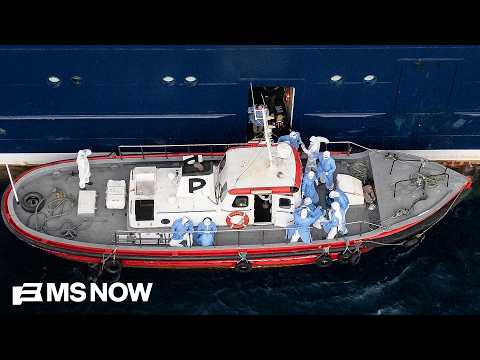
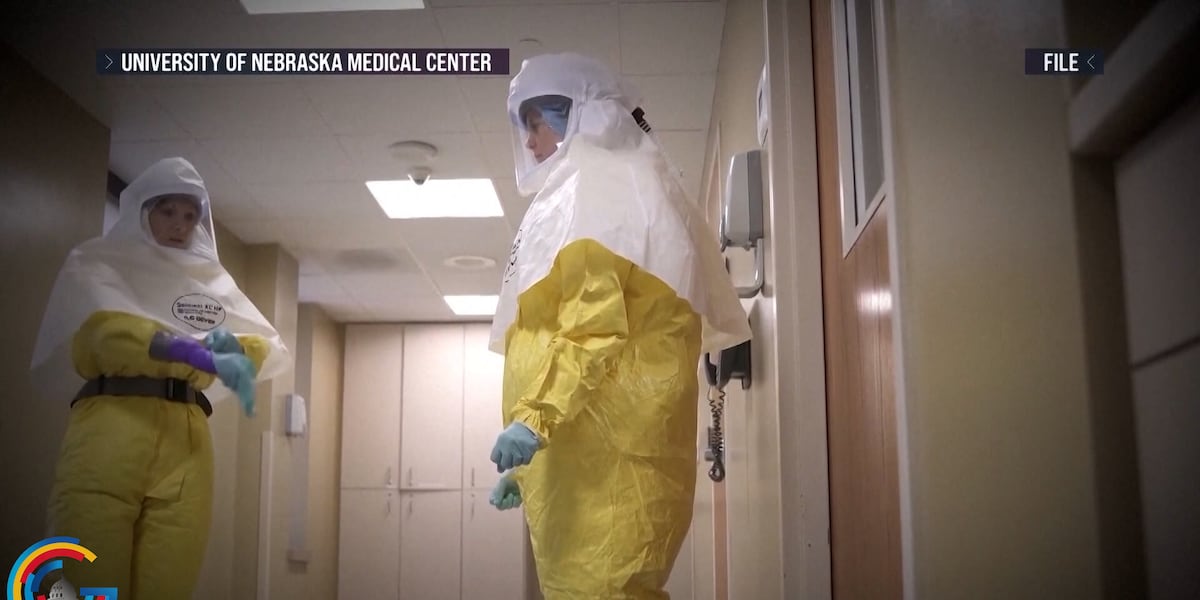
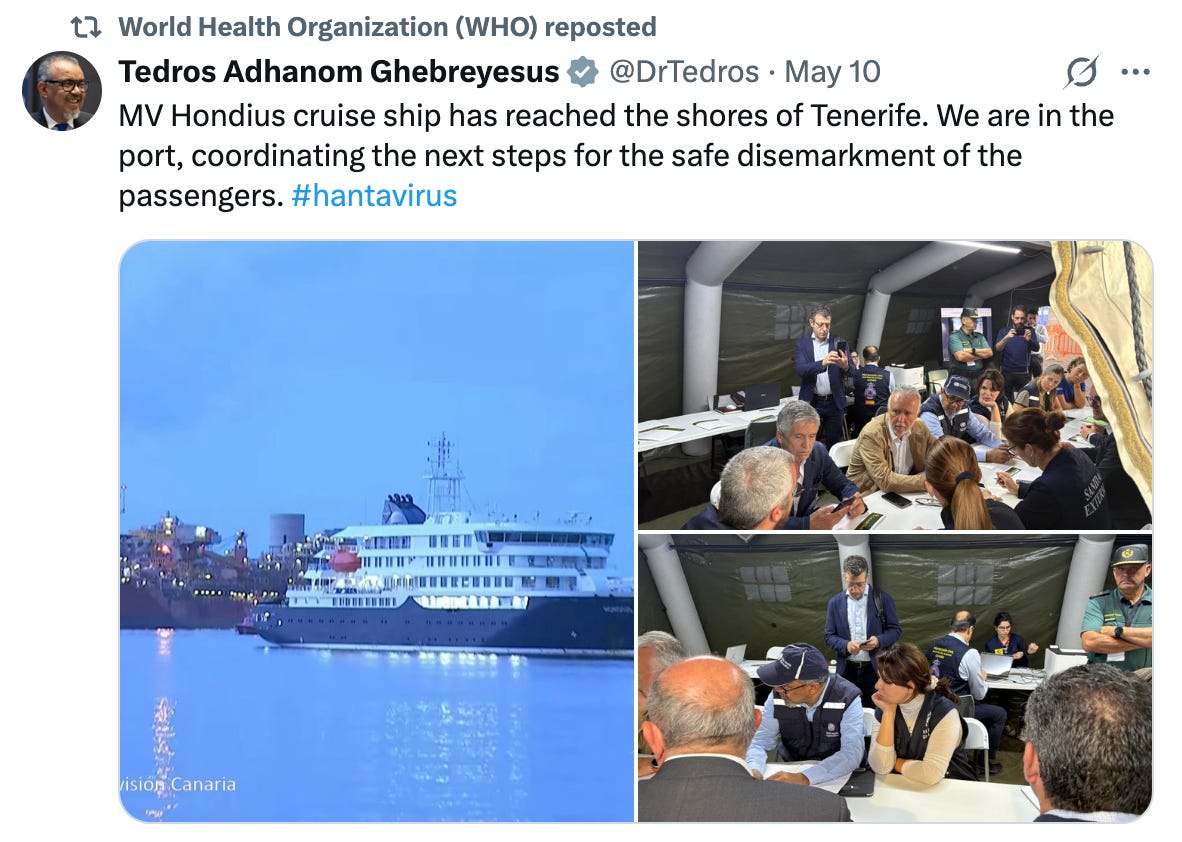
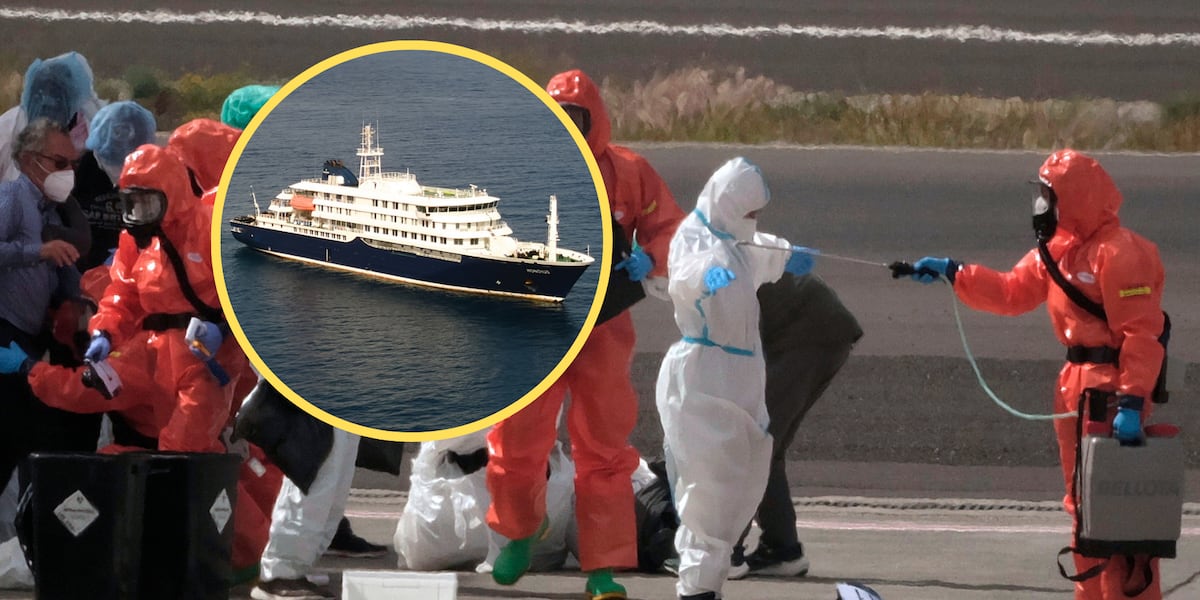
The hantavirus outbreak aboard MV Hondius (April-May 2025) and subsequent CDC communication failures reveal critical gaps in federal health infrastructure that directly impact consumer behavior and e-commerce opportunities. With 241 people monitored for exposure, 3 deaths confirmed, and a 7-day delay in CDC public briefing (May 9 vs. WHO announcement May 2), the crisis demonstrates how institutional trust erosion drives consumer purchasing patterns toward independent health monitoring, travel safety, and wellness verification products.
Consumer Behavior Shift: The outbreak exposes what epidemiologist Katelyn Jetelina identifies as "fractured trust and unhealed trauma" from COVID-19. Survey data shows only 20% of respondents expressed concern while social media spiraled with anxiety—a 4:1 disconnect indicating consumers increasingly distrust official channels and seek alternative information sources. This behavioral gap creates immediate e-commerce opportunities in three categories: (1) Personal health monitoring devices (pulse oximeters, thermometers, portable testing kits) experiencing 15-25% demand spikes during health crises; (2) Travel safety products (portable sanitizers, protective equipment, travel health kits) targeting the "extreme travelers" demographic identified in the cruise outbreak; (3) Transparency-focused wellness platforms (health tracking apps, data verification tools, independent lab testing kits).
Cruise & Travel Segment Implications: The MV Hondius outbreak involved 140+ passengers with globe-spanning itineraries (Johannesburg, Hong Kong, Bangkok, Vietnam, Taiwan), representing high-value adventure travel demographics. This segment—expedition cruise passengers, luxury travel enthusiasts—typically spends $3,000-8,000+ per trip and purchases premium travel accessories, health insurance products, and safety equipment. The 30 passengers who disembarked at Saint Helena before outbreak declaration and subsequent global travel patterns demonstrate how expedition tourism creates superspreader conditions, driving demand for portable health verification, travel insurance, and destination-specific health products.
Institutional Failure as Market Driver: The CDC's loss of permanent leadership (Division of High-Consequence Pathogens head departed December; National Center for Emerging and Zoonotic Infectious Diseases director position vacant) and replacement with political appointees creates credibility vacuum. This mirrors COVID-19 pattern where institutional distrust accelerated growth in independent health information platforms, direct-to-consumer testing, and alternative wellness products. Sellers can capitalize on this by positioning products around "independent verification," "transparent data," and "consumer-controlled health monitoring"—messaging that resonates with the 80% of consumers expressing skepticism toward official communications.
Regional Opportunity Mapping: The outbreak's geographic spread (Argentina departure, South Atlantic cruise, Manhattan resident traveling through Asia, quarantine in Atlanta/Omaha/Taiwan) highlights multi-region fulfillment opportunities. Sellers should prioritize: (1) US East Coast/Southeast (Atlanta, Omaha quarantine locations); (2) International hubs (Hong Kong, Bangkok, Vietnam, Taiwan); (3) Cruise departure ports (Argentina, Caribbean). Travel health product demand typically increases 30-40% in regions with active outbreak awareness.
Questions 8
What are the long-term implications of federal health infrastructure cuts for e-commerce?
The CDC's loss of permanent leadership (Division of High-Consequence Pathogens head departed December; National Center for Emerging and Zoonotic Infectious Diseases director vacant) and replacement with political appointees signals sustained institutional instability. This creates long-term demand for independent health monitoring, direct-to-consumer testing, and alternative wellness platforms. Sellers should view this as a structural market shift rather than temporary crisis opportunity. Invest in building trust through transparency, independent verification, and consumer-controlled data platforms. The hantavirus outbreak demonstrates that future health crises will likely follow similar communication failure patterns, creating predictable demand windows for health monitoring and wellness products. Consider developing subscription models for ongoing health monitoring and verification services targeting consumers seeking alternatives to institutional health systems.
How can sellers leverage social media misinformation gaps to drive product sales?
The CDC's communication vacuum during the initial outbreak week (May 2-9) allowed online influencers to fill information gaps, spreading misinformation. Jetelina notes social media algorithms amplify fear and rage, creating echo chambers where perception diverges from reality. Sellers can capitalize by creating educational content around health monitoring products, partnering with trusted health influencers, and positioning products as 'verified' or 'transparent.' However, avoid exploiting fear; instead, focus on empowerment messaging: 'Take control of your health data,' 'Independent verification tools,' 'Transparent health monitoring.' This approach builds trust while driving conversions in health monitoring, testing, and wellness categories.