



Andean Supply Chain Crisis | Cross-Border Sellers Face 15-25% Cost Surge
- Bolivia's economic collapse triggers 22 roadblocks, fuel shortages, and customs delays affecting 3,500+ sellers shipping to South America

)




























Overview
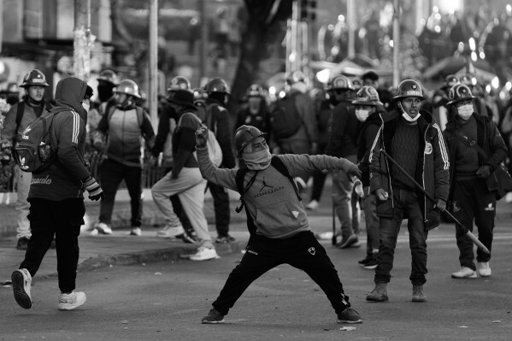
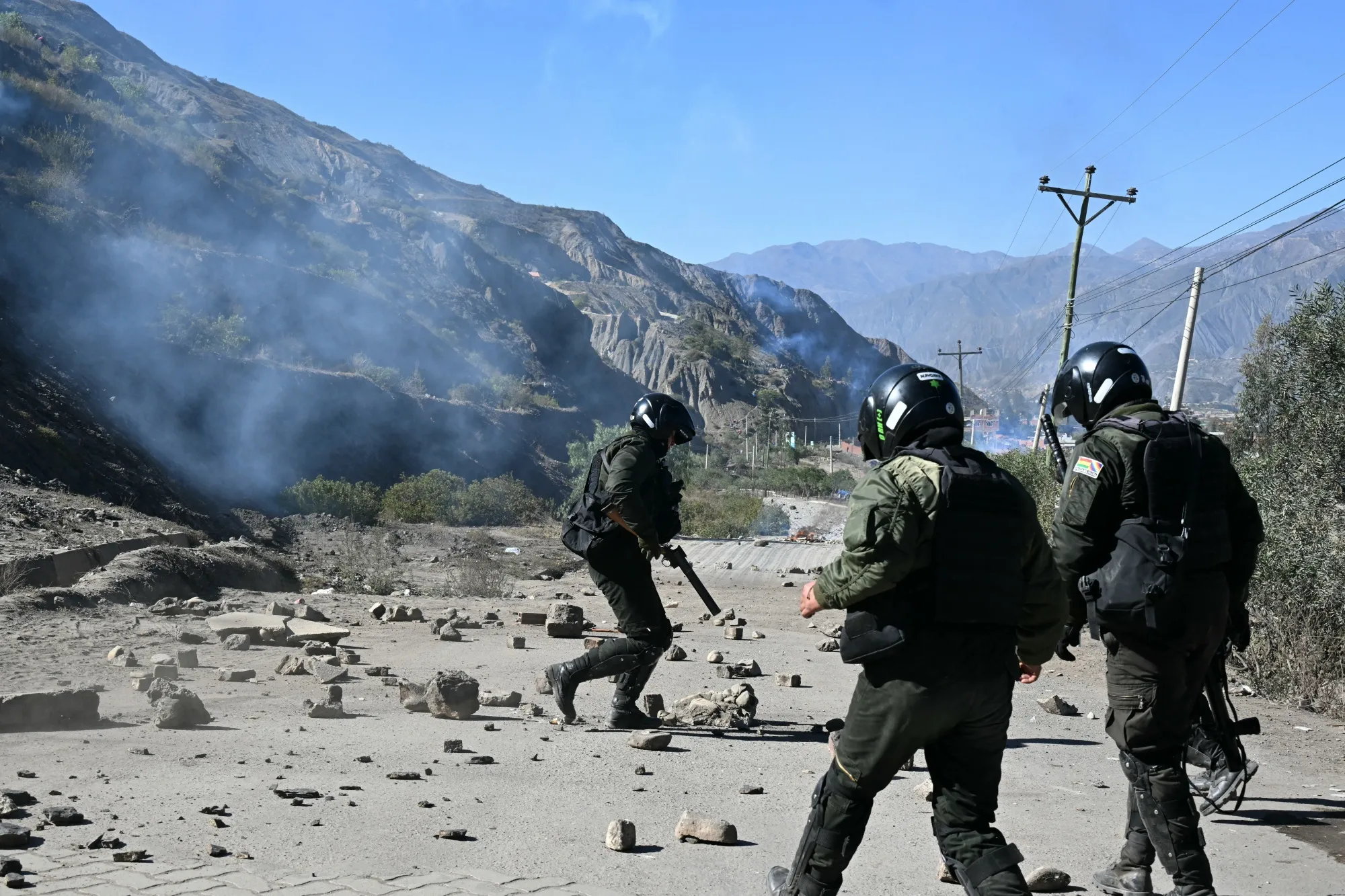
Bolivia's worst economic crisis in decades has created a critical supply chain emergency for cross-border e-commerce sellers operating in or shipping to the Andean region. On Saturday, military and law enforcement deployed 3,500 personnel to clear 22 roadblocks established by miners, teachers, Indigenous groups, and unions protesting President Rodrigo Paz's austerity measures—including fuel subsidy cuts and state company privatizations. The blockades have triggered cascading disruptions: food prices surged significantly, nationwide fuel shortages persist, and the government reports three deaths from hospital access delays, signaling the severity of logistics breakdown.
For e-commerce sellers, this crisis presents immediate operational challenges across multiple dimensions. Cross-border sellers shipping to Bolivia, Peru, Chile, and Argentina face extended customs processing times (estimated 5-10 day delays), increased transportation costs due to fuel scarcity, and potential inventory stranding at border checkpoints. The economic collapse—rooted in natural gas export revenue decline since 2022—has reduced consumer purchasing power in the region by an estimated 20-30%, directly impacting demand for discretionary e-commerce categories like electronics, apparel, and home goods. Sellers with existing inventory in Bolivian warehouses or 3PL facilities face heightened risk of spoilage, theft, or forced liquidation at depressed prices.
The regional spillover effect extends beyond Bolivia's borders, creating systemic risk for Andean logistics networks. Argentina's President Javier Milei's public support for Paz's government signals potential coordinated regional responses to unrest, which could trigger additional border restrictions or customs enforcement tightening. Sellers should anticipate 15-25% increases in fulfillment costs for the region due to fuel surcharges, longer transit times requiring expedited shipping premiums, and increased insurance costs for goods in transit. The structural vulnerability of commodity-dependent economies means this crisis could persist for 6-12 months, requiring sellers to reassess their South American fulfillment strategies.
Immediate risk mitigation requires strategic inventory repositioning and carrier diversification. Sellers with high exposure to Bolivia and neighboring countries should consider temporary suspension of new shipments to the region, accelerated clearance of existing inventory through promotional pricing, and evaluation of alternative 3PL providers in more stable locations (Chile, Colombia). Monitoring customs authority announcements and establishing direct relationships with freight forwarders familiar with alternative border routes becomes critical. The situation demonstrates how geopolitical crises in emerging markets can rapidly destabilize logistics networks and compress margins by 8-15% for regional sellers.
Questions 8
What alternative logistics strategies should sellers implement for South American operations?
Sellers should diversify 3PL providers across multiple countries—establishing primary fulfillment in Chile (most stable), secondary in Colombia, and tertiary in Argentina. Evaluate regional consolidation hubs in Lima (Peru) or Santiago (Chile) to reduce exposure to any single country's political instability. Implement inventory pre-positioning strategies 60-90 days before peak seasons to avoid transit during crisis periods. Establish direct relationships with freight forwarders familiar with alternative border routes and timing windows. Consider temporary shift toward digital products or dropshipping models for the region until logistics stabilize.
How much will fulfillment costs increase for Andean region sellers due to fuel shortages?
Fulfillment costs for the Andean region are increasing 15-25% due to fuel surcharges, extended transit times requiring expedited shipping premiums, and heightened insurance costs for goods in transit. A typical shipment costing $500-800 to Bolivia now costs $575-1,000, compressing seller margins by 8-15%. These increases reflect both direct fuel cost pass-through (5-8%) and indirect costs from route delays, carrier capacity constraints, and risk premiums. Sellers should model worst-case scenarios assuming 25% cost increases persist through Q2 2025.