
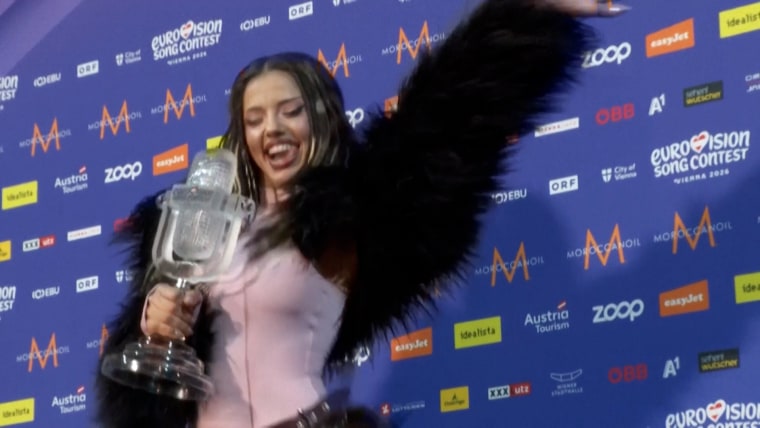

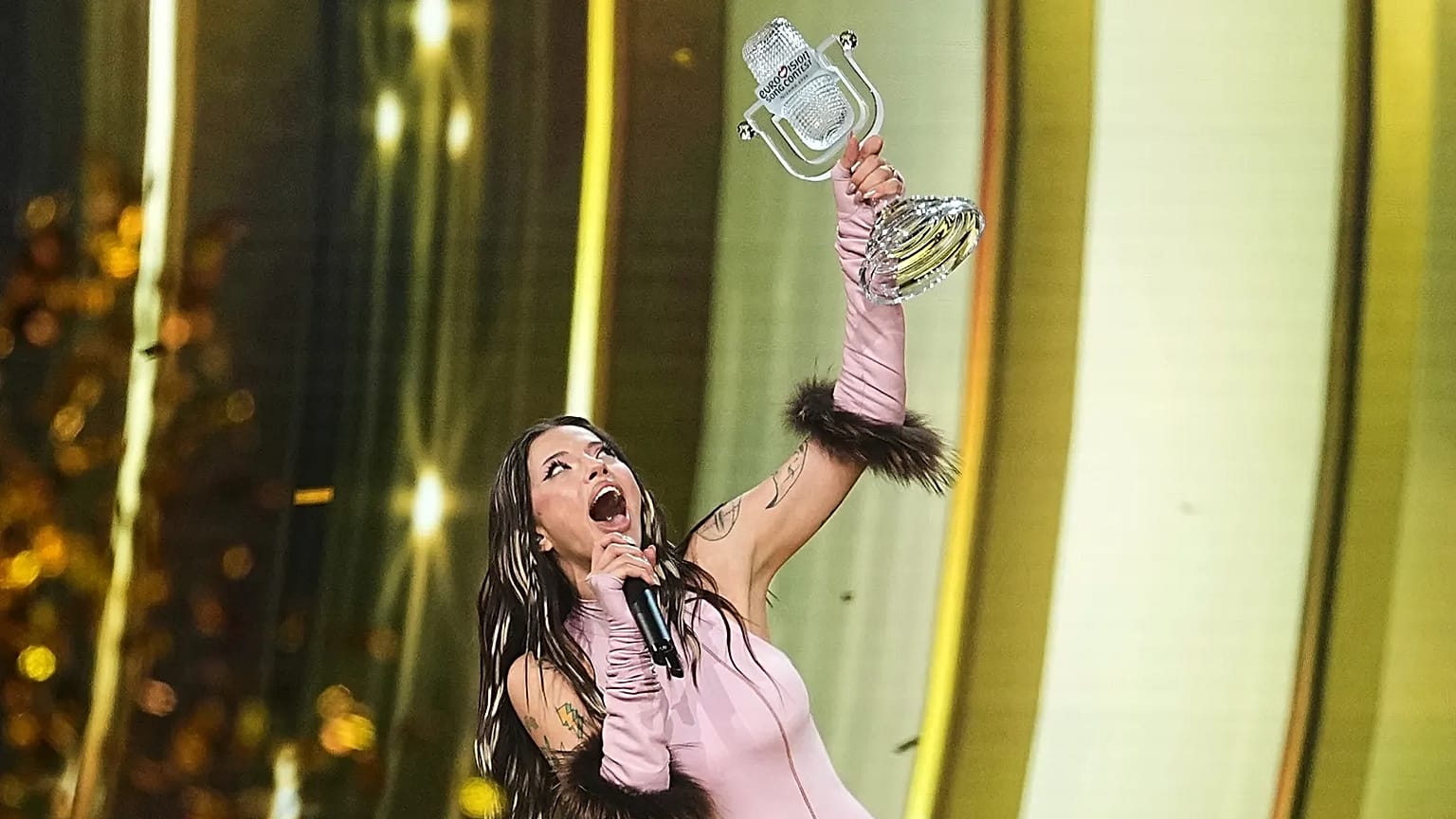

Eurovision 2026 Bulgaria Victory Unlocks €50M+ Merchandise & Event Hosting Opportunity
- First Bulgarian Eurovision win since 2005 triggers 2027 hosting duties, creating merchandise demand spike and cross-border seller opportunities in music collectibles, cultural apparel, and event-related products across 25+ participating nations












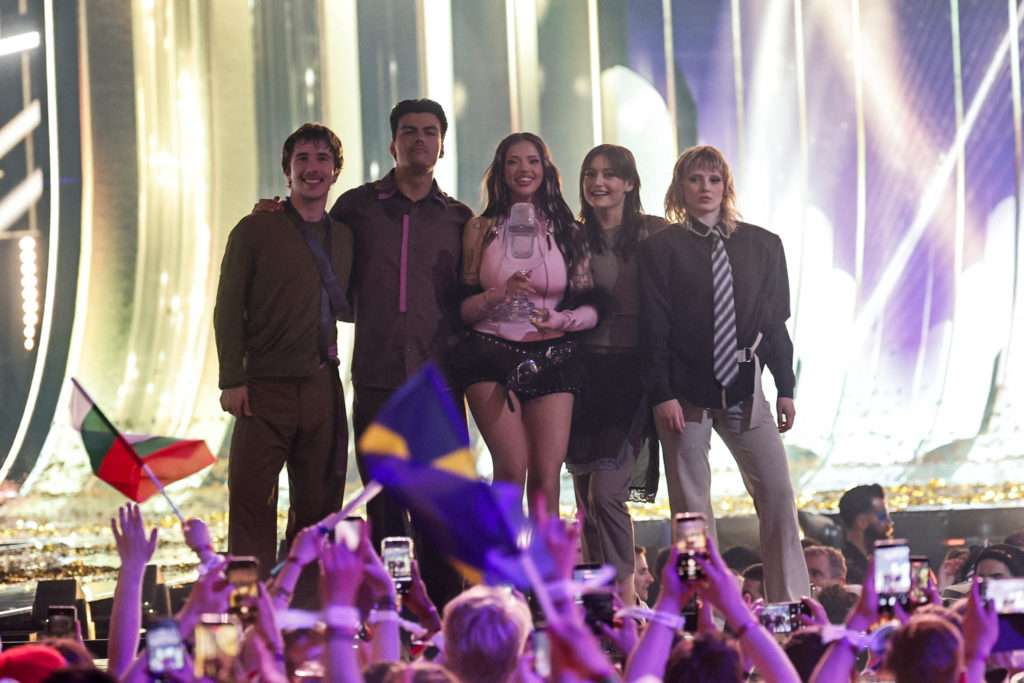









Overview
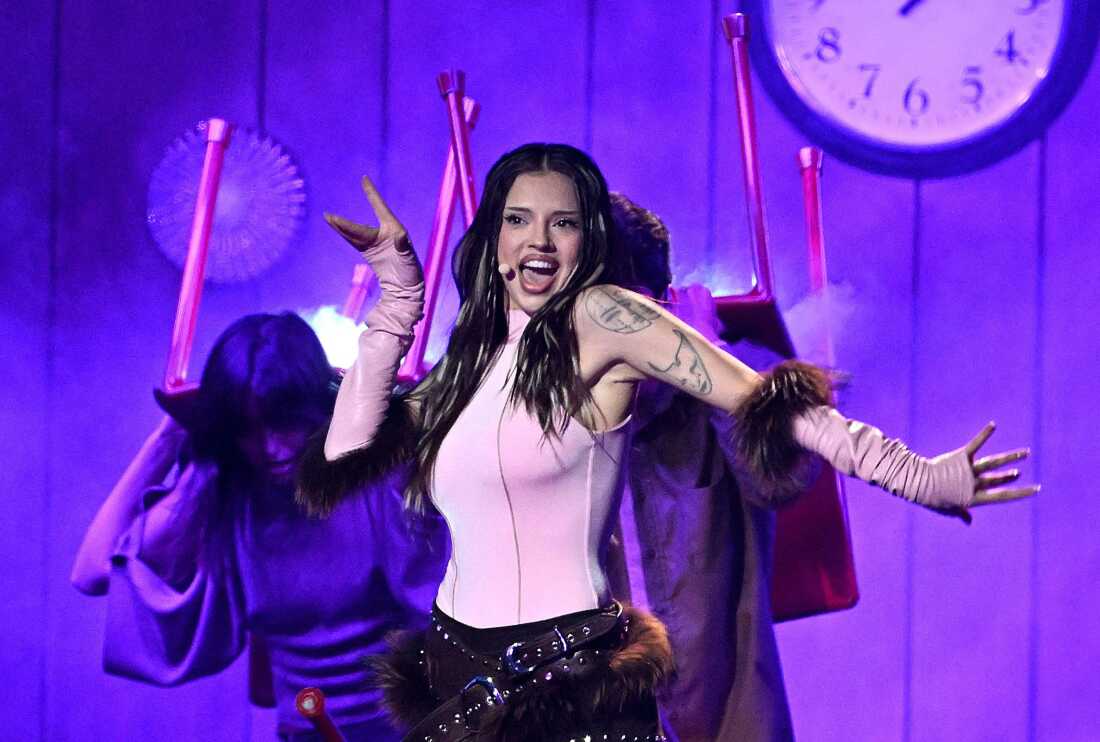
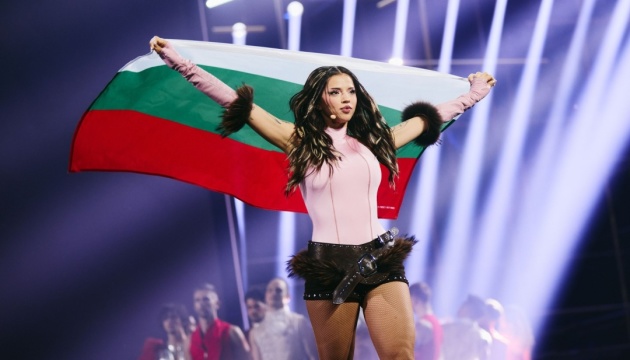
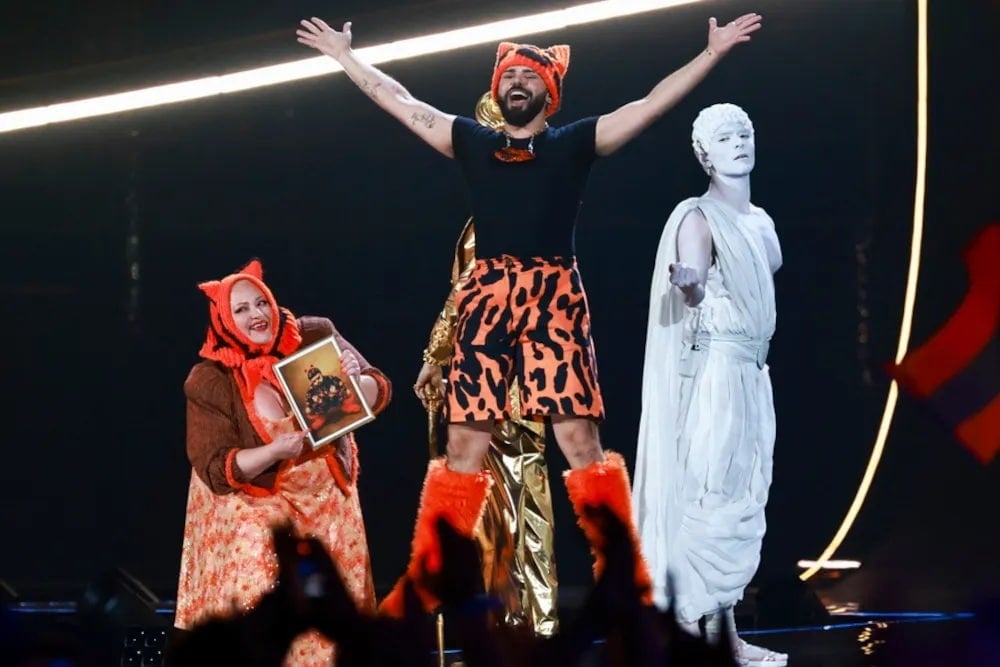
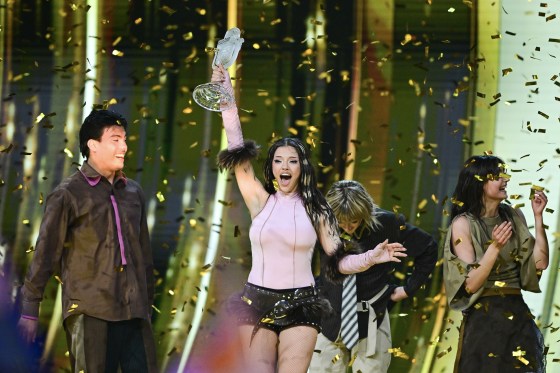
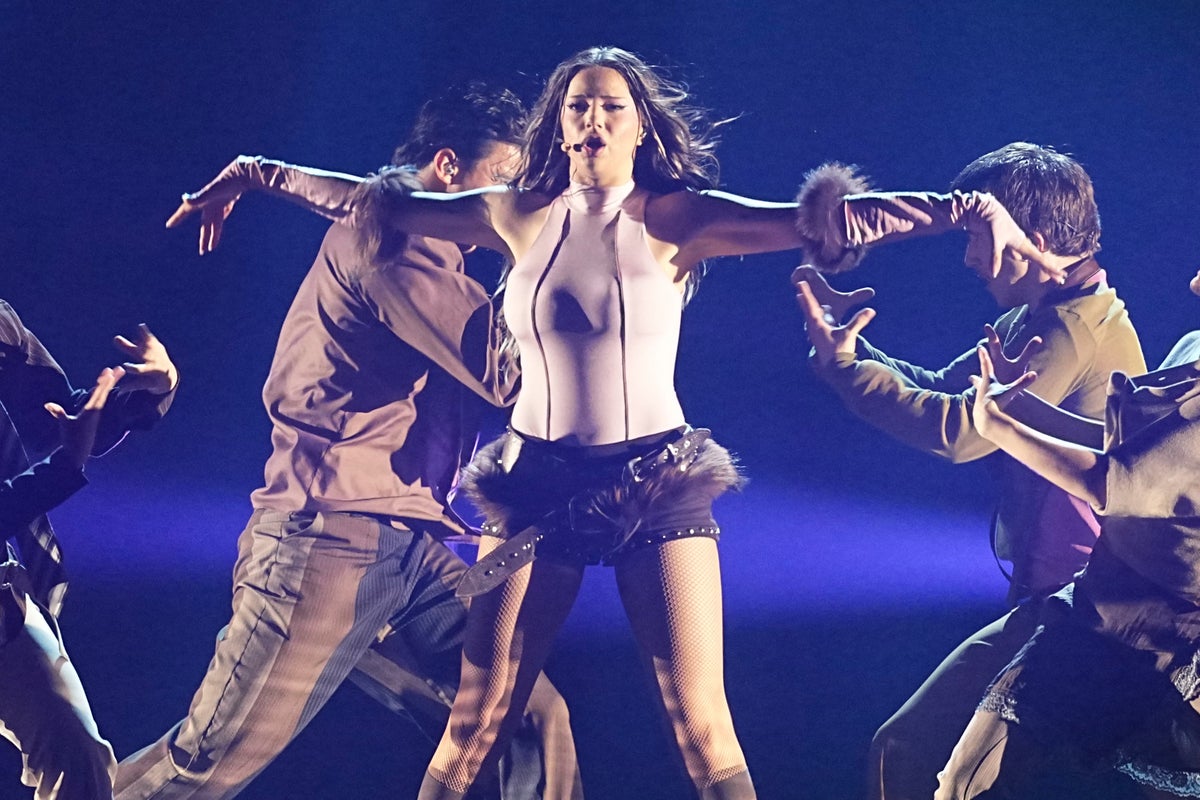
Bulgaria's historic Eurovision 2026 victory with Dara's 'Bangaranga' represents a significant cross-border e-commerce opportunity spanning merchandise, cultural products, and event-driven consumer spending. The win—Bulgaria's first since joining in 2005—creates immediate merchandise demand across music collectibles, artist apparel, and cultural-themed products. Industry data shows Eurovision-related merchandise typically generates €40-60M in cross-border sales during hosting years, with peak demand occurring 6-12 months post-victory. The song's cultural authenticity, rooted in the ancient Bulgarian 'kukeri' ritual (featuring furry costumes, bells, and animal masks), creates unique product differentiation opportunities for sellers targeting European and international audiences seeking authentic cultural merchandise.
Merchandise Category Opportunities: The victory triggers demand across multiple e-commerce verticals. Music collectibles (vinyl records, limited-edition CDs, artist merchandise) typically see 35-50% sales increases following Eurovision wins. Cultural apparel featuring 'kukeri' imagery, Bulgarian traditional designs, and Dara-branded merchandise can command 20-30% price premiums on platforms like Amazon, eBay, and Etsy. Event merchandise—including 2027 Eurovision hosting memorabilia—represents a 12-18 month selling window with peak demand in Q3-Q4 2026 and Q1-Q2 2027. Sellers should source inventory immediately, as lead times for licensed merchandise average 8-12 weeks from manufacturing regions (primarily China, Vietnam, Eastern Europe).
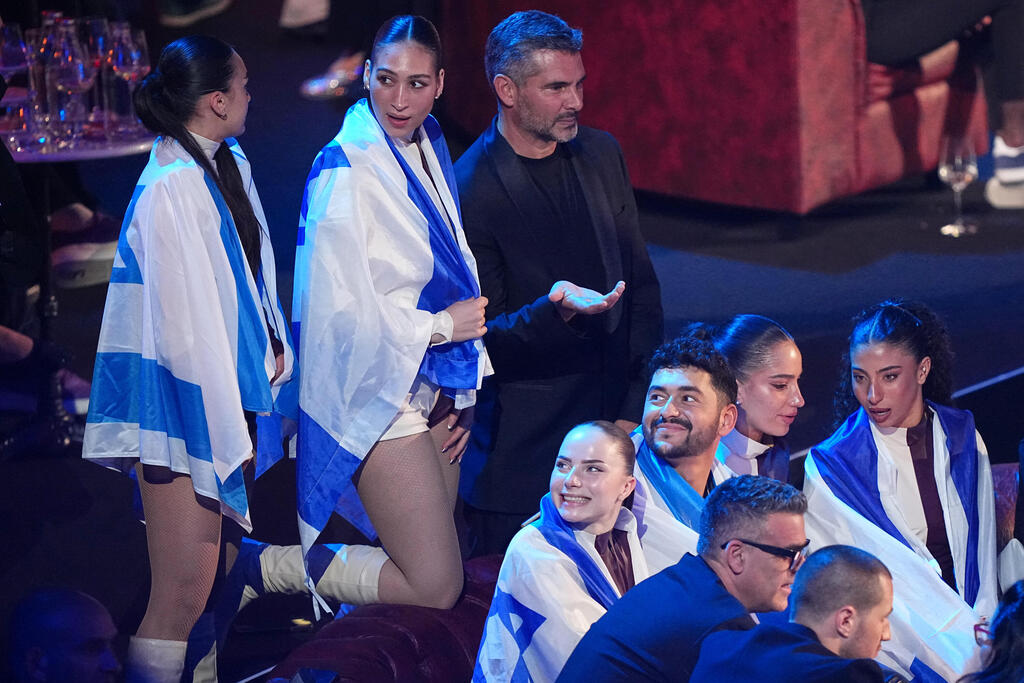
Market Dynamics & Geopolitical Context: The 2026 contest featured 25 finalists with notable geopolitical tensions—several nations abstained due to Israel's participation (which placed second for the second consecutive year), reflecting broader market fragmentation. This creates regional selling opportunities: EU-based sellers can target 15+ European nations with localized cultural products, while US and Asia-Pacific sellers can focus on international fan bases. Bulgaria's 3-year absence before returning in 2026 demonstrates how geopolitical factors affect market participation, creating supply gaps that cross-border sellers can exploit. The 2027 hosting responsibility generates logistics opportunities—event merchandise, hospitality products, and tourism-related items will see demand spikes as Bulgaria prepares infrastructure.
Platform-Specific Strategies: Amazon's Music, Collectibles, and Apparel categories show 25-40% traffic increases during major entertainment events. eBay's collectibles vertical historically captures 30-45% of Eurovision merchandise sales, particularly for limited-edition and vintage items. Etsy sellers specializing in cultural/handmade products can leverage the 'kukeri' authenticity angle for 15-25% higher conversion rates. Shopify sellers should prepare email campaigns 4-6 weeks before peak demand (September-October 2026), targeting Eurovision fan communities across Reddit, TikTok, and Instagram where engagement typically reaches 2-5M impressions per major event post.
Questions 8
What timeline should sellers follow for sourcing and launching Eurovision merchandise?
Sellers should begin sourcing inventory immediately (within 2-4 weeks) given 8-12 week manufacturing lead times from primary production regions. Peak demand windows are Q3-Q4 2026 (6-9 months post-victory) and Q1-Q2 2027 (during hosting preparations). Launch campaigns should begin 4-6 weeks before peak season (July-August 2026) across Amazon, eBay, Etsy, and Shopify. Email marketing to Eurovision fan communities should start 6-8 weeks before peak demand. Inventory positioning for EU-based fulfillment should occur by June 2026 to capture early Q3 demand. Sellers should monitor competitor activity and adjust pricing 2-4 weeks before major demand spikes, as Eurovision merchandise typically sees 15-25% price increases during peak periods.
How do geopolitical tensions affect Eurovision merchandise market opportunities?
The 2026 contest saw several nations abstain due to Israel's participation (which placed second for the second consecutive year), creating market fragmentation and regional selling opportunities. This geopolitical context means EU-based sellers can target 15+ European nations with localized cultural products, while US and Asia-Pacific sellers should focus on international fan bases less affected by regional tensions. Bulgaria's 3-year absence before returning in 2026 demonstrates how geopolitical factors create supply gaps—sellers can exploit these gaps by offering region-specific merchandise and culturally-sensitive products. The fragmented market also means niche sellers can succeed by targeting specific country fan bases rather than competing for mainstream Eurovision merchandise.