



Nintendo's Precision Engineering: Transforming Console Transitions Through Intelligent Compatibility
- Strategic game compatibility updates signal a new era of platform evolution for gaming ecosystem

Overview
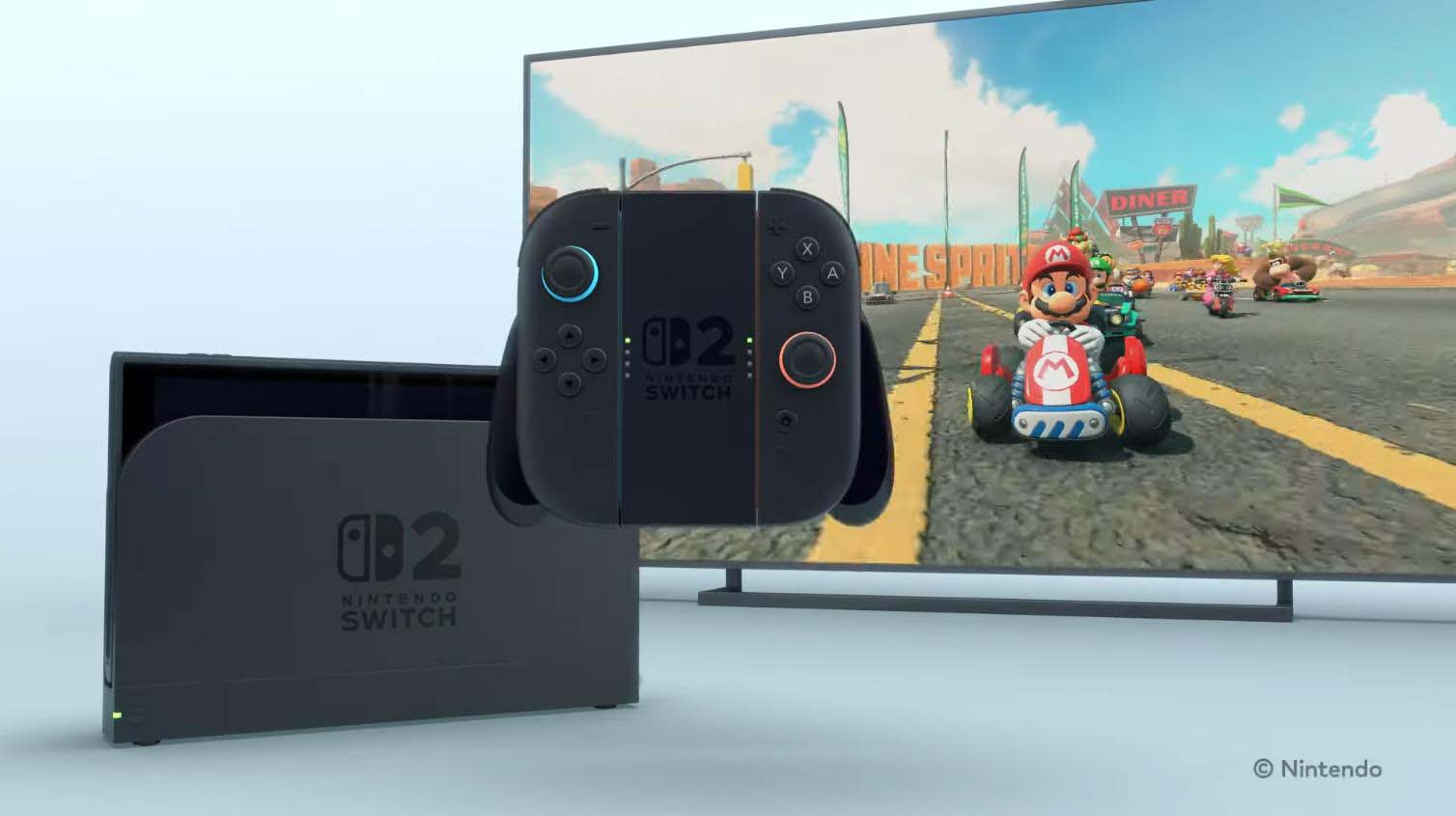
Nintendo is redefining hardware transitions through a meticulously planned backwards compatibility strategy that transforms potential consumer friction into a seamless technological upgrade experience. The Switch 2's systematic compatibility updates represent more than technical fixes—they're a sophisticated approach to maintaining user trust and developer confidence during a critical platform migration.
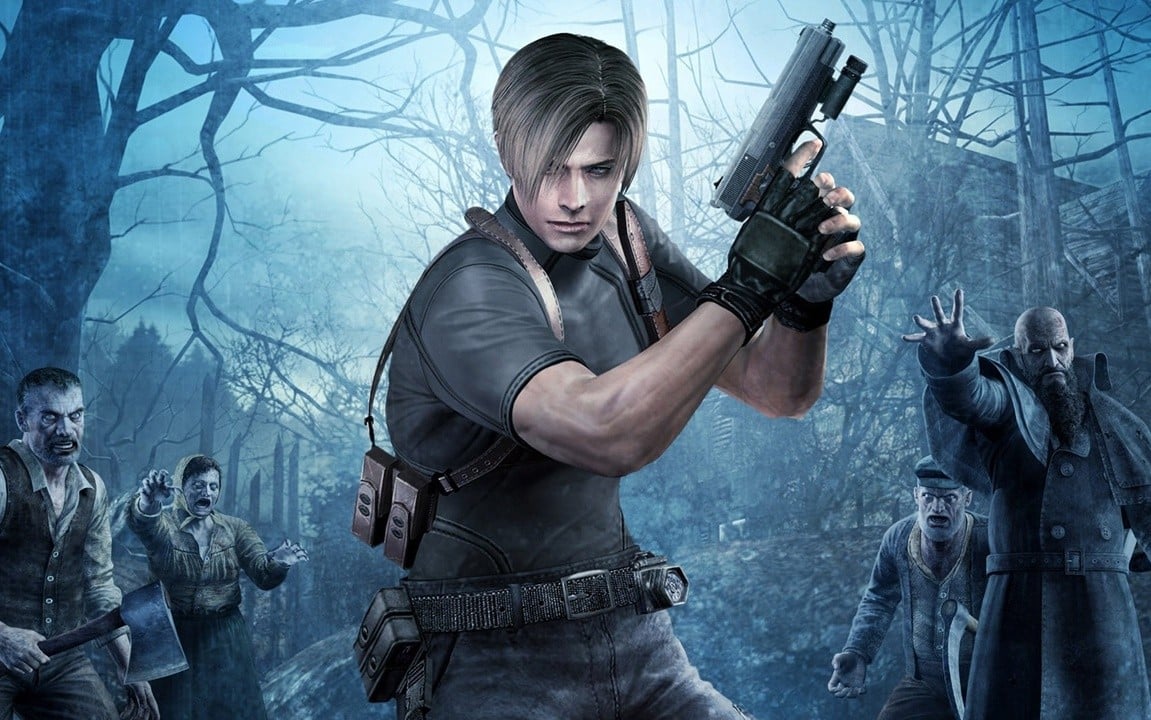
By releasing targeted updates for nine games, including popular titles like Resident Evil 4 and Miitopia, Nintendo demonstrates a surgical precision in resolving platform integration challenges. The December 2025 updates reveal a deeper strategic playbook: instead of wholesale platform replacement, the company is engineering a gradual, supportive transition that preserves existing game investments.
The compatibility approach goes beyond mere technical maintenance. It's a calculated method of reducing upgrade resistance by ensuring that gamers' existing libraries remain valuable and functional. Games like Game Dev Story and Streets of Rage 4 receive careful attention, signaling Nintendo's commitment to preserving diverse gaming experiences across hardware generations.
Critically, Nintendo isn't just fixing compatibility—they're building an ecosystem strategy. By proactively addressing issues in titles like A Hat in Time, which still requires further updates, the company shows transparency and long-term platform support. This approach creates a compelling value proposition for both consumers and game developers: invest in the Nintendo ecosystem, and your content remains relevant.
The incremental update strategy also reveals a nuanced understanding of technological transition. Rather than forcing a complete library reset, Nintendo is creating a bridge between generations, minimizing disruption and maintaining the emotional and financial investment of its user base. This isn't just technical engineering—it's user experience design at a platform level.
Questions 3
How is Nintendo ensuring a smooth transition between Switch and Switch 2?
Nintendo is systematically releasing compatibility updates that fix game-specific issues, allowing most existing Switch games to work on the new platform. They've already addressed compatibility for nine games, including major titles like Resident Evil 4, and continue to provide transparent information about which games are fully supported.
What makes Nintendo's backwards compatibility approach unique?
Unlike many console manufacturers, Nintendo is taking a granular, game-by-game approach to compatibility. Instead of a blanket solution, they're carefully engineering fixes for individual titles, which demonstrates a commitment to preserving user game libraries and minimizing upgrade friction.