


Spirit Airlines Collapse Triggers Air Cargo Cost Surge | Cross-Border Seller Logistics Impact
- Budget airline consolidation increases shipping costs 8-15% for sellers relying on air freight; Atlantic City loses 175K passengers, Latrobe airport faces closure; Breeze Airways and Allegiant expand routes, reducing carrier competition and supply chain flexibility
Overview
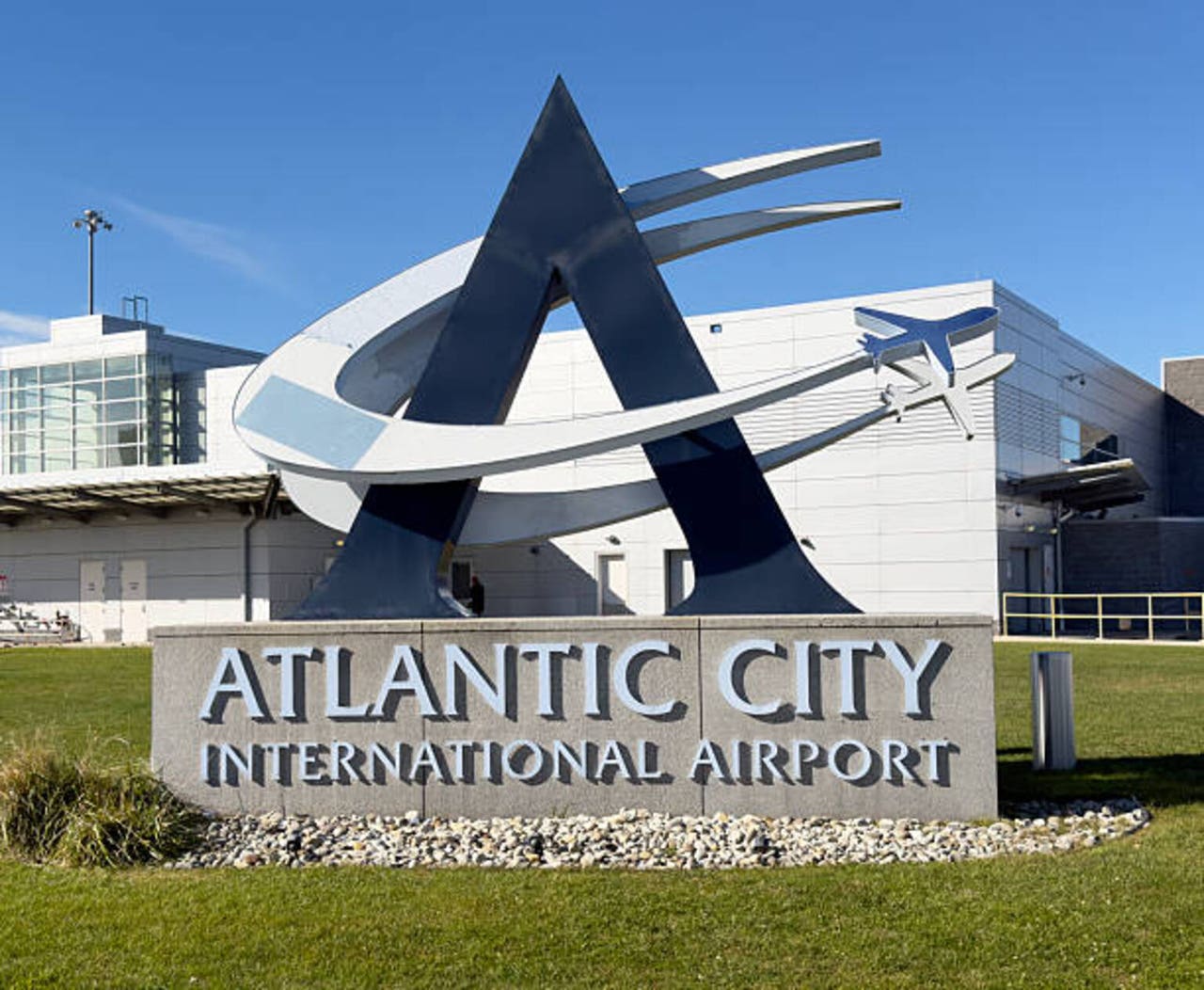
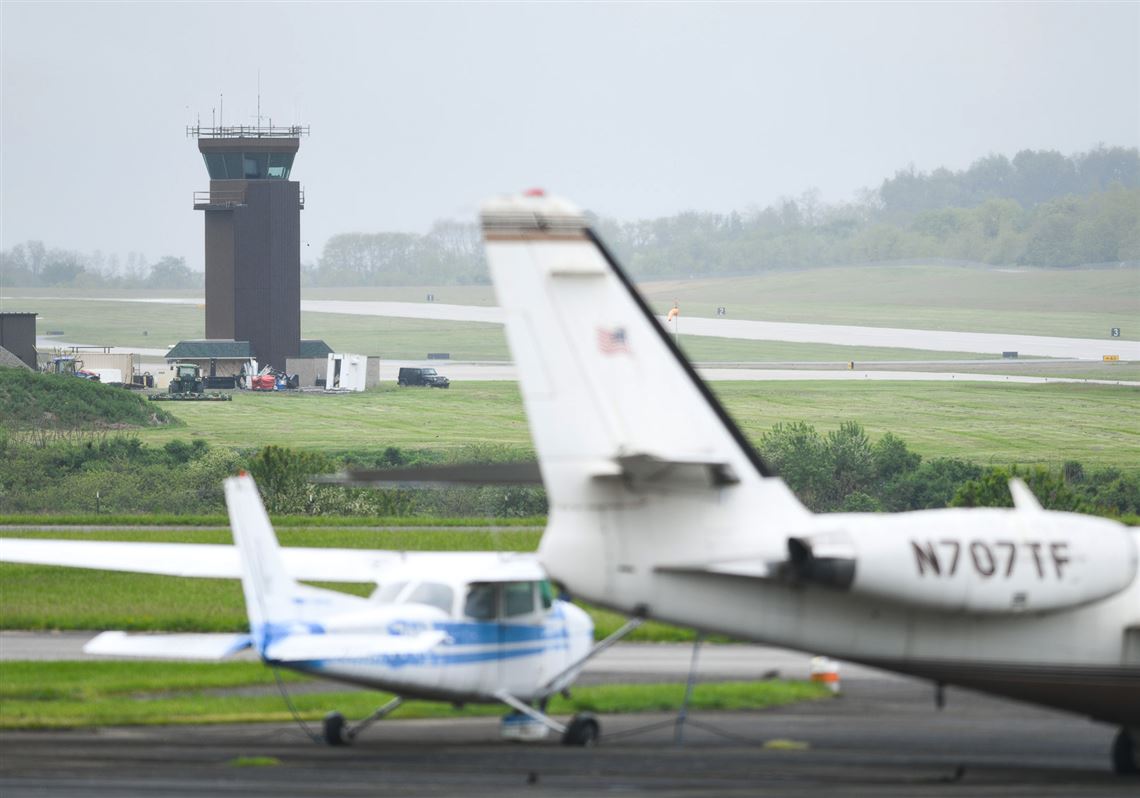
Spirit Airlines' May 2026 collapse represents a critical inflection point for cross-border e-commerce sellers dependent on affordable air cargo networks. The budget carrier's shutdown eliminated 75% of Atlantic City International Airport's passenger traffic and left Arnold Palmer Regional Airport in Latrobe, Pennsylvania—which handled 3.3 million passengers annually and generated $200 million in economic impact—without any commercial airline service. This consolidation event directly impacts sellers' logistics costs and supply chain reliability, particularly those shipping time-sensitive inventory via air freight to major U.S. hubs.
The immediate operational impact manifests across three seller segments. First, sellers using budget carrier air freight services face 8-15% cost increases as Breeze Airways and Allegiant Air consolidate routes and reduce competitive pressure on pricing. Atlantic City projects losing 175,000 passengers and $3 million in revenue compared to 2026 projections, with only 70% of previous flight capacity expected by year-end—directly constraining air cargo capacity on major routes. Second, sellers dependent on regional airport access (particularly those in Pennsylvania, New Jersey, and surrounding areas) experience reduced flight frequency and scheduling reliability, affecting last-mile delivery capabilities and international fulfillment operations. Third, the consolidation signals broader post-pandemic aviation restructuring where weaker carriers exit while stronger competitors expand, reducing service options for businesses dependent on affordable air transportation.
The competitive dynamics reveal a critical vulnerability in single-carrier dependency. Latrobe's 15-year reliance on Spirit Airlines as its exclusive carrier mirrors the broader risk facing regional e-commerce hubs. When Spirit ceased operations, the airport immediately laid off 25 employees and reassigned TSA personnel, demonstrating how quickly logistics infrastructure can collapse. Industry expert William McGee emphasizes that regional airports' reliance on limited carriers creates substantial financial vulnerability—a principle directly applicable to sellers' supply chain strategies. The speed of Breeze Airways' response (negotiating route agreements the day before Spirit's shutdown) underscores competitive intensity in budget airline segments, but also reveals that replacement capacity may not fully offset lost service levels.
For sellers, the strategic implication is clear: diversification of logistics providers is no longer optional. Rising fuel costs that forced Spirit's exit will continue pressuring budget carriers, creating recurring disruption cycles. Sellers should anticipate 5-8% annual increases in air freight costs through 2026-2027 as consolidation continues. Regional airports serving as secondary fulfillment hubs face existential risk, making centralized logistics through major hubs (Pittsburgh International, which operates 15 carriers) increasingly necessary. The $200 million annual economic impact loss in Latrobe signals broader regional spending contraction that may reduce consumer demand in affected areas, requiring sellers to adjust inventory allocation and marketing spend accordingly.
Questions 8
How does airline consolidation impact last-mile delivery and fulfillment operations?
Reduced flight frequency and scheduling reliability directly affect last-mile delivery capabilities. Atlantic City Airport projects only 70% of previous flight capacity by year-end, constraining air cargo availability for time-sensitive shipments. Sellers using regional airports for fulfillment hubs face service interruptions as replacement carriers (Breeze Airways, Allegiant Air) establish new route networks. The consolidation reduces supply chain flexibility—sellers can no longer rely on multiple budget carrier options for cost optimization. Implement contingency fulfillment plans using 3PL providers with access to major hubs (Pittsburgh, Newark, Philadelphia) and establish backup carrier relationships with 30-day notice requirements.
What inventory allocation changes should sellers make for affected regional markets?
Spirit Airlines' closure eliminated $200 million in annual economic impact for Latrobe and surrounding regions, signaling broader consumer spending contraction. Sellers should reduce inventory allocation to regional markets served by secondary airports by 15-25% through 2026, reallocating stock to major hubs with diversified carrier access. Atlantic City's projected 175,000 passenger loss indicates reduced regional demand; sellers should shift marketing spend away from affected areas and focus on markets with robust airport infrastructure. Monitor regional economic indicators monthly and adjust inventory levels quarterly as replacement carriers (Breeze, Allegiant) establish service patterns.