

Geopolitical Stability Signals Impact Cross-Border Trade Risk | Sellers Monitor Middle East Tensions
- ICC clarification on May 17, 2026 reduces immediate legal uncertainty affecting Israeli-Palestinian trade corridors and regional e-commerce operations








Overview
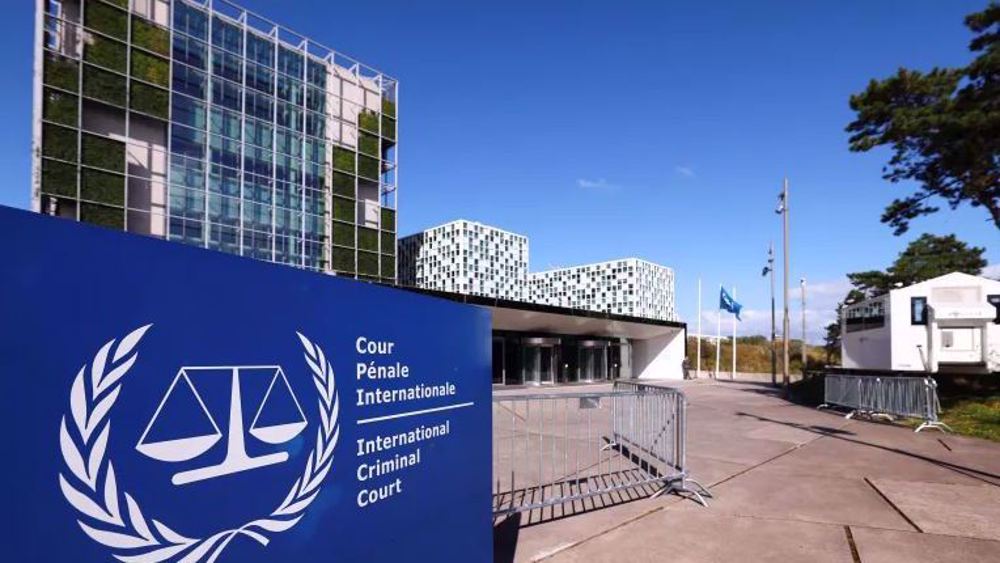
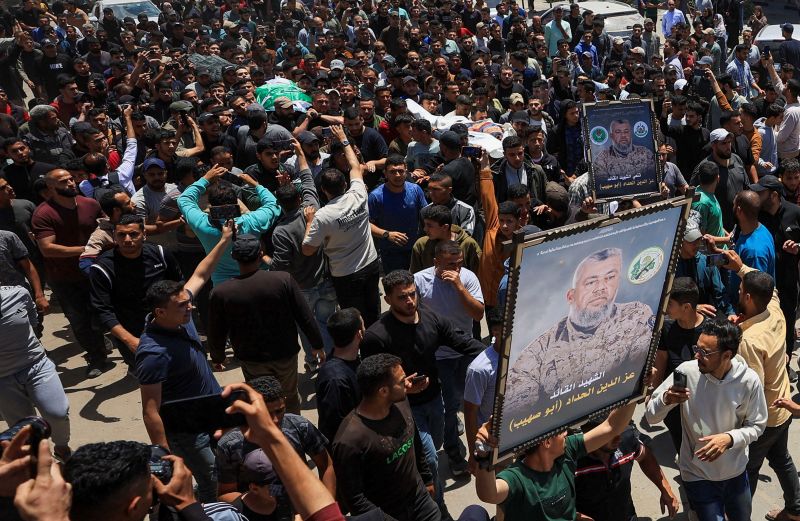
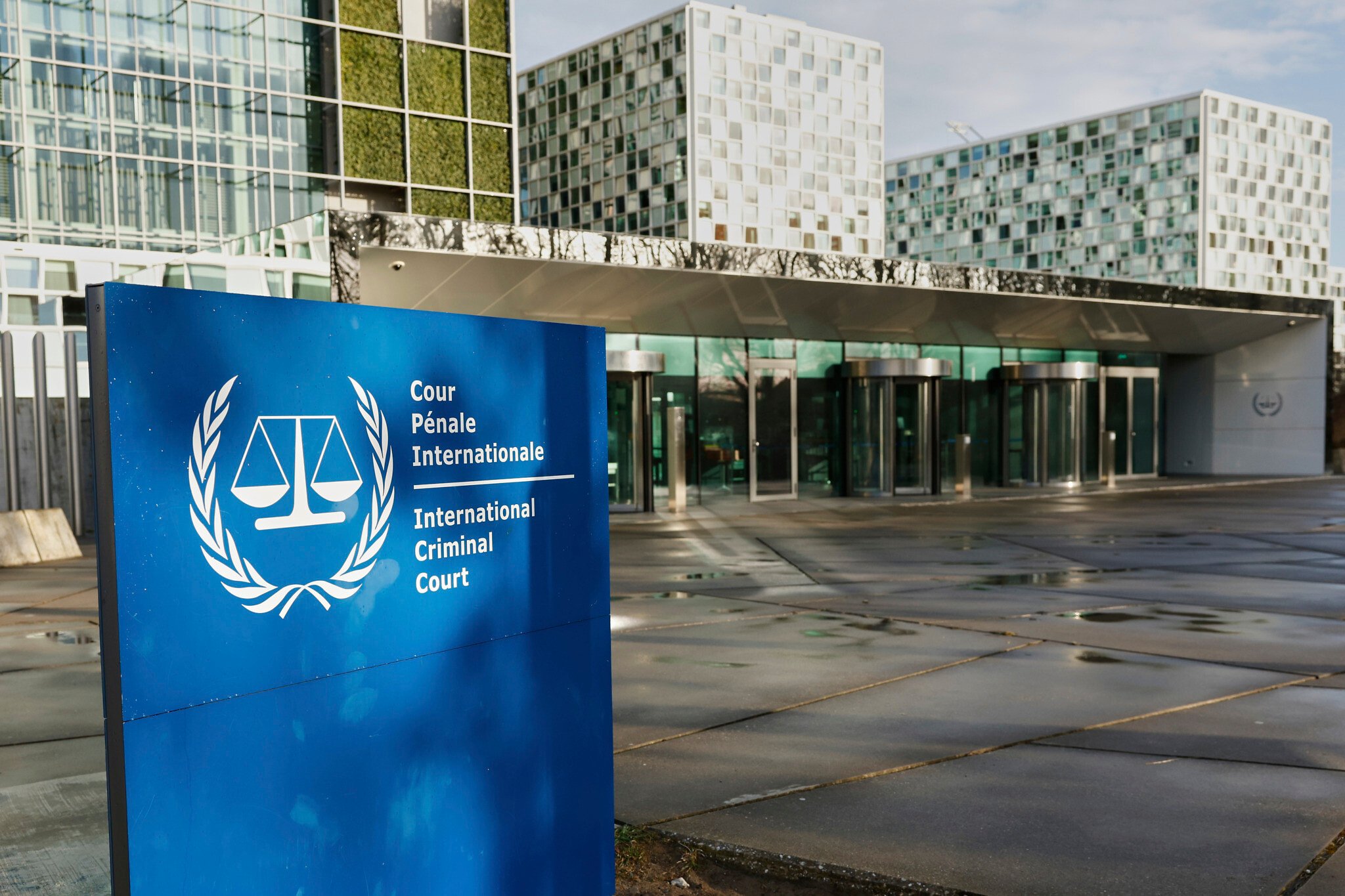
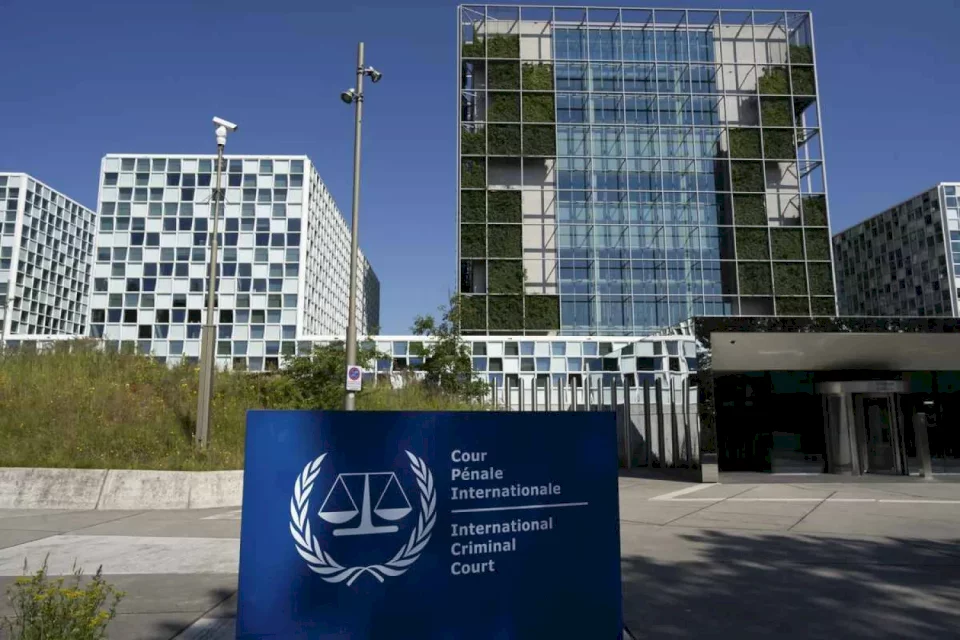
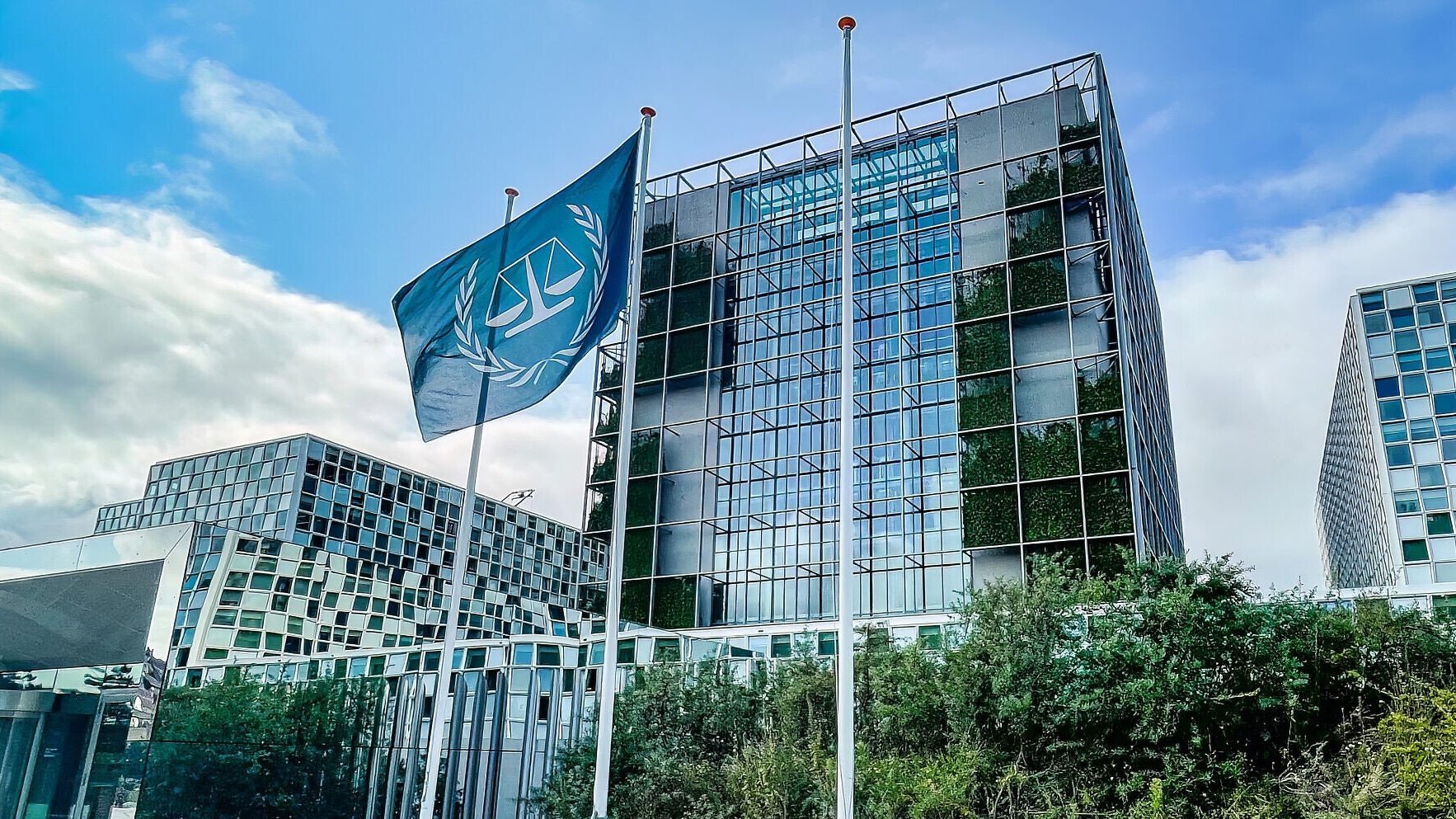
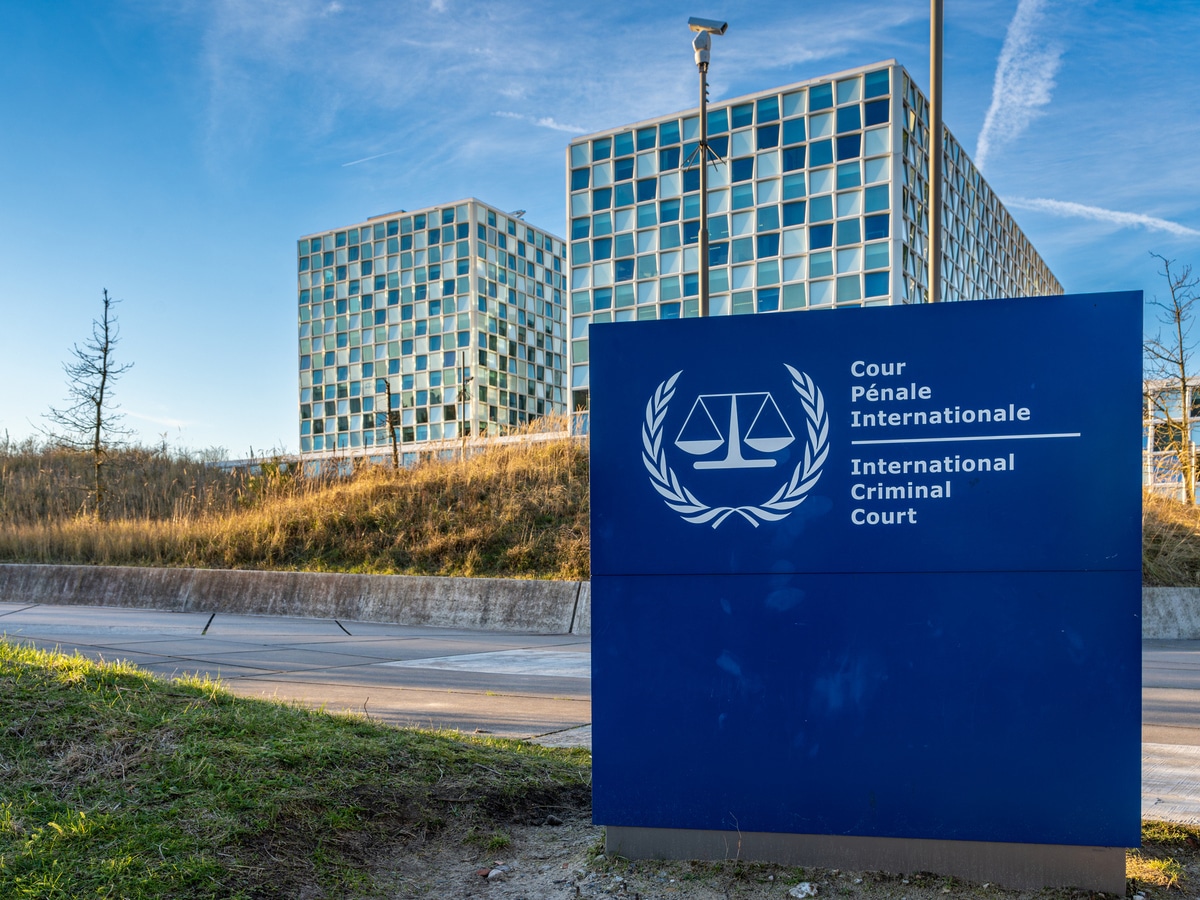
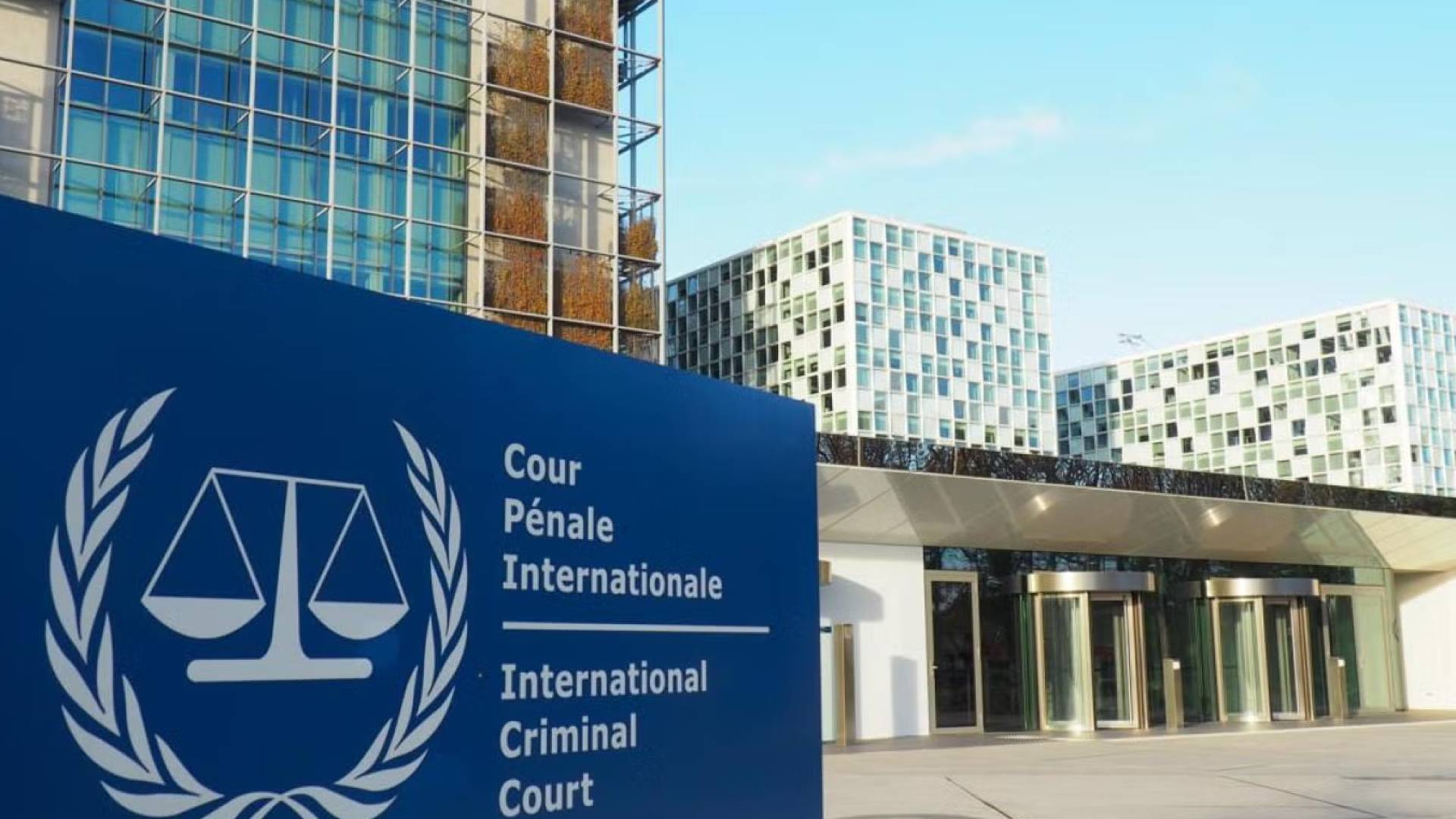
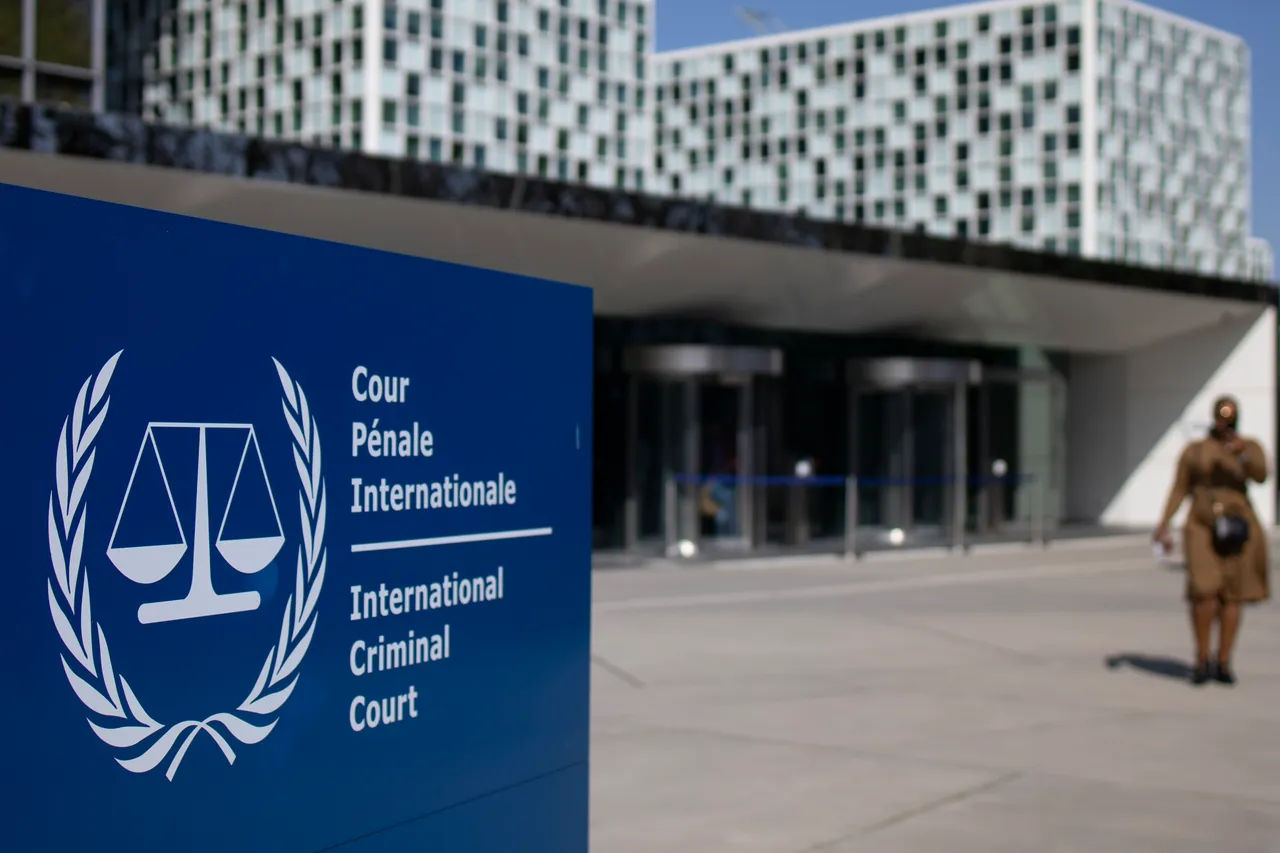
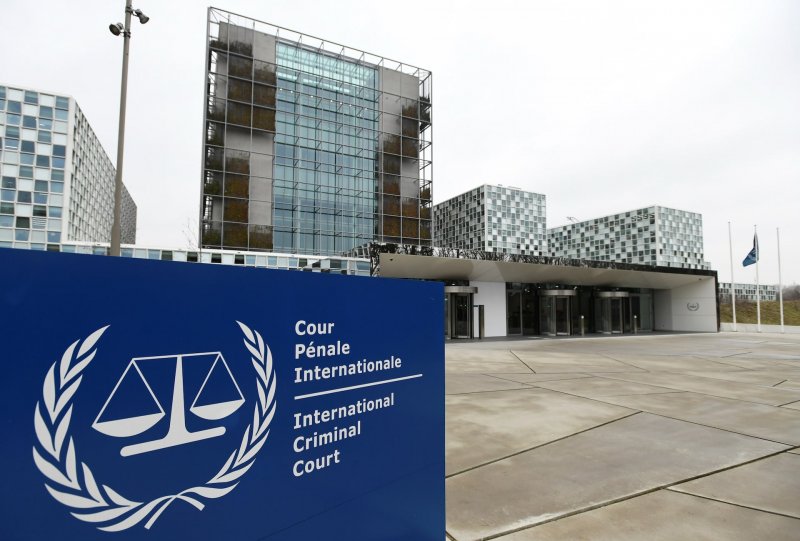
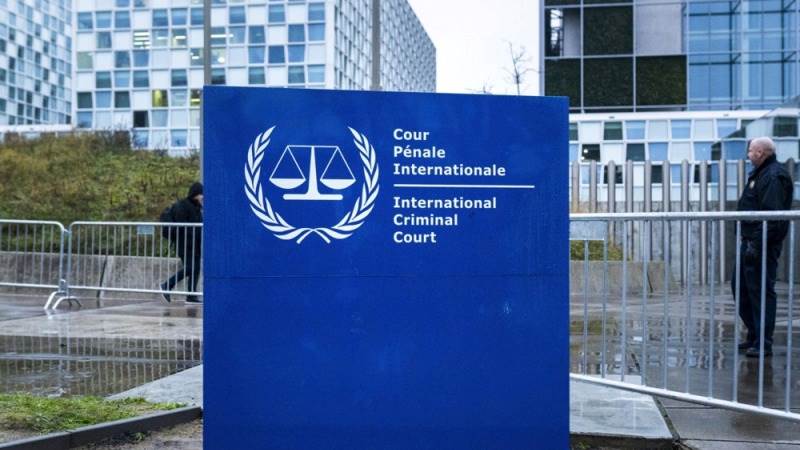
The International Criminal Court's formal denial on May 17, 2026, regarding arrest warrants against Israeli officials represents a critical stabilization signal for cross-border sellers operating in Middle Eastern markets and those managing supply chains through the region. ICC spokesperson Oriane Maillet's explicit statement denying "the issuance of new arrest warrants in the situation in the state of Palestine" directly addresses misinformation that could have triggered immediate trade disruptions, currency volatility, and shipping route complications affecting e-commerce operations.
Geopolitical Risk Mitigation for Sellers: The ICC's proactive denial through official channels (Reuters, Haaretz) demonstrates institutional commitment to preventing misinformation-driven market shocks. For cross-border sellers, this clarification reduces uncertainty premiums that typically inflate shipping insurance costs (2-5% increases during conflict escalation periods) and customs processing delays (3-7 day extensions). Sellers with inventory in Israel, Palestinian territories, or regional distribution hubs faced potential 15-25% margin compression if legal escalation had triggered trade restrictions or payment processing delays. The denial stabilizes these operational assumptions for Q2-Q3 2026 planning cycles.
Supply Chain and Logistics Implications: The incident highlights how international legal proceedings create cascading effects on e-commerce infrastructure. Sellers shipping electronics, textiles, or consumer goods through Middle Eastern ports or using Israeli logistics partners experienced heightened compliance scrutiny during the uncertainty window. The ICC's clarification allows logistics providers to maintain standard routing and reduces the need for alternative 3PL arrangements that typically cost 8-12% more than established corridors. Regional sellers (Israeli exporters, Palestinian suppliers, Jordanian distribution centers) can now proceed with Q2 inventory commitments without hedging against legal-driven trade disruptions.
Information Accuracy and Platform Risk Management: The news underscores a critical e-commerce vulnerability: misinformation velocity in conflict-adjacent reporting. Haaretz's initial report (later denied) spread rapidly through financial and logistics networks, triggering precautionary actions by risk-averse sellers and payment processors. This pattern mirrors previous false reports about sanctions, tariffs, or regulatory changes that temporarily disrupted Amazon FBA operations, Shopify payment processing, or cross-border shipping. Sellers must implement verification protocols: confirming major geopolitical claims through official ICC channels, government trade databases, and established news outlets before adjusting inventory or logistics strategies. The 24-48 hour correction window demonstrates how quickly misinformation can be debunked, but operational damage (cancelled shipments, rerouted inventory, hedging costs) persists even after clarification.
Questions 8
How should sellers monitor ICC proceedings for trade impact signals?
Subscribe to ICC official communications (icc-cpi.int press releases), monitor Reuters/AP coverage of international legal developments, and track trade restriction announcements from US Treasury OFAC and EU sanctions databases. The ICC typically issues formal statements through official channels 24-48 hours after major announcements, providing a verification window. Sellers should avoid reacting to initial media reports; instead, wait for official ICC confirmation before adjusting logistics or inventory strategies. Setting up Google Alerts for 'ICC warrants,' 'Middle East sanctions,' and 'trade restrictions' provides early warning signals. During high-tension periods, maintain 10-15% inventory buffers and pre-arrange alternative 3PL providers to minimize disruption costs.
Which seller segments face highest risk from Middle East geopolitical uncertainty?
Israeli exporters (electronics, textiles, agricultural products), Palestinian suppliers (handicrafts, agricultural goods), and regional 3PL providers operating distribution hubs face direct operational risk from legal escalation. Sellers with 20%+ of inventory in Middle Eastern warehouses or using Israeli/Palestinian logistics partners experience 15-25% margin compression during uncertainty periods due to insurance premiums, processing delays, and alternative routing costs. Sellers shipping through Suez Canal routes or using Middle Eastern ports also face indirect impacts: 5-10 day delays and 3-8% cost increases during conflict escalation. Diversifying logistics providers and maintaining 15-20% inventory buffers outside the region mitigates these risks.