


Fed Rate Policy Uncertainty Under Warsh | Critical Impact on E-Commerce Borrowing Costs & Logistics
- Inflation at 3.8% highest since May 2023; 50% probability of rate hikes by year-end threatens seller financing and operational costs across cross-border commerce










Overview
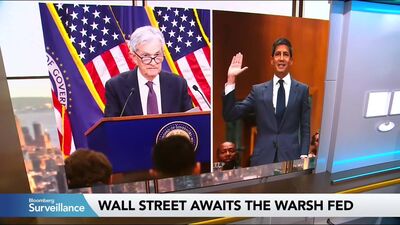
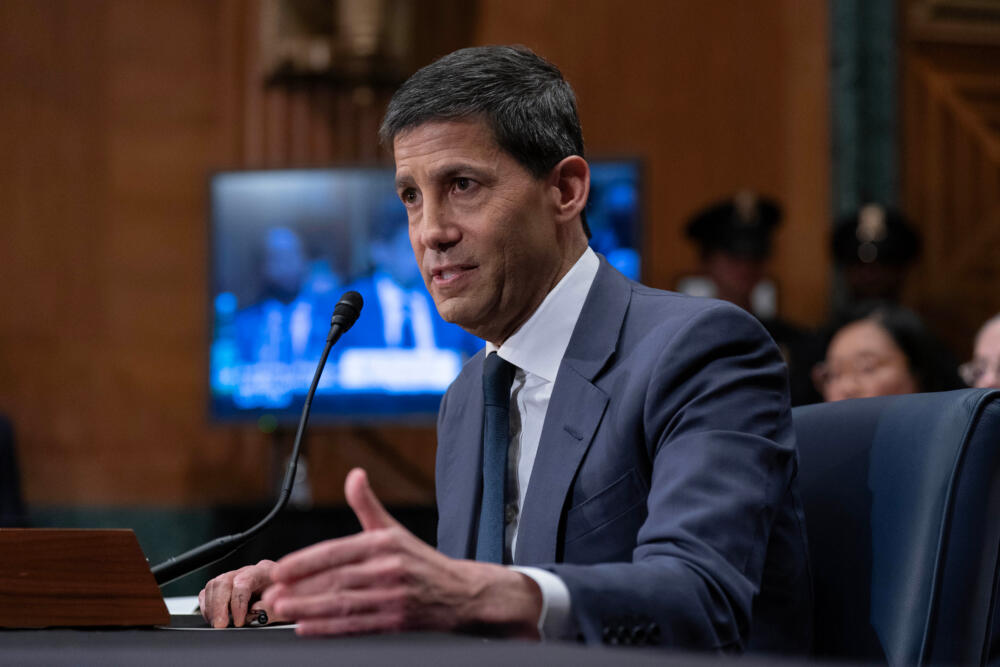
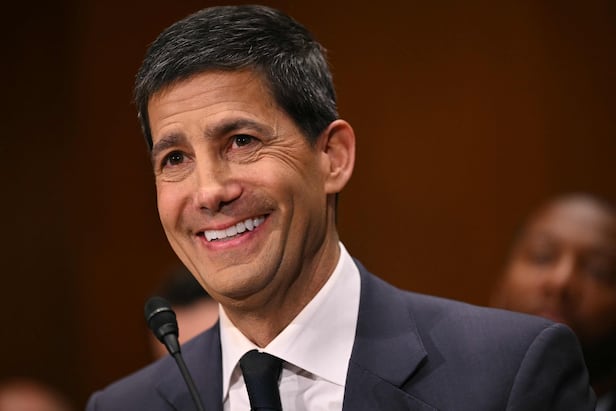
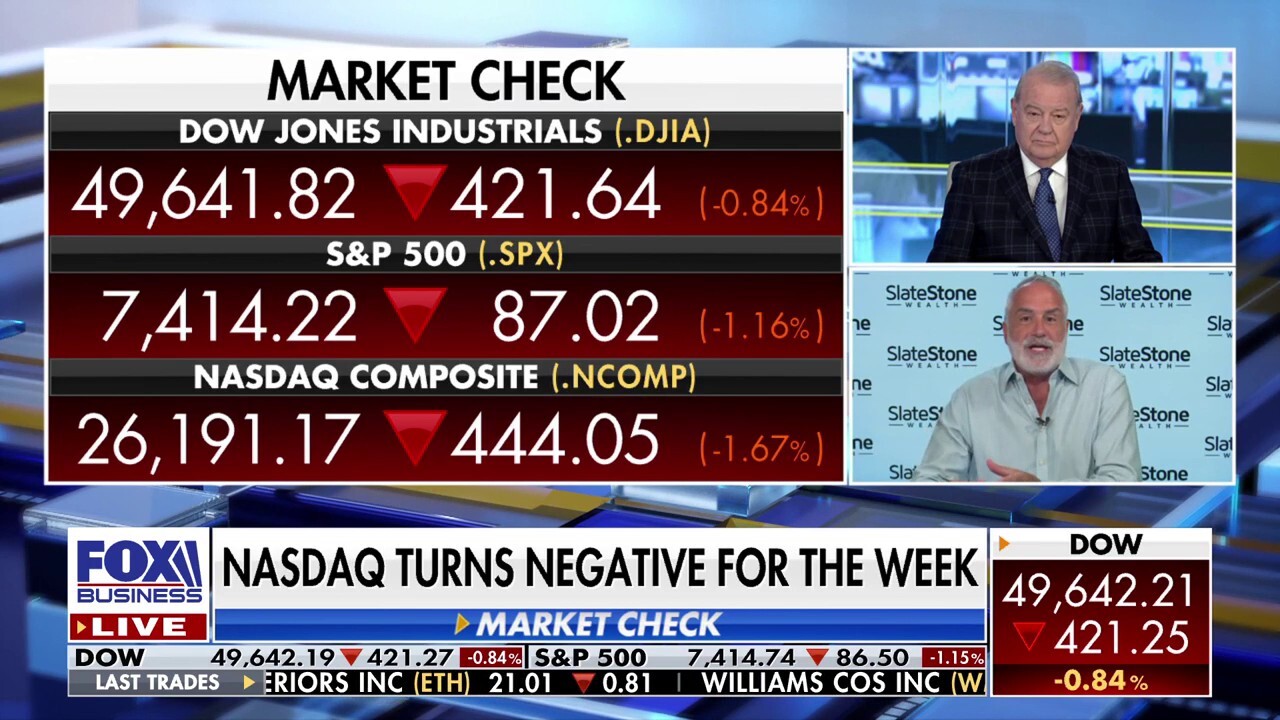
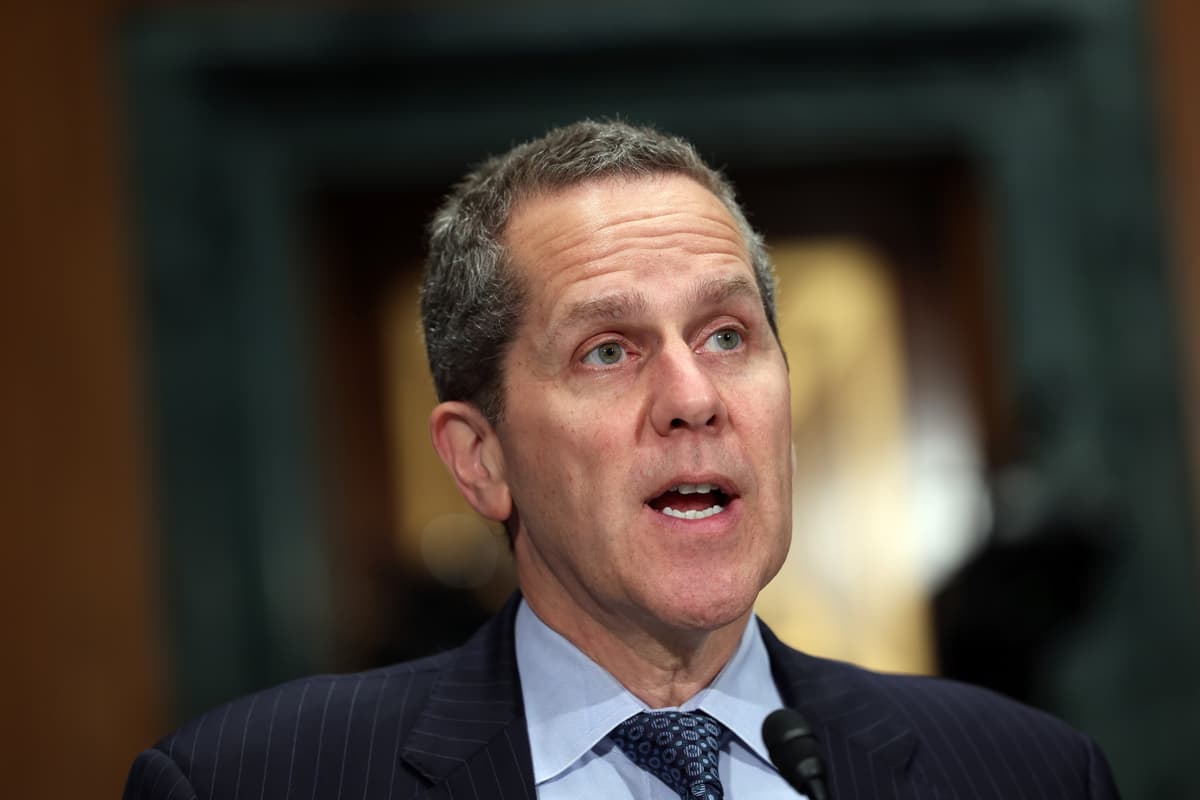
Kevin Warsh's appointment as Federal Reserve Chair arrives amid unprecedented monetary policy uncertainty that directly impacts e-commerce sellers' operational costs and financing strategies. With inflation resurging to 3.8% annualized—the highest since May 2023—driven by Iran conflict energy price spikes, the CME FedWatch Tool raised the probability of a quarter-point rate hike in 2026 to 50% on May 15, up from 40% the previous day. This contradicts Warsh's historical advocacy for rate cuts, creating a policy dilemma that will reshape borrowing costs for inventory financing, 3PL expansion, and working capital management across the e-commerce ecosystem.
The inflation-rate cut paradox creates immediate operational pressure for sellers. Energy prices surged 17.9% year-over-year in April, with gasoline up 28.4% and fuel oil up 54.3%, directly increasing shipping costs for FBA and 3PL logistics. The Producer Price Index jumped 6% year-over-year—the largest increase since 2022—signaling wholesale cost pressures that compress margins for product categories dependent on energy-intensive manufacturing and transportation. Simultaneously, the 10-year Treasury yield hit 4.5% for the first time since June 2025, and the 2-year yield rose above 4% for the first time in 11 months, making business loans and inventory financing significantly more expensive. Cross-border sellers face compounded pressure: currency volatility from potential rate hikes affects pricing strategies in international markets, while higher borrowing costs reduce capital available for inventory expansion during peak selling seasons.
Internal Fed dissent complicates policy predictability through June 18-19 FOMC meeting. Three committee members voted against the April policy statement, objecting to language implying the next move would be a rate cut. Jerome Powell remains on the Open Market Committee as a governor—breaking custom—maintaining a dissenting voice that could block consensus on rate decisions. This institutional friction, combined with Trump administration pressure for rate cuts, creates a 60-90 day window of maximum policy uncertainty. Sellers should expect volatile borrowing costs and currency fluctuations through mid-June, with potential rate hikes becoming more likely if inflation remains elevated. The AI-driven productivity gains mentioned in policy discussions could eventually support lower rates, but near-term stagflation risks (oil potentially reaching $200/barrel) suggest higher rates are more probable, requiring sellers to lock in financing before the June FOMC meeting and adjust pricing strategies for sustained energy cost inflation.
Strategic implications for cross-border e-commerce operations are substantial. Sellers with variable-rate business loans face potential monthly payment increases of $200-500 per $100K borrowed if rates rise 50 basis points. Inventory financing through Amazon Lending or third-party lenders becomes more expensive, reducing capital available for seasonal stockpiling. Currency exposure intensifies: if the Fed maintains higher rates while other central banks cut, the dollar strengthens, making US-manufactured products more expensive in foreign markets while reducing profit margins on imports. Sellers should immediately review financing structures, lock in fixed rates where possible, and stress-test pricing models for 4-5% borrowing cost increases. Monitor the June 18-19 FOMC decision closely—a rate hike would accelerate these pressures, while a hold would provide temporary relief but increase uncertainty for Q3-Q4 planning.
Questions 8
When should sellers lock in financing before the Fed makes rate decisions?
The critical deadline is June 15-17, 2026—three days before the June 18-19 FOMC meeting. If the Fed signals a rate hike, borrowing costs will increase immediately. Contact your lender (Amazon Lending, Shopify Capital, or traditional banks) by June 10 to lock in current rates for inventory financing, business expansion loans, or working capital lines of credit. If you're considering a $100K inventory purchase for Q3 peak season, securing financing at current 8-10% rates before a potential hike to 8.5-10.5% saves $500-1,000 annually. Don't wait for the FOMC decision—market expectations are already pricing in higher rates, and lenders may tighten terms as the meeting approaches.
What is the impact of 17.9% energy price inflation on logistics costs?
Energy prices surged 17.9% year-over-year in April, with gasoline up 28.4% and fuel oil up 54.3%, directly increasing shipping costs for FBA and 3PL providers. A typical FBA shipment costing $500 in shipping may now cost $585-600 due to fuel surcharges and increased carrier rates. For sellers shipping 100+ units monthly, this translates to $850-1,500 additional monthly logistics costs. Evaluate your 3PL contracts immediately—many include fuel surcharge clauses that automatically increase rates. Negotiate fixed-rate shipping agreements through Q3 2026 before carriers implement additional surcharges, and consider consolidating shipments to reduce per-unit logistics costs.