


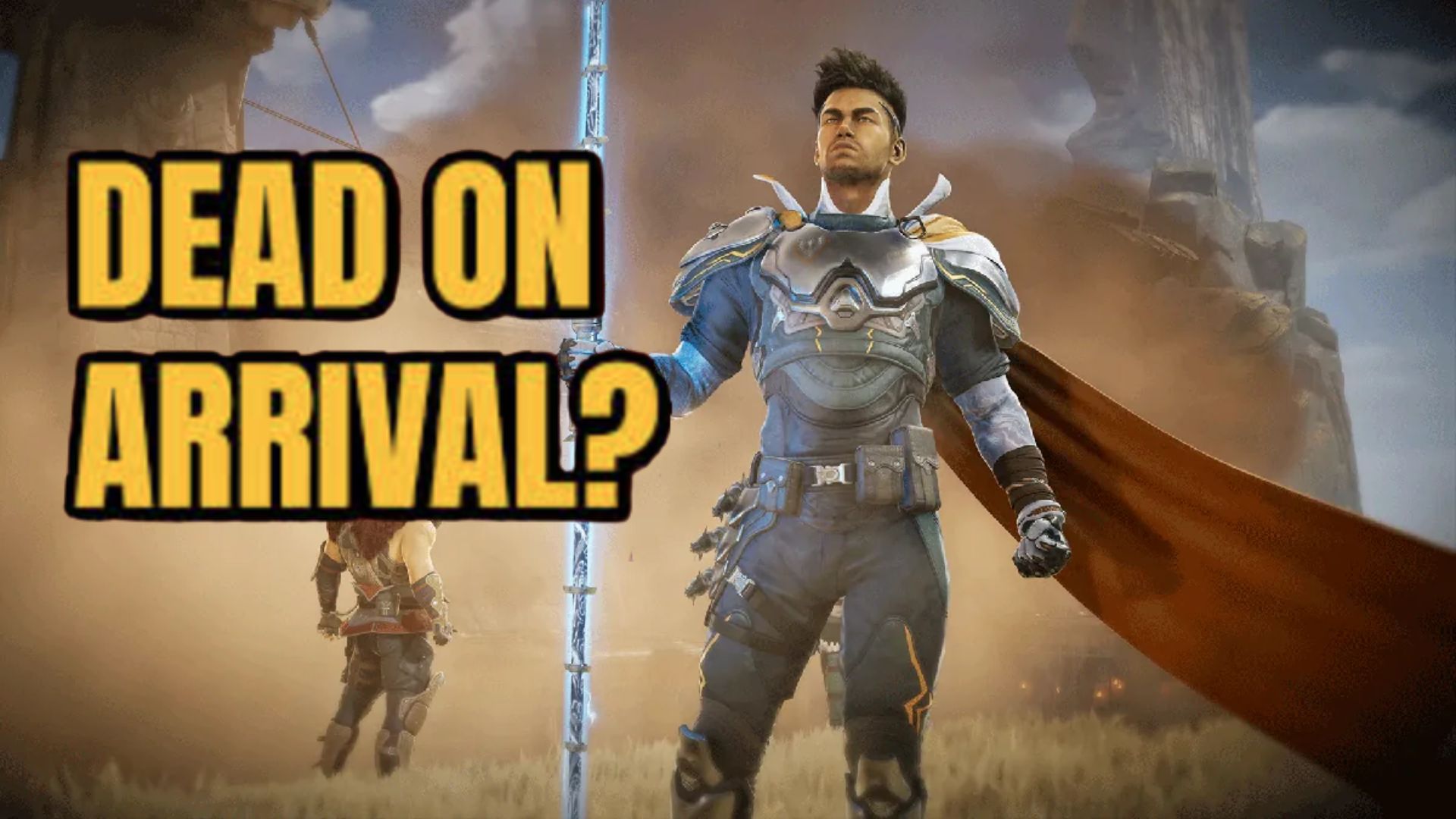


Gaming's Brutal Audience Verdict The Rise and Instant Rejection of Highguard
- Emerging trend reveals toxic dynamics in game development and community expectations
Overview
In the hyper-competitive world of video game development, Wildlight Entertainment has encountered a stark and unforgiving reality with its upcoming title Highguard. The game's reveal at The Game Awards exposed a critical inflection point in how gaming communities now interact with unreleased titles, characterized by instantaneous and overwhelmingly negative judgment.
Trend Dynamics of Instant Rejection: The Highguard announcement represents a troubling phenomenon where online communities rapidly form destructive narratives about games before experiencing actual gameplay. With a staggering 10:1 dislike ratio on its reveal trailer, the game exemplifies a broader industry challenge where developer innovation is preemptively suffocated by premature criticism. This isn't just about one game, but a systemic issue reflecting deep fatigue with the hero shooter and PvP subgenres.
Community Perception Warfare: The negative reception goes beyond aesthetic critique. Online commentators dismissed Highguard's unique elements—large maps, mount mechanics, and a distinctive gunslinging fantasy aesthetic—as "generic" and "uninspired". This reveals a more profound problem: gaming communities have become increasingly cynical, creating hostile environments that potentially discourage creative risk-taking. The context of Sony's recently unsuccessful Concord launch further amplifies this trend of skepticism toward new multiplayer experiences.
Strategic Implications: For game developers like Wildlight Entertainment, this represents a critical challenge. The studio, comprised of veterans from Titanfall and Apex Legends, finds itself navigating an ecosystem where audience expectations have become nearly impossible to satisfy. The Highguard case study suggests that innovative game design now requires not just creative vision, but also sophisticated community management and expectation-setting strategies.
Ultimately, the Highguard saga illuminates a transformative moment in game development: where audience perception can make or break a title before it even reaches playable state, and where the line between constructive feedback and destructive cynicism has become perilously thin.
Questions 3
How might game studios adapt to this new community dynamic?
Studios like Wildlight Entertainment will need to develop sophisticated community engagement strategies, potentially including more transparent development processes, early community involvement, and carefully managed expectations to counteract premature negative perceptions.
Why did Highguard receive such negative initial feedback?
The game's reveal trailer was perceived as generic within an oversaturated hero shooter market. Online communities, fatigued by similar titles like Concord, quickly formed a negative narrative about the game's visual aesthetic and perceived lack of innovation.