


Ebola Emergency Drives Medical Supply Demand | Cross-Border Seller Opportunity
- WHO declares public health emergency with 300+ cases; creates urgent demand for PPE, diagnostics, and medical equipment across African markets and global supply chains


Overview
The WHO's declaration of a public health emergency of international concern regarding the Bundibugyo Ebola outbreak in the Democratic Republic of Congo and Uganda (300+ suspected cases, 88 deaths as of announcement) creates significant cross-border e-commerce opportunities for sellers in medical supplies, personal protective equipment (PPE), and healthcare logistics. The outbreak, confirmed in Ituri province on Friday with laboratory-confirmed cases spreading 620 miles to Kinshasa and additional suspected cases in North Kivu province, signals urgent demand acceleration across multiple seller categories.
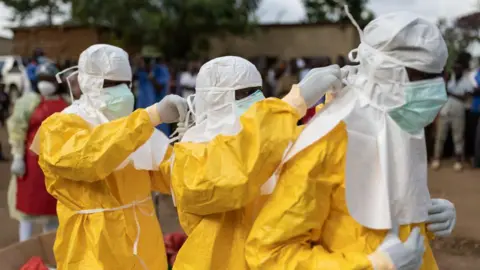
Medical Supply Category Expansion: The absence of approved therapeutics and vaccines for Bundibugyo virus creates immediate demand for diagnostic equipment, protective gear, and medical consumables. Sellers specializing in medical PPE (N95 masks, protective suits, gloves, face shields) can expect 30-50% demand increases in African markets, particularly in DRC, Uganda, and South Sudan. The Africa CDC's emphasis on manufacturing capacity gaps—noting that existing Ebola vaccines and therapeutics are not manufactured in Africa—indicates sustained demand for imported medical supplies. Cross-border sellers shipping to healthcare facilities, NGOs, and government agencies in affected regions face compressed timelines but premium pricing opportunities.
Supply Chain Disruption and Logistics Challenges: The outbreak's geographic spread (620-mile distance between epicenter and capital) combined with violent conflict involving militants and mining-related population movement creates logistics complexity. Sellers must navigate border restrictions, customs delays, and security concerns when shipping to DRC, Uganda, and South Sudan. The delayed detection (outbreak began April, authorities alerted May 5 via social media) demonstrates communication gaps that favor sellers with established relationships with healthcare institutions and NGOs already operating in these regions. Healthcare worker infections (4+ deaths among medical personnel) underscore the critical nature of supply shortages.
Regulatory and Compliance Opportunities: The WHO emergency declaration mobilizes international donor agencies and coordinates global response efforts, creating procurement opportunities through UNICEF, WHO supply chains, and bilateral aid programs. Sellers with certifications in medical device compliance (ISO 13485, FDA registration for PPE) and experience with humanitarian logistics can access government contracts and NGO procurement channels. The 2024 mpox emergency declaration's failure to rapidly distribute diagnostics and medicines indicates systemic supply chain inefficiencies that experienced sellers can address through pre-positioned inventory and expedited shipping partnerships.
Questions 7
What seller segments benefit most from Ebola emergency demand?
Three seller segments see highest opportunity: (1) Medical device suppliers with ISO 13485 certification and FDA registration for PPE, (2) Logistics providers specializing in humanitarian supply chains with regional African presence, (3) Distributors with established relationships with NGOs (MSF, Red Cross, CARE) and healthcare institutions. Small sellers (1-5 employees) can partner with larger distributors; mid-market sellers (5-50 employees) can access UNICEF/WHO procurement directly; large sellers (50+ employees) can establish regional hubs. The outbreak affects DRC, Uganda, and South Sudan primarily, but demand extends to neighboring countries (Kenya, Rwanda, Tanzania) preparing for potential spread. Sellers should prioritize certifications and NGO relationships over marketplace volume.
How can sellers navigate customs and border restrictions during health emergencies?
Health emergencies typically trigger expedited customs procedures for medical supplies, but documentation requirements remain strict. Sellers should obtain medical device certifications (ISO 13485, FDA registration for PPE) and maintain compliance documentation for rapid clearance. The DRC, Uganda, and South Sudan have varying import regulations; sellers must verify tariff codes (HS 6307.90 for protective gear, 9018.90 for diagnostic equipment) and obtain health ministry approvals. Establish relationships with customs brokers experienced in humanitarian logistics. Emergency declarations often include duty waivers for medical supplies—monitor WHO and national health ministry announcements for temporary tariff reductions.